





Key takeaways:
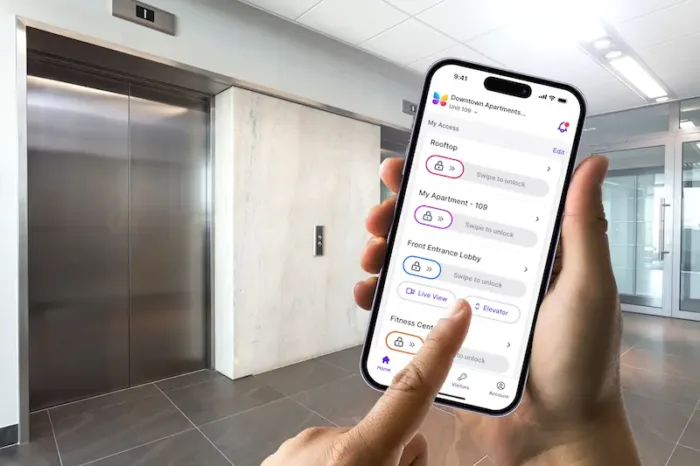
- Intercom integration with elevator controls helps approved visitors reach authorized floors without requiring residents or staff to meet them in the lobby.
- Floor access should be planned around real apartment workflows, including food deliveries, resident guests, vendors, and controlled elevator buildings.
- Compatibility, safety, code requirements, and professional installation should be confirmed with your access control provider, elevator contractor, and qualified installers.
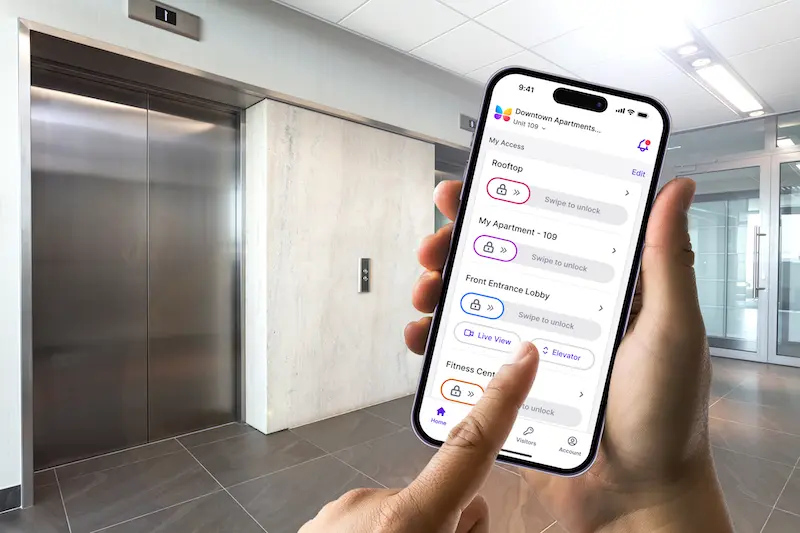
A resident orders dinner, the driver arrives at the front entrance, but the building has controlled elevators. Without the right access workflow, someone has to go downstairs, call staff, or leave the visitor waiting in the lobby. That everyday friction is exactly why many apartment buildings evaluate intercom integration with elevator controls.
Intercom integration with elevator controls allows an apartment building’s front-door intercom to coordinate visitor access with the elevator system. When properly configured by qualified professionals, the intercom system can help grant access to approved floors, streamline deliveries, reduce lobby escorts, and improve access control and security by limiting where visitors can go.
For property managers, owners, developers, and installers, the goal is not simply to add another access control feature. It is to help residents authorize guests, delivery drivers, and vendors from the front door while keeping elevator access controlled.
This guide will answer:
- What is intercom integration with elevator controls?
- Can an intercom let a visitor access a specific elevator floor?
- Apartment intercom elevator integration benefits
- What to consider before integrating an intercom with elevator controls
- How ButterflyMX supports smarter visitor and elevator access workflows
- Frequently asked questions
What is intercom integration with elevator controls?
Intercom integration with elevator controls means coordinating a building’s front-door intercom with the systems that manage elevator access. In an apartment building, this can allow an approved visitor to enter the lobby and use the elevator only in a way the building has authorized.
This does not mean replacing the elevator itself. The intercom does not act as the mechanical elevator system, and it should not be treated as an elevator engineering solution. Instead, it supports the access workflow around the elevator: who is allowed through the front door, who can use the elevator, and which destinations may be available after authorization.
How the front-door visitor workflow works
A typical workflow starts when a visitor arrives at the building entrance and uses the intercom to contact a resident or another authorized user. The resident verifies the visitor, grants entry, and the access control design helps coordinate elevator access for the approved trip.
For instance, a resident may approve a friend arriving for dinner. Rather than coming downstairs, the resident can authorize the guest at the front door. If the building uses controlled elevators, the visitor elevator access from intercom workflow can help the guest reach the appropriate floor instead of giving broad access to the property.
Why floor access matters in apartment buildings
Controlled elevators are common in multifamily buildings because they help limit unnecessary movement between floors. However, they can also create practical bottlenecks. Food delivery drivers may wait in the lobby, guests may call repeatedly, and staff may be pulled away to escort vendors upstairs.
Front door intercom elevator integration is valuable because it connects two parts of the visitor journey that often operate separately. A visitor may be approved at the door, but still be unable to get upstairs. Coordinating the two systems and providing elevator floor access in apartment buildings helps the building maintain access control without making every approved visitor dependent on a lobby escort.
Can an intercom let a visitor access a specific elevator floor?
In many access control designs, an intercom can help a visitor access a specific elevator floor after they have been approved. Whether that is possible at your property depends on the intercom, elevator controls, access control infrastructure, system configuration, and professional installation.
The key idea is authorization. The building should decide what happens after a resident or authorized user grants access. In a controlled elevator building, that may mean allowing a visitor to select only the resident’s floor, access a shared amenity level, or reach another approved destination.
Visitor elevator access from intercom systems
Consider a resident who schedules a dog walker during work hours. The dog walker arrives, calls the resident through the front-door intercom, and is approved. A properly planned intercom-controlled elevator access workflow can help the visitor get to the allowed floor without staff stepping in each time.
This is especially useful for buildings where residents expect frequent deliveries and services but management still wants to limit unnecessary elevator access. The visitor is not simply waved into the property. Their elevator access is tied to an approved interaction and the building’s access rules.
Elevator floor lockout integrated with intercom access
Elevator floor lockout generally refers to limiting which floors a person can select based on authorization. When elevator floor lockout is integrated with intercom workflows, the building can support a more controlled path from the front entrance to an approved floor.
Property teams should treat this as a planning and configuration conversation, not a do-it-yourself technical project. Elevator systems involve safety, code, and life-safety considerations. Your elevator contractor, access control provider, qualified installer, and local officials should be involved as needed before any elevator-related access changes are made.
Apartment intercom elevator integration benefits
The most useful apartment intercom elevator integration benefits show up in specific building workflows. The value is not just that two systems are connected. The value is that residents, visitors, delivery drivers, and staff have a clearer process for getting approved people where they need to go.
Better resident experience for guests and deliveries
Food delivery is one of the clearest examples. Without elevator coordination, the driver may reach the lobby but still need the resident to come down. That is frustrating for residents, especially late at night, during bad weather, or when they are working from home and cannot step away easily.
With a planned apartment visitor elevator access workflow, the resident can verify the driver through the intercom and authorize access according to the building’s rules. The driver can complete the delivery more efficiently, and the resident does not have to leave the apartment for every approved order.
The same logic applies to guests, cleaners, pet sitters, and service providers. Instead of asking staff to manually manage every arrival, the property can rely on a defined approval process that supports controlled movement through the building.
Improved security and staff workflow
Intercom and elevator coordination can help reduce unauthorized floor access by tying visitor movement to an approval event. It does not remove all access risk, but it can give property teams a more controlled process than simply unlocking a front door and hoping the visitor goes to the right place.
Staff also benefit when fewer approved visitors need manual help moving beyond the lobby. A concierge, leasing team, or maintenance supervisor can spend less time answering routine access calls and more time handling exceptions, such as a vendor who arrives outside an approved window or a visitor who cannot reach the resident.
More controlled building access
Security in this context is about visibility and permission management, not making broad promises. A property that controls elevator floor access can limit unnecessary travel through residential areas. When visitor access is connected to the intercom workflow, managers can better understand how people are being admitted and where they are intended to go.
For example, a recurring vendor may need access to a service area and one residential floor, while a dinner delivery driver may only need a brief path from the entrance to a resident’s floor. Those access patterns should not be treated the same. Before implementing an integration, decide which user groups need temporary access, recurring access, staff-approved access, or resident-approved access.
What to consider before integrating an intercom with elevator controls
Before pursuing intercom integration with elevator controls, document the visitor workflows you want to support. A building that mainly wants to simplify food deliveries may need a different access plan than a building focused on vendor access, guest access, or floor-restricted resident towers.
Building systems and compatibility
Start by identifying the systems already in place: the front-door intercom, elevator controls, access control platform, resident credential process, and any existing floor restrictions. Then decide what outcome you want. Do you want approved visitors to reach only one floor? Should vendors access a service level? Will staff need to adjust permissions over time?
Compatibility should be confirmed by the right professionals. Your access control provider can explain what the intercom and software can support. Your elevator contractor can advise on the elevator side. Your installer can help determine what is realistic for the property without turning the planning process into guesswork.
Safety, code, and professional installation
Elevators are not ordinary doors. Any access workflow involving elevator controls should be reviewed with qualified elevator and access control professionals, and local code officials when appropriate. Property teams should avoid making assumptions about wiring, relays, fire service operation, emergency access, or life-safety requirements.
A practical next step is to bring the stakeholders into the conversation early. Include property management, ownership, the elevator contractor, the access control provider, the installer, and any facilities team members who handle daily access requests. That group can help define the intended workflow before anyone discusses installation details.
Discover how ButterflyMX works:
How ButterflyMX supports smarter visitor and elevator access workflows
ButterflyMX helps apartment buildings improve how residents, visitors, delivery drivers, and property teams manage access at the front door and beyond. For buildings evaluating intercom integration with elevator controls, the important question is how the visitor journey should work from the moment someone arrives at the entrance to the moment they reach an approved destination.
A more convenient front-door experience
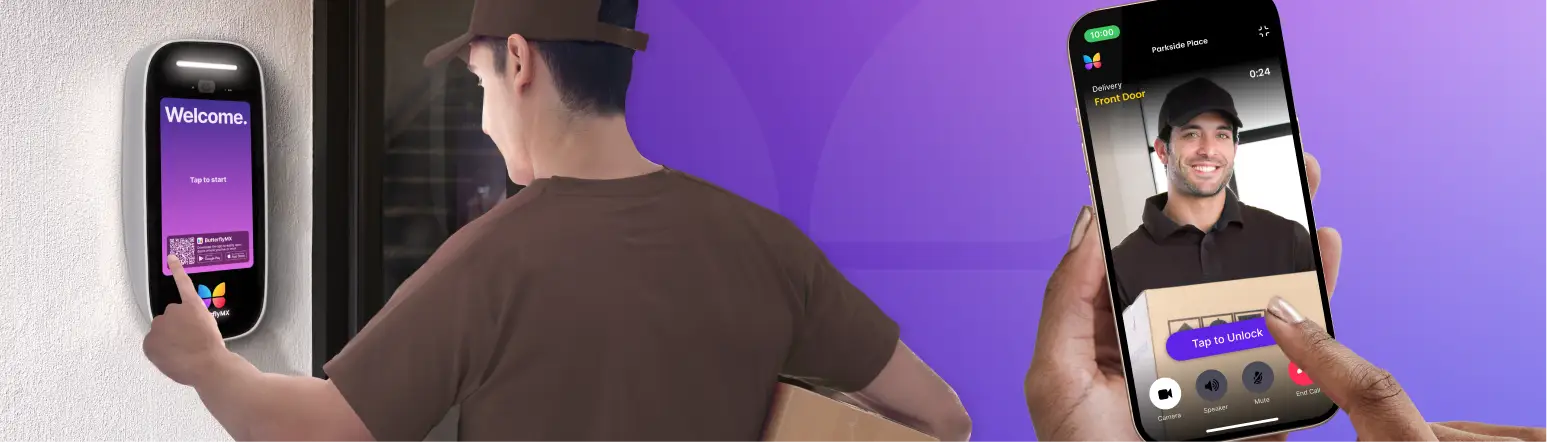
With a ButterflyMX video intercom-centered workflow, residents can see and speak with visitors before granting access. That matters when a guest, food delivery driver, or vendor arrives and the resident needs to decide whether to let them in without walking to the lobby.
When elevator access is part of the building’s access strategy, ButterflyMX can be part of a broader conversation about how front-door authorization connects to the rest of the property. The goal is to help approved visitors move through the building according to your rules while giving managers a clearer way to oversee access over time.
What to ask when evaluating a solution
When comparing options, ask practical workflow questions before getting into technical details:
- Can the system support visitor elevator access from the intercom for approved guests and deliveries?
- Can access be limited by floor or approved destination when the building’s elevator controls support that workflow?
- How do residents authorize guests, delivery drivers, and vendors?
- Who needs to be involved in confirming compatibility and installation requirements?
- How will property staff manage permissions as residents move in, vendors change, or building policies evolve?
Those questions help keep the project focused on the real operational goal: making approved access easier for residents and staff while maintaining appropriate control over elevator movement.
Frequently asked questions
- How does visitor elevator access from an intercom work?
- Can an intercom system call an elevator to a desired floor?
- What are common use cases for intercom-controlled elevator access?
- Who should be involved in planning intercom and elevator integration?
- Does intercom integration with elevator controls make a building more secure?
How does visitor elevator access from an intercom work?
Visitor elevator access from an intercom typically works by having the visitor call a resident or authorized party from the entrance, receive approval, and then use the elevator according to the building’s access rules. The exact process depends on the intercom, access control system, elevator controls, and configuration.
Can an intercom system call an elevator to a desired floor?
Some access designs may support an intercom system that coordinates elevator access to a desired or approved floor, but this depends on the building’s systems and professional configuration. Property teams should confirm the desired workflow with their access control provider, elevator contractor, and installer.
What are common use cases for intercom-controlled elevator access?
Common use cases include food deliveries, resident guests, dog walkers, cleaners, maintenance vendors, and after-hours service providers. The shared goal is to let approved visitors reach the correct area without requiring a resident or staff member to escort every arrival.
Who should be involved in planning intercom and elevator integration?
Property management, ownership, facilities staff, the access control provider, the elevator contractor, and a qualified installer should be involved. Elevator-related access workflows can affect safety, compliance, and daily operations, so planning should not be handled by one party alone.
Does intercom integration with elevator controls make a building more secure?
It can support a more controlled access process by limiting visitor movement to authorized areas when properly configured. However, it should be part of a broader access strategy that includes clear policies, professional installation, credential management, and ongoing oversight.
Get your free quote!
Fill in the form below, and we'll email you right back.
Want a free quote?
Fill in the form below, and we'll email you right back.
You’ll be redirected shortly...