






Key takeaways
- IP intercoms use internet-based connectivity to enable mobile access, remote management, and cloud-based control, while analog systems rely on fixed in-building wiring and hardware.
- Analog intercoms are best suited for small buildings with basic access needs, where features like video calling, remote unlocking, and integrations are not required.
- IP intercoms support smartphone-based access, video verification, and remote entry management, making them a stronger fit for modern multifamily and commercial properties.
- Scalability and integrations are major advantages of IP systems.
- While analog systems may have lower upfront costs, IP intercoms typically offer stronger long-term value.

Intercom systems are essential for managing building access, improving security, and creating a better resident or visitor experience. But if you’re evaluating a new system or planning an upgrade, one major decision stands out: should you choose an IP intercom or an analog intercom?
While analog intercoms were once the standard for apartment buildings and commercial properties, IP intercoms have quickly become the preferred option for modern access control. They offer cloud-based management, remote access, smartphone connectivity, and scalability that analog systems simply can’t match.
In this guide, we compare IP intercom vs. analog intercom systems, explain how each technology works, and help you determine which solution best fits your property.
Navigate this post:
- What is an analog intercom system?
- What is an IP intercom system?
- How do IP intercoms and analog intercoms work?
- Comparison of IP intercom vs. analog intercom
- How to choose between an IP intercom vs. analog intercom
- ButterflyMX: The leading choice for smart intercom systems
- IP intercom vs. analog intercom FAQs
More than 100K, 5-star ratings!
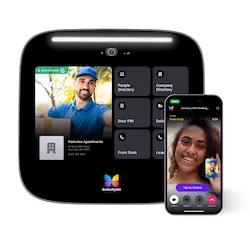
Video Intercoms
Open doors, gates & garages from anywhere.

QR Code Intercom
Smartphone-based visitor access.
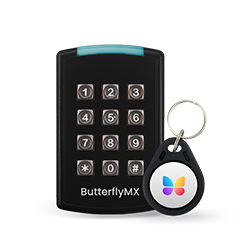
Access Control
Fob, key cards, PINs, and mobile apps.
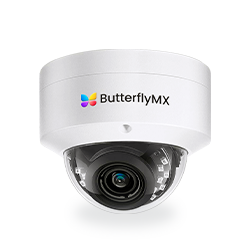
Security Cameras
Visibility throughout your property.
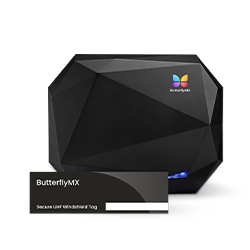
Vehicle Access
Hands-free access for gates & garages.
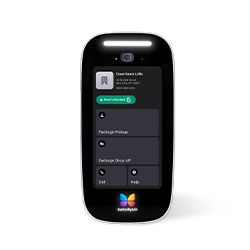
Package Room
Receive, store, and manage deliveries.
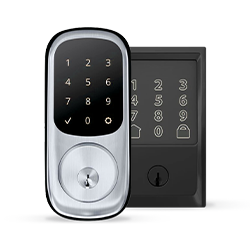
Smart Locks
Connect to all major brands and models.
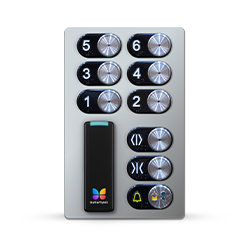
Elevator Controls
Unlock key-fobbed elevators for anyone.
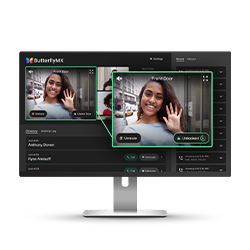
Front Desk Station
See all your doors and cameras in one place.
What is an analog intercom system?
An analog intercom system is a traditional communication and entry system that relies on direct electrical wiring to transmit audio and video signals between devices.
Most analog intercoms use copper wiring and operate through dedicated hardware installed throughout a building. Residents or tenants typically communicate with visitors using a wired handset mounted inside their unit.
Common features of analog intercom systems include:
- Audio-only or limited video communication
- Wired door release functionality
- Basic directory systems
- Dedicated in-unit hardware
- Closed-circuit communication
For decades, analog intercoms were the standard in multifamily and commercial properties because they provided a reliable way to verify visitors before granting access.
However, many analog systems now struggle to meet modern expectations. Residents increasingly expect smartphone access, video calling, remote entry management, and delivery-friendly access features that older analog systems often cannot support.
What is an IP intercom system?
An IP intercom system is a network-based intercom that uses Internet Protocol (IP) technology to transmit audio, video, and access credentials over a local network or the internet.
Unlike analog systems, IP intercoms connect to a property’s network infrastructure, allowing communication between hardware, mobile devices, cloud platforms, and management software.
Modern IP intercom systems typically include:
- Video calling capabilities
- Mobile app access
- Cloud-based management
- Remote door unlocking
- Integration with access control systems
- Visitor logs and audit trails
- Smart delivery and guest access tools
Instead of relying on wired apartment handsets, IP intercoms often route calls directly to residents’ smartphones. This creates a more flexible and convenient experience for both residents and property staff.
Because they use internet connectivity, IP intercoms are also easier to scale across multiple buildings or properties.
Discover how ButterflyMX works:
How do IP intercoms and analog intercoms work?
Although both systems serve the same purpose, they operate very differently behind the scenes. Understanding how each system works can help property owners and managers evaluate installation requirements, scalability, maintenance needs, and long-term functionality.
Here’s a breakdown of how both systems work:
How analog intercoms work
Analog intercoms use dedicated wiring to connect entry panels, tenant devices, and door release hardware.
When a visitor selects a tenant from the directory:
- The system sends an electrical signal through the wiring.
- The tenant’s in-unit handset rings.
- The resident speaks with the visitor through the wired connection.
- If approved, the resident presses a button to unlock the door.
This process happens entirely within the building’s internal wiring infrastructure.
Because analog systems rely heavily on physical wiring and hardware, upgrades and repairs can become expensive over time. Additionally, adding new features often requires replacing major system components.
How IP intercoms work
IP intercoms use internet and network connections instead of dedicated analog wiring.
When a visitor initiates a call:
- The intercom sends data through the property’s network.
- The call routes to a smartphone app, desktop dashboard, or connected device.
- The resident or staff member communicates with the visitor through audio or video.
- Access can be granted remotely through the app or management platform.
Since IP intercoms operate digitally, they can support advanced features like:
- Cloud storage
- Mobile credentials
- Remote management
- Video verification
- Delivery PINs
- System integrations
This flexibility makes IP systems ideal for modern buildings with evolving security and operational needs.
Comparison of IP intercom vs. analog intercom
Here’s a closer look at how IP intercoms and analog intercoms compare across key categories:
How to choose between an IP intercom vs. analog intercom
The decision between an IP intercom and an analog intercom comes down to how your property operates today and how you expect it to evolve. While both systems handle visitor communication and building access, they differ significantly in flexibility, functionality, and long-term scalability.
Instead of thinking of this as a purely technical choice, it helps to frame it around three priorities: operational simplicity, resident expectations, and future growth. Analog systems tend to support the first, while IP systems are built to handle all three.
Choose an analog intercom
- Property needs. Your property has very basic access needs, with only simple visitor entry and door release required.
- On-site vs. remote. You do not need remote management, and all access control is handled on-site.
- Budget. Your budget is extremely limited, so a low-upfront-cost solution is preferred.
- Size of your building. You operate a small building with minimal traffic, where advanced features aren’t necessary.
- Buying reasons. You are maintaining an older legacy system temporarily, rather than upgrading the infrastructure right now.
Choose an IP intercom
- Smartphone access. You want residents and staff to be able to answer calls and grant entry directly from their smartphones.
- Remote management. You need the ability to manage access control, monitor activity, and respond to requests from anywhere.
- Video features. You want video calling capabilities that allow visual verification of visitors before granting access.
- Scalability. You plan to expand across multiple buildings or entry points and need a system that can grow with your portfolio.
- Integrations. You want your intercom to connect with access control systems, cameras, and other smart building technologies.
- Resident experience. You want to deliver a modern, mobile-first experience that aligns with current tenant expectations.
- Operational efficiency. You prioritize long-term efficiency, reduced maintenance, and streamlined property management workflows.
ButterflyMX: The leading choice for smart intercom systems
When evaluating IP intercom systems, ButterflyMX stands out as a leading solution for multifamily, commercial, gated, and student housing properties. ButterflyMX combines video intercom technology with cloud-based access control to create a seamless entry experience for residents, visitors, and staff.
Unlike traditional analog systems, ButterflyMX eliminates the need for dedicated in-unit hardware, helping reduce installation complexity and maintenance challenges.
Five key features of ButterflyMX Video Intercoms include:
- Mobile app-based property access
- Video calling directly to smartphones
- Remote door and gate unlocking
- Delivery and visitor pass management
- Detailed entry logs and audit trails
1. Mobile app-based property access
Residents and staff can manage building entry directly from a mobile app, eliminating the need for in-unit hardware or physical keys. This allows users to answer calls, grant access, and control entry points from anywhere, creating a more flexible and convenient experience.
2. Video calling directly to smartphones
Visitors can initiate video calls that route straight to a resident’s smartphone, allowing for real-time visual verification before granting access. This improves both security and convenience by giving users a clear view of who is requesting entry.
3. Remote door and gate unlocking
Property managers and residents can unlock doors or gates remotely through a connected app or platform. This is especially useful for managing deliveries, guest access, or maintenance staff without needing to be physically present.
4. Delivery and Visitor Pass management
The system enables controlled access for deliveries and guests through Visitor Passes or time-limited credentials. This helps properties streamline access while maintaining oversight and reducing unauthorized entry risks.
5. Detailed entry logs and audit trails
Every access event is recorded, creating a detailed log of entries and exits across the property. These audit trails help property managers monitor activity, improve security, and resolve access-related issues more efficiently.
IP intercom vs. analog intercom FAQs
When should I upgrade from an analog intercom?
You should consider upgrading from an analog intercom if your current system experiences frequent maintenance issues, lacks mobile access features, or no longer meets resident expectations.
Other signs it may be time to upgrade include:
- Difficulty finding replacement parts
- Poor audio or video quality
- Limited scalability
- Increasing repair costs
- Lack of remote management
- Resident demand for smartphone access
Can I reuse wiring for an IP intercom?
In many cases, yes. Some IP intercom systems can reuse portions of existing wiring infrastructure during a retrofit installation.
Modern retrofit-friendly IP intercom solutions can often reduce installation costs by leveraging existing infrastructure whenever possible.
Get your free quote!
Fill in the form below, and we'll email you right back.
Want a free quote?
Fill in the form below, and we'll email you right back.
You’ll be redirected shortly...