


Key takeaways
- A property management app centralizes all property operations into a single platform, reducing complexity and improving efficiency.
- Unified property management connects digital and physical systems, giving managers a complete view of operations and residents a consistent experience.
- Automation in property management apps handles routine tasks like rent collection and maintenance requests, freeing staff to focus on higher-value work.
- Mobile access and system integrations allow property managers to operate on the go and connect multiple tools into one seamless workflow.
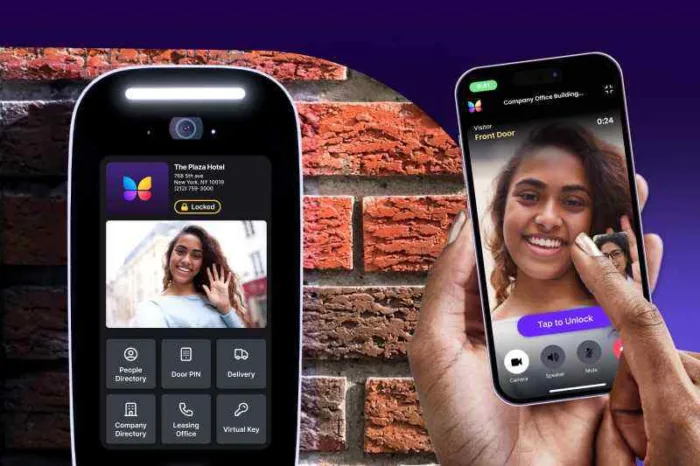
- Platforms like ButterflyMX extend unified management by centralizing access control, enhancing operational oversight, and improving resident convenience.
Managing properties today involves more moving parts than ever. From leasing and maintenance to access control and resident communication, property managers are expected to manage multiple systems at once. This often leads to inefficiencies, disconnected workflows, and a fragmented experience for both staff and residents.
Multifamily property management software helps bring order to this complexity by centralizing operations into a single platform, especially when a unified app system is involved. As the industry evolves, the focus is shifting beyond basic functionality toward unified property management, where every system across a property works together.
This guide explains what a property management app is, how it works, and why a unified approach is becoming essential for property managers and owners.
Navigate this post:
- What is a property management app?
- What is unified property management?
- How a property management app works
- The challenges of fragmented property management
- 7 benefits of a unified property management approach
- Key features to look for in a property management app
- ButterflyMX as a unified property tool
- FAQs about property management apps
What is a property management app?
A property management app is a software platform that allows property managers and owners to oversee daily operations from one place. Most are cloud-based, which means they can be accessed from anywhere using a desktop or mobile device.
These apps are designed to replace manual processes and disconnected tools with a centralized system. Instead of managing leases in one place, maintenance in another, and finances somewhere else, everything is brought together into a single interface.
Core functions typically include:
- Lease tracking and document management
- Online rent collection and payment tracking
- Maintenance request management
- Tenant communication tools
- Financial reporting and performance insights
What is unified property management?
Unified property management expands on the traditional app model by connecting all property-related systems into one ecosystem. This approach removes silos and allows property teams to manage both digital and physical operations through a single system.
For residents, it creates a more streamlined experience. For managers, it simplifies operations and improves visibility across the entire property.
Rather than relying on multiple standalone tools, unified platforms bring together:
- Property management software
- Access control systems
- Intercoms and security cameras
- Visitor management tools
- Communication platforms
Discover how ButterflyMX works:
How a property management app works
A property management app centralizes all property operations into a single platform, allowing managers to access information, automate tasks, communicate with residents, and monitor performance in real time.
The app organizes data related to leases, tenants, maintenance, payments, and property activity in one place, reducing errors, eliminating duplicate work, and keeping teams aligned. Automation handles routine tasks such as rent reminders, maintenance assignments, and lease management, freeing staff to focus on higher-value responsibilities.
Built-in communication tools allow managers to message residents, vendors, and team members from one platform, while mobile access ensures operations can be managed from anywhere. Many apps also integrate with other systems like access control, accounting, and security tools, creating a unified approach that boosts efficiency and consistency.
In short, a property management app combines data, automation, communication, and integration to simplify operations and improve both staff and resident experiences.
The challenges of fragmented property management
Many properties still rely on multiple systems to handle different aspects of operations. While each tool may serve a purpose, using too many creates inefficiencies. Over time, these inefficiencies add up and make it harder to manage properties effectively.
Common challenges include:
- Switching between multiple apps throughout the day
- Re-entering the same data across different systems
- Delivering inconsistent experiences for residents
- Increasing training time for staff
- Paying for overlapping software solutions
7 benefits of a unified property management approach
A unified property management app addresses these challenges by bringing everything into one system. This creates several advantages for property managers and owners.
Here are the top benefits of unified property management apps:
- Streamlined operations
- Reduced administrative work
- Improved resident experience
- Greater visibility
- Cost efficiency
- Easier scalability
- Enhanced control
1. Streamlined operations
Managing all aspects of a property from one platform reduces complexity and improves efficiency across daily workflows. Instead of navigating multiple systems, teams can complete tasks within a single interface, which speeds up processes and reduces the likelihood of errors. This level of simplicity helps standardize operations and creates a more consistent experience across properties.
2. Reduced administrative work
Centralized systems eliminate duplicate tasks and the need to manually transfer information between tools. This reduces time spent on repetitive administrative work such as data entry, status updates, and cross-checking information. As a result, staff can shift their focus to higher-value responsibilities like improving operations, supporting residents, and driving portfolio performance.
3. Improved resident experience
Residents benefit from a consistent and easy-to-use interface that brings all interactions into one place. They can pay rent, submit maintenance requests, communicate with management, and access property features without switching between apps or platforms. This convenience leads to higher satisfaction, fewer support requests, and stronger long-term retention.
4. Greater visibility
Unified platforms provide a complete and real-time view of property performance across all operations. Managers can track key metrics such as occupancy, revenue, and maintenance activity without compiling data from multiple sources. This level of visibility makes it easier to identify trends, address issues quickly, and make informed decisions with confidence.
5. Cost efficiency
Using a single platform can reduce overall software costs by eliminating the need for multiple subscriptions and overlapping tools. It also minimizes expenses related to training, maintenance, and IT support. Over time, consolidating systems into one solution can lead to more predictable and manageable operating costs.
6. Easier scalability
As portfolios grow, unified systems make it easier to add new properties, units, and users without increasing operational complexity. Processes can be standardized across locations, which simplifies onboarding and ensures consistency. This allows property managers to scale efficiently without needing to significantly expand their teams.
7. Enhanced control
Centralized systems improve oversight by giving property managers a single point of control for permissions, access, and activity. This makes it easier to enforce policies, monitor operations, and maintain security across the property. With better control, teams can respond more quickly to issues and maintain a higher level of operational consistency.
Key features to look for in a property management app
When choosing a property management app, it is important to focus on features that support a unified approach.
Key features include:
- A centralized dashboard for managing all operations. With everything accessible from one interface, teams can work more efficiently and make faster decisions.
- Cloud-based access for real-time updates. Cloud-based platforms ensure that all data is updated instantly and accessible from anywhere. This allows property managers to monitor performance, respond to issues, and collaborate with team members in real time.
- Automation tools to streamline workflows. By minimizing administrative work, teams can focus on higher-value responsibilities like resident satisfaction and portfolio growth.
- Mobile functionality for flexibility. Whether conducting property walks or handling urgent requests off-site, teams can stay connected without being tied to a desk. This improves response times and keeps operations running smoothly.
- Connectivity with other property systems. In a unified system, this connectivity reduces data silos and creates a more seamless experience for both staff and residents. It also supports long-term scalability as new technologies are added.
- Reporting tools for performance insights. Built-in reporting provides visibility into key metrics such as occupancy rates, revenue, and maintenance trends. These insights help property managers identify inefficiencies, forecast performance, and make informed decisions.
ButterflyMX as a unified property tool
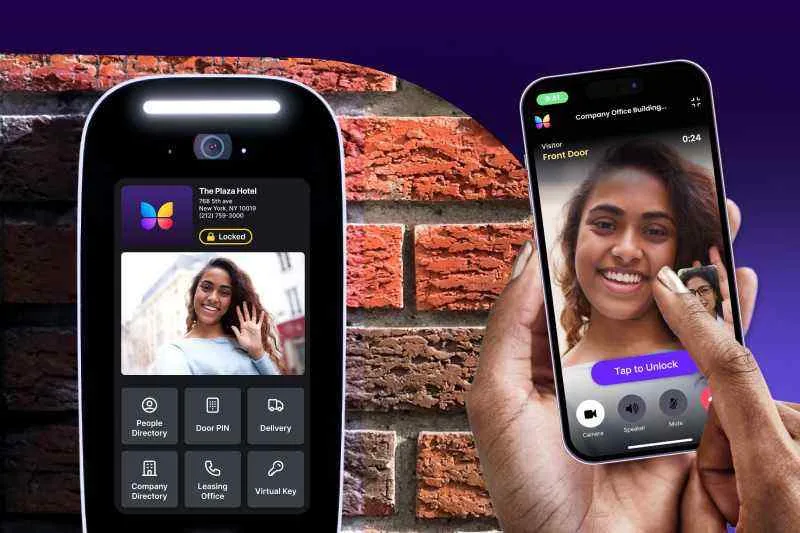
ButterflyMX takes unified property management to the next level by centralizing access and building systems alongside core property operations. By connecting doors, gates, elevators, and amenities into a single platform, ButterflyMX allows property teams to manage building access seamlessly while keeping other operational tasks organized in one place.
This unified approach bridges the gap between physical infrastructure and digital property management, creating a smoother, more efficient experience for both staff and residents. As buildings adopt more technology, having a single, integrated access solution ensures consistent operations and simplifies daily management.
With ButterflyMX, property managers can:
- Manage building access effortlessly from a single dashboard
- Provide residents with convenient mobile credentials
- Monitor entry activity in real time for enhanced security
- Integrate Access Control with other property systems
- Streamline operations and reduce reliance on multiple tools
By consolidating access and operational management, ButterflyMX helps property teams save time, improve efficiency, and deliver a better experience for residents.
FAQs about property management apps
- What is the purpose of a property management app?
- What is the difference between a property management app and property management software?
What is the purpose of a property management app?
A property management app helps property managers and owners centralize daily operations such as rent collection, maintenance tracking, lease management, and tenant communication. The goal is to streamline workflows, reduce manual tasks, and improve overall efficiency.
What is the difference between a property management app and property management software?
Property management software is a broader term that includes all types of platforms used to manage real estate operations. A property management app typically refers to a mobile-friendly or cloud-based version that allows users to manage properties from anywhere. Most modern platforms function as both software and an app.
Get your free quote!
Fill in the form below, and we'll email you right back.
Want a free quote?
Fill in the form below, and we'll email you right back.
You’ll be redirected shortly...