





Key takeaways:
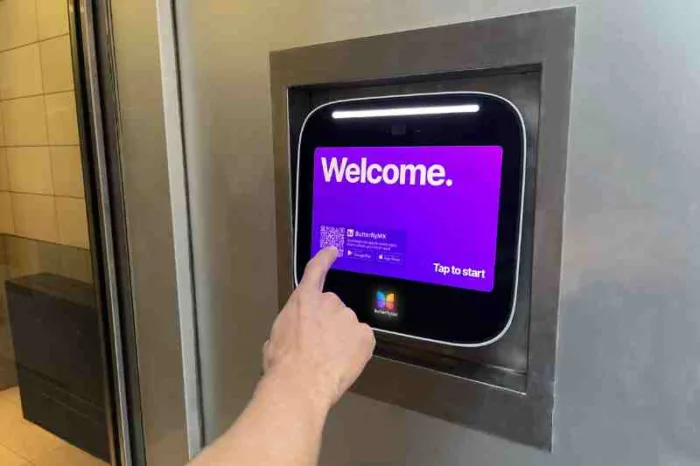
- Plan intercom locations, wiring paths, connectivity, and camera needs before drywall if your system requires them.
- Install smart locks after doors, frames, and openings are ready for final hardware, not during early rough construction.
- Ask vendors about activation timing, phased rollout, and billing start dates so service begins closer to occupancy.
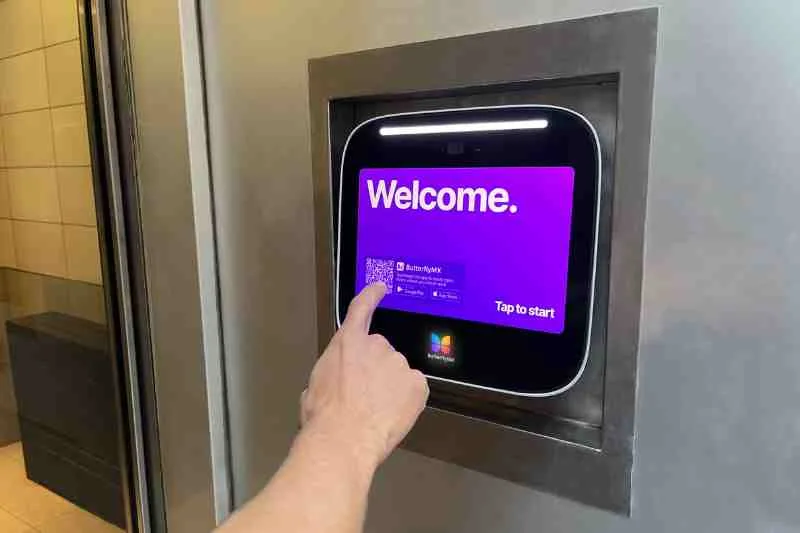
If you’re building a new apartment property, timing access control can get complicated quickly. You need the intercom, smart locks, and cameras ready for move-in, but you do not want to reopen finished walls, replace incompatible hardware, or start paying monthly service fees before the building is actually in use.
So, when should you install intercom systems and smart locks during construction?
The short answer is this: plan infrastructure early, install final hardware when doors and access points are ready, and coordinate activation close to occupancy. That approach helps you avoid rework while giving your team time to test the system before residents arrive.
For most multifamily projects, the right sequence is less about one installation date and more about making the right decisions at the right construction milestones.
This guide will cover:
- The best time to install intercom systems and smart locks during construction
- What to decide before drywall, doors, and occupancy
- How to avoid subscription fees before units are tenant-ready
- What to do about cameras during construction
- How ButterflyMX supports tenant-ready access control planning
- FAQs
The best time to install intercom systems and smart locks during construction
The best time to install your intercom and smart locks during construction is after your access points, door plans, and system requirements are clear, but before occupancy. In practice, that usually means making infrastructure decisions early in the project, then installing final hardware once entrances, unit doors, and common-area openings are ready.
This matters because intercoms and smart locks do not follow the same construction timeline. An intercom may require early planning for mounting location, power, wiring pathways, and network connectivity before walls are finished. Smart locks, on the other hand, are usually tied more closely to the door package, handing, frame conditions, and final hardware schedule.
Install infrastructure before finishes close up
If your building will use a video intercom, integrated cameras, or other access control components that need wiring or dedicated mounting locations, those decisions should be made before drywall goes up. Waiting too long can lead to expensive rework, especially if the team has to reopen finished walls or reroute low-voltage pathways late in the project.
For example, if your property will need a video intercom at the main entrance, confirm placement, connectivity needs, and pathway planning while walls are still open. The same applies to garage entries, side doors, package rooms, amenity spaces, and other controlled access points that may need readers, cameras, or related hardware.
This is not a wiring manual, and exact requirements depend on the system and building design. But the practical takeaway is simple: coordinate early with your construction team, qualified installer, and access control provider so infrastructure decisions happen before finishes close up.
Install door hardware when doors and openings are ready
Smart locks are typically installed later, once unit doors, frames, and openings are ready for final hardware. Installing them too early can create problems if doors are still being adjusted, painted, rehung, or replaced. It can also expose finished hardware to unnecessary wear during heavy construction traffic.
For example, a developer may want every unit to be resident-ready on opening week. In that case, the better approach is often to let the door and hardware schedule reach a stable point first, then install and test the smart locks close enough to occupancy that the units are ready, but not so early that the locks sit unused during ongoing construction activity.
That sequencing also gives the property team time to verify how unit access, common-area access, resident move-in workflows, and staff permissions will work together before the first residents arrive.
What to decide before drywall, doors, and occupancy
The easiest way to avoid access control delays is to treat the project like a timeline, not a shopping list. A few decisions made at the right milestone can prevent late-stage confusion, added costs, and turnover delays.
Before drywall: intercom, camera, and wiring plans
If the system requires it, this is the stage to pre-install wiring for a video intercom during the build and confirm where related cameras or access devices will go. The team should know which entrances will have controlled access, where visitors will call from, and what connectivity the final system will need.
Think about actual property workflows. Will visitors call from the front door only, or also from a gate, parking entrance, or delivery entrance? Will staff need visibility at a service entry? Will residents use one primary entrance or multiple controlled doors? These are operational questions, but they directly affect construction planning.
Before walls close, it helps to confirm:
- Main and secondary entrance locations
- Intercom mounting positions
- Camera locations for permanent building operations
- Power and connectivity expectations for each device
- Who is responsible for coordinating access control with other trades
Even if the final product choice is still being narrowed, waiting until after drywall to think through these basics can limit your options.
Before doors are finalized: smart lock compatibility and integrations
Before you approve unit lock hardware, decide whether those locks need to work with a broader property access system.
This is where some projects run into trouble. A team buys third-party smart locks early because they are available or already budgeted, then tries to integrate them later with the intercom or access control platform and discovers extra complexity, limited functionality, or added coordination.
That does not mean third-party locks are a bad idea. It means compatibility should be confirmed before purchase, not after installation.
If your long-term goal is one workflow for resident entry, staff management, visitor access, vendor access, and unit access, ask early how the locks will fit into that plan.
Useful questions at this stage include:
- Will the selected lock work with the planned access control platform?
- Will residents use separate credentials for building entry and unit entry, or one connected experience?
- Who will manage permissions after move-in: onsite staff, regional operations, or both?
- What happens if the lock model changes during procurement?
- Will installation timing affect testing, punch lists, or turnover readiness?
By occupancy, you want the property team managing access, not solving preventable compatibility issues.
How to avoid subscription fees before units are tenant-ready
This is one of the most practical questions in new construction. Many developers want hardware installed before move-in but want to activate access control subscriptions after occupancy, or at least closer to the date the building is ready to operate.
That is a reasonable planning goal, but the exact options depend on the provider, contract terms, and system design.
Can you install hardware now and activate access later?
In many projects, teams can install hardware during construction and coordinate software or service activation later. But this is not something to assume. Some providers may offer flexibility around activation timing, phased rollout, or billing start dates, while others may structure implementation differently.
For example, a multifamily development may have its front entrance, unit locks, and garage entry physically installed weeks before the first lease starts. The project team may then use that gap for final testing, staff setup, punch-list coordination, and resident onboarding preparation before the building becomes resident-facing. The goal is to be tenant-ready without carrying unnecessary service costs too early.
The key is to discuss this before signing, not after installation is underway. If delayed activation matters to your budget, make it part of the buying conversation from the start.
Questions to ask your access control provider
To avoid surprises, ask direct questions about the construction timeline, turnover schedule, and billing trigger.
Questions to ask include:
- When does billing begin for the system or subscription?
- Can hardware be installed before software activation?
- Can service activation happen after occupancy or closer to first move-ins?
- Can activation be phased by building, entrance, or amenity area?
- What testing needs to happen before turnover?
- Who handles staff training before residents arrive?
- What information is needed to set up resident, staff, and vendor access?
This also helps the property operations team prepare for day one. Instead of rushing to assign credentials at the last minute, staff can plan resident onboarding, vendor access, and move-in procedures around a clear activation schedule.
Discover how ButterflyMX works:
What to do about cameras during construction
Cameras create a separate but related planning question. During construction, your needs are often different from what the property will need after lease-up.
A temporary jobsite monitoring setup may make sense while the building is still an active construction site. Later, your permanent camera system should support ongoing property operations, resident workflows, and access visibility.
Using temporary cameras for construction monitoring
Basic or temporary cameras can help owners and construction teams keep an eye on site activity, deliveries, material staging areas, and perimeter conditions before the permanent access system is live. That can be useful when there is no need yet for a full resident-facing setup.
For instance, a site may use temporary cameras to monitor material staging areas or main entry points while crews are still moving in and out all day. That can support construction oversight without forcing the permanent property system to go live too early.
Just do not let temporary monitoring replace permanent planning. If the long-term property will need integrated camera coverage at entrances, common areas, or access points, that design conversation still needs to happen on the construction timeline.
Switching to integrated cameras after construction
If you plan to transition from temporary cameras to permanent building cameras, confirm those permanent locations early. Mounting, connectivity, visibility, and management expectations should be reviewed before finishes are complete, even if the final devices are installed later.
The practical distinction is this: temporary cameras help monitor the jobsite, while permanent cameras should support ongoing operations after occupancy. Property staff will care about different things than the construction team, such as monitoring entrances, reviewing access activity, and supporting resident, visitor, and vendor workflows once the building opens.
As with intercoms and locks, coordinate final camera planning with qualified installers and the broader access strategy so each device supports how the property will actually operate.
How ButterflyMX supports tenant-ready access control planning
For new multifamily developments, ButterflyMX can support the planning conversation before occupancy by helping teams think through video intercoms, smart lock integrations, access control, camera systems, and activation timing as one coordinated access experience.
Plan intercoms, locks, and cameras as one access experience
It is easier to run a property when residents, visitors, vendors, and staff move through a clear access workflow. Residents need a reliable way to enter the building and their unit. Visitors need a simple way to request access. Vendors need controlled entry when permitted. Staff need an efficient system for setting permissions, supporting tours, and reviewing activity when questions come up.
That is why it helps to plan intercoms, locks, and cameras together instead of treating each one as a separate purchase. A unified approach can reduce handoffs between systems and give property teams a clearer operating model once the building opens.
Coordinate installation and activation before move-in
ButterflyMX can also be part of the early planning process so your team understands what should be installed during construction, what should wait until doors and entrances are ready, and what may be activated closer to occupancy. That is especially useful when your priority is being ready for residents without creating unnecessary friction for construction, turnover, or staff onboarding.
For a developer, that can mean aligning intercom placement with the construction schedule, confirming smart lock integration before procurement, and planning activation around real move-in dates. For a property team, it can mean having enough time to test entry workflows, prepare resident setup, and train staff before day one.
The result is a more controlled transition from construction site to operating property.
FAQs
Should intercom wiring be installed before drywall?
If your intercom system requires wiring, dedicated mounting locations, or specific connectivity planning, those decisions should usually happen before drywall. That helps avoid reopening finished walls later.
Should smart locks be installed before or after doors are finished?
Smart locks are generally installed after doors, frames, and openings are ready for final hardware. Installing them too early can lead to avoidable adjustments, damage, or rework during construction.
Can I install smart locks during construction and delay activating the service?
Often, projects can install hardware before occupancy and activate service later, but the exact timing depends on the provider, contract terms, and system setup. Ask about activation timing before you commit.
Is it okay to use temporary cameras during construction?
Yes, temporary cameras can make sense for construction monitoring. Just make sure they do not replace planning for the permanent camera system your property will use after opening.
Should I buy third-party smart locks now and integrate them later?
You can, but it is better to confirm compatibility before purchase. Buying locks first and asking integration questions later can create extra coordination, limited functionality, or turnover delays.
Get your free quote!
Fill in the form below, and we'll email you right back.
Want a free quote?
Fill in the form below, and we'll email you right back.
You’ll be redirected shortly...