






Key takeaways:
- Multi-tenant storage facilities often need more than a shared keypad because tenants, visitors, vendors, and delivery drivers all use the same entry points.
- The right system combines tenant credentials, remote visitor access, temporary delivery or guest access, and cloud-based entry records.
- ButterflyMX helps operators manage access from one platform while giving tenants a simpler way to enter and grant access.
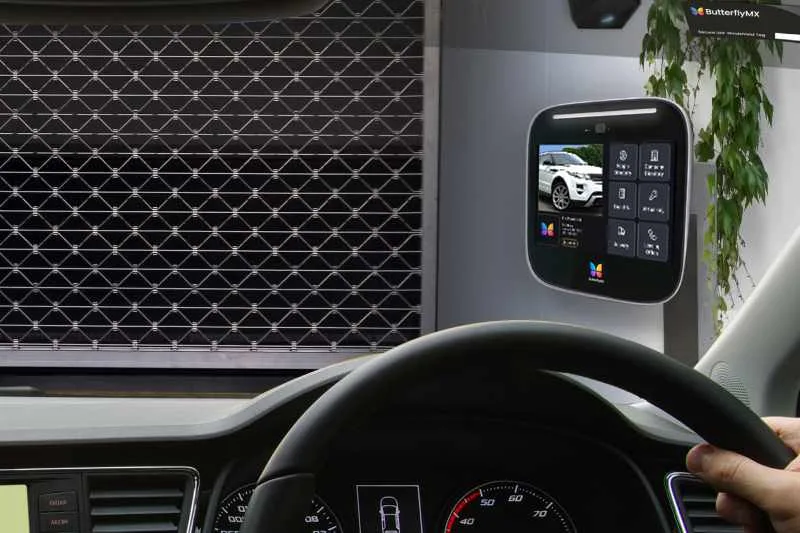
If you manage a multi-tenant storage or indoor warehouse facility, a basic entrance setup can quickly become hard to control. Tenants need reliable access, visitors and customers may arrive when staff are unavailable, and delivery drivers or vendors often need entry without a front desk coordinating every request.
Access control for multi-tenant storage facility operations helps you manage tenant, visitor, delivery, and vendor access without relying on shared keys or constant staff involvement. The strongest setups give each user a clear way to enter, support remote access workflows, and create a record of who entered, when, and how.
If you are comparing keypads, app-based access, fobs, keycards, or a video intercom, the key question is not just how people unlock the door. It is how your facility will handle daily access requests in a controlled, trackable way.
This guide covers:
- Access control built for multi-tenant storage facilities
- How access control works for tenants, visitors, and deliveries
- Managing delivery PIN codes and Visitor Passes
- What to compare before choosing a storage facility access control system
- How ButterflyMX supports access control for multi-tenant storage facilities
- FAQs
Access control built for multi-tenant storage facilities
Access control for a multi-tenant storage facility is the system you use to manage who can enter the property, specific entrances, and shared areas. In practice, that means supporting independent tenant entry while also handling visitors, deliveries, service vendors, and property staff in a more controlled way.
A shared entrance creates a different challenge in a multi-tenant building than it does in a single-occupant space. One tenant may be expecting a customer. Another may have a delivery arriving. A vendor may need temporary access for service work. Meanwhile, your team still needs visibility into entry activity across the property.
Why a shared entrance often creates access problems
A simple keypad can work for basic tenant entry, especially in smaller properties with limited traffic. But as more people use the same doors or gates, operators often need more accountability and flexibility than a shared code can provide.
For example, if several tenants use one common code, it becomes harder to know who entered at a certain time or whether a former employee should still have access. If a visitor arrives after hours, staff may end up fielding calls just to let someone in. If a delivery driver needs access, the property team may have to coordinate that manually.
Who needs access in daily operations
Most multi-tenant storage buildings are serving more than just tenants.
Your access system may need to support:
- Tenants entering during approved hours
- Tenant employees using assigned credentials
- Visitors or customers arriving at the main entrance
- Delivery drivers who need temporary access
- Vendors performing maintenance or service work
- Property staff managing doors, schedules, and permissions
The more varied these users are, the more important it becomes to use access control that supports specific workflows instead of a one-code-for-everyone approach.
How access control works for tenants, visitors, and deliveries
The best access workflows make routine entry easy for authorized users while giving operators more visibility and control. That usually means combining permanent credentials for tenants with remote or temporary access options for everyone else.
Tenant entry with keypads, fobs, keycards, or app-based access
Tenants and tenant employees can enter using assigned credentials such as a keypad code, key fob, keycard, or mobile app. Each option has tradeoffs. A keypad is familiar and simple. Fobs and keycards can be easy to distribute. App-based access can reduce the need to hand out physical credentials and can make updates easier when access needs change.
In a mini storage or indoor warehouse setting, the better choice depends on how your tenants use the property. If turnover is low and access needs are straightforward, a keypad may cover the basics. If you want more control over unique users, faster updates, and fewer shared credentials, connected access methods may be a better fit.
A practical example: instead of giving one business a shared code for all employees, you can assign unique credentials to approved users. If an employee leaves, your team can update that person’s access without changing entry for the whole tenant.
Remote visitor access with a video intercom
A video intercom for a storage building can help with one of the most common buyer questions: how can tenants let visitors in remotely? Instead of requiring staff to answer the door, a visitor can request access at the entrance and an authorized user can review and grant entry from their phone or another approved device.
This can support unattended entry workflows in properties that do not want to staff a reception area full time. For example, if a customer arrives to meet a tenant, the tenant can see who is at the door, speak with them, and allow access without walking to the entrance. That reduces routine interruptions for both tenants and property staff.
It is more accurate to think of a video intercom as a tool that can reduce front desk access coordination, not as a guaranteed replacement for on-site staff in every situation.
Managing delivery PIN codes and Visitor Passes
Not every person entering your facility needs the same level or duration of access. Temporary access tools are useful when someone needs to enter for a specific purpose without becoming a permanent user in the system.
Delivery PIN codes for storage facilities
Delivery PIN codes can help drivers access designated entry points for approved drop-offs. That can be useful when tenants receive shipments and your team does not want to manually coordinate each arrival.
For instance, a driver arrives with a scheduled delivery and uses a temporary code assigned for that purpose. The access event is then recorded in the system, giving your team a clearer record than a handwritten note or verbal confirmation.
This kind of workflow can help reduce repeated calls to the property manager while still keeping delivery access more controlled than an always-open door.
Visitor Passes for guests and vendors
Visitor Passes are useful when a tenant wants to grant short-term access to a guest, customer, or vendor. Rather than sharing a permanent credential, the user can send temporary access based on the visit.
That gives the visitor a clearer entry process and helps the property avoid unnecessary credential sharing. It is also easier for operators to understand why someone had access and whether that access should still be active.
A common example is a vendor arriving for service work after normal office hours. Instead of leaving the door unsecured or asking staff to wait on site, the property can issue temporary access tied to the job.
What to compare before choosing a storage facility access control system
If you are evaluating systems, start with your actual property workflow. The right setup depends on how many entrances you manage, how often visitors arrive, whether tenants need remote guest access, and how much visibility your team wants into entry activity.
Keypad-only access vs. connected access control
A keypad-only system may be enough if your facility has simple access needs and limited visitor traffic. It can be a practical option for straightforward tenant entry.
But many multi-tenant facilities need more than a code at the door. Connected access control can support remote management, unique user credentials, visitor workflows, and cloud-based records. That becomes especially useful when your team is managing multiple tenants, frequent deliveries, or after-hours access questions.
The decision point is not whether one method is universally better. It is whether your current or expected access volume requires more than basic entry.
Access logs and audit trails in a cloud dashboard
Cloud access logs for storage facilities can give operators a more usable record of entry activity. Depending on the system, your team may be able to review which credential or access method was used, when the event occurred, and which entrance was involved.
That matters in real situations. If a tenant asks whether a delivery arrived, if a vendor disputes arrival time, or if your team needs to review activity after an incident, an audit trail gives you a clearer starting point than manual notes or shared codes.
When comparing vendors, ask how access history is presented, who can review it, and how easily permissions can be updated as tenants and staff change.
Discover how ButterflyMX works:
How ButterflyMX supports access control for multi-tenant storage facilities
ButterflyMX helps operators manage access across tenant, visitor, delivery, and staff workflows from one cloud-based system. For a multi-tenant storage facility, that can mean less manual coordination at the entrance and more visibility into how people move through the property.
A connected system for everyday access workflows
ButterflyMX can support several access methods depending on your property needs, including video intercom access, keypads, fob or keycard readers, Visitor Passes, delivery PIN workflows, and cloud-based access logs.
These tools matter because they map to real day-to-day tasks. Tenants can use approved credentials to enter independently. Visitors can request entry through a video intercom. Delivery drivers can receive temporary access for authorized drop-offs. Property teams can manage permissions and review activity from a centralized dashboard instead of juggling separate systems or manual records.
For operators comparing keypad vs. app access for mini storage, or deciding whether they also need a video intercom, ButterflyMX can help you build a setup that fits your entrances, traffic patterns, and management workflow.
When it makes sense to talk with ButterflyMX
If you are trying to move beyond shared codes, reduce routine access coordination, or get clearer entry records across your building, it may be time to look at a more connected system. ButterflyMX is especially relevant for facilities that need to support both independent tenant access and temporary visitor or delivery access from the same platform.
It is worth reviewing your entrances, tenant access patterns, delivery volume, and reporting needs with an access control expert so you can choose a setup that fits the way your facility actually operates.
FAQs
What is access control for a multi-tenant storage facility?
It is a system that manages how tenants, visitors, vendors, delivery drivers, and staff enter a shared storage or indoor warehouse property. A stronger system does more than unlock a door. It also helps you assign credentials, support temporary access, and review entry activity.
How can tenants let visitors into a storage building remotely?
A video intercom can let visitors request access at the entrance and allow an authorized tenant or staff member to grant entry remotely. This can help reduce the need for someone to be physically present at the door for every visitor.
Can a video intercom replace a receptionist for a storage facility?
In some properties, it can reduce the amount of front desk access coordination needed for routine entry. But whether it replaces staffed coverage depends on your building layout, foot traffic patterns, and operational needs.
How do delivery PIN codes and Visitor Passes work?
They provide temporary access for specific users and purposes. A delivery driver may use a short-term code for an approved drop-off, while a guest or vendor may receive a Visitor Pass for a scheduled visit instead of a permanent credential.
What access logs should operators look for?
Look for a system that helps you review who accessed the property, when the access event happened, and which method or entrance was used. Clear audit trails are useful when answering tenant questions, reviewing incidents, or updating permissions.
Get your free quote!
Fill in the form below, and we'll email you right back.
Want a free quote?
Fill in the form below, and we'll email you right back.
You’ll be redirected shortly...