
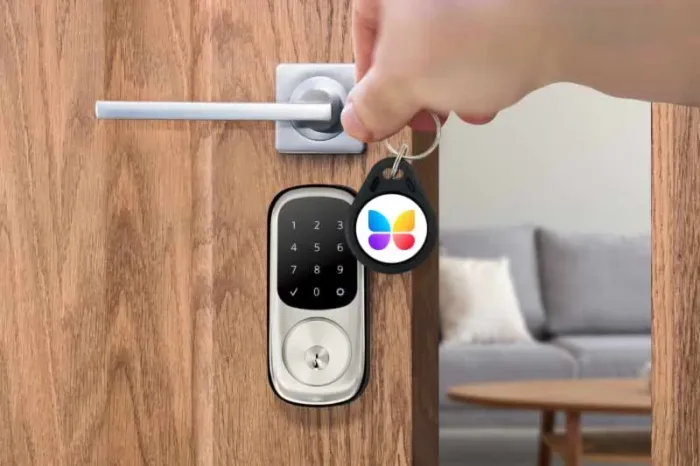





Key takeaways:
- Lead time for apartment smart locks in new construction depends on hardware availability, project scope, door readiness, and access planning.
- Developers and GCs should plan smart locks early to keep door hardware, network decisions, and installation sequencing aligned.
- Apartment smart locks work best when they support a broader condo access strategy, including building entry and visitor access.
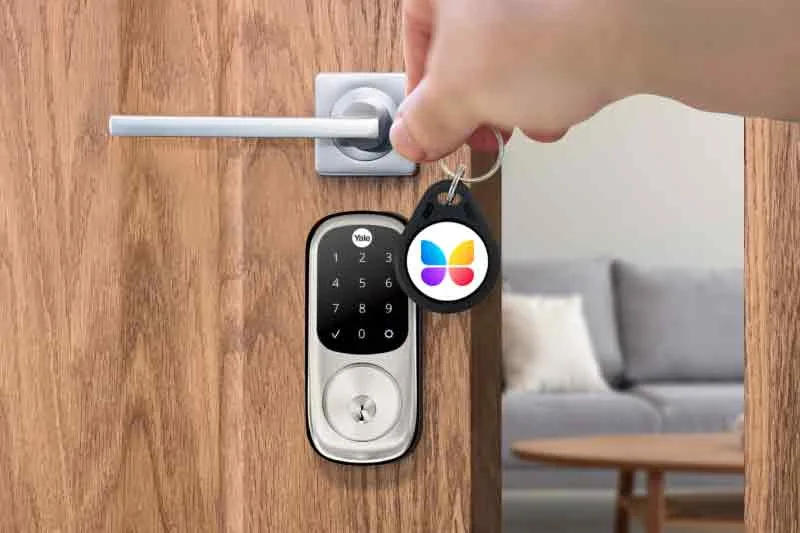
If you’re planning a new condo building, treating apartment smart locks like a late-stage finish item can create unnecessary schedule pressure. By the time doors go in, your team may already be finalizing hardware, coordinating low-voltage work, and managing turnover deadlines.
Lead time for installing apartment smart locks in new construction depends on several factors. These include vendor availability, hardware selection, project size, door readiness, access control design, and connectivity needs. That’s why developers and general contractors should start planning early. Ordering timelines should be confirmed before door packages, infrastructure decisions, and installation windows are finalized.
This guide explains when to order apartment smart locks, what affects installation timelines, and how to coordinate smart locks with the broader access strategy for a new condo building.
This guide covers:
- How long is the lead time for apartment smart locks in new construction?
- When to order apartment smart locks for a new condo building
- What affects the timeline to install apartment-level smart locks?
- WiFi vs. Bluetooth smart locks and lead time considerations
- How ButterflyMX helps teams plan smarter access for new condo buildings
- FAQs
How long is the lead time for apartment smart locks in new construction?
There is no single timeline that fits every condo project. Lead times vary based on lock type, unit count, vendor availability, door and hardware coordination, and any infrastructure needed to support the access control system.
For developers and GCs, the key point is simple: smart lock timing is not just about product delivery. Your team also needs time to confirm specifications, review compatibility, align delivery with construction milestones, and schedule installation without creating rework.
Why lead time varies by project
A 20-unit condo building and a 300-unit high-rise move on very different timelines. Larger projects often require more procurement coordination, phased delivery planning, and installer scheduling. Smaller projects can also face construction delays when teams make smart lock decisions after door packages or finish schedules are already underway.
Lead time also depends on how apartment smart locks fit into the rest of the building’s access plan. Your team may still need to decide how residents enter the building, how visitors gain access, and how credentials are issued at move-in. Those decisions can affect the apartment lock timeline, too.
A common scenario looks like this: a condo development team chooses apartment-level smart locks late in the project. Then, they discover that door prep, hardware details, or installation sequencing need another review.
That may not stop the project. But it can compress timelines for the GC, installer, and ownership team.
Why developers should not wait until turnover
Waiting until turnover to make smart lock decisions can add avoidable pressure. At that stage, your team may already be managing punch-list work, amenity readiness, resident move-ins, and final system testing. If apartment locks still need to be selected, ordered, or coordinated, the process can feel rushed.
That pressure shows up in practical ways. Staff may have less time to verify unit readiness. Installers may have to work within tight scheduling windows. Ownership teams may need to make infrastructure or workflow decisions quickly, with limited time to evaluate what works best for the building.
It’s usually easier to plan smart locks as part of the construction schedule than to add them after key hardware decisions have already closed.
When to order apartment smart locks for a new condo building
The safest approach is to start planning during design or preconstruction. Then, confirm ordering timelines well before the installation window. This gives your team time to coordinate smart locks with doors, hardware, access control, and network planning.
You do not need every detail finalized on day one. But smart locks should be part of the project planning conversation early enough to avoid last-minute substitutions or add-ons.
Planning during design and preconstruction
Early planning helps teams answer the questions that drive timeline risk. What type of apartment-level smart lock are you considering? How will it support the building’s entry experience? Will the property also use a video intercom, managed building entry, or visitor access workflows? Does the system require network planning that should be coordinated with other trades?
For example, a developer may know they want a more convenient resident access experience. But they may not know whether apartment smart locks should function as a standalone unit feature or as part of a broader access strategy. Discussing that early can help prevent changes after procurement decisions have already been made.
Preconstruction is also the right time to involve the right partners. Depending on the project, that may include the access control provider, door hardware team, low-voltage partner, installer, and ownership group.
The goal is not to overcomplicate the process. It’s to make sure the lock decision supports the schedule instead of disrupting it.
Ordering before installation windows are finalized
Ordering should follow the construction schedule. It should not be treated like a decorative finish package that can be addressed at the end.
Once your team understands the lock approach, confirms planning assumptions, and reviews how smart locks fit into the access system, it becomes easier to choose the right ordering window. That timing should support both delivery and installation.
A GC managing multiple trades needs more than product availability. They need confidence that delivery aligns with door readiness and labor availability. Ordering too late can mean the locks arrive after the project is ready for them. Ordering too early, without a clear schedule, can create storage, sequencing, or coordination issues.
That’s why it’s worth confirming timelines directly with your access control provider. Revisit those timelines as the construction schedule evolves. When major milestones shift, the smart lock plan may need to shift as well.
What affects the timeline to install apartment-level smart locks?
The timeline to install apartment-level smart locks has two parts: procurement and field readiness. A project can receive the product on time and still face delays if doors are not ready, hardware details remain unresolved, or access workflows have not been coordinated.
Planning for both parts gives developers and GCs a more realistic schedule.
Door and hardware readiness
Apartment smart lock systems must align with the actual door and hardware package. That means confirming compatibility, prep requirements, handing, finish expectations, and installation sequencing with qualified professionals.
This article is not a technical manual. But the planning point is clear: if the door and hardware package is still unsettled, the smart lock timeline may be unsettled, too.
One common project risk is assuming locks can be added at the last minute without checking how they fit into the broader opening package. If the lock choice changes after submittals, hardware approvals, or procurement milestones, your team may need extra coordination. That can affect both time and labor.
In a condo building with many unit doors, small coordination issues can multiply quickly. What seems manageable on one opening can become a building-wide scheduling issue when repeated across every residence.
Access control and building entry coordination
Apartment smart locks should be planned alongside the building’s front-door experience. Residents do not think about access in isolated pieces. They think about arriving home, welcoming guests, letting in service providers, and moving through the property with less friction.
That means the apartment lock decision often connects to other planning questions. These may include building entry, video intercom workflows, credential management, and visitor access.
For example, a condo owner may be able to unlock their unit with a smart lock. But if the building still has a confusing guest entry process, the overall access experience can feel incomplete.
Coordination also matters for operations. Ownership and management teams need a clear process for resident onboarding, move-ins, vendor access, and access updates after close. When teams consider these workflows early, they can make better product and timing decisions.
WiFi vs. Bluetooth smart locks and lead time considerations
Connectivity can affect planning, but it should not drive the entire conversation. The real question is not whether WiFi or Bluetooth is always better. The real question is what your chosen lock system requires, and how those requirements affect the building schedule, infrastructure scope, and long-term operations.
Do apartment smart locks require building-wide WiFi?
Not all apartment smart locks use the same connectivity setup. Some systems may rely on WiFi. Others may use Bluetooth or a different architecture. The right approach depends on the product, the desired resident experience, and the building’s access control design.
That’s why developers should confirm connectivity requirements before finalizing network plans. If a team assumes building-wide WiFi is not needed, then later learns the selected system requires more infrastructure coordination, the schedule can tighten quickly.
The opposite can also happen. Assuming every smart lock system needs the same network design may create unnecessary planning work.
The goal is to make the connectivity decision early enough to support the construction plan, not force a late revision.
Why connectivity decisions should happen early
Connectivity choices can affect several parts of the project at once. They may influence low-voltage coordination, installer readiness, resident onboarding, and how the property manages access after opening.
Consider a developer comparing two smart lock options for a condo building. One may fit easily into the planned infrastructure. Another may require more coordination before the property is ready. Both options may work, but their schedule impact could be very different.
Early review also helps ownership understand the operating model. If the future management team wants easier credential management, better visibility into access activity, or a smoother resident handoff process, those goals should shape the smart lock discussion from the start.
Discover how ButterflyMX works:
How ButterflyMX helps teams plan smarter access for new condo buildings
Apartment-level smart locks are only one part of the resident access experience. In a new condo building, your team also needs to think about building entry, visitor access, staff permissions, deliveries, and how the full access workflow will function after turnover.
That broader view is where early planning can help. Instead of evaluating apartment locks in isolation, developers and owners can look at how unit access, property access, and visitor management work together.
Apartment-level smart locks and video intercoms in one access strategy
ButterflyMX helps property teams plan access as a connected workflow. For a new condo building, that may include apartment-level smart locks for residents, video intercoms for guest entry, and access planning that supports staff, deliveries, and day-to-day operations.
This gives residents a more convenient way to move through the property. It also gives property teams a clearer process for onboarding new owners, updating permissions, and managing access as occupancy begins.
Looking at these needs together can lead to a more practical access plan than selecting products one by one at the end of construction.
ButterflyMX does not replace every part of a building system. Final requirements should always be reviewed with the right project partners. But for teams planning access in a new condo development, it helps to work with a provider that understands both unit-level access and building-wide entry workflows.
Talk to an access control expert before timelines get tight
If your team is still deciding when to order apartment smart locks, that is the right time to start the conversation. Early discussions can clarify planning assumptions, identify coordination points, and reduce the risk of late-stage changes.
That can be especially valuable when you’re balancing several moving parts, including door hardware, infrastructure planning, building entry, and turnover deadlines.
The earlier those conversations happen, the easier it is to build an access plan that supports the construction schedule.
FAQs
How far in advance should I order apartment smart locks for a building project?
Start planning during design or preconstruction. Then, confirm ordering timing well before installation windows are set. The right timeline depends on product availability, project scope, door coordination, and infrastructure requirements.
What factors can delay apartment smart lock installation in a new condo building?
Common causes include late product selection, unresolved door or hardware details, shifting construction milestones, installer scheduling conflicts, and unfinished access planning decisions.
Do apartment smart locks require WiFi or can they work through Bluetooth?
Requirements vary by system. Some apartment smart locks may use WiFi. Others may use Bluetooth or a different connectivity approach. Confirm requirements early so network planning stays aligned with the project schedule.
Should apartment smart locks be coordinated with building entry systems?
Yes. Apartment access works best when teams plan it alongside building entry, video intercom workflows, resident onboarding, and visitor access.
Is smart lock lead time only a procurement issue?
No. Ordering is only one part of the timeline. Developers and GCs also need to consider door readiness, hardware coordination, installation sequencing, and the access workflows the building will use after opening.
Get your free quote!
Fill in the form below, and we'll email you right back.
Want a free quote?
Fill in the form below, and we'll email you right back.
You’ll be redirected shortly...