




Key takeaways
- At a property with 125 registered vehicles, physical UHF windshield credentials can cost up to $1,500 upfront, plus replacements and administration.
- Programming and issuing 125 physical vehicle credentials at five minutes each could represent up to 10 hours of staff time.
- ButterflyMX License Plate Recognition turns an authorized vehicle’s license plate into a hands-free access credential, eliminating the need for a separate windshield tag, fob, or remote in LPR-enabled workflows.
- Property teams can search vehicle access events and review associated video for greater context when investigating an entry.
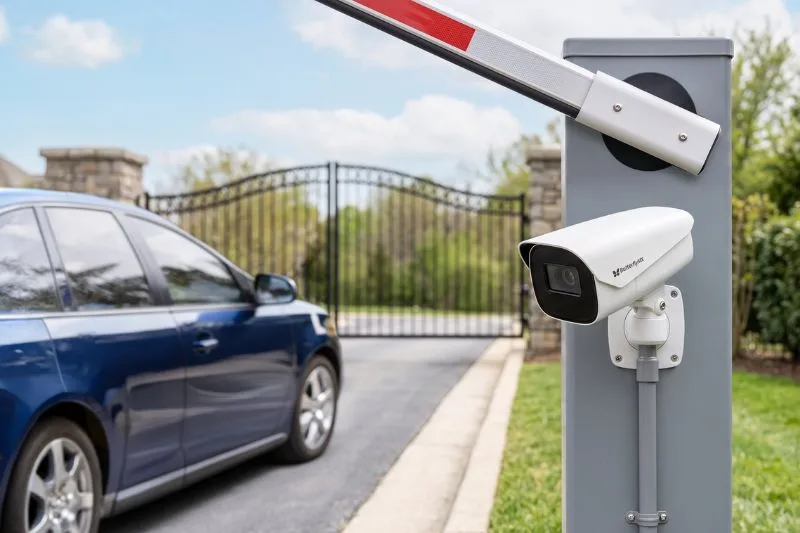
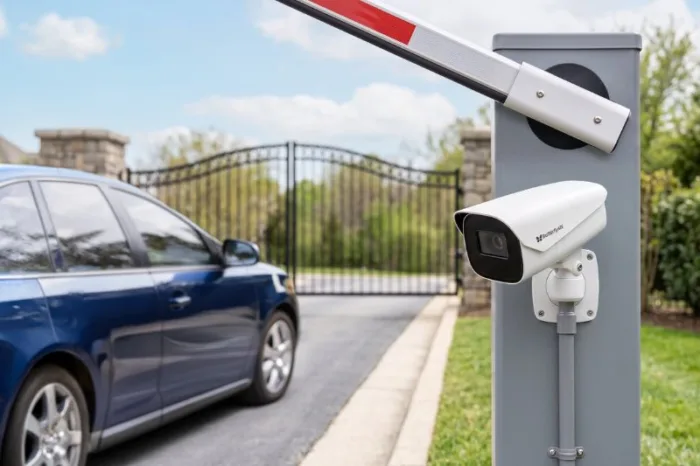
ButterflyMX License Plate Recognition (LPR) gives properties another option to avoid issuing expensive and time-consuming windshield tags, fobs, or remotes; the vehicle’s existing license plate becomes its access credential.
For a gated community with 125 registered vehicles, issuing a physical vehicle credential for every vehicle can cost between $675 and $1,500 in upfront credential purchases, before accounting for replacements or the staff time required to manage them.
The administrative work adds up, too. Assuming it takes five minutes to program and issue each credential, enrolling 125 vehicles represents approximately 10 hours of staff time.
When an authorized vehicle approaches a connected gate or garage, LPR recognizes the plate and automatically triggers access. Property teams get hands-free vehicle access with fewer physical credentials to purchase and manage, plus searchable access records with associated video for increased property safety.
Navigate this post:
- What is ButterflyMX License Plate Recognition?
- How License Plate Recognition reduces vehicle access costs and administration
- How much could License Plate Recognition help your property avoid?
- How License Plate Recognition works
- Resident and visitor vehicle access
- License Plate Recognition vs. Vehicle Reader
- Camera compatibility and site requirements
Discover how ButterflyMX License Plate Recognition works:
What is ButterflyMX License Plate Recognition?
ButterflyMX License Plate Recognition is a vehicle access solution that recognizes an authorized vehicle’s license plate and automatically opens a connected gate or garage as the vehicle approaches.
Powered by the ButterflyMX AI Camera Gateway, LPR turns the plate already attached to the vehicle into a hands-free access credential.
That means properties using LPR do not have to issue a separate physical credential to every authorized vehicle. Instead, property teams register approved plates in ButterflyMX and manage vehicle access through the same cloud-based access and security platform they use for the rest of their property.
Each recognized vehicle entry is also linked to a searchable access record and video, giving property teams invaluable context when they need to review an entry event.
How License Plate Recognition reduces vehicle access costs and administration
Reduce physical vehicle credential purchases
Hands-free vehicle access has traditionally required properties to issue a separate credential, such as a windshield tag or remote, to every authorized vehicle.
Using a third-party UHF windshield credential benchmark of $5.40 to $12.59 per vehicle, 125 credentials represent approximately:
125 vehicles × $5.40 to $12.59 = $675 to $1,500 in physical credentials
And those costs rise as credentials are lost, damaged, replaced, or reassigned.
With LPR, the vehicle’s license plate serves as the credential instead, removing that per-vehicle physical credential expense in qualifying workflows.
Give property staff time back
Property teams also have to program credentials, associate them with the correct resident or employee, distribute them, troubleshoot issues, replace credentials, and deactivate them when access needs change.
At just five minutes per credential, initially programming and issuing credentials for 125 vehicles represents approximately 10 hours of wasted staff time.
LPR reduces that workload by removing the need for a separate physical credential.
Let residents manage their own vehicles
When enabled by property management, residents can add, edit, or remove their vehicle information directly in the ButterflyMX mobile app.
Instead of contacting property staff every time they replace a car or update a license plate, residents can keep their own vehicle information current.
Make visitor gate access as quick and easy as resident gate access
When creating a ButterflyMX Visitor Pass, residents can add their guest’s license plate. The visitor can then arrive at the property and receive pre-authorized hands-free vehicle access without stopping to enter a PIN, call a resident, or receive a separate credential.
Once the visitor’s authorization expires, the associated access expires too.
Connect vehicle access events with video
Property teams can search recognized vehicle entry events and review associated video clips to better understand what happened at a gate or garage.
Instead of relying only on a record showing that a transferable tag or remote was used, teams can review the exact vehicle associated with the event.
Reduce exposure to credential switching
Windshield tags, fobs, and remotes can easily be moved or transferred between vehicles.
A license plate is substantially less practical to move from one vehicle to another. By tying access more closely to the vehicle itself, LPR can reduce exposure to credential switching.
Discover how ButterflyMX works:
How much could License Plate Recognition help your property avoid?
Consider a gated community with 125 registered vehicles that would otherwise issue a paid UHF windshield credential to each vehicle.
Initial credential purchases:
Using a benchmark of $5.40 to $12.59 per physical credentials
125 credentials × $5.40 to $12.59 = approximately $675 to $1,500
Replacement credentials:
If approximately 10% of credentials are replaced or reissued each year:
12 credentials × $5.40 to $12.59 = approximately $65 to $150 per year
Staff time:
If programming and issuing each credential requires approximately five minutes:
125 credentials × 5 minutes = approximately 10 staff hours
Using a Bureau of Labor Statistics employer compensation benchmark of $43.53 per hour for the real estate and rental and leasing industry as of June 2026, those 10 hours represent approximately:
10 hours × $43.53 = approximately $435 in administrative capacity
A 10% annual reissue rate would require another approximately 1.5 staff hours, or roughly $65 in administrative capacity per year.
Put together, this illustrative property could save up to:$1,100 to $1,900 in first-year physical credential purchases and administrative capacity that LPR could avoid or redirect.
*These figures are illustrative estimates, not measured ButterflyMX customer results. Actual financial impact will vary by property, and these figures should not be interpreted as guaranteed savings or net ROI.
How License Plate Recognition works
License Plate Recognition works like this:
- An authorized vehicle is registered. Property management, or the resident (when enabled), adds the vehicle and license plate information to ButterflyMX.
- The vehicle approaches the property. A connected camera captures the approaching vehicle’s license plate at the designated gate or garage.
- ButterflyMX recognizes the plate. If the plate is authorized for that access point, the connected gate or garage automatically opens.
- The entry event is recorded. ButterflyMX creates a searchable vehicle access record with associated video for property teams to review.
Resident and visitor vehicle access
For residents, LPR creates a hands-free arrival experience. Residents drive up to the property garage or gate in an authorized vehicle. When the plate is recognized and has permission to enter, the connected gate or garage opens automatically.
If property management enables self-service vehicle management, residents can also add, update, and remove their vehicle information through the ButterflyMX mobile app.
Visitors receive a similar experience. When residents create a Visitor Pass, they can add their visitor’s license plate so the guest can be pre-authorized before arriving.
That means residents and their visitors can both receive hands-free vehicle access without property staff issuing temporary vehicle credentials, making visitor gate access as quick and easy as resident gate access.
License Plate Recognition vs. Vehicle Reader
License Plate Recognition expands the ButterflyMX Vehicle Access Control product line, but it doesn’t replace the Vehicle Reader.
The right technology for your property depends on the property’s entrance, lane geometry, sight lines, weather conditions, and access requirements.
License Plate Recognition is best suited for properties with:
- Designated vehicle entrances.
- Sufficient lane width for clear plate capture.
- Reliable and unobstructed camera views of approaching vehicles.
- A desire to reduce separate physical vehicle credentials in qualifying workflows.
Vehicle Reader is best suited for properties with:
- Entrances on narrow city streets.
- Tight turns or approaches that make clear plate capture difficult.
- Properties in locations where weather or environmental conditions frequently interfere with camera visibility.
- Site conditions better suited to an RFID-based credential.
With multiple vehicle access options, you can choose the approach that best matches your property’s needs.
Camera compatibility and site requirements
LPR is powered by ButterflyMX Camera Gateway 2.0 and requires a camera with a reliable view of approaching license plates.
The system is designed for compatibility with most third-party ONVIF-compliant IP cameras. However, ButterflyMX cameras are strongly recommended because they are specifically designed for use with the ButterflyMX platform and LPR workflow.
LPR is optimized for standard 6- to 8-character license plates, including most vanity and custom plates in that format.
Camera placement and environmental conditions matter. Rain, fog, snow, dirt, glare, poor lighting, obstructions, and difficult vehicle approaches may affect plate visibility. Properties can use Swipe-to-Open as a backup access method for situations where a plate cannot be reliably recognized.
Get your free quote!
Fill in the form below, and we'll email you right back.
Want a free quote?
Fill in the form below, and we'll email you right back.
You’ll be redirected shortly...