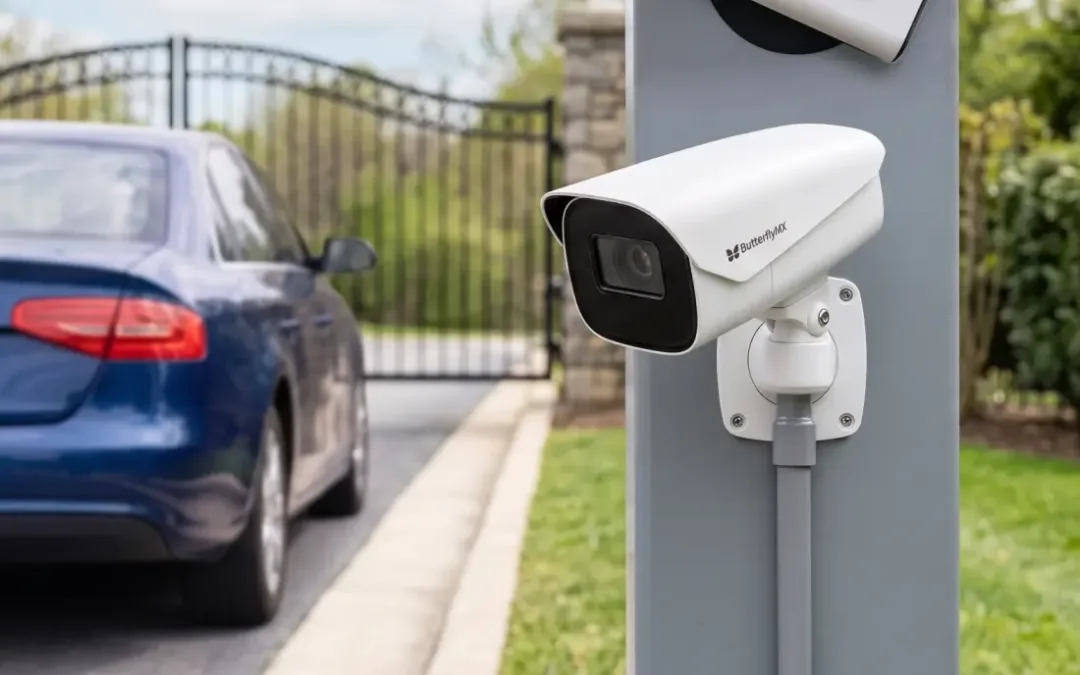
Key takeaways: LPR uses a camera and optical character recognition to match a license plate with an authorized record, while RFID reads an issued tag or transponder. Both systems authenticate a vehicle, not the driver, so apartments still need clear processes for... Read More
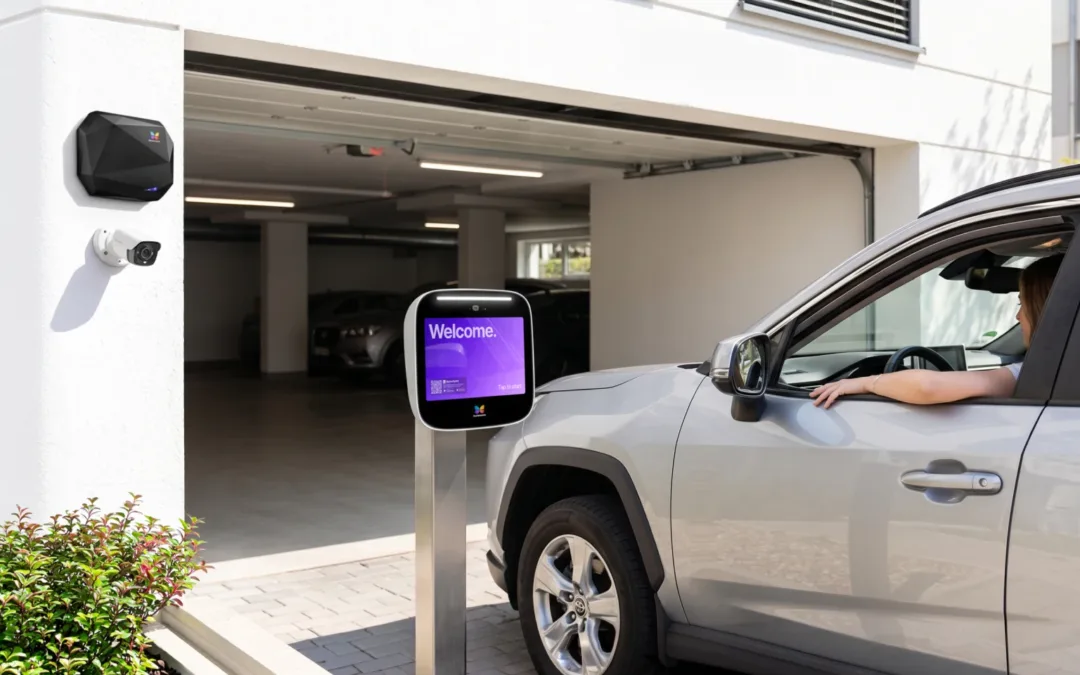
Key takeaways: Visitor vehicle access works best when permissions are temporary, time-bounded, and easy to revoke instead of shared or permanent. The right credential mix depends on the visitor: one-time guests, recurring guests, vendors, and delivery drivers often... Read More
Key takeaways: Kastle combines cloud access control, video surveillance, visitor management, professional installation, and ongoing monitoring in one managed security service. Kastle does not publish standard pricing; comparable-platform benchmarks of $20–$60 per door... Read More
Key takeaways: Multifamily access control is usually priced by controlled opening, so cost per unit only makes sense after you define which doors, gates, elevators, amenities, and unit entrances are included. Public planning estimates often fall between about $500 and... Read More
Key takeaways: Geokey became part of OneQuext on April 27, 2026, so buyers should ask how branding, support, and product plans will evolve. Geokey offers flexible lock and PMS integrations, but its app averages 1.5/5 from 618 App Store ratings and 1.7/5 from 171... Read More
Key takeaways: A laundry room access control system controls who can enter the room; it does not, by itself, manage washer payments, reservations, or machine operation. Shared PINs are simple, but individual cards, fobs, unique codes, or mobile credentials make... Read More