Key takeaways: LPR uses a camera and optical character recognition to match a license plate with an authorized record, while RFID reads an issued tag or transponder. Both systems authenticate a vehicle, not the driver, so apartments still need clear processes for... Read More
Key takeaways: Visitor vehicle access works best when permissions are temporary, time-bounded, and easy to revoke instead of shared or permanent. The right credential mix depends on the visitor: one-time guests, recurring guests, vendors, and delivery drivers often... Read More
Key takeaways At a property with 125 registered vehicles, physical UHF windshield credentials can cost up to $1,500 upfront, plus replacements and administration. Programming and issuing 125 physical vehicle credentials at five minutes each could represent up to 10... Read More
Key takeaways: Replacing RFID with license plate recognition makes the most sense when tag management has become a constant burden and your entrance lanes can support reliable plate reads. RFID and LPR both automate vehicle access, but they fail in different ways:... Read More
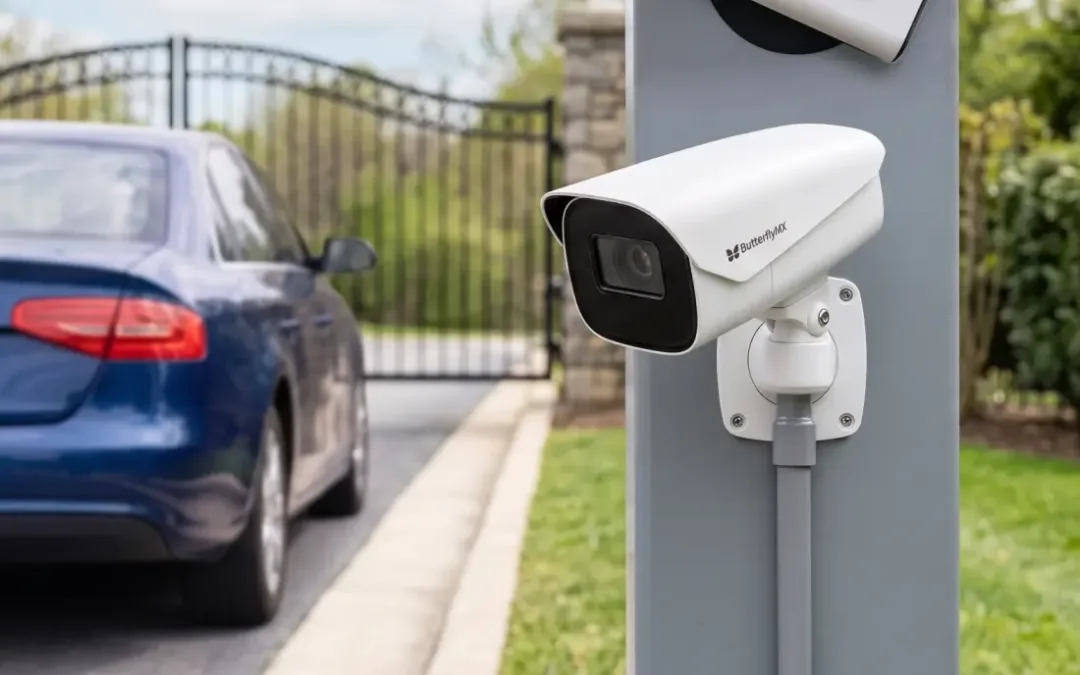
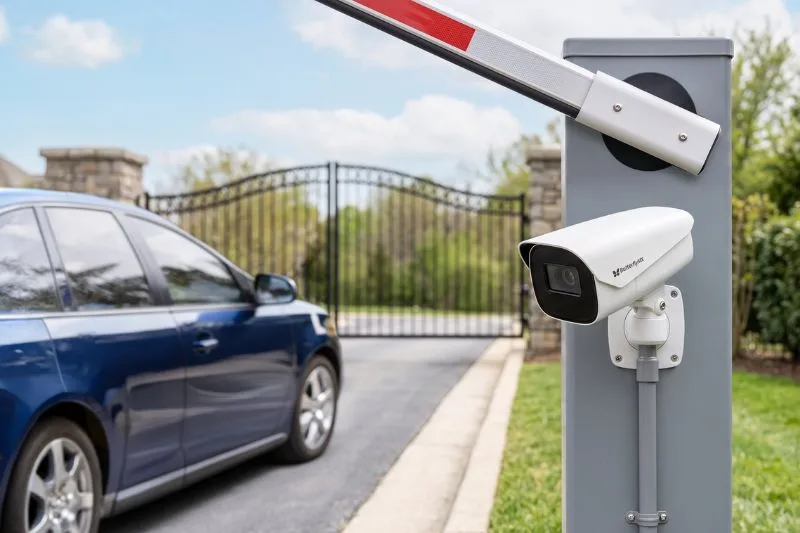
Key takeaways: A license plate recognition camera for an apartment garage can read plates, but gate access still depends on current vehicle records, permissions, controller integration, and a fallback process. Real-world LPR performance is site-dependent, so test the... Read More
Key takeaways: Calgary parkade access control works best when the system matches the property’s daily users, visitor needs, gate setup, and weather exposure. RFID, LPR, video intercom, mobile credentials, keypads, and hybrid systems solve different access... Read More