





Key takeaways:
- Calgary parkade access control works best when the system matches the property’s daily users, visitor needs, gate setup, and weather exposure.
- RFID, LPR, video intercom, mobile credentials, keypads, and hybrid systems solve different access problems, so the right choice depends on the use case.
- Residential, condo, and mixed-use parkades often need more than a gate device; visitor access, remote management, and building-wide integration can shape the final decision.
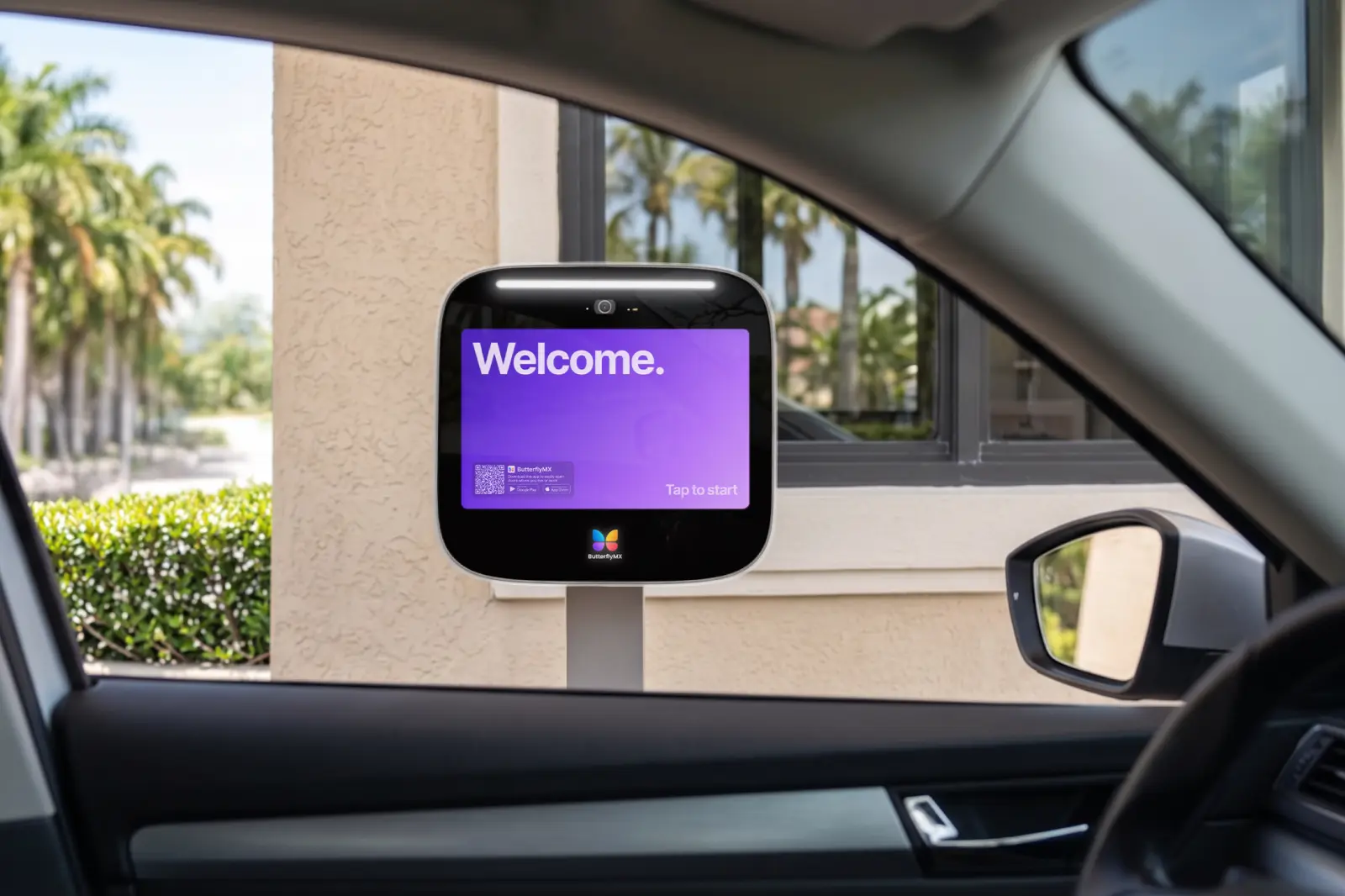
Choosing Calgary parkade access control usually starts with a practical problem: the current gate lets the wrong people in, frustrates the right people, or gives staff too much manual work. The fix is not always a full replacement, and it is not always the most advanced-looking technology. The better question is which parking access control methods will work for your residents, tenants, staff, visitors, and service providers at the actual entrance you have.
Parkade access control is the set of systems that limits entry to a controlled parking garage or underground parking area. A property may use RFID cards or fobs, windshield tags, license plate recognition, video intercoms, mobile credentials, keypads, telephone entry, and the controllers that signal a barrier gate or door to open.
In Calgary, the decision also has a local edge. Outdoor or semi-exposed readers, cameras, intercoms, pedestals, and gate equipment must be chosen with weather exposure, retrofit limits, and reliable visitor handling in mind. A good system should make daily entry simple without leaving guests, deliveries, contractors, or managers with a confusing process.
This guide will answer:
- What parkade access control is
- Types of parkade access control technologies
- How to choose the right system for your Calgary property
- RFID, LPR, video intercom, and mobile credentials compared
- Calgary-specific installation and operating considerations
- Visitor management for controlled parkades
- Integrating parkade access with building systems
- FAQs
Watch how ButterflyMX works:
What parkade access control is
Parkade access control is the system that allows approved vehicles, residents, staff, tenants, and visitors into a controlled parking area while keeping unauthorized traffic out. In Canadian usage, a parkade generally means a parking garage, so the term often applies to underground resident parking, secured commercial parking, or mixed-use garages with separate user groups.
The system is more than a gate arm. Parkade access control brings together credentials, readers, antennas, cameras, intercoms, controllers, management software, and barrier gates. A reader or intercom collects the access request, the controller checks whether that request is allowed, and the gate operator receives the signal to open when entry is approved.
That distinction matters when you are planning an upgrade. The access control system decides who should be allowed in. The mechanical gate operator physically opens and closes the entrance. Parking revenue control is different again; it covers paid public parking, ticketing, and fee collection. Some commercial sites need both access control and revenue control, but a condo, multifamily building, HOA, or mixed-use parkade usually starts with a different problem: how to give the right people dependable vehicle access without making visitors and staff work around the system.
Types of parkade access control technologies
Most Calgary parkade access control projects use one or more of a few core technologies. Each one handles identification, convenience, and visitor access differently, so the best fit depends on how the parkade is used.
RFID cards, fobs, and windshield tags
RFID parkade access uses a credential that is detected by a nearby reader. The credential may be a card, a fob, or a RFID vehicle tag. In some systems, the driver presents the credential close to a reader. In others, a longer-range tag can be read from farther away when the vehicle approaches the entrance.
After the reader detects the credential, it sends the information to an access controller. If the credential is valid, the controller triggers a relay or gate input so the barrier opens. RFID is popular for routine resident or tenant entry because it is familiar and usually fast. The tradeoff is credential management. Lost fobs, shared cards, move-outs, and replacements can create steady administrative work.
License plate recognition systems
License plate recognition, or LPR, uses a camera and software to identify a vehicle by its plate instead of by a physical credential. If the recognized plate matches an approved record, the system can trigger the gate.
LPR can be useful where regular drivers want a hands-free entry method or where a property wants to pre-register certain visitor vehicles. Still, it should be planned carefully. Plate recognition can be affected by snow, glare, dirt, plate condition, camera placement, and lane design. In Calgary, that means LPR should be evaluated as a site-specific system, not treated as equally reliable in every entrance condition.
Video intercom systems
A video intercom adds human verification to parkade entry. A visitor, delivery driver, or service provider can call a resident, staff member, concierge, or remote manager from the entrance. The person receiving the call can see or speak with the visitor and release the gate when entry is appropriate.
Video intercom is usually not the fastest choice as the only method for high-volume daily resident traffic. Its strength is visitor access and exception handling. It gives a property a controlled way to admit people who do not have permanent credentials. ButterflyMX fits naturally in this category because video intercom and smartphone-based access can support remote visitor verification and gate release for multifamily, condo, and mixed-use properties.
Mobile credentials and app-based access
Mobile credentials let approved users access the property with a smartphone instead of, or alongside, a card or fob. Depending on the system design, mobile access may work with gate controls, video intercom entry, or broader building access permissions.
The main advantage is that managers can update access without collecting and reissuing physical credentials every time a resident, tenant, staff member, or vendor changes. The limitation is adoption. Some users still prefer a fob or card, and a property may need backup options for people who do not use app-based access or arrive without a charged phone.
Keypads, telephone entry, and hybrid systems
Keypads and telephone entry systems still appear in many parkades, especially in older buildings and retrofit projects. They can support PIN entry or directory-based calling, but they may offer less flexibility than systems built around mobile access, video, and remote administration.
Many properties land on a hybrid system. A condo may use RFID or mobile credentials for residents, a video intercom for guests, and keypad access for certain vendors or backup entry. A mixed-use property may assign separate methods to residents, commercial tenants, staff, and service providers because each group enters for different reasons and at different times.
How to choose the right system for your Calgary property
The strongest system design starts with the people using the parkade, not with a product category. Before comparing vendors, map the access problem clearly.
- Define the property type and user mix. A multifamily building with residents, guests, delivery drivers, cleaners, and maintenance vendors has different needs from a commercial building with assigned tenant parking. Condos and HOAs may also need board or governance approval before changing access rules, credentials, or gate equipment.
- Separate daily entry from occasional entry. If most traffic comes from the same residents every day, fast credential-based access may be the priority. If visitors, deliveries, and contractors cause the most complaints, the visitor process may matter just as much as resident entry speed.
- Choose a visitor process before you choose hardware. A resident-heavy parkade can still feel broken if every guest has to guess how to get in. Video calls, temporary permissions, pre-registered guests, staff-assisted access, and keypad backup all create different levels of convenience and control.
- Review the existing gate and entrance. Barrier gates, gate operators, controller wiring, power, conduit, mounting locations, and lane geometry can all affect what is practical. Some properties can add new access controls to an existing gate operator. Others may need a larger replacement or entrance redesign.
- Consider Calgary weather exposure. Even an underground parkade can have readers, cameras, intercom stations, pedestals, or barrier arms exposed to cold, moisture, glare, and temperature swings. Hardware should be evaluated for the exact location where it will be installed.
- Decide how permissions will be managed. Cloud-based management can make it easier for staff to issue, revoke, or update access remotely, but it depends on reliable connectivity. Local or on-premise administration may fit some properties, but it can require more on-site management depending on the setup.
- Plan for integration. A stand-alone gate system may be enough for a simple property. But many apartments, condos, HOAs, and mixed-use sites benefit from aligning parkade access with building entrances, amenities, staff areas, and sometimes elevator permissions.
This is where ButterflyMX may be a practical fit. Properties that want mobile credentials, video visitor entry, remote access management, and closer coordination between vehicle access and building access can evaluate ButterflyMX as part of a wider property access plan rather than as a gate-only purchase.
RFID, LPR, video intercom, and mobile credentials compared
No single access method is right for every Calgary property. Some technologies are built for fast repeat entry. Others are better for verification, guest access, or easier administration. The table below compares the main tradeoffs.
The useful question is not which option is best in the abstract. It is which option fits each type of access. RFID often works well for routine resident entry because it is predictable. LPR can reduce driver friction, but it depends more on camera placement and site conditions. Video intercom is valuable when a person needs to make the access decision, especially for guests, deliveries, and vendors. Mobile credentials can reduce fob management, but they work best when residents and staff are ready to use them and the property has a backup plan.
Residential properties often need a combination. A parkade that is easy for residents but confusing for every visitor will still create complaints and staff calls. That is why many condos, apartments, and mixed-use buildings pair a fast resident credential with a separate visitor entry method.
Calgary-specific installation and operating considerations
Calgary properties should evaluate parkade access hardware as installed equipment, not just as a software feature list. A reader, camera, intercom, pedestal, controller, or barrier arm may sit where it faces cold, moisture, glare, vehicle exhaust, physical wear, and temperature swings. Those conditions affect the project long after the buying decision is made.
Weather exposure and equipment ratings
Weather-rated hardware matters because the access system only works if the field devices work when a vehicle arrives. Ask how each exposed component is intended to perform in outdoor or semi-exposed conditions, and confirm the manufacturer’s specifications for the exact installation environment. Avoid assuming that an entire technology category is winter-ready simply because one device in that category is ruggedized.
Gate compatibility and retrofit limits
Many parkade access upgrades happen around existing barrier gates and legacy entry devices. That makes compatibility a real planning issue. The new reader, intercom, keypad, or LPR camera may need to connect to the existing gate operator through a controller or relay. It also needs power, a safe mounting location, and a lane layout that lets drivers use the system without awkward positioning.
Retrofit planning should start at the entrance. If there is limited conduit, poor network access, tight vehicle clearance, or no practical place for a pedestal, the project may require more than swapping one device for another. In some cases, keeping the existing gate hardware is practical. In others, older equipment may limit the access methods that can be added cleanly.
Power, wiring, and connectivity
Every access method depends on infrastructure. Readers and intercoms need power. Controllers need a reliable path to the gate hardware. LPR cameras need thoughtful placement and communication. Cloud-managed systems depend on network or service connectivity, while locally managed systems still need a clear plan for administration and maintenance.
Connectivity can affect both budget and daily reliability. If the gate entrance is far from the building network, extending wiring may shape the installation scope. If staff want to manage credentials remotely, the property should confirm that the entrance location can support the chosen system’s connection needs.
Local support, code review, and maintenance planning
Parkade access sits between security technology and physical gate hardware, so support responsibilities should be clear. Property teams should know who maintains the gate operator, who supports the access devices, and who troubleshoots problems when a failure could involve both.
Projects may also raise building, fire egress, or privacy questions, especially when they involve major entrance changes, video, LPR, or life-safety-adjacent conditions. Treat those as items for qualified local review rather than assumptions. The point is not that every installation is complicated; it is that reliable parkade access depends on matching the system to the entrance, the property, and the rules that apply to the site.
Visitor management for controlled parkades
Visitor access is often where a controlled parkade succeeds or fails. Daily resident entry may work smoothly, but guests, deliveries, cleaners, contractors, and service vehicles still need a clear way to request entry without receiving permanent access.
Common visitor methods include:
- Video call verification, where a resident or staff member sees or speaks with the visitor and opens the gate remotely.
- Temporary credentials for approved short-term users such as contractors, cleaners, or recurring service providers.
- Guest registration for expected visitors or pre-approved vehicles.
- Staff-assisted access at properties with on-site management, concierge, or security support.
- Backup methods such as keypad codes or directory-based calling where the property still relies on older entry infrastructure.
The right method depends on the property. A condo with frequent guest parking may need residents to answer visitor calls from a smartphone so guests are not left waiting at the gate. A commercial property may care more about scheduled tenant and vendor access. A mixed-use site may need separate rules for residents, office users, deliveries, and service vehicles.
Video intercom works well in this part of the system because it creates a middle ground between open access and handing out too many credentials. Instead of issuing a fob to every occasional user, the property can approve entry case by case. ButterflyMX is especially relevant here because smartphone-based visitor management and remote gate release can help residents and staff handle guest access without walking to the parkade entrance.
Visitor planning should also account for tailgating, which happens when one vehicle follows another through the gate. No credential method removes that risk entirely. Clear resident policies, sensible lane design, and entry methods that reduce confusion at the gate can help limit rushed decisions that make tailgating more likely.
Integrating parkade access with building systems
A stand-alone gate system can be enough for a simple parkade. But many residential and mixed-use properties get better results when parkade access is planned with the rest of the building’s access control.
Integration can make permissions easier to understand and manage. A resident may use one access method for the garage, the lobby, and shared amenity areas. A staff member may have broader access. A vendor may receive limited or temporary access. In some properties, elevator controls may also be part of the broader access plan, although elevator systems themselves remain separate building systems.
The administrative benefit is simple: access changes are easier to manage when they are not scattered across unrelated systems. When someone moves out, changes roles, or no longer needs access, the property can align vehicle and building permissions more consistently. That is especially useful for condos, apartments, HOAs, and mixed-use properties with frequent turnover or several user groups.
Not every property needs deep integration. A small commercial site may only need controlled vehicle entry. A larger multifamily building may need mobile credentials, video visitor entry, main-door access, staff permissions, and elevator coordination to work together. The decision should come from the property’s actual access patterns, not from a desire to add complexity.
ButterflyMX fits this discussion when a property wants to connect visitor entry, mobile access, vehicle access, and broader building access administration. For multifamily and mixed-use buildings, that can be more useful than treating the parkade as an isolated gate problem.
Frequently asked questions
What is the best access control for a condo parkade?
The best condo parkade access control system is usually a hybrid setup that separates resident entry from visitor entry. Many condos use RFID or mobile credentials for routine resident access and video intercom or managed guest access for visitors, deliveries, and service providers.
How much does parkade access control cost in Calgary?
Parkade access control costs in Calgary vary by lane count, hardware, wiring, software, credential type, gate compatibility, and integration scope. When comparing proposals, look at the cost drivers behind the system rather than assuming one published price range applies to every property.
Can parkade access control work in Calgary’s cold weather?
Yes, parkade access control can work in Calgary’s climate when the equipment and installation match the entrance conditions. Confirm weather suitability for exposed readers, cameras, intercoms, pedestals, controllers, and gate hardware before choosing a system.
What is the difference between RFID and video intercom for parkade access?
RFID is mainly for fast credential-based entry by approved users, while video intercom is better for verifying visitors or exception cases. Many properties use both because resident entry and guest entry are different access problems.
Calgary parkade access control is not a one-device decision. The right system depends on who uses the parkade every day, how visitors get in, what the existing gate can support, how exposed the entrance equipment is, and whether parkade access should connect to the rest of the building.
For many condos, apartments, HOAs, and mixed-use properties, the best next step is to treat the parkade as part of a larger access plan. If you are evaluating video visitor entry, mobile credentials, remote management, or integrated building and vehicle access, talk to ButterflyMX about the right parkade access approach for your Calgary property.
Get your free quote!
Fill in the form below, and we'll email you right back.
Want a free quote?
Fill in the form below, and we'll email you right back.
You’ll be redirected shortly...