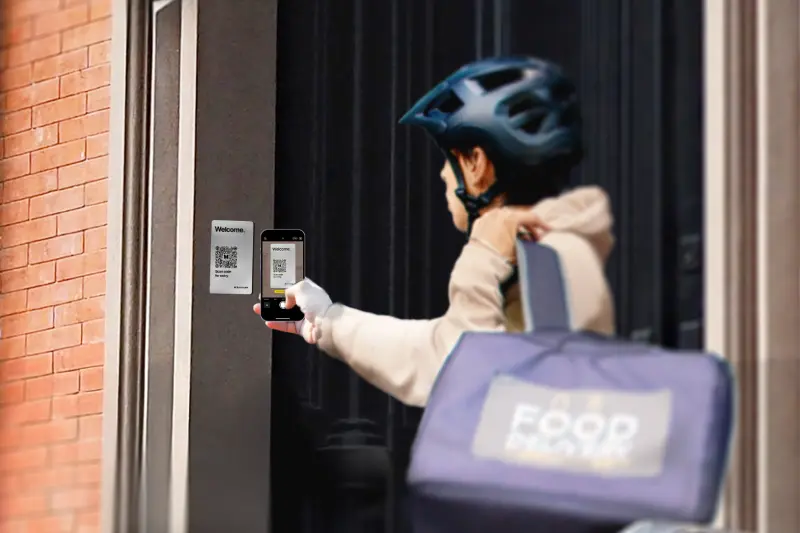
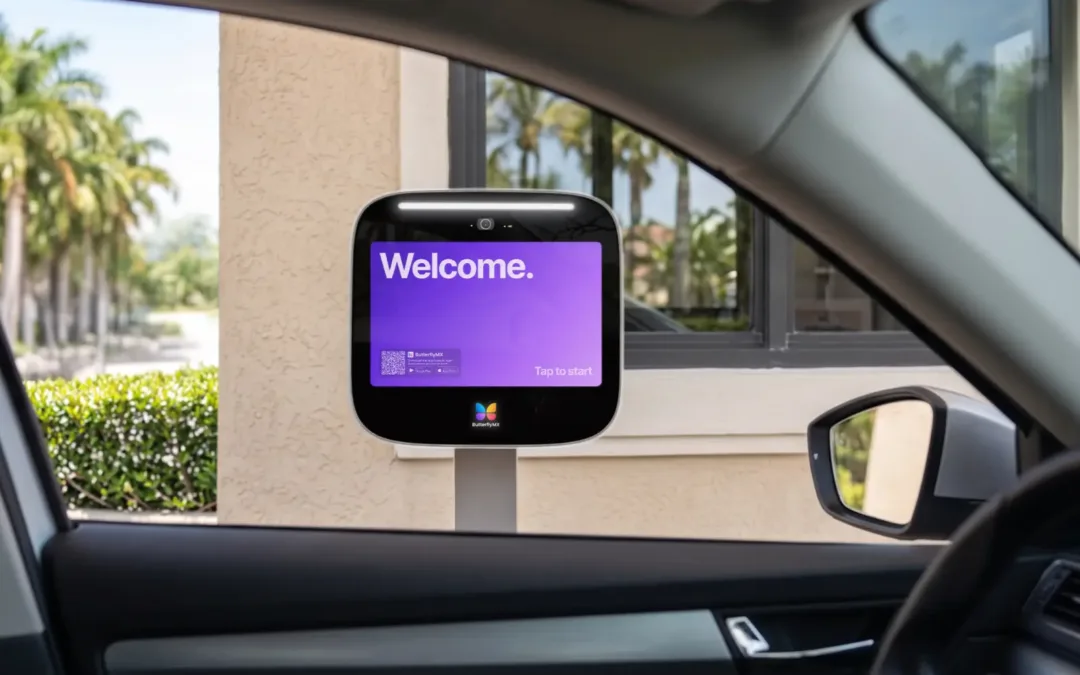
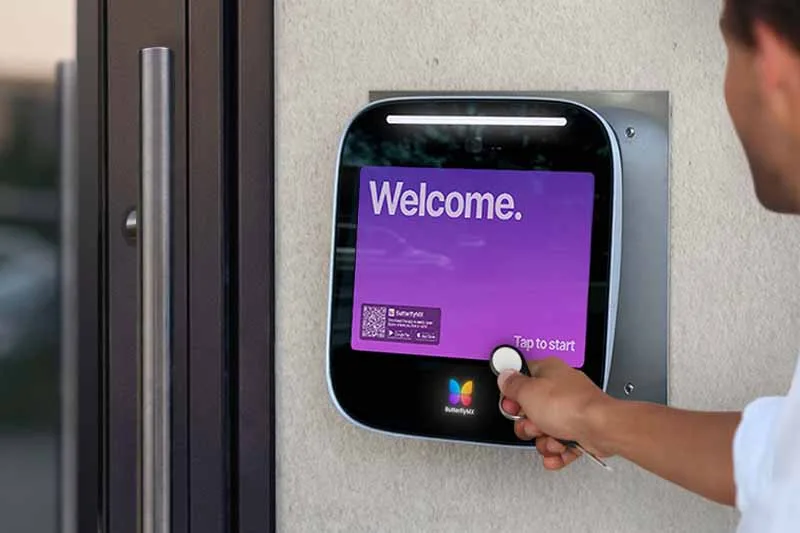
Key takeaways: A QR code intercom for an apartment walk-in gate lets visitors scan a mounted code, open a browser-based directory or calling screen, contact a resident, and request a remote gate unlock. Pedestrian gates should be evaluated separately from vehicle... Read More
Key takeaways At a property with 125 registered vehicles, physical UHF windshield credentials can cost up to $1,500 upfront, plus replacements and administration. Programming and issuing 125 physical vehicle credentials at five minutes each could represent up to 10... Read More
Key takeaways: PointCentral combines access control, smart-home automation, video, water, safety, and leasing tools with 30+ software integrations and support for 20+ hardware brands. PointCentral does not publish current pricing; a 2020 estimate of about $550 for... Read More
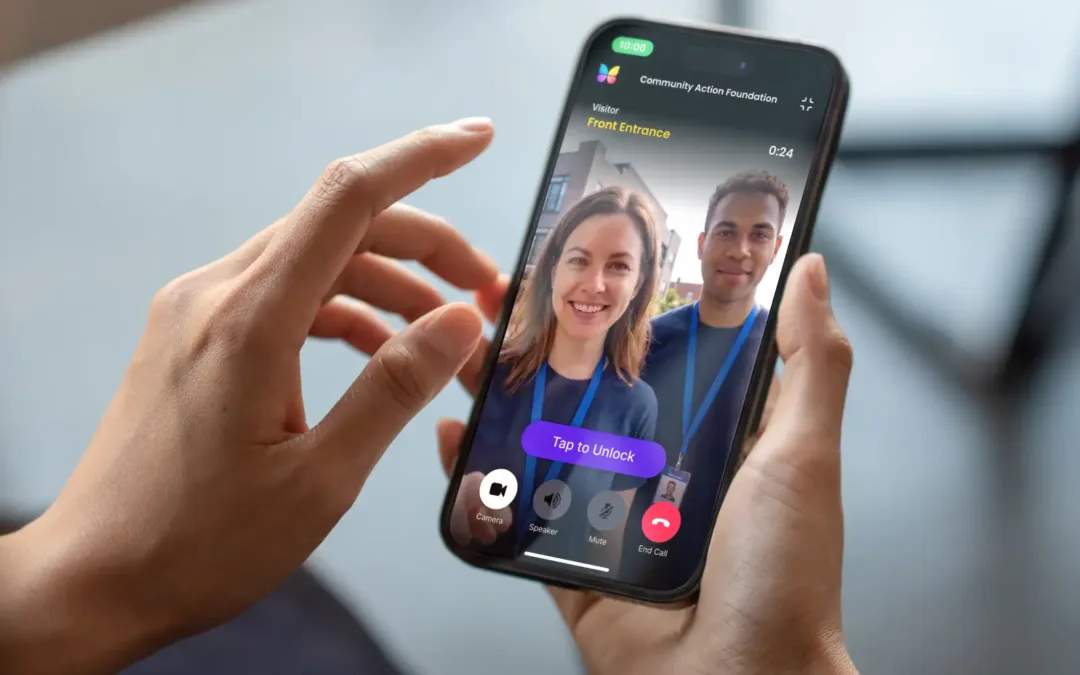
Key takeaways: Phone-based access control lets an authorized smartphone act as a digital credential within a larger system of readers, controllers, locks, management software, and access records. Mobile credentials can make issuing and revoking access easier, but... Read More
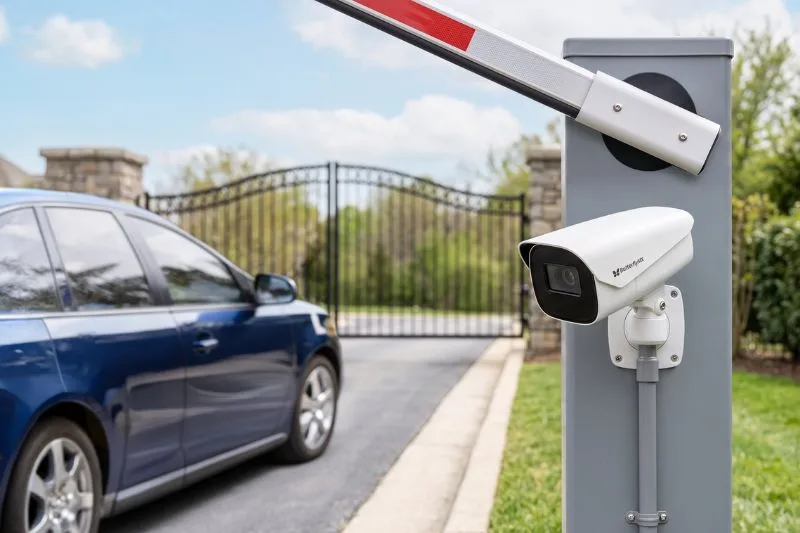
Key takeaways: Replacing RFID with license plate recognition makes the most sense when tag management has become a constant burden and your entrance lanes can support reliable plate reads. RFID and LPR both automate vehicle access, but they fail in different ways:... Read More
Key takeaways: An outdated apartment fob system is usually a system problem, not just a broken credential. Watch for weak security, manual updates, limited audit trails, poor integrations, and repeated entry issues. The best replacement path depends on your property’s... Read More