





Key takeaways:
- PIPA is the main privacy framework for Vancouver and BC strata access control, so access logs, visitor records, video footage, and credential data need a clear purpose, limited use, and controlled retention.
- Using key fobs, mobile credentials, and cameras for building security is different from using them to track resident movements or support broad bylaw enforcement, which creates much higher privacy risk.
- A privacy-conscious system depends on both policy and configuration, including a privacy officer, role-based record access, resident notice, retention settings, and a careful review of what data the system collects.
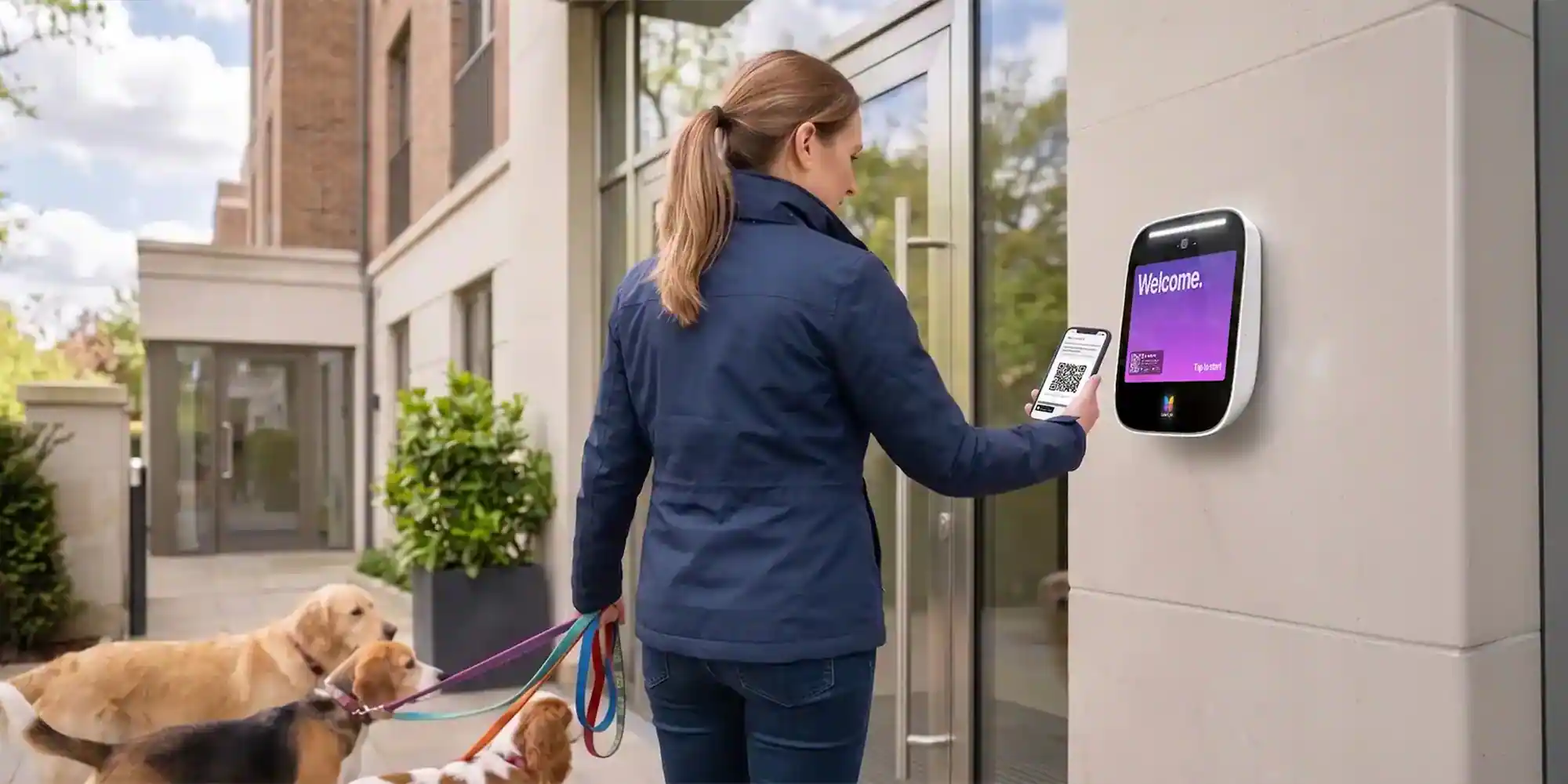
A Vancouver strata access control project can look simple at first: add fobs, mobile credentials, visitor access, cameras, or a video intercom so the building is easier to manage and more secure. But once the system starts recording who entered, when they entered, who visited, or who reviewed footage, it becomes a privacy issue too.
In British Columbia, the main framework for those questions is the Personal Information Protection Act, or PIPA. For strata councils and property managers, the practical rule is that access control data should be collected for a clear purpose, used only in ways that fit that purpose, disclosed carefully, and kept only as long as needed. The Strata Property Act may affect governance and records issues, but it does not replace the privacy analysis.
That balance matters because the same system that opens a lobby door can also create a record of resident movements, visitor activity, administrator decisions, and surveillance footage. This guide explains the privacy rules and practical operating choices that help a strata use access control system technology for security without collecting more information than it can justify.
This guide will answer:
- What privacy laws apply to strata access control in Vancouver
- Why strata corporations need a privacy officer
- What personal information access control systems collect
- Key fob and credential tracking rules
- Video surveillance privacy requirements for stratas
- Visitor management and privacy
- Data retention, disclosure, and destruction
- How to implement a privacy-conscious access control system
Watch how ButterflyMX works:
What privacy laws apply to strata access control in Vancouver
For most Vancouver strata access control privacy rules, the starting point is PIPA. Access control systems do more than unlock doors. They often create records about identifiable residents, staff, contractors, visitors, property managers, and council members. Once a strata collects, uses, discloses, retains, or destroys that information, privacy obligations become part of the operating plan.
The Strata Property Act also matters, but it serves a different role. It helps shape strata governance, records, council authority, and building operations. PIPA is the framework that addresses how personal information is handled. A strata record obligation does not automatically mean every access log, visitor record, or video clip can be viewed, shared, or kept without limits.
In access control, personal information is not limited to names and phone numbers. A credential ID, a timestamp showing entry into a parkade, an intercom call record, or a visitor log may all become personal information when the strata can connect the data to a specific person or unit.
- PIPA affects how a strata collects, uses, discloses, retains, and destroys personal information.
- Access control records can include fob assignments, mobile credentials, entry events, visitor records, intercom call history, video footage, and admin audit trails.
- The Office of the Information and Privacy Commissioner, or OIPC, is a key BC authority for privacy guidance and interpretation.
- Privacy questions are not limited to large high-rises. Smaller stratas can face the same basic issues if they collect personal information through access or surveillance tools.
Because legal outcomes can depend on the facts, this article is educational rather than legal advice. If a strata is facing a complaint, a dispute, a major policy change, or a sensitive monitoring decision, it should consider getting advice from a BC lawyer with strata or privacy experience.
Why strata corporations need a privacy officer
A strata needs a clear point of accountability for privacy decisions. In practice, that usually means naming a privacy officer or assigning a person to carry out that role. The role is especially important when access data is handled by several people, such as a council member, a property manager, a concierge, and a software vendor.
Without one responsible person, informal habits can take over. Footage may be shared too widely. Access logs may be checked out of curiosity. Visitor records may be kept longer than needed. A privacy officer helps turn privacy from a vague concern into a set of working rules.
The person serving in the role may vary by strata. It may be a council member, a manager, or another designated person, depending on how the strata is organized. The title matters less than the duties.
- Oversee the strata privacy policy and related procedures.
- Review what personal information access systems collect.
- Handle privacy questions, access requests, and complaints.
- Guide disclosure decisions involving council members, managers, vendors, or law enforcement.
- Review retention practices and secure destruction procedures.
- Help keep resident notices, signage, and privacy contact information current.
The privacy officer also connects policy to system settings. If the policy says visitor records should be limited, someone should confirm that the access platform, export permissions, administrator roles, and deletion practices actually support that rule.
What personal information access control systems collect
New and retrofit access control systems may collect several kinds of personal information, even when their main purpose is ordinary building entry. The practical question is whether the data identifies someone directly or can reasonably be linked back to an identifiable person.
Credential and access-event data
Credential data can include fob numbers, card IDs, mobile credential assignments, names tied to credentials, unit associations, and entry or exit timestamps. A fob number may look like a technical record, but if the strata can match it to a resident, staff member, or contractor, it belongs in the privacy analysis.
Video, audio, and intercom records
Cameras, video intercoms, and recorded visitor calls can capture images, voices, call history, and timestamps. These records often need tighter controls than a simple door event because they can reveal where someone was, who they were with, what they looked like, and sometimes what they said.
Visitor management records
Visitor management systems may store visitor names, phone numbers, unit numbers, arrival times, delivery access details, temporary PINs, or resident-created guest passes. Those records can be useful for controlled entry, but they should still be limited to what the strata needs for the stated access purpose.
Administrative logs and audit trails
Modern cloud-based access control systems often record administrator activity. An audit trail may show who created a credential, who changed a permission, who reviewed a record, or when footage was exported. These logs support accountability, but they are also part of the privacy picture because they identify staff, managers, vendors, or council members handling personal information.
More features often mean more data categories. A basic reader-and-fob setup may create simple entry records. A system with mobile access, visitor management, remote administration, and video intercom functions may create app invitations, temporary credentials, call logs, access events, and administrator records. That does not make modern systems inappropriate. It means the strata should review each data category before rollout and avoid collecting information simply because the system can.
Key fob and credential tracking rules
Stratas can generally use key fobs, cards, and mobile credentials to control authorized entry. The higher-risk issue is what happens to the data after the door opens. Granting access is one purpose. Tracking a resident’s movements around the property is a different and more sensitive use.
Access logs can become a form of movement surveillance when they are reviewed across lobby doors, parkade entrances, storage rooms, amenity spaces, elevators, and side entrances. A single log entry may be routine. A pattern of entries may show when someone leaves home, returns, receives guests, or uses shared areas.
That is why stratas should separate ordinary access control from secondary monitoring. Checking a log after a specific break-in or door-prop alarm is different from routinely reviewing resident movement patterns. Broad monitoring usually needs much stronger justification, tighter access limits, and careful source-backed review before a strata treats it as an acceptable practice.
Bylaw enforcement deserves the same caution. Access logs or footage may become relevant in a specific incident or dispute, but that does not mean a strata should build routine enforcement around broad resident monitoring. Councils should ask whether the use is tied to a defined security purpose, whether it is proportionate, who will be allowed to review the records, and whether a less intrusive approach could solve the same problem.
For modern access systems, the buying question is not just whether the platform records events. It is whether the strata can limit who sees those events, control exports, review administrator activity, and avoid collecting more detail than the property needs. Those controls help keep an access system from quietly becoming a resident-tracking system.
Video surveillance privacy requirements for stratas
Video surveillance in a strata should be limited, justified, disclosed, and controlled. Cameras may be appropriate for some building-security problems, but they are not a blank cheque to watch residents, visitors, or staff simply because the equipment is available.
A camera covering a parkade entrance after repeated security incidents raises a different privacy question than a camera aimed broadly at a place where residents have a stronger expectation of privacy. Purpose, placement, access, retention, and notice all affect whether the surveillance approach is reasonable.
- Use surveillance for a defined security purpose, not general curiosity or convenience.
- Place cameras where the stated problem exists and avoid unnecessarily broad views.
- Avoid coverage of sensitive areas or views into homes.
- Give clear notice through signage and resident communications.
- Limit who can view footage and document why access was needed.
- Keep footage only as long as reasonably necessary for the stated purpose.
- Delete or securely destroy footage when it is no longer needed.
Placement matters because a camera can collect more information than the strata intends. Lobbies, parkades, building entrances, and some amenity areas may be easier to justify than areas that reveal more private details of daily life. Even in common areas, a wide field of view can create unnecessary collection if a narrower view would address the security concern.
Retention also changes the risk. A system that records continuously but deletes footage quickly is different from one that stores video for long periods with little oversight. Some BC guidance is often described as favouring short video-retention periods, sometimes around 10 days, but stratas should treat any specific timeline as qualified guidance rather than a universal rule. The retention period should match the purpose, policy, and authoritative guidance the strata is relying on.
Viewing rights should also be narrow. Not every council member needs open-ended access to surveillance footage. A better practice is to use role-based permissions, document requests to review footage, and limit exports to defined situations such as incident investigation, insurance response, or a properly grounded disclosure request.
Visitor management and privacy
Visitor management often creates more privacy exposure than stratas expect. Guest entry can involve names, phone numbers, unit associations, temporary credentials, delivery records, intercom calls, and timestamps showing when access was requested, granted, or used.
The privacy principle is simple: collect what is necessary to manage entry and security, and avoid turning routine guest access into broad personal profiling. If the property only needs to connect a visitor to a resident or issue a temporary credential, it may not need to collect extensive identifying details.
What visitor systems often capture
- Visitor names or nicknames
- Phone numbers or app-based contact details
- Unit numbers or resident associations
- Temporary PINs, QR-style guest credentials, or access permissions
- Arrival and access-use timestamps
- Delivery or service-entry records
Why ID collection needs extra care
Some stratas may consider asking guests, contractors, or delivery workers for government ID or recording ID details. That kind of collection is more intrusive than issuing a visitor pass. It should not become routine unless the strata has a clearly supportable reason and authority for collecting it. If a building is considering that practice, tailored advice is prudent before making it standard.
Resident-managed guest entry can sometimes reduce privacy risk when it replaces informal paper logs, shared codes, or ad hoc notes at a front desk. For example, a resident may send a temporary Visitor Pass instead of asking staff to collect extra details. Even then, the strata should review what the system records, how long it keeps those records, and who can see them.
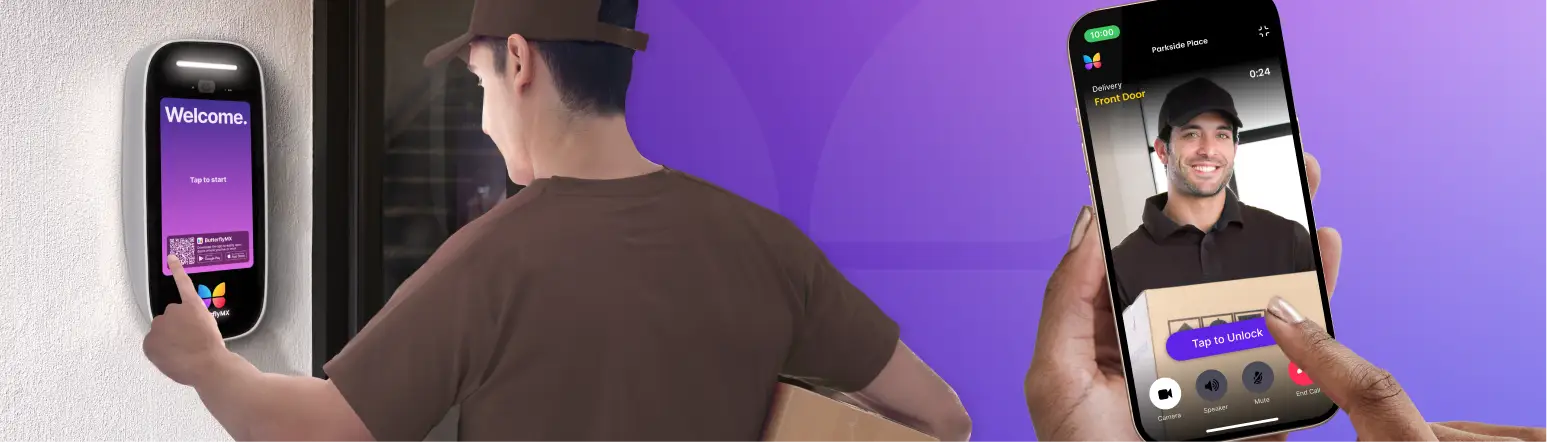
This is where ButterflyMX fits naturally into the discussion. Modern visitor access tools can help properties issue temporary access credentials, manage entry remotely, and reduce messy manual recordkeeping. Those features may support a cleaner privacy approach, but only when the strata also sets appropriate permissions, notice practices, and retention rules.
Data retention, disclosure, and destruction
Privacy obligations continue after data is collected. A strata needs rules for how long records remain in the system, who can see them, when they can be shared, and how they are deleted or destroyed.
The core retention principle is to keep personal information only as long as reasonably necessary for the purpose that justified collecting it. That usually points toward short, defined retention periods rather than indefinite storage. It also means different records may need different rules. Video footage, access logs, visitor records, and admin audit trails do not serve the same purpose or create the same privacy risk.
How retention issues show up in practice
Video footage may need a short rolling retention period. Access logs may need to be available long enough to investigate incidents or handle operational issues, but not long enough to create an unnecessary archive of resident movement. Visitor records may be useful for a brief access purpose and then lose their value. Audit trails may need separate handling because they support accountability for administrators and vendors.
Disclosure needs the same discipline. Personal information should be shared only with authorized people and for legitimate reasons. That may include a property manager administering credentials, a designated reviewer examining a specific incident, or law enforcement making a proper request. It does not mean unrestricted internal access simply because the data sits in a strata system.
Good practice usually includes documenting who requested access, why the request was made, what records were disclosed, and whether a less intrusive response was possible. That record can help the privacy officer and council show that disclosure decisions were purposeful rather than casual.
Destruction needs a process, not just a promise
Secure destruction may involve scheduled deletion settings, controlled export permissions, and procedures for removing copies that were downloaded for a legitimate purpose. If footage or logs can be exported to local devices, the privacy plan should address what happens to those copies too. Otherwise, the strata may delete the system record while copies remain in email, downloads folders, or contractor files.
When reviewing vendors, stratas should ask whether the system supports retention settings by record type, restricts administrator rights, logs exports, and avoids keeping unnecessary personal information after credentials or Visitor Passes expire.
How to implement a privacy-conscious access control system
A privacy-conscious access control system starts with purpose before technology. Stratas that buy hardware and software first may later discover that the system collects more data than expected, keeps it longer than planned, or gives too many people access to sensitive records.
- Define the security purpose clearly. Identify the real problem the system is meant to solve, such as controlling lobby entry, managing parkade access, or handling visitors more consistently. A vague goal like better oversight is not precise enough to guide privacy decisions.
- Map the data the system will create. List credential assignments, access events, visitor records, footage, call history, and admin audit trails. This turns privacy from an abstract concern into a concrete design question.
- Assess risk before rollout. A privacy impact assessment can help the strata consider what information is necessary, where over-collection could happen, who needs access, what notice residents need, and whether a less intrusive option is available.
- Set role-based permissions. Property managers, concierge staff, council members, and vendors should not all have the same visibility. Limit access to what each role needs and review those permissions regularly.
- Set retention rules inside the system. If the policy calls for short retention, the software should not default to indefinite storage. The same principle applies to expired credentials, visitor records, and exported footage.
- Align policies, bylaws, and resident notice. If the strata uses surveillance, visitor tools, or integrated entry systems, residents should understand what is collected, why it is collected, and who to contact with concerns. Where bylaw authorization or legal review is relevant, address it before disputes arise.
- Review vendor controls carefully. Ask whether the system can limit unnecessary collection, restrict exports, provide admin audit trails, support retention rules, and separate access for different user roles.
- Revisit the setup after launch. A lobby-entry system may later expand into visitor management, parkade access, amenity control, or integrated video review. Each added feature can change the privacy analysis.
What to look for in a modern system
The most useful modern features are not always the ones that collect the most data. In a strata privacy context, the better question is whether the system helps administrators control data responsibly. Useful criteria include role-based admin access, configurable retention settings, clear audit trails, remote credential management, and visitor tools that reduce improvised paper logs or shared entry codes.
ButterflyMX can be relevant at this stage because it supports managed-property access control with capabilities such as remote administration, visitor access, and audit visibility. Those features can help a strata align day-to-day administration with its privacy goals. They do not guarantee legal compliance, but they can give councils and managers more practical control over who can enter, who can manage access records, and how guest entry is handled.
Property type changes the implementation details
A high-rise may need tighter visitor handling, elevator or amenity access controls, and more formal administrator roles because more people use the system every day. A townhome or duplex strata may have fewer entry points but still face the same questions about cameras, parkade access, retention, and resident notice. Mixed-use stratas can be more complex because residential privacy expectations may overlap with different commercial access patterns.
Shared amenities and parkades deserve special attention. They are often the places where a useful security tool can drift into broad monitoring if the strata has not defined the purpose, access limits, and retention rules. More visibility is not always better. For strata access control compliance, better control is usually the more important feature.
Frequently asked questions
Does PIPA apply to BC strata access control systems?
Yes. PIPA can apply when a BC strata access control system collects, uses, discloses, or retains personal information. In practice, that can include access logs, video footage, visitor records, and credentials tied to identifiable residents, staff, contractors, or guests.
Can stratas use key fob data to track resident movements?
Generally, that should be treated as a high-risk use rather than ordinary access control. Using a credential to unlock a door is different from using access logs to monitor movement patterns across the property, which needs careful justification and narrow handling.
How long can stratas retain video surveillance footage?
Stratas should usually keep footage only for the shortest reasonable period needed for the stated purpose. Some BC guidance is often described as supporting short retention periods, sometimes around 10 days, but that should be treated as qualified guidance rather than an automatic rule for every situation.
Who can access surveillance footage in a strata?
Access should be limited to authorized people with a legitimate reason tied to the strata’s policy and purpose. That may include a manager or designated reviewer handling a specific incident, but it should not mean open-ended access for every council member or administrator.
Vancouver strata access control privacy rules come down to purpose, limits, and follow-through. A strata may have a sound reason to use key fobs, mobile credentials, visitor tools, intercoms, and cameras, but it still needs to know what information the system collects, why it is collected, who can see it, and when it will be deleted.
The best access control choice is not simply the one with the most features. It is the one that lets the strata match its security goals to clear permissions, limited retention, controlled disclosure, and practical administration. That is especially important when visitor access, video, mobile credentials, and audit trails all live inside the same operating environment.
Explore ButterflyMX to evaluate access technology designed for managed properties and learn how modern entry and visitor tools can support a more privacy-conscious approach.
Get your free quote!
Fill in the form below, and we'll email you right back.
Want a free quote?
Fill in the form below, and we'll email you right back.
You’ll be redirected shortly...