
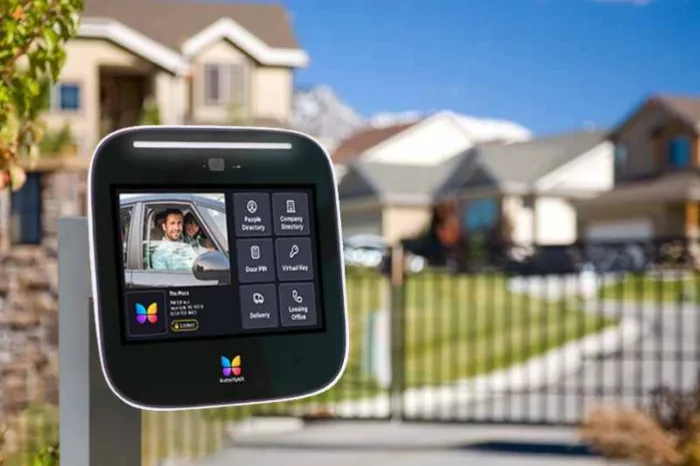





Key takeaways:
- RFID windshield tags can speed up resident vehicle entry and reduce how often drivers need to stop and enter a PIN at the gate.
- Most apartment communities still need another access method for visitors, vendors, staff, pedestrians, or backup entry.
- The best setup depends on gate traffic, credential management, reader placement, and how your property wants to handle non-resident access.
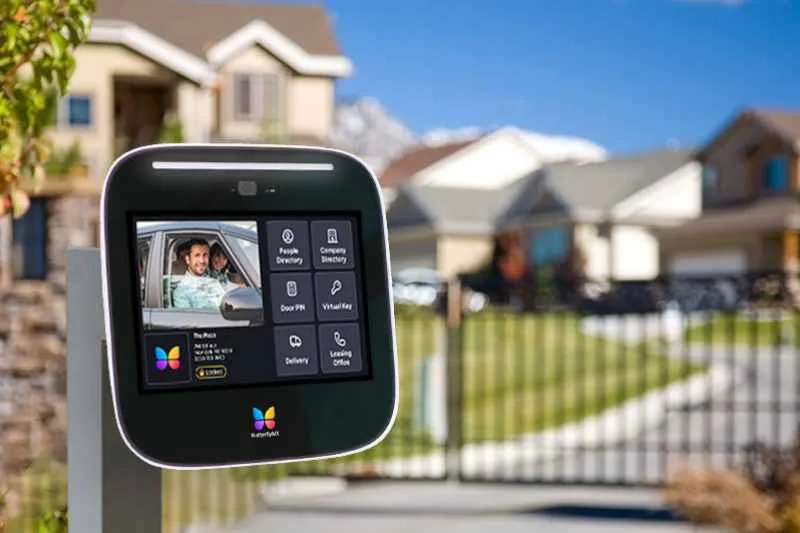
If your gate backs up at rush hour because residents are stopping to punch in codes or trying to get a clicker to work, you are probably asking a practical question, not a technical one: can RFID windshield tags make entry easier without creating new access problems?
In many cases, yes. RFID windshield tag gate access for apartment communities can streamline resident vehicle entry by letting authorized vehicles approach the gate, get recognized by a reader, and enter without the driver stopping to type a PIN. But that does not automatically mean you should remove every keypad or intercom on the property.
The better question is whether RFID vehicle access should replace keypad use for residents, supplement it, or work alongside other entry methods. That is the decision most multifamily teams need to make, especially when they are trying to reduce delays, resident complaints, and manual access management at the gate.
This guide covers:
- Can RFID windshield tags replace a gate keypad?
- How RFID windshield tag gate access works
- RFID tags vs. keypads vs. clickers
- What to consider before installing a vehicle reader
- How ButterflyMX supports vehicle access control
- FAQs

Can RFID windshield tags replace a gate keypad?
For authorized resident vehicles, they often can.
That is the short answer most property managers want. If your main problem is slow resident entry at the gate, RFID windshield tags can reduce or even replace keypad use for those drivers. A resident pulls up, the vehicle reader scans the authorized windshield tag, and the gate can open without the resident stopping to enter a code.
That matters most at communities where the gate creates friction every day. Think about evening arrivals at a 200-plus-unit property. Cars stack up while one resident types a code, another backs up to try again, and someone else cannot find a clicker. In that kind of workflow, hands-free access can improve traffic flow and reduce frustration.
When RFID windshield tags can reduce keypad use
RFID tags are especially useful when the same residents use the same vehicle entrance day after day. Instead of relying on shared PINs or devices that can be lost, you can assign a credential to a specific vehicle and manage that access more deliberately.
If you are evaluating whether to replace a gate keypad with an RFID reader, focus on the resident workflow first. How many vehicles enter during peak times? How often do residents complain about delays? How much staff time goes into resetting codes, handling lost remotes, or troubleshooting gate access complaints? Those are the signals that RFID vehicle access may be a better fit.
When a keypad or intercom may still be useful
Even if RFID tags work well for residents, many apartment communities still need another way to handle everyone else.
Visitors, vendors, delivery drivers, staff, and temporary users usually need a different workflow. Some properties keep a keypad, intercom, or mullion reader in place so non-residents can still request entry or use a separate credential. Others want a backup option in case a resident changes vehicles, forgets to display the tag correctly, or needs access before a credential is issued.
So the real decision is not always RFID tags or keypad. Often, it is RFID tags for resident vehicles plus another access method for the situations RFID tags do not cover on their own.
How RFID windshield tag gate access works
RFID windshield tag gate access for apartment communities is fairly simple from the resident perspective. A property assigns an authorized tag to a resident vehicle, the tag is placed on the windshield, and a vehicle reader at the gate is set up to detect that credential as the car approaches.
If the tag is active and the system is configured correctly, the gate can open without the driver rolling down a window or entering a PIN. For residents, that usually feels like a smoother arrival home, especially in bad weather, at night, or during busy entry periods.
What residents experience at the gate
The everyday workflow is the biggest reason communities consider this setup. A resident drives toward the entrance, the reader recognizes the authorized tag, and the gate responds. In many cases, that means the driver does not need to stop and interact with a keypad at all.
Will the gate open automatically without driver action? It can, if the reader, credential, gate access setup, and site conditions are all planned correctly. That is why buyers should think beyond the tag itself and look at how the full gate entry workflow will operate on the property.
What property teams manage behind the scenes
For staff, the work shifts from code management to credential management. Instead of updating shared PINs or replacing misplaced clickers, your team may be assigning tags, updating permissions, deactivating credentials when a resident moves out, and reviewing who should still have vehicle access.
That can create a more controlled process, especially at communities with frequent move-ins, move-outs, or multiple household vehicles. It also helps avoid the common problem of old codes continuing to circulate long after they should have been changed.
Still, RFID access is only as practical as the operating process behind it. If your property has a loose policy for vehicle records, tag distribution, or resident onboarding, the technology alone will not fix that. The access workflow needs to be managed clearly.
RFID tags vs. gate keypads vs. clickers
Each option solves a different part of the gate access problem, which is why many communities end up using more than one.
Where RFID windshield tags are strongest
RFID windshield tags are a strong fit for resident vehicle access because they reduce friction at the point of entry. Residents do not need to remember a code, reach for a remote, or stop at the reader if the system is designed for drive-up recognition.
They can also support tighter credential control than a shared gate code. If one resident moves out, that specific vehicle credential can be updated or removed without forcing the entire community to learn a new PIN.
For multifamily teams focused on resident experience, this is often the biggest advantage: smoother gate entry during the times of day when traffic is heaviest.
Where keypads and clickers may still fit
Keypads are familiar and flexible. They can work well for smaller communities, lower traffic entrances, or properties that need a simple way to let in a broad range of users. But they can also slow entry, especially when drivers have to stop, type carefully, or retry a code.
Clickers can be convenient, but they come with their own management issues. Devices get lost, batteries fail, and ownership can become murky over time if a property does not keep strong records.
That does not mean either option is outdated in every case. It means they may be less suited to communities where the main goal is faster, hands-free resident gate entry with clearer credential control.
A practical way to compare the options:
- RFID windshield tags: Best for repeat resident vehicle access and reducing stop-and-go entry.
- Keypads: Useful for broad access needs, temporary users, or as a backup method.
- Clickers: Familiar for drivers, but can create replacement and tracking issues over time.
The best choice depends on who enters the gate most often and where your current workflow breaks down.
What to consider before installing a vehicle reader
Before you request a bid, look at the property as an operating environment, not just a product list.
Gate layout, reader placement, and traffic flow
A vehicle reader for an apartment gate needs to fit the way cars actually move through the entrance. Reader placement, lane width, gate location, approach distance, and whether vehicles queue in a straight line or around a turn can all affect the resident experience.
For example, a property trying to reduce evening backups should think carefully about where cars stack before the gate and how quickly authorized vehicles need to be recognized. A reader that works in theory may not create a smoother workflow if the entrance design itself creates bottlenecks.
This is where your installer and access control provider should evaluate the site together. The goal is not just to add RFID. It is to make entry feel easier for residents without introducing confusion at the gate.
Connectivity, power, and system coordination
Vehicle readers also need to be planned around power, connectivity, and coordination with the gate access system and operator. Those are site-specific details, so they should be reviewed by qualified professionals rather than guessed during the buying process.
You should also think about operating policies. What happens when a resident gets a new car? How quickly can staff deactivate an old tag? What is the backup plan if a vendor arrives at the resident gate or a new move-in has not received a credential yet?
Those questions usually shape the final design just as much as the hardware does. Properties that plan for exceptions upfront tend to end up with a clearer, easier-to-manage access workflow.
Discover how ButterflyMX works:
How ButterflyMX supports vehicle access control
If your community wants to improve resident gate entry without losing flexibility, ButterflyMX can support a more complete vehicle access strategy.
ButterflyMX helps properties manage gate access control with tools that support vehicle readers, RFID windshield tags, intercoms, and other entry devices that may still be needed for visitors, staff, pedestrians, or backup access. That matters because most communities are not solving for one gate event. They are managing a mix of resident arrivals, guest access, vendor entry, and daily staff operations.
Building a better resident gate entry experience
For residents, the value is simple: easier vehicle entry at the moments that usually create the most frustration. If your current setup depends too heavily on slow PIN entry or unreliable remotes, RFID-based vehicle access can help reduce those recurring bottlenecks.
For property teams, the benefit is more operational. Staff can manage permissions from a centralized system, update credentials as occupancy changes, and maintain clearer visibility into how gate access is assigned across the community.
Choosing the right mix of gate access options
Many apartment communities will be best served by a blended setup. RFID windshield tags may handle everyday resident vehicle access, while an intercom, keypad, or mullion reader supports other users and edge cases.
That is a more realistic way to evaluate gate access. You are not choosing a single device in isolation. You are deciding how residents, visitors, vendors, and staff will move through the property with fewer delays and less manual work.
If you are comparing whether to replace or supplement your current gate keypad, ButterflyMX can help you evaluate the right vehicle access control approach for your layout, resident traffic, and access needs.
FAQs
Can RFID windshield tags fully replace gate keypads at apartment communities?
Sometimes for resident vehicle entry, but not always for the full property access workflow. Many communities still keep a keypad, intercom, or another credential option for visitors, vendors, staff, pedestrians, or backup access.
How does a vehicle reader identify an authorized car?
The system reads an RFID tag assigned to that vehicle and checks whether the credential is active. If the tag is authorized and the setup is configured properly, the gate can grant access.
Do residents need to stop and do anything at the gate?
In many cases, no. A properly planned RFID windshield tag setup can allow residents to approach the gate and have it open automatically, though actual performance depends on site layout, reader placement, and system configuration.
Are RFID windshield tags better than clickers?
They can be a better fit when your priority is hands-free resident entry and clearer credential management. Clickers are still useful in some settings, but they can be lost, shared, or harder to track over time.
What should a property manager review before making the switch?
Look at peak traffic patterns, resident vehicle volume, how non-residents will access the property, credential management policies, and how the reader will be coordinated with the gate and site layout. A qualified installer and access control provider should review those details together.
Get your free quote!
Fill in the form below, and we'll email you right back.
Want a free quote?
Fill in the form below, and we'll email you right back.
You’ll be redirected shortly...