





Key takeaways:
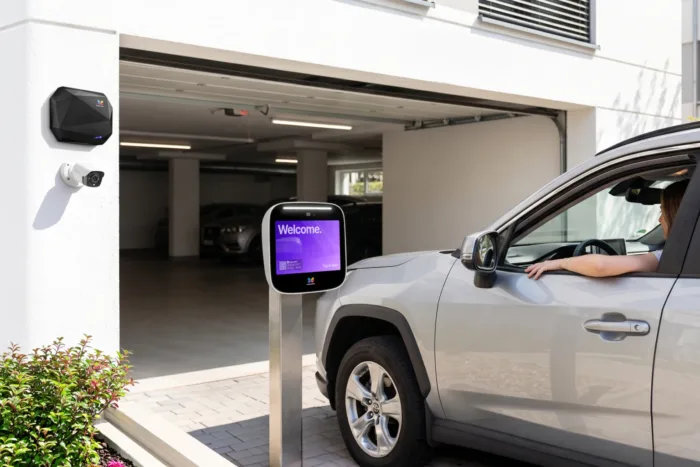
- A condo can replace an old garage barcode reader with a windshield tag vehicle reader or license plate recognition camera while planning for one access control platform across the garage, intercom, fob readers, and staff tools.
- Windshield tag readers use vehicle credentials, while license plate recognition relies on registered plates. The better fit depends on vehicle changes, visitor access, hardware placement, and privacy expectations.
- Before approving a garage access upgrade, condo boards should test how the system handles move-ins, move-outs, access revocation, visitor entry, and staff administration across every entry point.
If your condo still relies on an old garage barcode reader, replacing the device at the gate may seem like a straightforward hardware project. But for many buildings, the larger question is whether that replacement will leave staff managing garage access in one system and the building intercom, fobs, front desk activity, users, permissions, and access records somewhere else.
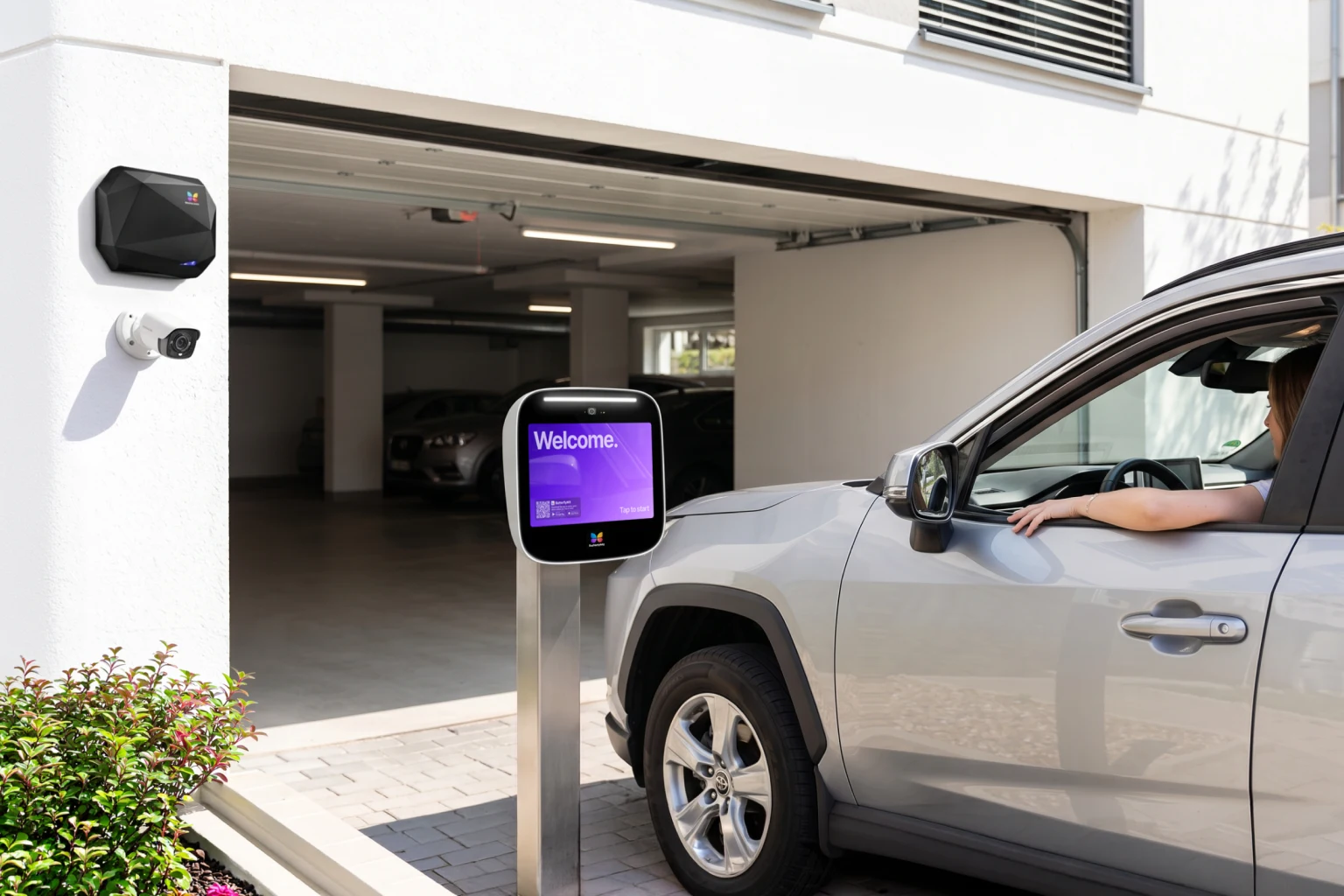
A condo can modernize garage access with a windshield tag vehicle reader or a license plate recognition camera while planning for a unified access control platform. The right choice depends on how residents enter the garage, how visitors and vendors get access, how staff add or remove credentials, and whether the garage gate can be managed alongside the front door and shared spaces.
That makes this less of a barcode-versus-reader decision and more of an access management decision. Before choosing new garage hardware, it helps to compare the replacement options and understand how each one affects resident vehicle access, intercom access, fob access, front desk support, and access revocation across the property.
Navigate this guide:
- Start with the real issue: replacing a garage reader without creating two systems
- Your main options for replacing a condo garage barcode reader
- Windshield tag vehicle reader vs. license plate recognition for condo garages
- How garage access should connect with the building intercom system
- Why two access control software platforms create problems for condos
- Condo board checklist for approving a garage access upgrade
- How ButterflyMX supports unified condo access workflows
- FAQs
Start with the real issue: replacing a garage reader without creating two systems
An old barcode garage reader often becomes frustrating because the rest of the building has changed around it. A mid-rise condominium may now have a front-door video intercom, fob readers for amenity spaces, staff at the front desk, and a garage gate still running on an aging barcode credential. If those entry points are managed separately, a simple garage upgrade can create more administrative work instead of less.
Condo garage access control is the combination of hardware, software, credentials, and staff procedures used to grant, deny, monitor, and manage vehicle access to a condominium garage or gated parking area. A garage barcode reader is one older way to do that. It identifies a vehicle or user through a barcode credential, often mounted on or presented from the vehicle.
So the first decision is not simply which new reader should replace the old one. It is whether the condo wants a like-for-like hardware swap or a more coordinated access control plan. A hardware-only replacement may restore garage entry, but it may not solve the larger problem if staff still manage garage credentials in one portal and intercom users or fobs in another.
What a unified condo access workflow should include
A unified access control platform centralizes users, credentials, permissions, and access activity across multiple entry points. In a condo, that may include the garage gate, front-door intercom, fob-controlled amenity rooms, staffed lobby, and shared service entrances.
Consider what happens when a resident moves into the building with one vehicle. Staff may need to add that resident to the intercom directory, issue a fob for common areas, authorize garage access, and later update the record if the resident changes cars. When those tasks live in different systems, staff have to repeat data entry and remember which permissions live where. When access is managed in a more unified way, the resident record becomes the center of the access decision.
That distinction matters because garage access is rarely isolated. Residents use the garage, visitors use the intercom, staff may help people through a front desk station, and fobs may control elevators, amenities, or side doors. Before choosing a garage reader, the property should understand how all of those entry points fit together.
Your main options for replacing a condo garage barcode reader
Once the condo has defined the larger access problem, the next question is which garage access method should replace the barcode reader. The three common paths are another barcode-based system, a windshield tag vehicle reader, or license plate recognition. Each can support vehicle entry, but each changes the day-to-day experience for residents and staff.
Option 1: Replace the barcode reader with another barcode-based system
Some properties consider another barcode reader because the process feels familiar. Residents already understand the credential, staff know how the garage currently operates, and the physical replacement may seem less disruptive than rethinking the entire access setup.
That path can make sense when the condo wants minimal change. However, it may preserve the very problem the board is trying to solve. If the replacement barcode system requires its own software, staff may still manage garage users separately from intercom users, fobs, and front desk tools. The property may also miss an opportunity to review how residents, visitors, vendors, and staff actually use the building today.
Option 2: Use a windshield tag vehicle reader
A windshield tag vehicle reader authorizes garage entry by detecting a credential associated with a vehicle, typically placed on or near the windshield depending on the system design. For condos that already manage assigned resident vehicles, this can feel like a natural modernization path because the credential remains tied to the vehicle rather than to a handheld device.
In practice, staff still need a clear process for issuing windshield tags, associating them with residents, replacing lost or damaged credentials, and removing access when a resident moves out. A windshield tag reader may be a good fit when the property wants controlled credential issuance and a straightforward way to manage approved resident vehicles.
Option 3: Use license plate recognition
License plate recognition, often shortened to LPR, is a camera-based vehicle identification method that reads registered license plates to help determine whether a vehicle is authorized for access. Instead of relying on a physical barcode or windshield tag, the access decision is connected to the plate registered for that resident vehicle.
LPR may appeal to condos that want a plate-based vehicle access process, but it is not automatically a direct swap for every barcode reader. The property should review resident vehicle registration, plate changes, guest vehicles, camera placement, lighting, access exceptions, privacy expectations, and administrative oversight. Because LPR can involve technical and policy considerations, condos should confirm feasibility with the provider, installer, and any appropriate legal or privacy professionals before making a decision.
Windshield tag vehicle reader vs. license plate recognition for condo garages
For many condo boards, the closest comparison is windshield tag vehicle reader versus license plate recognition. Both can support modern vehicle access, but they organize the access decision differently. A windshield tag reader identifies a credential attached to an approved vehicle. LPR identifies a registered license plate through a camera-based process.
That difference affects more than the device at the garage entrance. It changes how staff onboard residents, how they handle new cars, how they support exceptions, and what the board may need to resolve before approval.
Compare the two options across these criteria:
- Credential type: A windshield tag reader relies on a vehicle credential. LPR relies on a registered license plate.
- Resident onboarding: Windshield tags require issuing and tracking credentials. LPR requires collecting and maintaining accurate plate information.
- Vehicle changes: With windshield tags, staff may need to issue or transfer a credential. With LPR, staff may need to update the registered plate.
- Visitor handling: Both approaches need a plan for guests, vendors, temporary vehicles, and delivery access, especially when visitor entry is handled through the intercom or front desk.
- Implementation: Windshield tag readers and LPR cameras each require appropriate placement and coordination with existing garage access equipment. Qualified installers should review power, connectivity, mounting, and gate operator considerations.
- Privacy and governance: LPR may raise additional policy questions because it involves license plate data. Boards should review notice, data handling, retention, and applicable legal requirements with qualified professionals.
When a windshield tag reader may be a better fit
A windshield tag reader may fit condos with stable resident parking, controlled credential issuance, and a preference for a physical vehicle credential. If most residents keep the same car for long periods and the property already has a strong process for issuing fobs or other credentials, windshield tags may be easy for staff and residents to understand.
The tradeoff is that physical credentials still need management. If a resident changes vehicles, sells a car, loses a credential, or moves out, staff need a reliable process for updating or revoking the vehicle credential. This is where platform management matters. The reader at the gate is only one part of the decision; the software behind it determines how easily staff can maintain accurate access records.
When license plate recognition may be a better fit
LPR may fit condos that want vehicle access tied to registered plates instead of a separate tag. It may also appeal to boards that want to avoid issuing a physical vehicle credential to every resident vehicle. Still, the property should evaluate the real conditions at the garage entrance before assuming LPR is the better option.
For instance, a condo with frequent rental vehicles, residents who change plates often, or complex guest parking rules may need a more detailed exception process. Camera placement, lighting, and the physical approach to the gate also deserve review. LPR can be useful when the property is prepared to maintain plate records and address privacy expectations, but it should be selected with a clear administrative plan.
How garage access should connect with the building intercom system
A building intercom system helps residents or staff manage visitor access at doors, gates, or other controlled entrances. In a condo, the front-door video intercom and the garage access system may control different entry points, but they often serve the same residents and staff. That is why integration should be discussed in terms of users, permissions, credentials, and access activity, not only hardware.
Resident vehicle access is usually different from visitor entry. A resident approaching the garage may use a windshield tag or registered plate. A visitor at the front door may search for a resident in the intercom directory, start a video call, and receive access after the resident verifies them. A vendor may need temporary or staff-managed entry, while a staffed lobby may rely on a front desk station to help building personnel assist residents, visitors, or service providers.
Because those scenarios overlap, the board should move beyond a vague question such as whether the garage reader integrates with the intercom. A better question is whether staff can manage the people, credentials, permissions, and access records for the garage and intercom from the same access control platform.
Questions to ask vendors about platform consolidation
Vendor conversations become more useful when the condo asks about everyday administration rather than product labels. The right questions should reveal whether the garage upgrade will reduce duplicate work or create another portal for staff to maintain.
Ask each vendor these questions before approving a garage access system:
- Can garage users, intercom users, fob holders, and staff-managed access be managed from one platform?
- Are vehicle credentials, intercom permissions, and fob permissions connected to the same user record?
- Can staff revoke a former resident’s garage, intercom, and fob access through one process?
- What access activity can staff review for the garage gate, front door, and shared spaces?
- Which hardware is supported at the garage entrance, front door, lobby, and fob-controlled areas?
- What functions require a separate software portal, separate login, or separate vendor support process?
- How are visitors, vendors, temporary vehicles, and front desk exceptions handled?
How front desk and staff workflows fit in
Condos with lobby staff or concierge teams should also consider how front desk activity fits into the access plan. A front desk station can support staff-managed access tasks, such as assisting visitors, residents, vendors, or building personnel. It should not be treated as a replacement for the intercom or garage access method. Instead, it belongs in the same day-to-day access environment.
For example, a resident may enter the garage with an approved vehicle credential, walk into the lobby, and later ask the front desk for help with a visitor. If staff have to jump among disconnected systems to answer basic access questions, the garage upgrade has not solved the broader issue. The more entry points a condo has, the more important centralized user and credential management becomes.
Why two access control software platforms create problems for condos
Separate access control software platforms create problems because they separate information that staff need to manage together. A former resident does not just lose access to one place. They may have a garage credential, a fob, intercom permissions, and visitor access privileges. If those permissions live in different systems, staff have to remember to update each one.
That can lead to duplicate records, inconsistent access revocation, extra training, and fragmented access activity. It also makes troubleshooting harder. If a resident says their garage credential works but their intercom listing is wrong, staff need to know which system controls which permission and where the resident’s information may be out of date.
The resident move-in and move-out test
A practical way to evaluate any garage access upgrade is to run the resident move-in and move-out test. Ask how staff would add a new resident, authorize their vehicle, add them to the intercom directory, issue fob access, and support any front desk needs. Then ask how staff would remove every one of those permissions when the resident leaves.
If the answer involves multiple portals, duplicate records, or manual reminders, the condo may be creating administrative risk even if the new garage reader works well. If the answer shows a clear way to manage the resident across garage access, intercom access, and fob access, the platform is more likely to support the building’s real operating needs.
This test also helps boards compare vendors without getting lost in product terminology. The board can ask each provider to demonstrate the same resident scenario and then judge which process best matches the property’s staff capacity, access policies, and resident expectations.
Condo board checklist for approving a garage access upgrade
By the time a condo board is ready to approve a garage access upgrade, the discussion should be broader than barcode versus windshield tag versus LPR. The board should understand which entry points are involved, who uses them, how permissions change, and what staff will manage after installation.
Use this checklist to guide the approval conversation:
- Entry points: Confirm whether the project covers only the garage gate or also the front-door intercom, fob-controlled doors, amenities, service entrances, or the front desk.
- User groups: Identify residents, board members, property staff, vendors, delivery drivers, guests, and temporary vehicle users.
- Access method: Compare barcode credentials, windshield tags, license plate recognition, fobs, and intercom-based visitor entry based on the people and vehicles using each entrance.
- Software administration: Ask whether staff can manage users, credentials, permissions, and access activity from one access control platform.
- Resident experience: Review how residents enter the garage, change vehicles, report credential issues, invite visitors, and get staff help.
- Visitor and vendor access: Decide how non-resident access will work at the garage, front door, and staffed lobby.
- Privacy and governance: For LPR, review license plate data practices, notices, policies, and legal considerations with qualified professionals.
- Scalability: Consider whether the platform can support future entry points, additional buildings, or new access policies.
Implementation questions to answer before installation
Implementation planning should begin before the board signs off. Property managers should document the existing gate equipment, reader location, mounting conditions, power availability, network or connectivity needs, and any expected changes to the garage entrance. A qualified installer should review the physical site and confirm what the selected access method requires.
Staff should also plan the resident migration. That includes confirming current credential records, collecting vehicle or plate information when needed, communicating the change to residents, testing access before launch, and training staff on the new platform. If the property has front desk personnel, they should understand how to assist residents and visitors once the garage access system changes.
Electrical, gate operator, fire and life safety, code, privacy, and legal requirements can vary by property and jurisdiction. Condo boards should review those topics with qualified installers, local officials, manufacturers, legal professionals, or other appropriate specialists rather than relying on general guidance.
Discover how ButterflyMX works:
How ButterflyMX supports unified condo access workflows
ButterflyMX is a property access control company with products relevant to condo garage and building access, including vehicle readers, license plate recognition cameras, video intercoms, Front Desk Station, and fob readers. For condos replacing an old garage barcode reader, ButterflyMX can help frame the decision around the full access environment rather than one device at the gate.
That matters because a condo may need resident vehicle access at the garage, visitor entry through a video intercom, staff assistance at the front desk, and fob access for shared spaces. When a property evaluates those entry points together, it can better understand which garage access method fits its resident mix, staff capacity, and board priorities.
ButterflyMX should not be treated as a generic answer to every access question. The best next step is to review the property’s current garage reader, gate equipment, intercom, fob readers, staff responsibilities, and modernization goals with ButterflyMX or a qualified access control professional. That review can help determine whether a windshield tag vehicle reader, license plate recognition camera, or another access approach fits the condo’s needs.
When to talk to an access control expert
Talk to an access control expert when your condo has legacy garage hardware, multiple software portals, a front-door intercom, fob-controlled amenities, staffed lobby access, or board questions about LPR privacy and migration. These are the conditions where a simple reader replacement can become a broader access control decision.
An expert can help the board separate hardware questions from platform questions. The hardware determines how the garage opens for approved vehicles. The platform determines how staff manage the people, credentials, permissions, and access history behind that decision. When those pieces are evaluated together, the condo is better prepared to replace the old barcode reader without adding unnecessary administrative complexity.
Frequently asked questions
Can a condo garage reader work with a building intercom system?
Yes, a condo garage reader can be part of the same broader access control plan as a building intercom system, depending on the provider, hardware, and platform setup. The important question is whether staff can manage garage users, intercom permissions, fobs, and access activity from the same access control platform rather than using separate portals.
Is license plate recognition better than a windshield tag reader for condo garages?
License plate recognition is not automatically better than a windshield tag reader. LPR may be useful when the property wants plate-based vehicle identification, while windshield tags may fit condos that prefer controlled physical vehicle credentials. The best choice depends on resident vehicle patterns, guest access, administrative requirements, garage entrance conditions, privacy expectations, and installer guidance.
Do condo garage access systems require separate software?
Some garage access systems may require separate software, while others may be managed as part of a broader access control platform. Before choosing a system, ask whether garage credentials, intercom access, fob readers, front desk tools, users, permissions, and access records can be managed in one place.
What should a condo do before replacing an old barcode garage reader?
Before replacing an old barcode garage reader, document how the garage is currently used. Review resident vehicles, guest vehicles, staff access, vendors, delivery access if relevant, gate equipment, credential records, and how access is granted or revoked. Then compare replacement options based on both garage performance and building-wide access administration.
Can fob readers, garage access, and intercom access be managed together?
They can be managed together when the access control provider and selected products support centralized management for those entry points. Condo boards should ask vendors to demonstrate how a resident is added, updated, and removed across fob readers, garage access, and intercom access before approving a platform.
Get your free quote!
Fill in the form below, and we'll email you right back.
Want a free quote?
Fill in the form below, and we'll email you right back.
You’ll be redirected shortly...