





Key takeaways:
- Slow movement, inconsistent opening, unusual noise, and visible wear are common signs a residential vehicle gate is failing.
- Some gate problems are mechanical, while others come from access workflows such as credential errors, visitor confusion, or repeated manual overrides.
- Property teams should document symptoms, reduce risky use, and contact a qualified gate professional before the problem creates larger access disruptions.
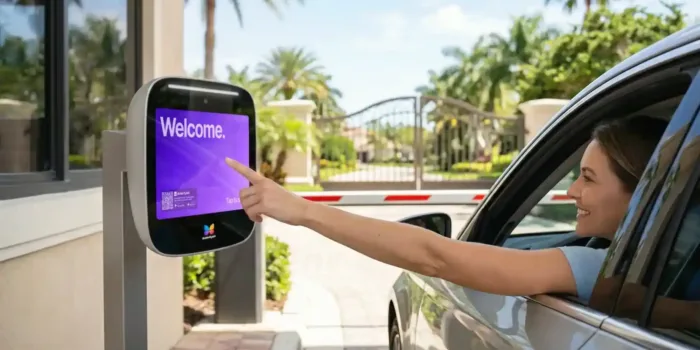
If residents are backing up at the entrance, visitors keep calling for help, or the gate sometimes stops halfway through a cycle, you need to know whether you are dealing with a small nuisance or a larger gate problem.
Signs a residential vehicle gate is failing often include slow or inconsistent opening, unusual noises, visible damage, frequent access errors, sensor issues, and gates that do not close reliably. If those problems keep happening, the safest next step is to document what you are seeing and bring in a qualified gate professional.
For HOAs, gated communities, and multifamily properties, an unreliable parking access control affects more than curb appeal. It can delay residents, frustrate guests, create extra work for staff, and leave important entry points less controlled than they should be.
This guide covers:
- What are the signs a residential vehicle gate is failing?
- Physical and operational warning signs to look for
- Access control issues that can look like gate failure
- What to do when a residential vehicle gate shows signs of failure
- How modern gate access control can reduce future disruptions
- FAQs

What are the signs a residential vehicle gate is failing?
The most common warning signs are easy to spot once you know what to watch for.
- The gate opens or closes more slowly than usual
- The gate works inconsistently or stops halfway
- You hear grinding, scraping, or other unusual noises
- The gate shakes, jerks, or moves unevenly
- Residents or visitors run into frequent access errors
- The gate fails to close fully or reopens unexpectedly
- You can see sagging, rust, bent sections, or worn parts
Any one of these issues can be a warning sign. Repeated issues are the bigger concern. If the same problem keeps showing up during busy move-in days, evening resident arrivals, delivery windows, or after-hours vendor visits, it is no longer just an inconvenience.
The gate opens or closes slowly
A gate that suddenly takes longer to move is often one of the first signs that something is wrong. The cause may be mechanical wear, an obstruction, power-related trouble, or another issue that needs professional evaluation.
From an operations standpoint, slow movement creates traffic buildup fast. In a gated community, that can mean several cars idling at the entrance while residents wait longer than usual to get home. At a multifamily property, it can also lead to tailgating if drivers get impatient and try to enter behind another vehicle.
The gate works inconsistently
Inconsistent behavior is another common red flag. Maybe the gate opens for one resident but not the next. Maybe it responds on the second or third try. Maybe it starts moving and then stops midway.
That kind of inconsistency is especially disruptive because staff cannot predict whether the issue is isolated or broad. If a gate works at 8 a.m. but not at 6 p.m., or functions for fobs but not for visitor entry, you are likely looking at a problem that needs closer review rather than a one-time glitch.
Physical and operational warning signs to look for
Not every problem starts with an access complaint. Sometimes the clearest signs come from what your team can hear or see during normal property rounds.
Unusual noises, shaking, or jerky movement
A healthy vehicle gate should not sound or move dramatically differently from its normal pattern. If you notice grinding, scraping, banging, rattling, or a strained motor sound, that is worth documenting. The same goes for a gate that shakes, lurches, or moves in an uneven way.
You do not need to diagnose the cause yourself. What matters is noticing that the gate is under stress or no longer operating smoothly. A property manager who hears scraping every morning at the front entrance should treat that as a service issue, not something to ignore until the gate stops working entirely.
Visible damage, sagging, rust, or worn components
Some signs are obvious once someone takes a close look. A bent gate panel, sagging section, rusted hardware, worn hinges, or damaged protective components can all point to a gate that needs attention.
Visible wear also matters because it can affect how the gate tracks and closes over time. For example, a community entrance that has taken repeated bumps from delivery vehicles may still open for now, but uneven alignment or structural wear can turn into a bigger reliability problem later.
If the gate does not close fully, appears misaligned, or shows damage near areas that move, stop treating it like a cosmetic issue. It needs a qualified inspection.
Access control issues that can look like gate failure
Some residential vehicle gate problems are mechanical. Others are really access workflow problems that make the gate seem unreliable.
That distinction matters because replacing hardware will not fix a confusing entry process, and better credentials will not fix a damaged gate. Property teams often need to look at both sides of the workflow.
Residents or visitors have trouble getting access
If residents keep reporting failed entry attempts, visitor PINs do not work consistently, or guests do not understand how to request access, the gate may not be the only issue. The access method itself may need review.
Think about a gated HOA where visitors regularly queue at the entrance because they are unsure whom to call or how to enter. Or a multifamily property where a resident can open the gate one day but not the next because permissions were not updated correctly. In both cases, the gate might appear to be failing even though part of the problem is tied to access management.
Staff spend too much time manually managing gate access
This is one of the most overlooked warning signs.
If your staff is constantly answering gate calls, manually overriding access, tracking visitor instructions in separate places, or fielding complaints about who can and cannot enter, your property may have an operational access issue on top of any hardware concern.
That extra work adds up. Leasing teams get interrupted during tours. Front office staff spend time handling routine entry requests. Facilities teams get pulled into access problems that should be easier to manage. Even if the gate itself still functions, the overall gate access experience may already be failing your property.
What to do when a residential vehicle gate shows signs of failure
If you suspect a gate problem, the next step is not a DIY repair. For residential communities with regular vehicle traffic, the smart approach is to reduce confusion, document symptoms, and bring in the right professional support.
Document the symptoms and frequency
Before calling a gate technician, record what is happening. Note when the problem occurs, how often it happens, whether it affects all users or only certain access methods, and whether weather or peak traffic seems to play a role.
Useful details include:
- Whether the gate opens slowly, stops midway, or fails to close
- Whether the issue happens during resident entry, visitor access, or vendor arrival
- Whether staff had to manually override the gate
- Whether there were visible noises, shaking, sagging, or damage
- Whether the issue appears at certain times of day or after heavy usage
This record helps a qualified gate professional assess the problem more efficiently. It also helps your team separate recurring patterns from one-off complaints.
Restrict risky use and communicate clearly
If the gate is behaving unpredictably, avoid normalizing the problem. A gate that does not close reliably or stops mid-cycle should not be treated like business as usual.
Communicate with residents and staff about temporary access procedures if needed. If visitors or vendors are likely to be affected, make sure your team has a clear process for handling entry while the issue is being evaluated. That can reduce confusion at the entrance and prevent staff from improvising different solutions throughout the day.
Contact a qualified gate professional
Mechanical, electrical, sensor, and safety-related concerns should be handled by a qualified gate technician or installer. They can evaluate the hardware, controls, and operation of the gate in a way that goes beyond surface symptoms.
This article is not a repair guide, and it should not be used in place of professional service advice. If the gate shows repeated failure signs, visible damage, or unreliable closing behavior, bring in a qualified professional promptly.
How modern gate access control can reduce future disruptions
Access control will not repair a damaged vehicle gate or replace the mechanical equipment that opens and closes it.
Once the hardware has been addressed, however, a modern gate reader option can reduce day-to-day friction by making it easier to manage how residents, visitors, staff, and vendors enter the property.
Centralize resident, visitor, and staff access
Many gate headaches are really workflow headaches. Credentials become outdated. Visitors arrive without clear entry instructions. Vendors need access outside of office hours. When these processes rely on disconnected systems, remotes, or manual call lists, staff must resolve each exception individually.
A cloud-based access control system gives property teams one place to issue or revoke credentials, review entry activity, and manage access remotely. Residents get a more convenient way to enter, while approved visitors and vendors can receive access that aligns with the property’s policies and schedule.
This does not eliminate gate maintenance requirements. It helps reduce avoidable delays, manual work, and confusion around the entrance.
Discover how ButterflyMX works:
Choose a solution that fits your property workflow
The right access solution should reflect how people move through your property. A gated HOA may need a better process for visitor and vendor entry. A multifamily property may want a simpler resident access experience plus more visibility into routine gate activity. A larger community may need staff to manage multiple user types without constant calls from the entrance.
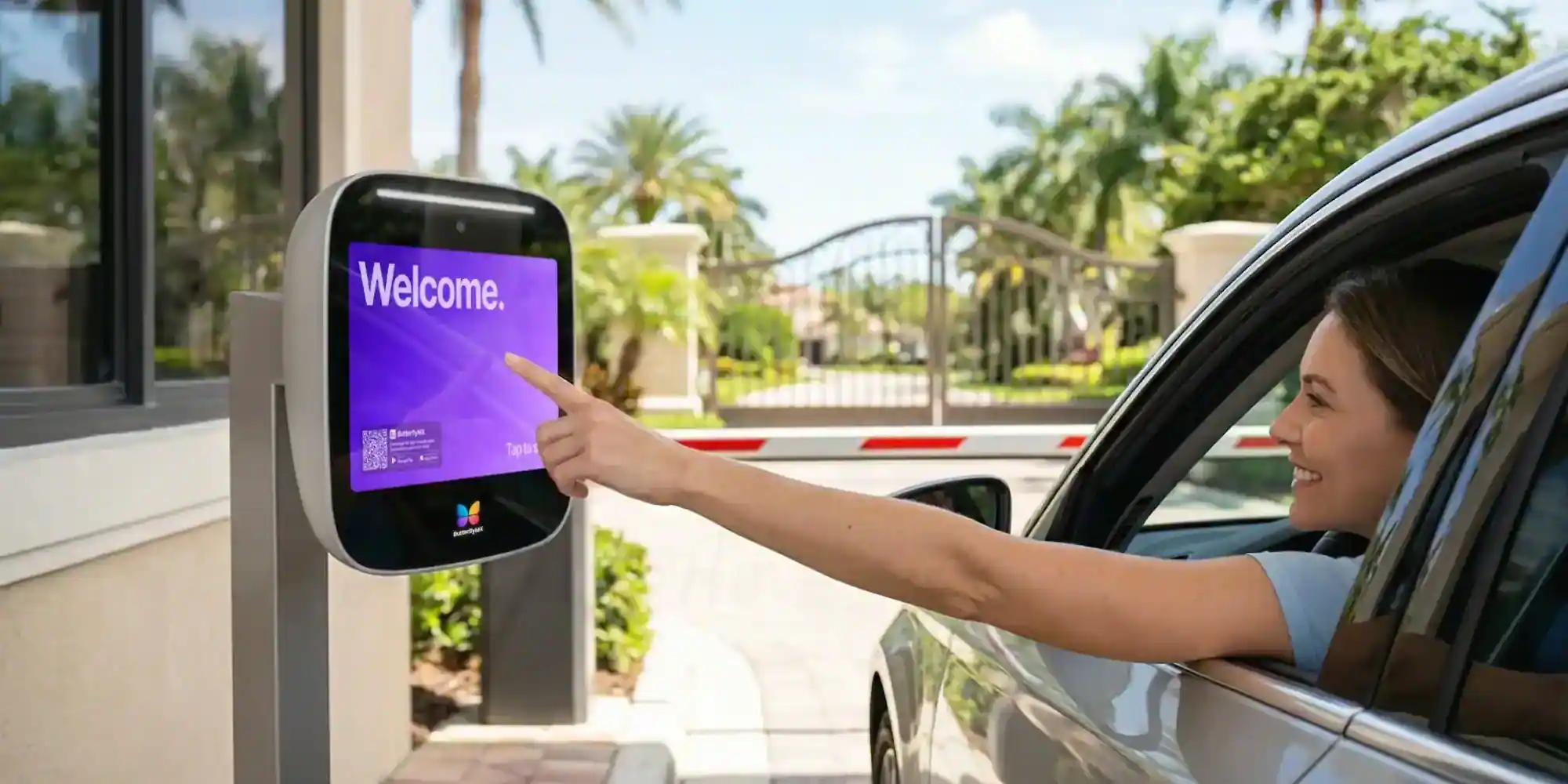
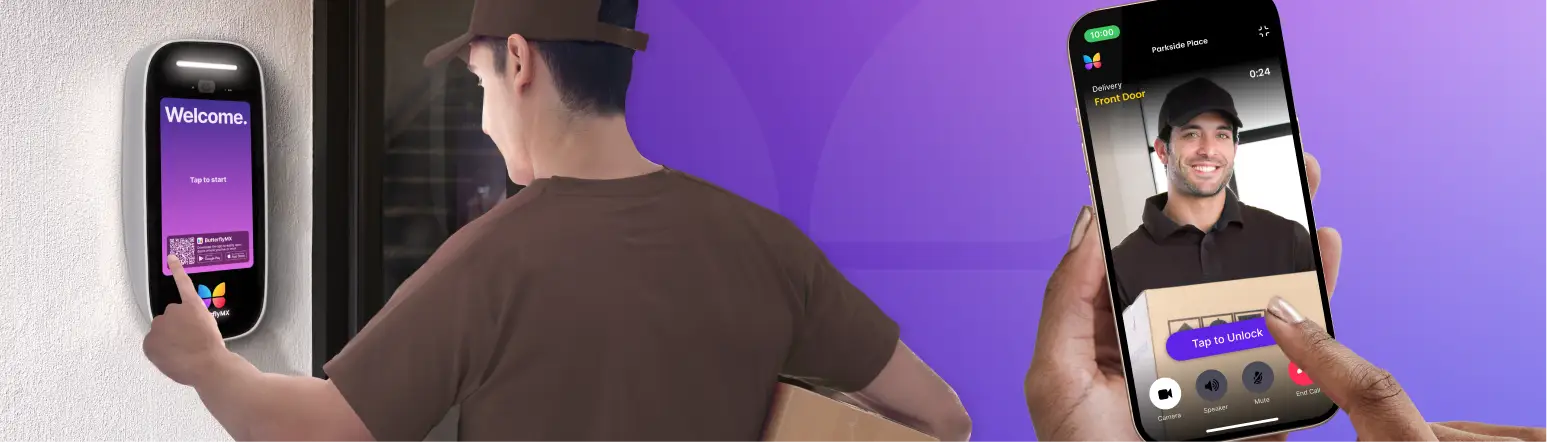
ButterflyMX helps properties simplify vehicle and pedestrian access through a unified, cloud-based platform. Depending on the property’s needs, teams can support hands-free vehicle entry, smartphone access, video intercoms, keypads, and Visitor Passes while managing permissions and reviewing entry activity from a smartphone or computer.
For residents, that means a more convenient arrival experience. Visitors and vendors receive clearer, more controlled ways to enter. Property teams can spend less time managing credentials and routine access requests while gaining greater visibility into activity across the property.
If your gate issues involve both hardware reliability and access workflow friction, address each problem at the right layer. Have a qualified gate professional evaluate the gate operator, then consider whether ButterflyMX can simplify how access is granted and managed.
A failing residential vehicle gate can create more than a maintenance ticket. It can affect traffic flow, staff workload, visitor entry, and how controlled your community feels day to day. Once the gate hardware has been inspected or repaired, ButterflyMX can help simplify vehicle access with hands-free entry, remote credential management, and a unified platform for residents, visitors, vendors, and property staff.
FAQs
Why does a residential vehicle gate open slowly or inconsistently?
Slow or inconsistent operation can point to wear, obstruction, power-related issues, sensor problems, or another hardware concern that needs professional review. It can also be made worse by heavy daily usage at busy residential entrances.
How can access control issues make a gate seem like it is failing?
If residents, guests, or vendors are using confusing or unreliable entry methods, the gate may appear broken even when the hardware is still working. Repeated credential errors, unclear visitor instructions, and frequent manual overrides are common examples.
When should you call a gate repair professional?
Call a qualified gate professional when the gate repeatedly opens slowly, stops midway, fails to close reliably, makes unusual noises, or shows visible damage. If the issue keeps returning, do not wait for a full failure.
Should a failing residential vehicle gate be repaired or upgraded?
That depends on whether the problem is mainly mechanical, access-related, or both. A qualified gate professional should assess hardware concerns, while property teams should also review whether their current access process is creating avoidable delays and complaints.
How can property managers reduce access disruptions when a gate is unreliable?
Start by documenting the problem, communicating temporary procedures clearly, and limiting repeated manual workarounds. If the hardware issue is resolved, a modern access control system can help simplify resident, visitor, and staff entry going forward.
Get your free quote!
Fill in the form below, and we'll email you right back.
Want a free quote?
Fill in the form below, and we'll email you right back.
You’ll be redirected shortly...