





Key takeaways:
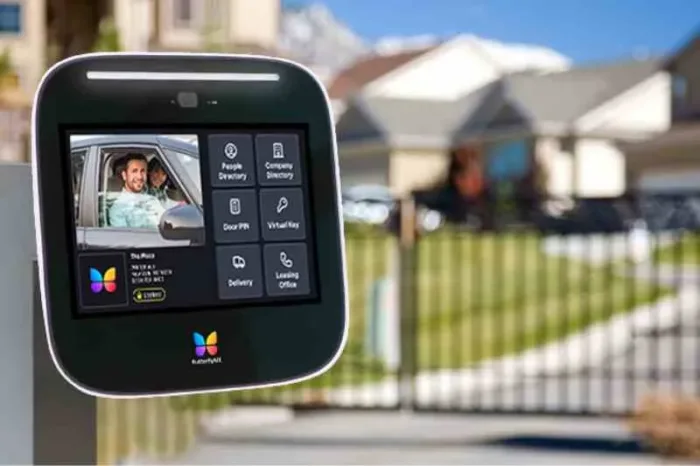
- Vehicle gate readers control who can enter a gated parking area, but they do not replace the gate operator that physically moves the gate.
- RFID tags, license plate recognition, keypads, intercoms, and mobile credentials each fit different resident, visitor, and vendor workflows.
- The right setup depends on traffic volume, credential management, visitor needs, budget, and how much visibility staff need into access activity.
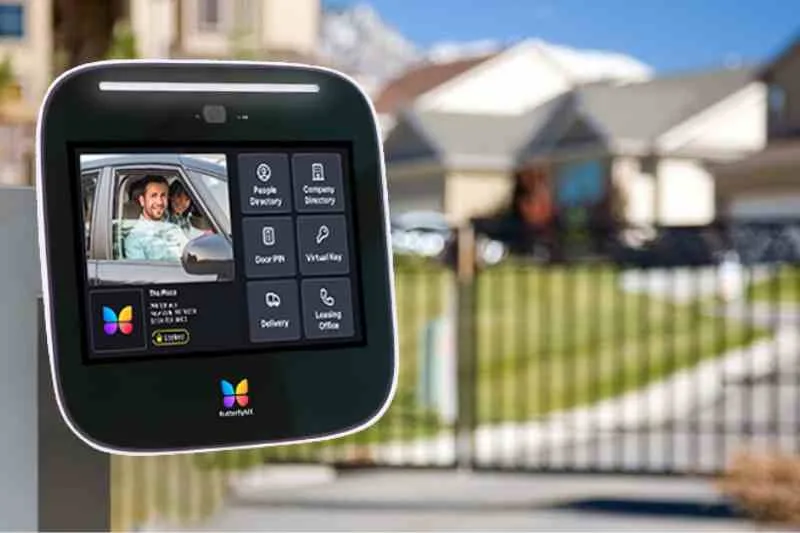
If your community entrance backs up during peak hours, residents share gate codes too freely, or staff spend too much time managing guest access, the problem may not be the gate itself. It may be how vehicles and visitors are identified and approved before the gate opens.
Common vehicle gate reader options for community parking access control include RFID windshield tags, license plate recognition cameras, keypad entry, video intercoms, mobile credentials, and remote access management tools. Many communities use a combination of methods to give residents, guests, vendors, delivery drivers, and staff an access experience that matches how they arrive.
Before comparing options, it helps to understand the difference between the access control system and the gate operator. The gate operator is the mechanical equipment that opens and closes the gate. A vehicle gate reader or access system tells that equipment when an approved person or vehicle should be allowed to enter.
This guide covers:
- What vehicle gate readers do at a community entrance
- Common vehicle gate reader options
- How to choose the right reader for your property
- Plan for visitors, vendors, deliveries, and after-hours access
- Implementation considerations before installation
- How ButterflyMX supports gated vehicle access workflows
- FAQs
What vehicle gate readers do at a community entrance
A vehicle gate reader identifies a driver, vehicle, or credential and sends an approval signal to the gate access control system. If the credential is valid, the system can trigger the gate operator to open. If it is not, the gate remains closed. Depending on the system, the entry attempt may also be logged.
For a multifamily property, gated HOA, country club, student housing community, or commercial parking area, the reader is only one part of the access workflow. Property teams also need a reliable way to issue credentials, update permissions, remove former residents or vendors, and review access activity when questions arise.
An effective workflow should make daily access easier for both residents and staff. For example, residents should not have to stop and enter a code if the entrance serves hundreds of vehicles during the evening rush. At the same time, property teams need a better option than a shared gate code that can be copied, forgotten, or retained by people who no longer need access.
Common vehicle gate reader options
Most communities choose from several vehicle access methods. The right combination depends on traffic volume, resident needs, and how often guests and service providers require entry.
- RFID windshield tags or transponders: Residents, tenants, staff, and members can enter quickly without stopping to make a call or enter a PIN. A reader detects the authorized tag as the vehicle approaches, helping traffic move more efficiently.
- License plate recognition: Drivers can enter without carrying a physical credential because a camera reads the license plate and checks it against an approved list. This option works well for registered vehicles but depends on accurate plate records, proper camera placement, reliable lighting, and clear privacy practices.
- Keypads: Drivers enter a PIN at the gate using a familiar and relatively simple access method. However, shared codes can spread quickly, making keypads better suited for limited or backup use than as the only access method at a busy residential entrance.
- Video intercoms: Visitors can connect with a resident, tenant, front desk, or staff member before entering. The person answering can see and speak with the guest before granting access, making video intercoms useful for deliveries, rideshares, property tours, and visitors who are not already registered.
- Mobile credentials and remote unlock: Approved users can enter through a smartphone-based workflow, reducing the need to distribute and replace physical credentials. Staff can also update access more easily when residents move or employees and vendors change roles.
How to choose the right reader for your property
Start with your traffic patterns. A high-volume apartment garage needs fast resident entry during morning and evening rush periods. A gated community with frequent guests needs a clear visitor workflow. A country club may need separate processes for members, event guests, and staff at different times of day.
Next, consider how credentials and permissions will be managed. If staff must track tags in a spreadsheet, remove old codes from several systems, or meet every vendor at the gate, the hardware may work while the overall process remains inefficient.
A stronger access plan gives authorized staff a central place to update permissions and control access by person, vehicle, schedule, or entrance. This reduces manual work and helps teams respond more quickly when residents, vendors, or property policies change.
You should also weigh convenience, control, and cost. RFID supports fast resident entry but requires tag distribution and replacement. License plate recognition can reduce physical credential management for parking garages and gates but relies on accurate vehicle records. Keypads may be cost-effective but can lead to code sharing. Video intercoms add a layer of visual verification for visitors, but they must be installed where drivers can stop and interact safely without blocking traffic.
The key is to choose a solution based on real entry scenarios, not just the hardware specifications. The best option is one residents, staff, guests, vendors, and installers can use consistently.
Plan for visitors, vendors, deliveries, and after-hours access
Resident access is often the easiest part to plan. The more complex question is what happens when someone does not have a permanent credential.
Guests, delivery drivers, dog walkers, maintenance vendors, leasing prospects, and rideshare drivers all arrive with different access needs. A delivery driver may need one-time access to a package area during business hours. A landscaping vendor may need recurring access on Tuesday mornings. A resident’s guest may need temporary access for the weekend.
If every request requires a staff phone call, the gate can quickly become a daily bottleneck.
Temporary and role-based access can help properties manage these scenarios more efficiently. Visitor Passes can give approved guests temporary access based on the property’s rules. Staff can create permissions that match the purpose and duration of each visit, then update or remove them when they are no longer needed.
Visitor workflows should also account for safety and traffic flow. If drivers must stop at a call box, make sure the lane provides enough space and that signage clearly explains what to do. If the property has separate resident and visitor lanes, confirm that the selected access methods support that layout.
Implementation considerations before installation
Before selecting equipment, walk the entrance with your installer or access control provider. Reader distance, mounting height, lane width, vehicle approach angle, power, network availability, weather exposure, and driver stopping points can all affect system performance.
Ask how the reader will connect to the existing gate operator. The access control system can send the signal to open, but the gate operator, safety devices, loops, sensors, and other hardware should be reviewed by qualified professionals.
Your provider should also confirm whether the system supports the audit trail, access schedules, credential types, and management permissions your property requires.
Property teams should plan for the rollout as well. Residents may need instructions on where to place RFID tags, how to register vehicles, or how to use mobile credentials. Staff may need clear processes for approving vendors, removing former residents, and handling lost phones or credentials.
A smooth launch depends as much on communication and process design as it does on installation.
Finally, consider how the property may change over time. If your community adds another gate, converts surface parking into controlled garage access, or changes staffing hours, the system should accommodate those updates without requiring every workflow to be rebuilt.
Discover how ButterflyMX works:
How ButterflyMX supports gated vehicle access workflows
ButterflyMX helps properties manage gated entrances as part of a broader property access strategy. It does not replace the mechanical gate operator. Instead, it helps coordinate the workflow that determines who can enter and how access is granted.
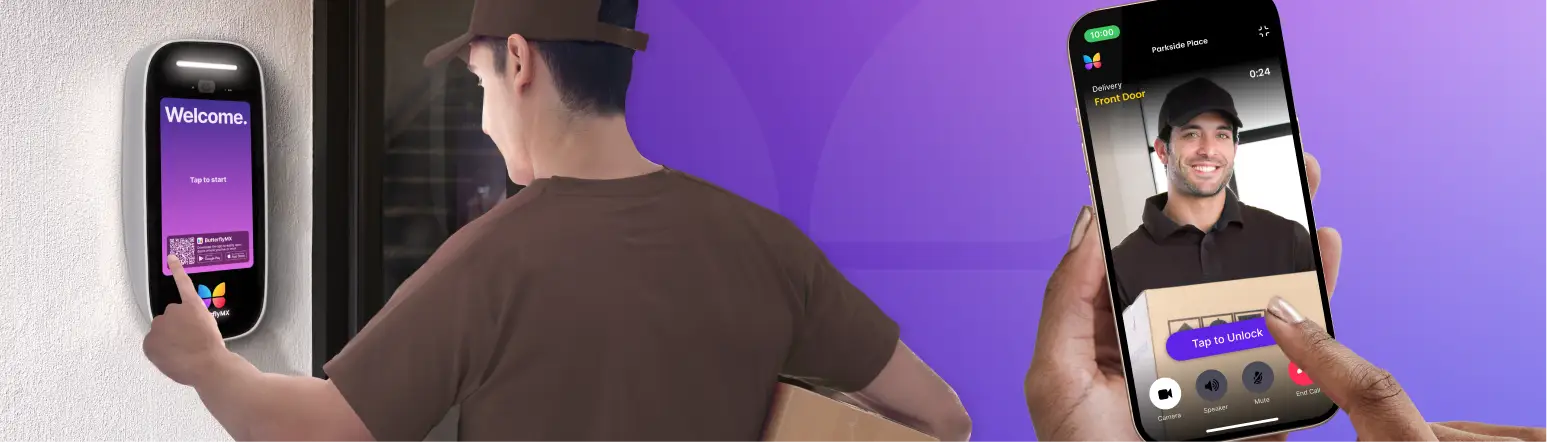
For residents and tenants, ButterflyMX supports more convenient entry and visitor access through a system designed for real estate operations. Residents can see and speak with visitors at the gate before granting access, which is especially helpful when guests, delivery drivers, or service providers arrive outside office hours.
For property staff, centralized access management can reduce administrative work and improve oversight. Teams can manage permissions, support Visitor Passes, review access activity, and update access as residents move, vendors change, or property rules evolve.
This means less reliance on shared codes, fewer manual credential handoffs, and a clearer record of who has access.
ButterflyMX is well suited for multifamily communities, gated HOAs, mixed-use properties, student housing, commercial sites, and other properties that need to manage more than resident-only entry. If your current gate reader works for residents but creates friction for visitors, deliveries, vendors, or staff, it may be time to evaluate a more complete access workflow.
Frequently asked questions
What is the difference between a gate reader and a gate operator?
A gate reader identifies an approved credential, vehicle, or visitor request. The gate operator is the mechanical equipment that physically opens and closes the gate. Access control systems and gate operators should be evaluated together by qualified installers.
Are RFID tags or license plate recognition better for community parking?
RFID tags are often a practical option for frequent resident or member access because they are fast and predictable. License plate recognition can reduce the need for physical credentials, but it depends on accurate plate data, proper camera placement, lighting, and ongoing list management.
Should a community still use a keypad at the vehicle gate?
A keypad can be useful as a backup or for limited access scenarios, but shared PINs can be difficult to control. Many communities pair keypads with intercoms, RFID, mobile credentials, or temporary guest access to create a more secure and manageable workflow.
How can gated communities handle visitor access without sharing codes?
Communities can use video intercoms, remote access tools, and Visitor Passes to give approved guests temporary access based on property rules. This creates a more controlled and trackable process than distributing a shared gate code.
Can ButterflyMX work with vehicle gates?
ButterflyMX can support gated access workflows when properly configured with compatible gate access equipment. The exact setup should be reviewed with ButterflyMX, your installer, and the appropriate gate or access control professionals.
Get your free quote!
Fill in the form below, and we'll email you right back.
Want a free quote?
Fill in the form below, and we'll email you right back.
You’ll be redirected shortly...