




Key takeaways
- Secure a custom web address that matches your property management brand.
- Build a user-friendly homepage that clearly guides visitors to your available listings.
- Set up secure portals where current tenants can easily pay rent and request maintenance.
- Upload high-quality photos and virtual tours to showcase your best units.
- Protect your website and customer data with strong security practices and secure hosting.
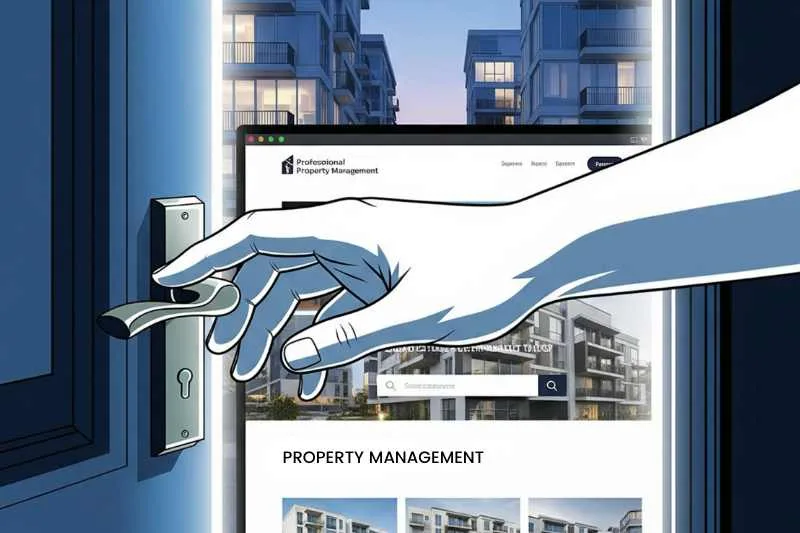
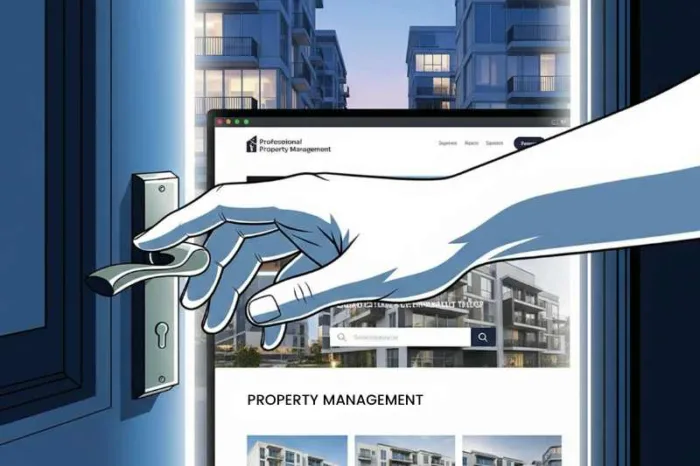
Managing properties keeps you busy. From emergency repairs to new leases. You know exactly how to keep a building running smoothly and keep a building running smoothly and residents supported. Now, you need a central hub where prospective tenants can easily find your available units. Building your own website gives you that dedicated space. It all starts with choosing the right domain name to serve as your permanent address on the web.
This guide walks you through setting up a site that works just as hard as you do. You will learn how to attract great renters, streamline your daily tasks, market your property, and grow your business effortlessly.
This post covers:
- Claiming your address on the web
- Designing a welcoming homepage
- Features that click for tenants and owners
- Showing your spaces beautifully
- Getting found locally by the right renters
- Keeping it secure and moving forward
Discover how ButterflyMX works:
Claiming your address on the web
Before you start picking fonts and colors, lock down your domain name. Think of it as your virtual street address. It tells people where to find your business online. A custom address helps your brand look professional and credible to anyone searching for a new apartment.
Keep your name short and easy to spell. If your management company is called “Oak Tree Properties,” try to secure a matching address. Avoid numbers or hyphens. They can create confusion when someone types the address into their phone or browser. You want prospective tenants to find your site on the first try.
Once you secure your address, you can also set up a custom email. Sending lease agreements from a professional email builds credibility right away. It shows that you run a serious, organized operation. People are more comfortable sharing personal and financial information with a company that looks established and trustworthy.
You also have options when it comes to the end of your web address. The classic “.com” is still a smart choice because it feels familiar and trusted. But you can also explore endings like “.management” or “.rentals” to make your business purpose clear before someone even clicks. Be sure to turn on automatic renewals so you do not lose your domain by accident.
Designing a welcoming homepage
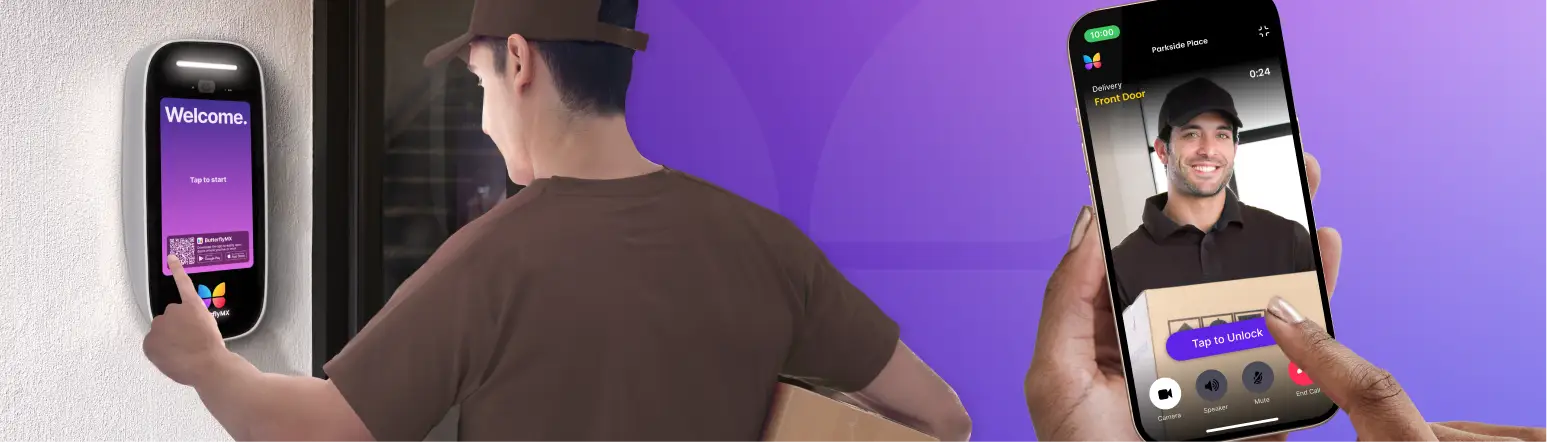
Your homepage acts as the main lobby for your entire business. It is the very first thing people see, so you want it to feel warm and inviting. Just like you might see who you’re letting in with video calling at a high-end apartment building, your website visitors are quickly judging if they want to step inside your properties. They want to know they are in great hands.
Make your navigation incredibly simple. Use clear buttons that direct people to your current listings, your contact page, and your tenant portal. If a visitor has to click five times just to see a studio apartment, they will quickly lose patience and leave. Guide them exactly where they need to go.
Use warm, high-quality images of your best properties right at the top of the page. You want people to instantly picture themselves living comfortably in one of your units. Add a brief, friendly introduction explaining what makes your management style different from the rest. Do you respond to maintenance requests faster? Do you offer pet-friendly buildings? Tell them right away.
Remember that most people will view your site on their mobile phones. Check how your homepage looks on a small screen. Make sure the buttons are easy to tap with a thumb and the text is large enough to read without squinting. Use colors that contrast well, like dark text on a light background, so everyone can read your information easily.
Features that click for tenants and owners
A great website does more than just look pretty. It actively makes your daily job much easier. You can add specific features that save you hours of administrative work every single week. Start by setting up a dedicated portal for your current renters.
Give your tenants a secure place to pay rent online. This eliminates the need for paper checks and tedious trips to the bank. You can even set up automatic payment reminders to reduce late fees. When paying rent is simple, your tenants stay happy and your cash flow remains steady.
You can also add a simple form for maintenance requests. When a tenant needs a repair, they just fill out the form, and you get an organized email with all the details. You can track exactly what needs fixing without losing sticky notes on your desk. You can categorize urgent repairs versus routine maintenance right from your computer.
If you manage properties for other owners, build a private section just for them. You can upload monthly financial reports, tax documents, and property updates there. Keeping owners informed automatically builds strong, long-lasting trust. It shows them you are actively managing their investments with care.
Showing your spaces beautifully
People want to see exactly what they are renting before they commit to an in-person tour. Your website gives you the perfect platform to present every single room beautifully. High-quality photos and virtual walkthroughs help potential renters fall in love with a space right from their couch.
Create a dedicated page for every available unit. Include the rental price, square footage, and a thorough list of amenities. If your building features modern upgrades like smart locks or a brand-new fitness center, make sure you mention them clearly. Specific details help people make confident decisions quickly.
Virtual tours save you an incredible amount of time. Instead of driving across town to show an apartment to someone who realizes the layout won’t work for them, you let them take a virtual walk first. By the time they ask for an in-person tour, you know they are genuinely interested in signing a lease.
Write property descriptions that actually paint a picture. Instead of just listing “two bedrooms,” describe the natural light pouring into the master bedroom or the spacious closets. Help them visualize their life in your building. Before you take photos, open all the blinds and turn on all the lights. Bright, airy photos always perform better and attract more interest.
Getting found locally by the right renters
Having a beautiful website is wonderful, but people actually need to find it when they search for apartments in your city. You can easily tweak your website text to help search engines understand exactly what you offer. This helps bring local traffic right to your front door.
Use natural phrases that your future tenants type into their search bars. If you manage properties in Austin, use phrases like “apartments for rent in Austin” or “Austin property management” naturally in your paragraphs and headings.
Create a dedicated page detailing the specific neighborhoods where your properties are located. Write a few sentences about the local parks, coffee shops, and schools. This helps your website appear in search results when someone looks for an apartment in that exact neighborhood. It also shows that you know the area well.
Consider adding a simple blog to your site. You can write quick articles answering common renter questions. You might write about how to decorate a small apartment or the best ways to explore the neighborhood. Providing helpful information establishes you as a local expert and brings more visitors to your site naturally.
Keeping it secure and moving forward
Managing properties means you handle a lot of highly sensitive information. You collect rental applications, process monthly payments, and store personal contact details. You have a massive responsibility to keep all that data perfectly safe from prying eyes.
Always use a secure website builder that encrypts data automatically. This keeps the information passing through your site completely private. You should also take proactive steps to protect your domain from cyber threats by using strong passwords and enabling two-factor authentication on your main account. Never share your login details with anyone who does not absolutely need them.
Make it a habit to back up your website regularly. If anything ever goes wrong, you can easily restore your site to a previous version without losing your hard work. Most modern builders handle these backups for you automatically, so you never have to worry about losing your progress.
Building your website is a huge step toward reaching your big business goals. You now have a powerful tool that works around the clock to fill your vacancies and keep your current tenants happy. Take your time, focus on clear communication, and watch your property management business thrive.
Get your free quote!
Fill in the form below, and we'll email you right back.
Want a free quote?
Fill in the form below, and we'll email you right back.
You’ll be redirected shortly...