





Key takeaways
- Property technology, or “proptech,” combines technology with real estate to improve properties are built, managed, and experienced.
- Multifamily, commercial, and gated communities rely on proptech to streamline operations, enhance tenant satisfaction, and boost property value.
- Proptech applications include investing, managing, providing amenities, leasing and sales, security, and sustainability enhancements, all critical to property performance.
- Leading proptech companies like ButterflyMX, Zumper, and VergeSense are reshaping how residents, tenants, and property managers interact with buildings..
Technology has reshaped nearly every major industry — and real estate is no exception. From smart buildings and AI leasing assistants to digital marketplaces and automated building systems, technology is transforming how properties are developed, operated, and experienced.
But what exactly is proptech, and how does it impact real estate developers, owners, and property managers? In this guide, you’ll learn about the industry’s origins, why real estate needs proptech, and how it’s applied in properties. Additionally, we’ll provide real-world examples of property technology and highlight the companies leading the way in innovation.
This guide covers:
- What is proptech?
- How proptech works
- Why real estate needs proptech
- Types of proptech
- How is property technology used?
- Residential and commercial proptech
- Proptech companies and examples
- Property technology trends
- Proptech FAQs

What is proptech?
Proptech, short for property technology, refers to digital tools and innovations that modernize how real estate is bought, sold, managed, and experienced. It includes technologies such as smart building systems, IoT sensors, AI-powered analytics, virtual touring platforms, digital leasing tools, and cloud-based access control. Proptech improves efficiency, security, decision-making, and tenant experience across residential and commercial real estate.
As investment in real estate technology accelerates, proptech is becoming a core driver of operational performance and property value. Owners, developers, and property managers now rely on technology not just to streamline processes, but to create smarter, more competitive buildings.
How proptech works
Proptech works by using connected devices, cloud-based software, and data analytics to digitize real estate operations. Smart sensors, management platforms, and leasing tools collect data from properties, which is then centralized in online dashboards for monitoring and control.
Automation and AI analyze this data to trigger actions — such as adjusting energy systems, predicting maintenance issues, screening tenants, or managing access. By turning manual processes into data-driven workflows, proptech improves efficiency, reduces costs, and enhances the overall property experience.
What is the proptech industry?
The proptech industry refers to the various companies and innovators who design and build real estate technology.
What is a proptech company? A proptech company is any business that manufactures or sells technology-powered solutions to clients primarily within the real estate industry. The global proptech market has grown rapidly in recent years and is now a multibillion-dollar industry. In 2025, estimates place the total global proptech market value between about $40 billion and $47 billion, with forecasts projecting it could surpass $185 billion by the early 2030s while growing at double-digit compound annual growth rates (CAGR) through the decade.
Many of the top proptech companies are real estate startups that have exploded over the last decade. The success of proptech indicates that the real estate industry — historically slow to adopt new innovations — is coming around to technology.
Why real estate needs proptech
Real estate needs proptech to improve the tenant experience, streamline building operations, and maximize property value. Ultimately, proptech is what turns the average building into a smart building. And smart buildings are the future of real estate.
So, what are the direct benefits of investing in property technology?
- Maximizing NOI. By automating tasks and improving tenant retention, proptech directly impacts bottom-line performance.
- Improve the tenant experience. Investing in technology that enhances how tenants work and interact within the building is essential for retaining top-dollar, long-term leases. Smart building systems, high-speed internet, and apps that offer seamless communication and services contribute to a more efficient and enjoyable tenant experience.
- Cut costs for ownership and management. Technology has the power to automate processes and improve operational efficiency. For example, smart HVAC and lighting systems can adjust automatically based on occupancy and usage patterns, significantly reducing energy bills.
- Attract more tenants. Remote work trends have significantly impacted commercial real estate, particularly office buildings. With demand for office space fluctuating, incorporating advanced technology can differentiate your building from others. Features like coworking spaces, touchless entry systems, and robust cybersecurity measures make properties more attractive to potential tenants.
- Enhance security and safety. Proptech solutions like AI-powered surveillance cameras, mobile access control, and emergency notification systems enhance building security and resident safety. These technologies not only protect physical assets but also provide peace of mind to tenants.
- Boost sustainability efforts. Green building technologies such as energy-efficient systems, water-saving devices, and waste management solutions contribute to sustainability goals. These technologies lower operating costs and appeal to environmentally conscious residents and investors.
- Optimize space utilization. Advanced analytics can provide insights into how spaces are used, helping property managers optimize layouts and usage. This can lead to better space management, higher occupancy rates, and increased tenant satisfaction.
Types of proptech
While some technologies are designed for specific property types, many fall into broader functional categories that support efficiency, sustainability, security, and data-driven decision-making across residential and commercial real estate.
Here are some types of proptech:
Construction technology (ConTech)
While technically adjacent, construction technology is frequently grouped within proptech discussions.
Includes:
- Building information modeling (BIM)
- Project management software
- Modular construction systems
- Robotics and automation in development
Smart building and IoT systems
You reference these in sections, but not as a defined category.
This includes:
- IoT sensors
- Energy management systems
- Predictive maintenance platforms
- Building automation systems
- Occupancy analytics
Sustainability and ESG technology
Given capital markets pressure and regulation, this deserves its own category.
Includes:
- Carbon tracking platforms
- Smart metering
- Water efficiency monitoring
- ESG reporting tools
- Renewable energy integration systems
How proptech improves multifamily NOI
As you know, one of the most important ways to maximize NOI is to reduce resident turnover. Unfortunately, as you may also know, roughly half of all renters leave within one year of moving in. Additionally, keeping renters happy has historically required providing expensive, high-touch services.
So, retaining residents can feel like an uphill battle. Fear not: There’s a solution.
Offering the right proptech amenities is the best way to retain existing residents and attract new ones. This is particularly true for millennials, who represent the majority of the rental market: 60% of them choose to rent. The most sought-after amenities use modern technologies to make residents’ lives more secure and convenient — and, therefore, more likely to renew their leases.
Property technology allows residents to use their smartphones to control various building functions, such as doors, locks, and lighting. It also helps create a seamless access experience, enabling residents to effortlessly navigate from the building’s front door to the sofa in their apartment. Simply put, if retaining residents is a priority, then adding real estate technology is the best investment a multifamily property manager can make.
How is property technology used?
Property technology is used across numerous aspects of real estate to enhance efficiency, improve user experiences, and streamline processes.
Here are the most notable areas in which proptech is improving processes:
Investing
Proptech changes how real estate invests by providing tools and platforms that enhance decision-making and expand investment opportunities.
For instance, investing is enhanced in the following ways:
- Data analytics. Proptech utilizes big data and predictive analytics to provide insights into market trends, property values, and investment opportunities. As a result, investors make informed decisions and maximize returns.
- Crowdfunding platforms. Online platforms enable small investors to pool resources and invest in large-scale real estate projects, democratizing real estate investment.
Managing
Proptech offers innovative solutions to manage properties crucial for maintaining tenant satisfaction and operational efficiency.
Here are some ways management is benefited by real estate technology:
- Smart building systems. Automated systems control HVAC, lighting, and security, optimizing energy usage and reducing operational costs.
- Property management software. Centralized platforms streamline rent collection, maintenance requests, and tenant communication, improving efficiency and tenant satisfaction.
- Predictive maintenance. IoT sensors and AI algorithms predict equipment failures before they occur, reducing downtime and maintenance costs.
- AI leasing assistants. AI chatbots can handle common inquiries and schedule tours around the clock, freeing up you and your staff for more essential tasks that require a human.
Amenities
Today, tenants expect modern amenities to enhance their living or working experience. Fortunately, proptech delivers numerous solutions to meet these expectations and attract prospects.
Amenities are improved by proptech in the following ways:
- Smart home features. In multifamily buildings, tenants enjoy conveniences like smart thermostats, lighting, and security systems that can be controlled via smartphone apps.
- High-speed internet. Reliable, high-speed internet and WiFi throughout the building are essential amenities for modern tenants, particularly those who work remotely.
- Coworking spaces. Flexible, tech-enabled workspaces within residential and commercial buildings cater to the growing demand for remote work options.
Leasing and sales
Leasing and selling in real estate can be complicated and time-consuming, which is why proptech aims to simplify these processes.
Leasing and sales are improved through:
- Virtual and self-guided tours. Allow prospective tenants and buyers to explore properties remotely and at their convenience, enhancing flexibility and providing a realistic sense of space without needing an in-person visit.
- Digital transactions. Facilitate online applications, e-signatures, and secure online payments, streamlining the leasing and sales process and reducing the need for in-person meetings.
- Online listings. Comprehensive online listings with photos, videos, and advanced search filters provide real-time property availability and detailed information, helping prospects find properties that meet their needs efficiently.
Security
For a property manager or owner, security and safety are your top priorities. Thankfully, property technology has introduced more effective ways of securing your property for the safety of building occupants.
Proptech has advanced the potential security measures of your property, such as:
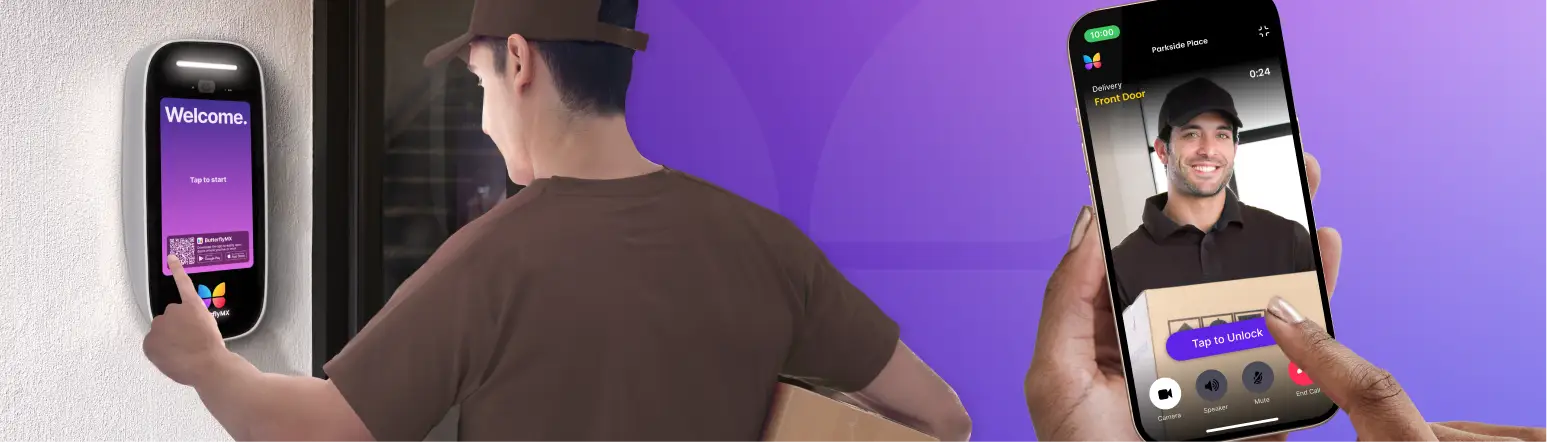
- Mobile access control. Enable residents to use their smartphones as keys, providing convenient and secure access while reducing the need for physical keys.
- Biometrics. Enhance security through facial recognition, fingerprint scanning, and other biometric methods, ensuring that only authorized individuals can access the property.
- AI-powered surveillance. Utilize advanced camera systems and AI analytics to monitor and secure properties in real-time, providing immediate alerts for suspicious activities and potential threats.
- Integrated systems. Combine multiple building systems into a cohesive solution that enables seamless communication and coordination. That way, you’re better prepared to respond to security risks or breaches.
Sustainability
The real estate industry has a long way to go when it comes to sustainability, but proptech is helping make an impact.
Proptech offers sustainability solutions that promote energy efficiency and resource conservation:
- Energy management systems. These systems monitor and optimize energy usage throughout a building, automatically adjusting lighting, heating, and cooling based on occupancy and environmental conditions. In turn, you significantly reduce energy consumption and costs.
- Renewable energy integration. Proptech facilitates the integration of renewable energy sources such as solar panels and wind turbines into building systems, reducing reliance on fossil fuels and lowering carbon footprints.
- Smart lighting. Motion sensors adjust lighting based on occupancy and natural light levels, ensuring lights are only used when needed and reducing energy waste.
- Environmental monitoring. IoT devices and sensors monitor environmental conditions throughout the building, such as air quality, temperature, and humidity, allowing the building to make adjustments to meet health standards and comfortability.
Residential & commercial proptech
So, you know what proptech is, but what is proptech according to property types? More specifically, what is residential proptech and commercial proptech?
Residential proptech
Residential properties include multifamily buildings, student housing, senior living, and gated communities.
Common proptech you’ll find at residential properties includes:
- Access control products like video intercoms, keypads, and package rooms.
- Smart home solutions like smart locks and smart thermostats.
- Property management tools like AI leasing assistants and website chatbots.
Commercial proptech
Commercial properties include office buildings, retail spaces, event venues, coworking, and industrial spaces.
Common proptech you’ll find at commercial properties includes:
- Climate management software that will automatically adjust lights and temperatures to low-power mode during off hours.
- Online booking platforms to ensure no space is double-booked.
- Access control products like video intercoms, keypads, and package rooms.
Proptech companies and examples
The proptech industry is constantly changing, and many companies are at the forefront, leveraging technology to transform how we interact with real estate. While there are thousands of proptech companies worldwide, we’ve hand-selected a few to showcase how they’re impacting the properties they touch.
Here are some leading proptech companies and examples of their contributions:
ButterflyMX
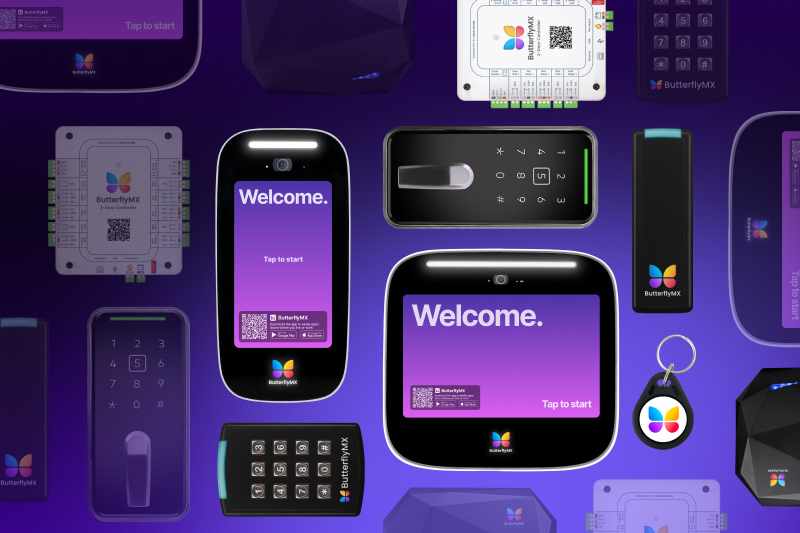
Established in 2014, ButterflyMX is a cloud-based access control company installed in over 20,000 buildings and garnered over 40,000 five-star reviews. Our access control platform makes property access simple by allowing you to manage and enter the property using our mobile app.
The ButterflyMX access control platform extends beyond the front door. Our access control system provides a property-wide solution that is easily managed from a single OS accessible via mobile app or desktop.
The ButterflyMX ecosystem includes the following:
- Video Intercoms
- Keypads
- Card and fob Readers
- Vehicle Readers
- Elevator Controls
- Smart Locks
- Front Desk Stations
- Package Rooms
- Self-Guided Tours
Learn how the ButterflyMX platform works:
Zumper
Zumper is a rental marketplace that simplifies the rental process for tenants and landlords alike. Their platform provides listings, virtual tours, and applications all in one place, making it easier for renters to find their next home and for property managers to fill vacancies efficiently.
Furthermore, Zumper offers tools to help landlords and properties find the highest-quality renters. When using Zumper, you can screen tenants, collect rent online, and manage leases digitally, enhancing convenience and transparency in your rental transactions.
VergeSense
VergeSense provides AI-powered technology that helps property managers organize their spaces and portfolios for optimal utilization. Their sensors collect real-time data on occupancy, foot traffic, and building environmental conditions, enabling proactive management decisions.
You’ll find you can use VergeSense in many different ways:
- Optimize real estate costs by identifying underutilized spaces and making data-driven decisions on space allocation.
- Improve workplace experience by understanding occupancy patterns and tailoring the environment accordingly.
- Increase workplace productivity by ensuring employees have the right spaces for focused work or collaboration.
- Reduce real estate footprint and associated costs by implementing shared desks and optimizing office layouts.
- Comply with social distancing guidelines by monitoring occupancy levels and traffic flows.
Property technology trends
Proptech continues to innovate how real estate professionals interact with properties. As the industry evolves, it adapts to societal shifts that influence residential and commercial real estate.
Plus, the proptech industry is growing rapidly as more real estate professionals realize the benefits. And as the industry grows, we’re seeing some innovative proptech trends emerging. So, you can expect these trends to catch on because of the added value they provide.
Here are the leading proptech trends:
- Artificial intelligence (AI). AI transforms real estate operations by facilitating personalized sales pitches to potential buyers and enhancing property management efficiency through predictive analytics.
- Blockchain. Blockchain platforms are streamlining real estate transactions with smart contracts, reducing paperwork, increasing transparency, and enhancing security in property transactions.
- Internet of Things (IoT). IoT integration in proptech allows for interconnected devices to optimize building management. From smart HVAC systems to energy monitoring sensors, IoT enhances operational efficiency, improves tenant comfort, and reduces costs.
Proptech FAQs
What is the difference between proptech and real estate technology?
Proptech and real estate technology are often used interchangeably, but proptech typically refers to innovative, digital-first solutions that modernize the property lifecycle. While real estate technology can include traditional software tools, proptech more specifically emphasizes emerging technologies such as AI, IoT, automation, and cloud-based platforms.
Is proptech only for large commercial properties?
No, proptech is widely used across multifamily buildings, student housing, senior living communities, and even small residential properties. Many solutions are scalable and designed to work for properties of all sizes.
Get your free quote!
Fill in the form below, and we'll email you right back.
Want a free quote?
Fill in the form below, and we'll email you right back.
You’ll be redirected shortly...