





Key takeaways:
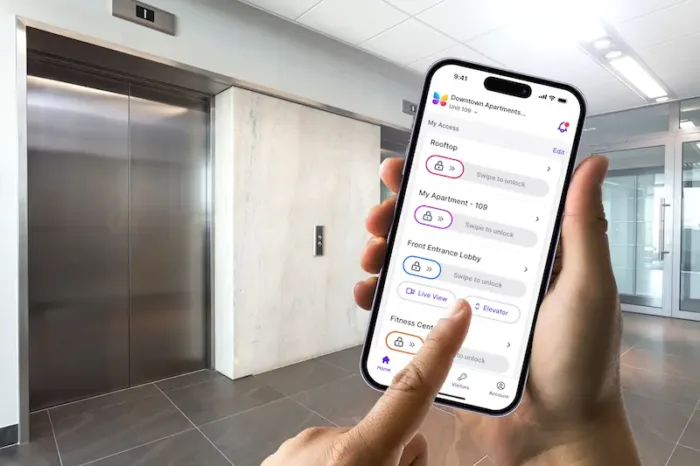
- A video intercom with elevator floor access lets residents or staff verify visitors, unlock the entrance, and limit elevator access to approved floors.
- Retrofit-friendly systems can reduce disruption in existing brick or concrete buildings by supporting mobile access, fobs, and landline call forwarding instead of relying on new in-unit hardware everywhere.
- The best solutions combine video entry, visitor logs, flexible resident credentials, and temporary guest access so your team can manage everyday building traffic with better visibility.
If your apartment building still relies on an audio-only intercom, paper sign-ins, or a front desk spreadsheet to track visitors, upgrading access can feel overdue and complicated at the same time. Many mid-rise and condominium buildings want better visitor verification and tighter elevator control, but do not want a major wiring project running through brick, concrete, or finished hallways.
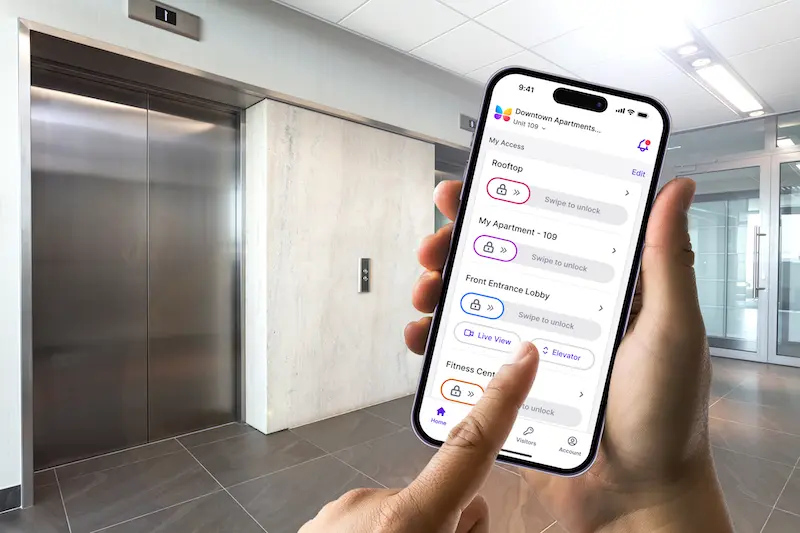
An integration of a video intercom with elevator floor access for apartment buildings solves that combined problem. It helps residents or staff see who is requesting entry, unlock the door remotely, and allow access only to approved elevator floors while creating a clearer record of visitor activity.
For existing buildings, the best options are not just about opening doors. They should fit real property workflows, support residents who use mobile phones, fobs, or landlines, and give your team a more practical way to manage guests, vendors, and deliveries.
This guide covers:
- What is a video intercom with elevator floor access?
- Why retrofit-friendly access matters in existing buildings
- Features to look for in an apartment intercom with elevator control
- How to manage guest, vendor, and delivery access
- How ButterflyMX supports these workflows
- FAQs
What is a video intercom with elevator floor access?
A video intercom with elevator floor access for apartment buildings combines two connected workflows: visitor entry at the door and controlled movement inside the building. Instead of letting a guest enter the lobby and use the elevator freely, the system helps your property control both steps.
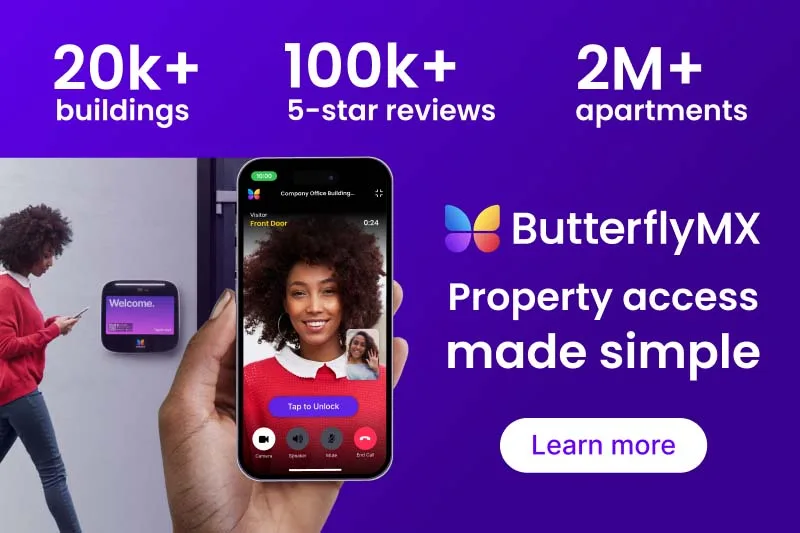
In practice, a visitor arrives at the entrance, places a call through the intercom, and is seen on video by a resident or staff member. If that visitor is approved, the entrance door can be unlocked and elevator access can be enabled based on the building’s rules.
How the visitor entry workflow works
The value is in the sequence, not just the hardware.
A guest calls from the front entrance. The resident or front desk answers, sees the visitor, and decides whether to grant entry. Once access is approved, the building can allow that visitor to reach the appropriate floor instead of every floor in the property. That is the core workflow many apartment and condominium buildings are trying to modernize.
This matters even more in buildings where staff are juggling multiple tasks. A leasing or concierge team should not have to keep leaving the desk to let in expected visitors or manually coordinate elevator trips for routine arrivals.
Why elevator floor access matters in apartment buildings
Not every building needs the same level of elevator control, but many do need more than an unlocked lobby door.
Elevator floor access helps limit unnecessary movement through the building. That can support resident privacy, reduce wandering on upper floors, and create a more controlled experience for guests, vendors, and after-hours visitors. In some buildings, it may also reduce how often staff need to escort people or troubleshoot who should be allowed past the lobby.
It is also worth clarifying the category. Some buyers are looking for a system that controls access workflows tied to the elevator, while others may be thinking about the elevator equipment itself. ButterflyMX does not replace the elevator system. It can support elevator access workflows when properly configured, and those plans should be reviewed with your access control provider, qualified installer, elevator contractor, and local officials where appropriate.
Why retrofit-friendly access matters in existing buildings
Older mid-rise buildings often have the same set of problems: no video at the entrance, no dependable visitor record, and too much manual work for staff.
That problem gets harder in brick or concrete properties where running new wires to every unit can be disruptive, expensive, or both. A buyer evaluating an apartment intercom with elevator control usually is not asking for flashy technology. They are asking for a workable upgrade path.
The problem with manual visitor logs
Manual logs sound manageable until your team actually needs to use them.
If visitors are tracked in a notebook, on loose sign-in sheets, or in an Excel file at the front desk, the record depends on people remembering to enter details consistently. During a busy afternoon, that often breaks down. A delivery driver may be waved through. A vendor may arrive after hours. A guest name may be misspelled or skipped entirely.
By contrast, visitor logs and video intercom for mid-rise buildings give property teams a clearer activity trail tied to real entry events. That makes it easier to review who requested access, when access was granted, and which workflows are creating the most interruptions for staff.
The challenge of running wires to every unit
This is one of the biggest concerns in retrofit projects.
Many existing apartment and condominium buildings were not designed for a modern intercom system that avoids running wires to every unit. In a building with thick walls, finished interiors, or limited pathways, adding in-unit devices everywhere may be more disruptive than the board or owner wants to take on.
That is why many teams look for systems that can support other resident access methods, such as mobile app access, key fobs, and landline call forwarding. Those options can reduce reliance on in-unit hardware while still giving residents a practical way to receive calls and open doors. The right setup depends on the building, so installation and access plans should be reviewed by qualified professionals rather than assumed from a product brochure.
Features to look for in an apartment intercom with elevator control
If you are comparing vendors, focus less on feature volume and more on whether the system supports your daily building traffic.
A strong apartment building elevator access control system should help with verification, recordkeeping, resident usability, and long-term manageability.
Video calling, visitor logs, and audit trails
Video matters because it gives residents and staff a better basis for deciding whether to open the door. An audio call alone may not be enough in a busy building with frequent guests, food deliveries, dog walkers, home health aides, or maintenance vendors.
Just as important is the record created around each event. Good visitor logging helps property managers move beyond memory and spreadsheets. If a resident asks whether a guest arrived, or staff need to review after-hours access activity, the team should have a clearer way to check what happened.
Look for systems that connect video calls, entry events, and access records into one workflow. That is much more useful than having separate tools that staff must piece together later.
Mobile app, fob, and landline access options
Do not assume every resident wants to use access the same way.
Some residents want to answer visitor calls and open the door from a smartphone. Others may prefer or require a fob. In some communities, especially senior apartment or condominium buildings, landline call forwarding may still matter. A system that only works well for app users can create friction for everyone else.
That is why mobile app and fob elevator unlock for apartments should be part of the evaluation, but not the whole conversation. Ask whether the system supports a mix of credentials and communication methods so your building can serve different age groups, accessibility needs, and comfort levels with technology.
You should also ask who can manage credentials and permissions. If staff need to add a new resident, deactivate a lost fob, or update access after a move-out, those tasks should be straightforward.
How to manage guest, vendor, and delivery access
Visitor entry is not limited to social guests. Your building probably deals with dog walkers, cleaners, contractors, food deliveries, recurring vendors, and family members arriving when staff are busy or off-site.
That is where temporary access tools become useful.
Temporary PINs and QR codes for guests
Guest QR code and temporary PIN access for apartment buildings can help reduce routine interruptions while keeping access more controlled. Instead of asking staff to open the door every time or sharing a resident credential, a building can issue time-bound guest access based on its policies.
For example, a resident might send approved access to a visiting family member for a weekend. A property manager might create temporary entry for a vendor scheduled to work on one floor. A leasing team could use short-term access for a tour without giving broad, ongoing credentials.
These tools work best when they are tied to clear property rules about timing, scope, and who can issue them.
Package access considerations for buildings without a package room
Not every building can solve package management in the same phase as an intercom upgrade.
If your property does not have a package room, start by looking at how deliveries currently enter the building and where breakdowns happen. Are drivers calling random residents? Is staff manually letting them in? Are packages being left in unsecured common areas?
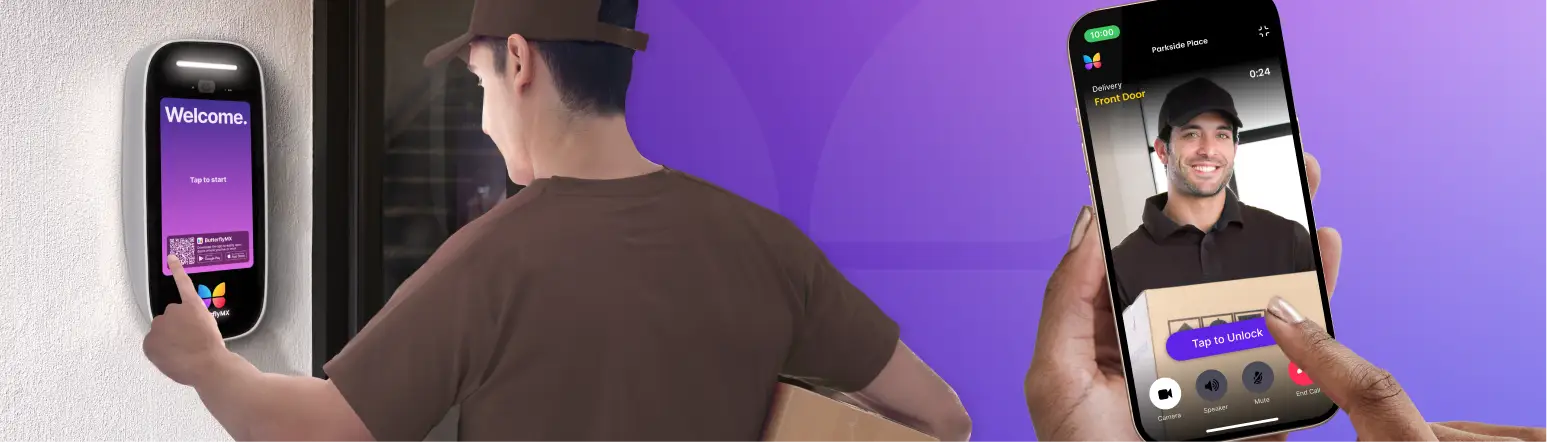
A video intercom and controlled entry workflow can help buildings create a better delivery process, especially when staff want more visibility into who entered and when. For some properties, that may be enough for now. Others may decide to plan a package room or another secure delivery area as a later phase once entrance access and visitor logging are in better shape.
Discover how ButterflyMX works:
How ButterflyMX supports these workflows
ButterflyMX is designed to help apartment buildings modernize entry and access without forcing every property into the same model.
For buildings evaluating a retrofit video intercom for apartment buildings, that flexibility matters. The goal is not just to add video at the front door. It is to support a full workflow that residents, staff, guests, and vendors can actually use every day.
A flexible access experience for residents and staff
With ButterflyMX, residents can see and speak with visitors through a video intercom and grant access from their smartphone when that fits their routine. Properties can also support fob-based access and landline call forwarding for residents who prefer other methods. That gives buildings a more practical path when not every household wants app-only access.
ButterflyMX also supports elevator controls through floor access readers, helping properties connect building entry to elevator access workflows where appropriate. Staff can manage credentials and permissions from one platform instead of relying on disconnected tools and manual lists.
For guest access, Visitor Passes and temporary credentials can help properties handle approved visitors, recurring vendors, and short-term access needs with more consistency. Managers can also review access activity and adjust workflows as building needs change.
What to discuss before upgrading your building
Before selecting a system, bring a practical list of questions to your vendor and installer:
- How will residents receive visitor calls: mobile app, landline forwarding, or both?
- Will residents, staff, and vendors need different types of credentials such as fobs, mobile access, or temporary passes?
- What elevator floor access workflows does the building want to support?
- How should guest access work for family members, recurring service providers, and after-hours vendors?
- What kind of visitor log or audit trail does the team need to review activity?
- Is package access part of this phase, or a later improvement?
- What retrofit constraints could affect the installation approach in a brick or concrete building?
That conversation should also include qualified installers and elevator professionals where needed. They can help review building-specific technical requirements, system configuration, and any code or compliance considerations that apply to your property.
FAQ
How do I add a video intercom and elevator floor access to an existing apartment building?
Start by mapping your current workflow from front entrance to elevator use. Then evaluate systems that support video verification, controlled building entry, visitor logging, and the resident access methods your building actually needs. For retrofit projects, ask vendors and installers how the system can reduce disruption in buildings where new in-unit wiring is difficult.
Can I enable elevator floor access without wiring controllers to every unit?
In some buildings, yes, depending on the system design and the property’s existing infrastructure. Many modern solutions reduce reliance on in-unit hardware by supporting mobile access, fobs, or landline call forwarding. The exact approach should be confirmed with qualified installers and elevator professionals for your building.
How do video intercoms work for residents who only have landlines or key fobs?
The strongest systems do not assume every resident uses a smartphone. Some can support landline call forwarding for visitor calls and fob access for everyday entry, which is helpful in buildings with mixed resident preferences or senior populations.
How can apartment buildings replace manual visitor logs with video intercom records?
A video intercom can create a more reliable record by tying visitor calls and entry events to the access workflow itself. That gives staff a more useful activity trail than paper logs or spreadsheets, which often depend on manual data entry and can be incomplete during busy periods.
What secure package options should senior apartment buildings consider without a package room?
Start with a controlled delivery entry process and clear visibility into who entered the building and when. If package volume or delivery issues continue, the building may want to plan a dedicated package room or another secure drop-off area as a later phase. Qualified property partners can help evaluate the best fit for the building.
Get your free quote!
Fill in the form below, and we'll email you right back.
Want a free quote?
Fill in the form below, and we'll email you right back.
You’ll be redirected shortly...