





Key takeaways:
- Older apartment buildings can often be retrofitted with fob access, but accessibility depends on the full entry setup, not the fob alone.
- Fobs, mobile app access, and PIN codes can reduce reliance on keys while giving senior residents more than one practical way to enter.
- Before replacing keys, evaluate doors, reader placement, automatic door operation, intercom needs, resident turnover, and property management integration.
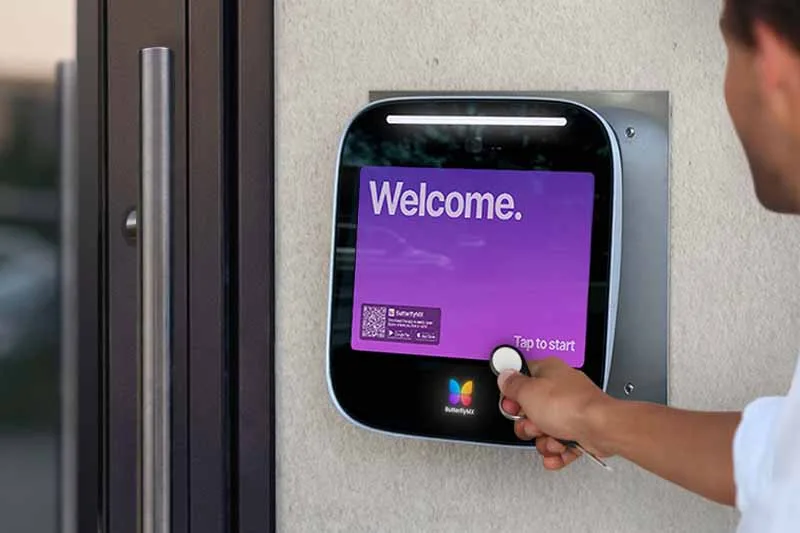
If you manage an older apartment building, keys probably create more work than they should. Residents lose them. Staff have to track copies. Move-outs can lead to rekeying. And if your building serves senior residents, replacing keys with new technology, like key fobs and key cards, raises an important question: Will the new access experience still be easy and accessible to use?
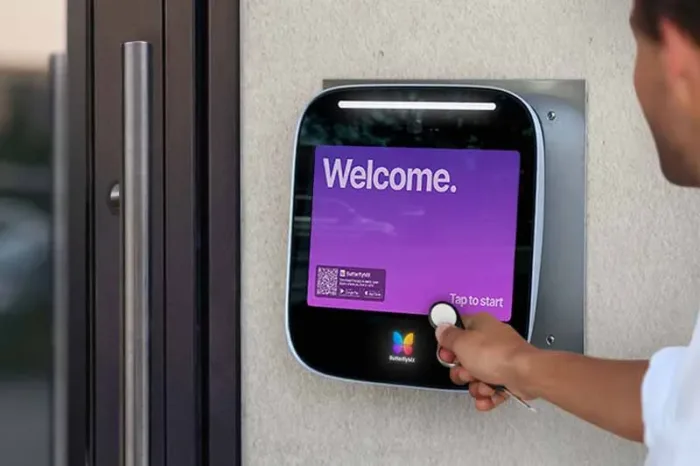
ADA-compliant fob access for older apartment buildings is often possible with the right access control system, qualified installation, and accessibility planning. But the fob is only one part of the experience. Property managers should also evaluate door hardware, automatic door operators, resident needs, intercom replacement options, mobile credentials, PIN codes, and local accessibility requirements before retrofitting an older building.
The goal is not simply to add a fob reader at the front door. A successful retrofit should help residents enter comfortably, give staff better control over credentials, support visitor access, and reduce the manual work tied to physical keys.
This guide covers:
- Can older apartment buildings be retrofitted with ADA-compliant fob access?
- How fob access helps older apartment buildings reduce key-related costs
- How to convert a phone-based intercom to fob or mobile access
- What to evaluate before installing fob access in senior housing or older apartments
- How ButterflyMX supports keyless access for older apartment buildings
- Frequently asked questions
Can older apartment buildings be retrofitted with ADA-compliant fob access?
Yes, many older apartment buildings can be retrofitted with fob access, including small low-rise buildings, affordable senior rental communities, and multi-building properties with aging entry systems. However, the project should start with the full entry experience, not just the reader mounted beside the door.
For many residents, a fob is easier to use than a metal key because it does not require turning a key in a cylinder. But accessibility depends on more than the credential itself. It also depends on where the reader is installed, how heavy the door is, whether the path to the entrance is clear, how long the door remains unlocked, and whether an automatic door operator is needed.
For example, a resident using a walker should not have to tap a fob, pull open a heavy door, and move through a tight vestibule before the door relocks. In that case, the credential may work, but the entry experience may still fall short.
Before purchasing equipment, schedule a site assessment with qualified installers and consult the appropriate local code officials or accessibility professionals. ButterflyMX is not a legal or ADA compliance authority, and fob access by itself does not automatically make a building compliant. The right plan depends on the building, the door hardware, the residents who use the entrance, and the requirements that apply to your property.
What ADA-compliant access means in practice
For property teams, accessible access control usually comes down to whether residents can reasonably and safely use the entrance. That may include reader placement within reachable range, door hardware that can be operated as intended, clear maneuvering space, appropriate unlock timing, and automatic door operation where needed.
Consider a senior apartment building where several residents use mobility aids. If the fob reader is placed too far from the door or the door closes too quickly, the system may technically grant access, but the workflow still creates friction for residents. In that situation, the access plan should be reviewed by professionals who understand accessibility, door operation, and local requirements.
Why older buildings need a retrofit-first plan
Older buildings often have layers of legacy systems. You may have a phone-based intercom from one era, mechanical locks from another, and doors that were not designed with electronic credentials in mind. Some properties also have separate keys for the front entrance, laundry room, mail area, storage rooms, and maintenance spaces.
A retrofit-first plan helps you avoid buying hardware before you know which access points matter most. Start by walking the property with your installer or facilities team. Identify the main resident entrances, secondary doors, common areas, staff-only rooms, and any doors that already create complaints.
This gives you a practical scope instead of a vague goal to “modernize the building.” It also helps you prioritize the upgrades that will have the greatest impact on residents and staff.
How fob access helps older apartment buildings reduce key-related costs
Physical keys create hidden work. Someone has to issue them, collect them, copy them, replace them, and decide what to do when a key is lost. At older apartment buildings with frequent turnover or limited onsite staff, that work can quickly become a recurring operational burden.
Fob access, mobile credentials, and PIN codes can reduce reliance on rekeying because access is managed digitally. When a resident moves out, staff can deactivate that resident’s credential instead of changing a lock cylinder solely because a key was not returned. If a staff member leaves, their access can be removed from the system without chasing down every copied key.
This does not mean locksmith costs disappear. Mechanical locks, door hardware, and physical security needs still require professional service. But keyless entry for older apartment buildings can help reduce the number of situations where your only option is to rekey after a lost key, move-out, or staff change.
Replacing physical keys with fobs, mobile access, and PIN codes
A strong retrofit should not force every resident into one credential type. In senior housing especially, different residents may prefer different ways to enter.
One resident may want an RFID fob on a key ring because it feels familiar. Another may prefer mobile app access because they already use a smartphone. A resident who occasionally misplaces items may benefit from a PIN code as a backup, if your access policy allows it.
For a small low-rise senior apartment building, this might mean using fobs for most residents, mobile app access for residents and staff who want it, and PIN codes for specific approved workflows. The property team gains more control because credentials can be assigned, updated, or removed without handing out uncontrolled key copies.
Reducing rekeying and locksmith dependency
Move-outs are where key management often breaks down. A resident returns one key but not the spare. A family member still has a copy. A former staff member forgets to return a master key. Each scenario forces the property manager to weigh the cost and urgency of rekeying.
With digital credentials, staff can revoke access in the access control system when a resident leaves or a fob is lost. That creates a cleaner offboarding workflow. Instead of waiting for keys to be returned before finalizing access, staff can update the credential record and move on to preparing the unit for the next resident.
Discover how ButterflyMX works:
How to convert a phone-based intercom to fob or mobile access
Many older apartment buildings still rely on phone-based intercoms. These systems may call residents through landlines or outdated directories, and property staff often struggle to keep names and phone numbers current. When residents change numbers or move units, the directory can quickly become unreliable.
If you want to convert a phone-based intercom to fob access, it is better to think in terms of replacing or supplementing both resident and visitor workflows. Fobs and mobile app access are primarily for residents and staff who need ongoing access. Visitors, caregivers, delivery drivers, and family members still need a reliable way to request entry.
When to replace, supplement, or upgrade an old intercom
Some properties replace an outdated intercom with a video intercom and add fob readers for resident entry. Others phase the project by modernizing the main entrance first, then expanding access control to secondary doors or common areas.
For example, a multi-building affordable senior rental community might start with the buildings that receive the most access-related complaints. From there, the property can standardize the approach across the rest of the community over time.
The key question is whether the existing system supports your access goals. If staff spend time updating old directories, residents complain that calls do not go through, or visitors cannot reach the right person, a video intercom may solve a different problem than fobs. Your installer can help determine what can be reused, what should be replaced, and what requires additional review.
Why video intercoms matter for visitor access
Fobs work well for people who should have ongoing access. They are not designed to manage every visitor.
A senior resident’s daughter, a meal delivery driver, a home health aide, and a maintenance vendor each need a visitor workflow that does not depend on borrowing a resident’s fob.
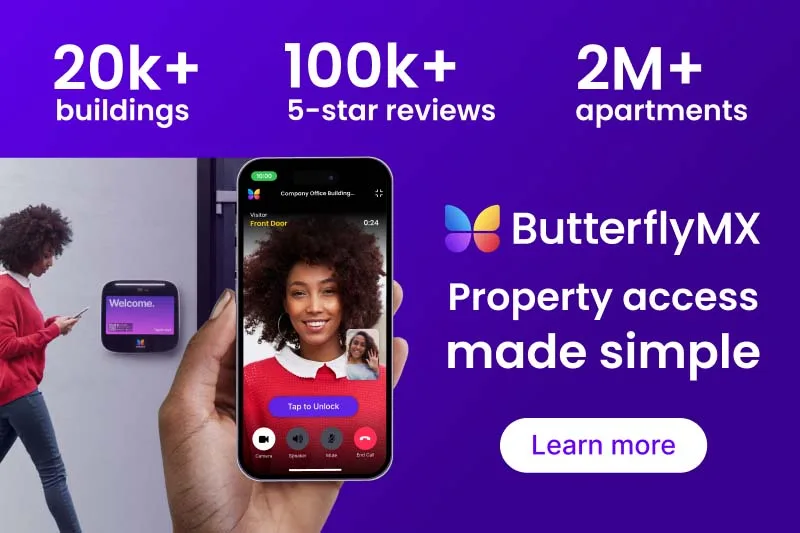
A video intercom gives residents or staff a way to see and speak with visitors before granting access. For older communities with limited onsite coverage, this can reduce calls to the property office when a guest cannot get in. It also gives residents more context before unlocking the door, which is especially useful when they are expecting caregivers, family, or deliveries.
What to evaluate before installing fob access in senior housing or older apartments
The most successful retrofit projects start with clear questions. Before installing ADA-accessible apartment access control, map the building’s current access workflows and identify where keys, doors, or intercoms create the most work.
For example, if residents mainly complain about heavy front doors, a fob reader alone will not solve the problem. If the property office spends hours issuing replacement keys, credential management should be a priority. If visitors frequently call staff because the intercom directory is wrong, intercom replacement belongs in the plan.
Access points, resident needs, and door operation
Use the site assessment to review how residents, staff, and visitors actually move through the property.
Important considerations include:
- Main entrances residents use every day, including vestibules and lobby doors.
- Secondary entrances that may need controlled access but receive less staff attention.
- Common areas such as laundry rooms, package areas, community rooms, or maintenance spaces.
- Resident mobility needs, including walkers, wheelchairs, low vision, and limited hand strength.
- Reader placement, clear approach paths, and whether residents can tap a fob comfortably.
- Door timing and whether automatic door operators should be evaluated by qualified professionals.
- Credential options, including fobs, mobile app access, and PIN codes.
For senior apartments, offering more than one credential type can be practical. A resident who does not use a smartphone can keep using a fob. A property manager or maintenance team member may prefer mobile access because it avoids carrying several keys across multiple buildings.
Credential management and property management software integration
Credential management deserves as much attention as the hardware. If staff cannot quickly issue, update, or revoke access, the system may simply replace one manual process with another.
Fob access integrated with property management software can help when supported by your systems and access provider. For example, when a new resident is added to the property management platform, the access system may be able to support a more coordinated onboarding workflow. When a resident moves out, offboarding can become more consistent because staff have a defined process for removing access.
Before buying, ask how resident data is managed, what information can sync, which workflows require staff approval, and how exceptions are handled. This is especially important for multi-building communities where one central team may manage access across several entrances and resident groups.
How ButterflyMX supports keyless access for older apartment buildings
ButterflyMX can be part of a keyless access plan for older apartment buildings that are ready to reduce reliance on physical keys while supporting residents, staff, and visitors. The right approach should be designed with qualified installers and appropriate accessibility review, especially when door operation, reader placement, or automatic door operators are involved.
Rather than treating fobs as the entire solution, ButterflyMX supports a broader access workflow that can include video intercoms, fob and RFID access, mobile app access, PIN codes, and property management software integrations. That mix helps property teams match each access method to the person, the entrance, and the use case.
Access options for residents, staff, and visitors
Residents can use fobs or mobile app access depending on what is appropriate for the property and their comfort level. A senior resident who wants a familiar credential can use a fob, while another resident may choose mobile app access because their phone is already in hand when they arrive home.
Staff can manage credentials centrally instead of tracking every physical key. When a resident moves in, the team can issue access as part of onboarding. When that resident leaves, staff can revoke access without relying only on returned keys. PIN codes can also support approved access workflows where appropriate.
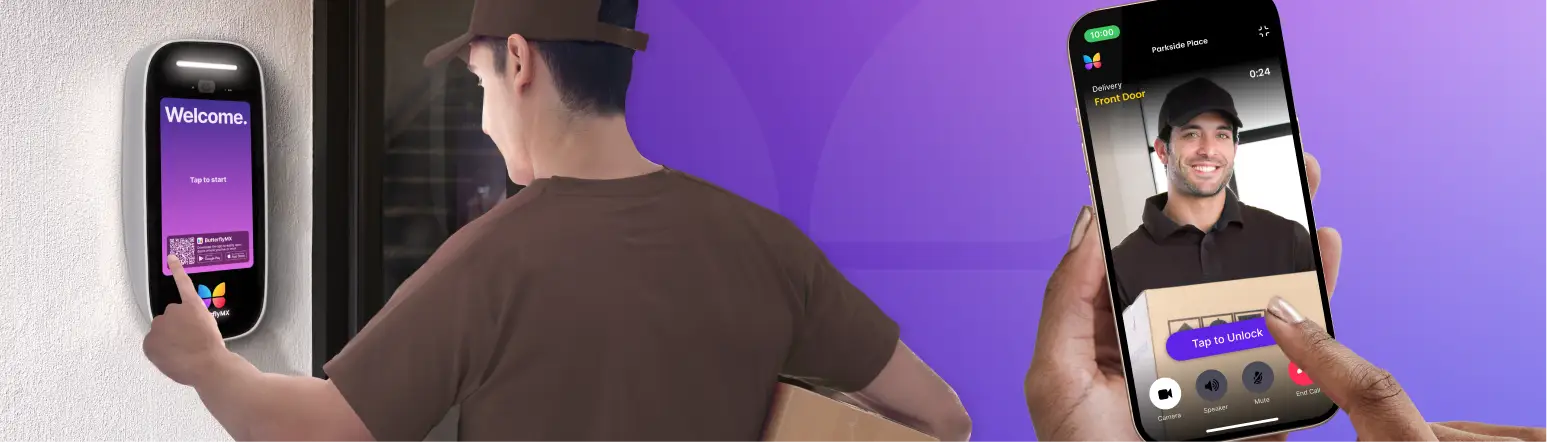
For visitors, a ButterflyMX video intercom helps fill the gap that fobs do not address. Guests can request access at the entrance, residents or staff can verify who is there, and access can be granted without requiring a copied key or borrowed fob.
A scalable approach for multi-building apartment communities
Older apartment portfolios often include several small buildings rather than one large tower. Without centralized access management, staff may have to maintain separate key sets, separate intercom directories, and separate processes for each entrance.
With ButterflyMX, property teams can manage access across one or more buildings through a more centralized workflow. That can help facilities teams standardize how residents enter, how staff credentials are handled, and how visitor access is managed as the community modernizes over time.
If you are evaluating ADA-compliant fob access for older apartment buildings, ButterflyMX can help you think beyond the front door reader and plan for resident entry, visitor access, and credential management together.
Frequently asked questions
Can I retrofit fob access in an older apartment building and still meet ADA requirements?
Often, yes. But compliance depends on the full entry setup, not just the fob. Review reader placement, door operation, clear paths, unlock timing, automatic door operators, and local requirements with qualified installers and accessibility professionals.
Do older apartment buildings need automatic door operators for accessible access?
Some buildings may need automatic door operators, while others may not. The decision depends on the entrance, resident needs, door weight, maneuvering space, and applicable accessibility requirements. Have a qualified professional evaluate the site.
Can a phone-based intercom be replaced with fob and mobile access?
Fob and mobile access can replace keys for residents and staff, but they do not replace the need for visitor entry. Many properties pair fob or mobile access with a video intercom so guests, caregivers, delivery drivers, and family members have a controlled way to request access.
Will fob or mobile access eliminate locksmith costs?
Not entirely. You may still need locksmiths for mechanical locks and door hardware. However, digital credentials can reduce reliance on rekeying after lost keys, move-outs, or staff turnover when the system is implemented properly.
Can fob access work with property management software?
In some access systems, property management software integration can support resident onboarding and offboarding workflows. Before choosing a system, ask which integrations are available, what information can sync, and how staff approve access changes.
Get your free quote!
Fill in the form below, and we'll email you right back.
Want a free quote?
Fill in the form below, and we'll email you right back.
You’ll be redirected shortly...