





Key takeaways:
- Appointment-only access control helps recording studios give the right people access at the right times without relying on physical keys.
- Temporary PINs, Visitor Passes, and recurring permissions support one-time sessions, regular renters, staff, and shared studio tenants.
- ButterflyMX helps studio operators manage arrivals, keyless entry, and shared-space access from one system.
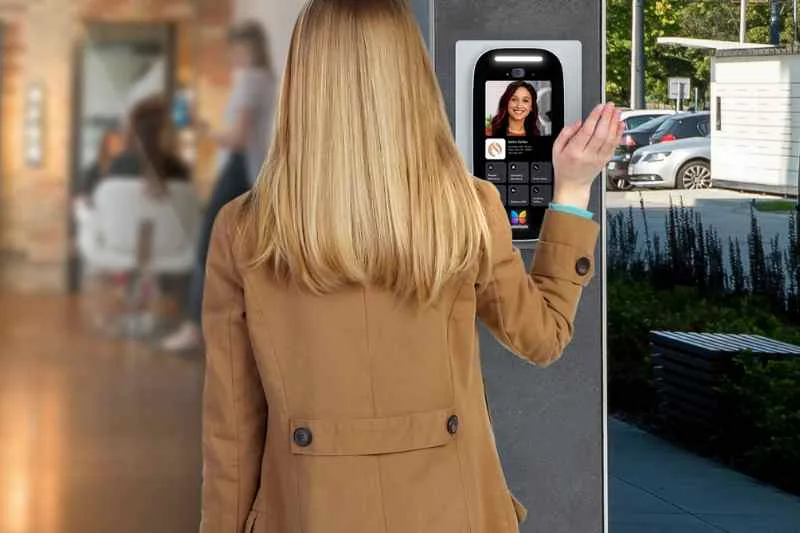
If you run a recording studio or shared creative space, you need a practical way to let clients in for booked sessions without meeting every arrival at the door or handing out physical keys. That challenge gets harder when you also have regular renters, engineers, staff, or multiple tenants using the space.
Appointment-only access control for commercial recording studios gives you a more controlled way to manage entry around scheduled sessions. Instead of relying on keys that can be copied, shared, or lost, you can issue temporary or recurring access based on how each person uses the studio.
For many studio operators, that means easier arrivals, fewer interruptions, and better visibility into who can access the space and when.
This guide covers:
- Make booked studio sessions easier
- Grant temporary and recurring access
- Support shared and multi-tenant creative spaces
- What to consider before choosing studio access control
- How ButterflyMX helps recording studios
- FAQs
Make booked studio sessions easier
Appointment-only access control for recording studios is a way to manage entry around real studio schedules. You decide who should be able to enter, which doors they can use, and whether their access should be temporary or ongoing.
In a recording studio, that might mean giving a client access for a single afternoon session, letting a producer enter every Tuesday evening, or allowing staff to move through the building throughout the day. The goal is simple: the right people can get in without creating extra work for your team.
What appointment-only access means for recording studios
For studios, access usually is not the same for every user. A vocalist coming in for a two-hour booking does not need the same permissions as your studio manager. A recurring renter may need regular entry to a specific room, while a delivery person may only need access to the main entrance.
That is why appointment-based access works well in this environment. You can match access to the session, tenant, or role instead of treating every visitor like a permanent keyholder.
Why physical keys create problems for shared studios
Physical keys can slow down studio operations, especially in shared or multi-user spaces. If a client arrives early, someone on staff may need to stop what they are doing to open the door. If a renter keeps a key after their agreement changes, access may be harder to update. And if several people share the same key, you lose visibility into who actually entered.
Keyless entry gives you a clearer workflow. Staff can manage access without chasing keys, and clients can arrive for approved sessions without unnecessary delays.
Grant temporary and recurring access
Most studios need more than one type of access credential. Some visitors are one-time clients. Some are recurring renters. Some are guests of a tenant or engineer. A useful system should let you handle each case without creating a separate manual process.
Temporary PINs for studio appointments
Temporary PINs can be a practical option for booked sessions. If a client is scheduled to use the studio for a one-time recording block, you can provide a code that works for that visit instead of giving them a permanent credential.
That approach can help reduce front-desk interruptions and limit unnecessary access after the session ends. It also gives studio operators a more organized way to handle after-hours bookings, weekend sessions, or short-term rentals.
For example, if a podcast client books a Saturday afternoon session, you can provide access for that appointment without issuing a key that has to be collected later.
Visitor Passes for clients and guests
Visitor Passes can help when studios need a flexible way to welcome clients, collaborators, or guests. A producer might invite an artist to a session, or a tenant might need to let in a videographer or assistant for a limited time.
Instead of sharing a staff credential or asking someone to wait outside, Visitor Passes can support temporary entry based on your property rules. That makes arrivals easier for approved visitors while keeping access more controlled than a shared key or open-door policy.
Recurring access for regular renters
Many recording studios have repeat users who rent time every week or operate more like tenants than occasional guests. In those cases, recurring access may make more sense than issuing a new temporary credential for every visit.
A studio operator might give a regular engineer ongoing access to the main entry and a specific studio during agreed hours, while limiting other doors or shared areas. This can reduce daily administrative work and make the renter experience smoother without giving every user unrestricted entry.
Support shared and multi-tenant creative spaces
Some recording studios operate as a single business. Others function more like creative co-working spaces, where multiple producers, engineers, artists, or small companies share rooms, entrances, and common areas. Those setups need a system that can support more than basic door access.
Keyless entry for shared recording studios
Keyless entry for shared recording studios can make everyday operations easier for both staff and authorized users. Instead of keeping track of who has which key, your team can manage permissions digitally and adjust them as studio usage changes.
That matters in real workflows. A tenant who rents Studio B every weekday may need regular access, while a one-time client should only be able to enter for a specific session. A facilities lead may need access to every room, while a contractor may only need the equipment entrance for a limited period.
Mobile access can also help reduce routine friction. Authorized users can enter without coordinating a handoff, and your team does not have to maintain the same key process for every type of user.
Multi-tenant studio access management
When multiple creative businesses share one property, centralized management becomes more important. You may need to support staff, long-term renters, short-term clients, and visitors at the same time, often across several doors or studio suites.
A centralized system can help you keep those roles organized. Instead of relying on separate keys, spreadsheets, or ad hoc instructions, you can manage access in one place and update permissions as tenants change, schedules shift, or new users are added.
That can be especially useful for operators who want to support a professional client experience while still keeping tighter control over shared hallways, entry points, and back-of-house areas.
What to consider before choosing studio access control
If you are comparing systems, focus on the workflow first. The right setup depends on how your studio operates, how many entrances you need to manage, and how often access changes for clients, renters, and staff.
Cost factors for a single-location recording studio
Access control cost for a single-location recording studio can vary based on several practical factors. These often include the number of doors, the type of hardware needed, whether you want video intercom capabilities, how many users you need to support, and the scope of installation.
You should also think about ongoing management. A lower-cost setup may not save much time if staff still have to manually coordinate every arrival or keep reissuing credentials. A more useful evaluation question is whether the system supports the way your studio actually books sessions and manages users.
If you are planning a project, it helps to request a quote based on your specific layout, access points, and user types rather than looking for a generic price estimate.
Access control for leased studio spaces
If your studio is in a leased commercial location, ask early about portability and site conditions. Whether a system can move with you may depend on the hardware selected, how it is installed, your lease terms, the new location’s entry setup, and installer guidance.
It is also worth asking how the system would work if you expand into another suite, reconfigure your studio layout, or relocate later. Those questions can help you avoid choosing a setup that fits only your current space and not your likely next step.
For planning and installation questions, consult your access control provider, property owner, and qualified installer before making a decision.
Discover how ButterflyMX works:
How ButterflyMX helps recording studios
ButterflyMX helps recording studios and creative co-working spaces manage appointment-only access with tools that fit real arrival workflows. Rather than relying on physical keys, studio operators can use a combination of video intercom access, Visitor Passes, Temporary PINs, mobile access, and centralized management to support different user types.
Access tools that support booked sessions and shared spaces
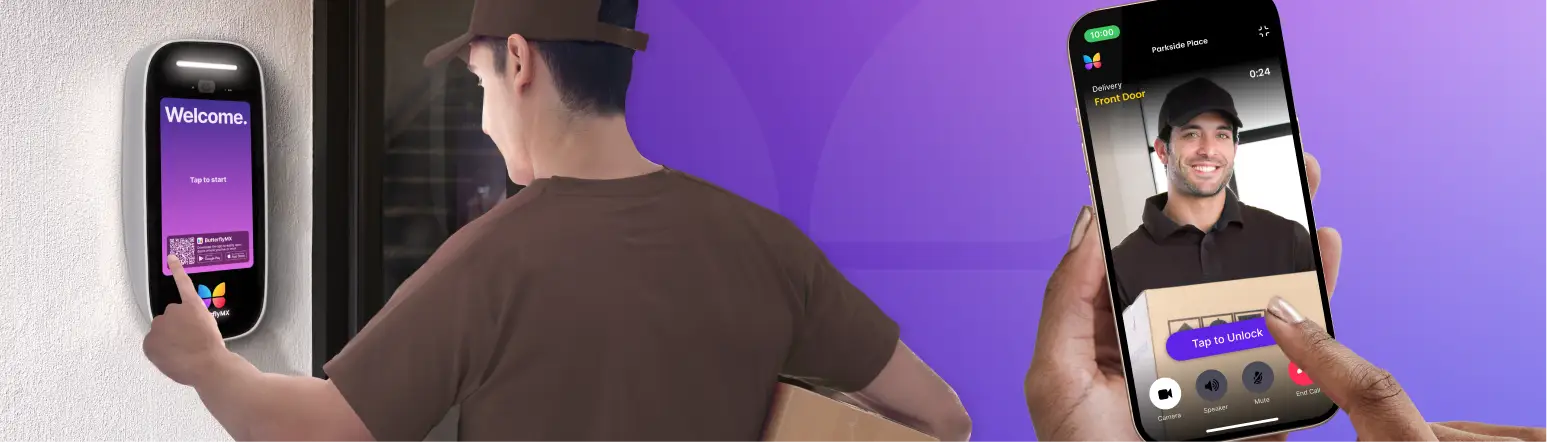
A Video Intercom can help your team manage front-door arrivals by letting staff or authorized users see and speak with visitors before granting access. That can be useful when clients arrive for a booked session, a delivery shows up during setup, or a guest needs to be verified before entering.
Visitor Passes can support temporary guest access for approved visitors. Temporary PINs can be a practical fit for one-time appointments or limited bookings. Mobile access can help staff and authorized renters enter without physical keys. And centralized management can make it easier to update permissions as tenants, bookings, and studio needs change.
For a shared creative facility, that means one system can support a range of access workflows without forcing you to manage every client, tenant, and visitor the same way.
See if ButterflyMX is right for your studio
If you operate a single studio, a multi-room facility, or a creative space with recurring renters, ButterflyMX can help you think through your access points, user types, and arrival workflow. The right setup depends on how your sessions run, who needs recurring access, and how you want to manage visitors without physical keys.
Schedule a ButterflyMX demo to see how appointment-only access control can work for your recording studio or creative co-working space.
Frequently asked questions
How can I give clients temporary access to my recording studio for booked sessions?
You can use temporary credentials such as Temporary PINs or Visitor Passes so clients can enter for an approved session without receiving a physical key. This can help you manage one-time bookings more efficiently.
Can I provide recurring access for clients who rent studio space regularly?
Yes, recurring access may be a better fit for regular renters, engineers, or long-term users. Their permissions can be set based on their role, schedule, and the areas they need to enter.
What access control features matter most for shared recording studios?
Shared studios often need keyless entry, temporary visitor access, recurring user permissions, visibility into entry activity, and centralized management for multiple users or tenants. The most important features depend on how your rooms and entrances are used.
How much does access control cost for a single-location recording studio?
Cost depends on factors such as the number of entry points, hardware requirements, desired features, installation scope, and how many users you need to support. The most useful next step is to request a quote based on your studio’s layout and workflow.
Can an access control system be moved to a new leased location?
Possibly, but it depends on the system, installation method, lease terms, and the setup at the new location. If relocation is a concern, discuss that early with your provider, property owner, and qualified installer.
Get your free quote!
Fill in the form below, and we'll email you right back.
Want a free quote?
Fill in the form below, and we'll email you right back.
You’ll be redirected shortly...