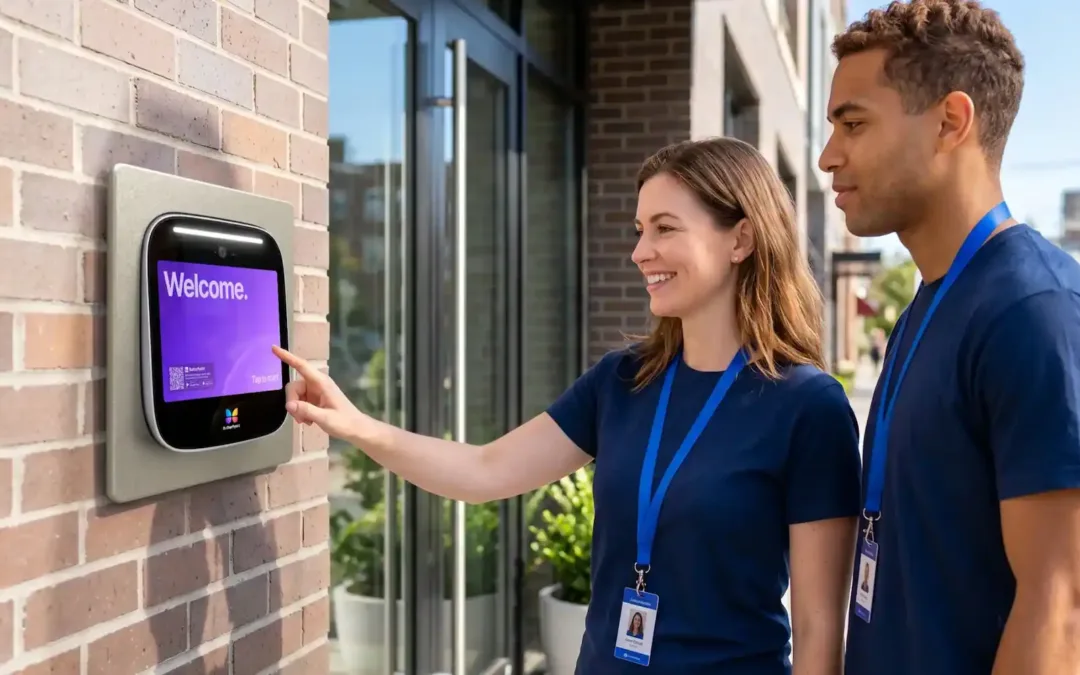
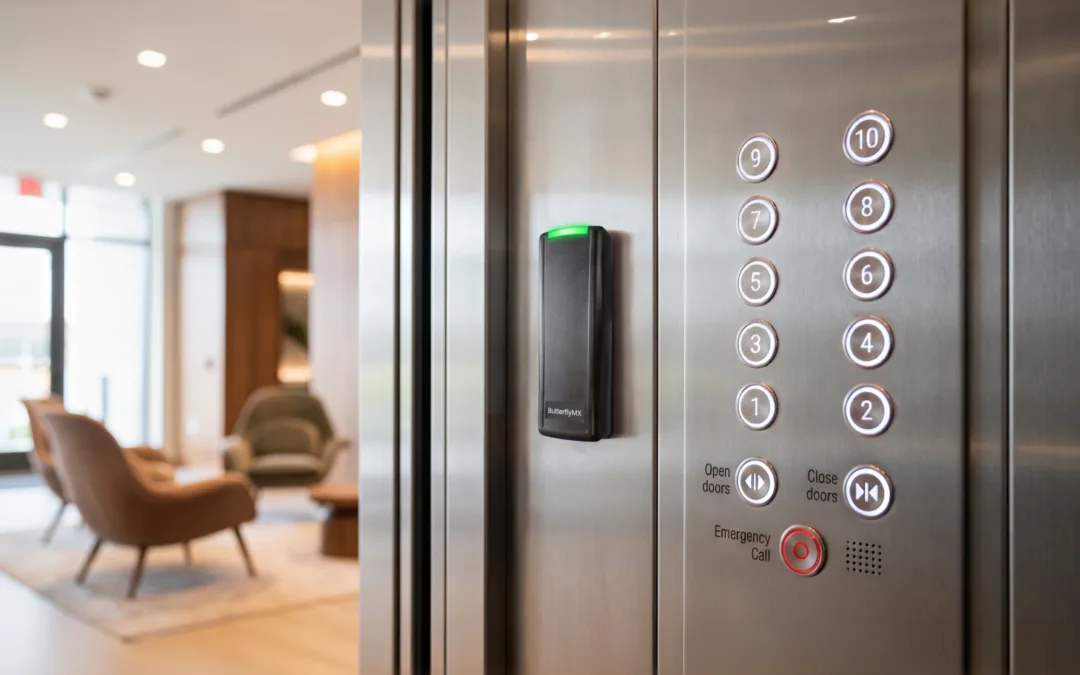
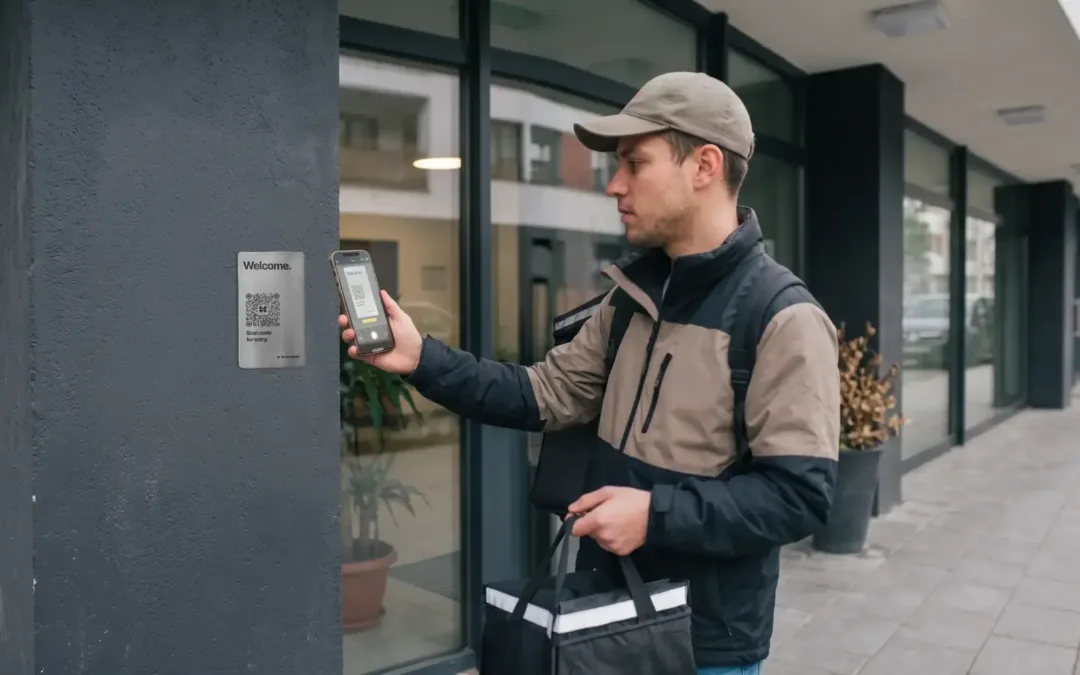
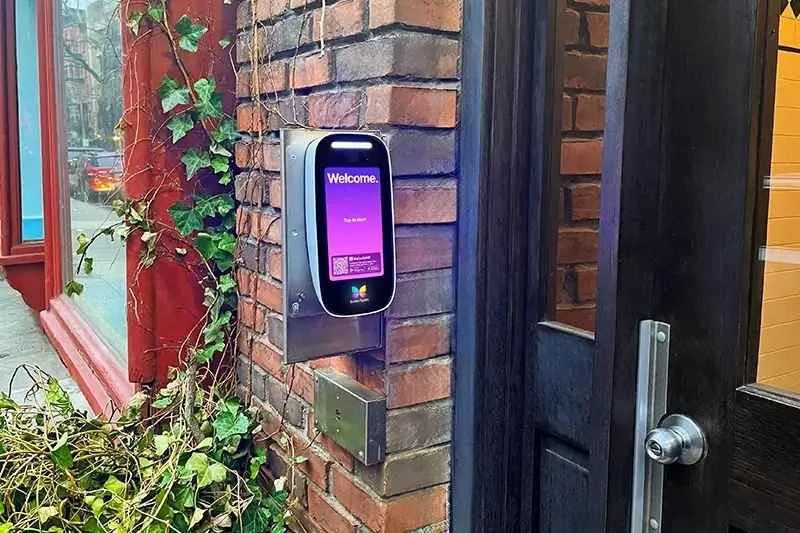
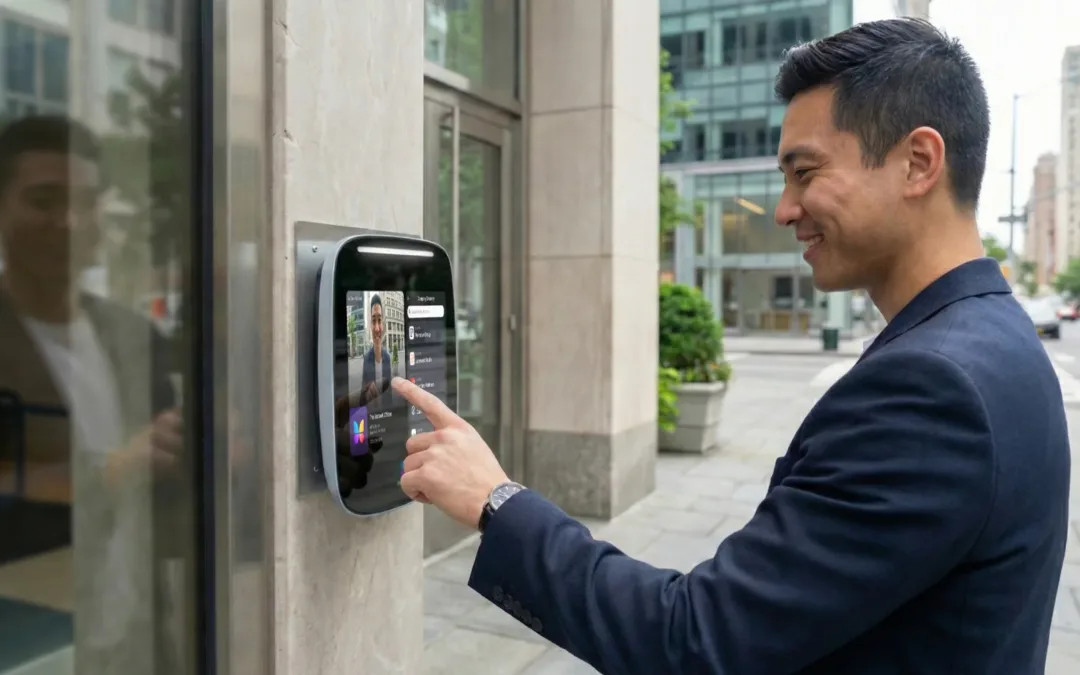
Key takeaways: Scheduled access codes limit entry to approved times, places, and user groups, which makes them useful for pools, gyms, clubhouses, courts, and other shared amenities. The most useful setups pair time-based rules with individual credentials, audit... Read More
Key takeaways Inclusive architecture is the process of designing accessible buildings that fit every person’s accessibility needs. Inclusive design architecture is incredibly important because it makes it possible for persons living with disability to participate in... Read More
As the real estate industry evolves and adapts to the future, every aspect of the business is changing, too. As a result, owners’ and investors’ priorities are evolving as climate change and community become more important. ESG principles can help... Read More
Key takeaways Third places are any public places where a neighborhood resident might choose to spend time. Third places are important for giving a neighborhood a sense of community and for helping neighborhood residents renew their leases. Examples of third places are... Read More
Key takeaways Living wood structures offer a carbon-negative alternative to traditional materials by sequestering CO₂ as trees grow, making them a compelling solution in reducing the real estate sector’s massive 40% emissions footprint. By integrating actual plant... Read More
Key takeaways Low-impact development (LID) mimics natural processes, such as plant absorption and soil infiltration, to manage stormwater. These techniques can free up space on a property and improve curb appeal by avoiding bulky stormwater infrastructure. LID can... Read More