





Key takeaways:
- Video intercoms let residents visually confirm visitors before granting access, which improves daily entry workflows.
- Property staff can reduce routine access interruptions by giving residents, vendors, and guests clearer ways to enter approved areas.
- The right system should fit your entrances, resident needs, delivery volume, and management workflow.
If your team is still managing apartment entry through a buzzer, shared codes, front-desk calls, or manual visitor logs, daily access can become frustrating for everyone. Residents want to let in guests without walking downstairs. Delivery drivers need a clear entry process. Staff need fewer interruptions and better visibility into who is coming and going.
That is how video intercoms improve apartment living. They give residents a way to see and speak with visitors before granting access, while giving property teams a more controlled way to manage guest, vendor, and delivery entry across shared doors, gates, and amenities.
For apartment communities, an intercom system is not just a front-door device. It is part of the resident experience, the security workflow, and the property operations plan.
This guide covers:
- What a video intercom changes for apartment communities
- How video intercoms improve resident, visitor, and delivery access
- How video intercoms support more controlled access
- Operational benefits for property teams
- What to consider before choosing a video intercom
- How ButterflyMX supports apartment access workflows
- FAQs
What a video intercom changes for apartment communities
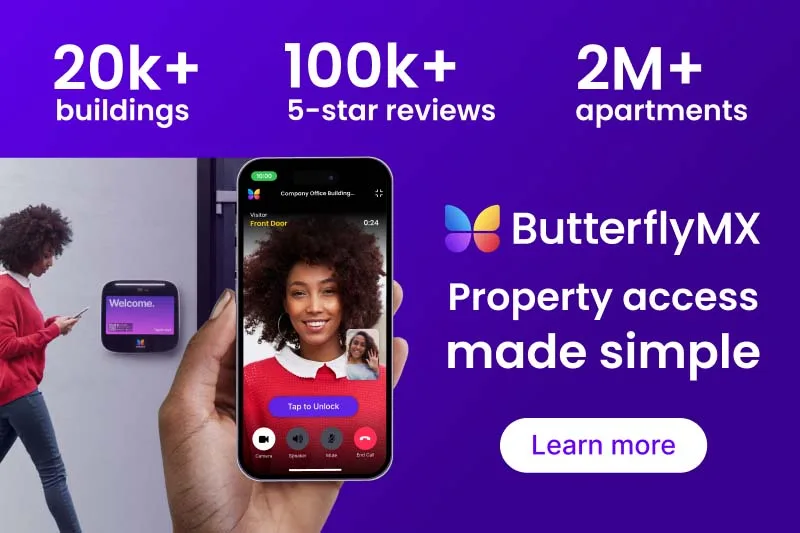
A video intercom lets a visitor call a resident or authorized staff member from an entrance. The resident can see who is there, speak with them, and decide whether to unlock the door or gate. That simple visual step changes the access workflow because entry is no longer based only on a name, a voice, or a shared code.
For residents, this means a guest can call from the lobby, front gate, parking entrance, or package area without requiring the resident to come downstairs. For property staff, it means routine guest access does not have to run through the leasing office every time someone arrives.
The operational takeaway is straightforward: a video intercom creates a clearer handoff between the person requesting access, the person approving access, and the access point being opened.
How video intercoms improve resident, visitor, and delivery access
Apartment access is not one workflow. A resident arriving home, a friend visiting for dinner, a dog walker arriving midday, and a delivery driver dropping off groceries all need different access experiences. A good video intercom helps property teams support these use cases without relying on one shared code or constant staff involvement.
- Residents: Residents can unlock approved entrances from their smartphone after confirming who is requesting access.
- Guests: Visitors can search for or call the resident they are visiting, then wait for approval instead of calling the leasing office.
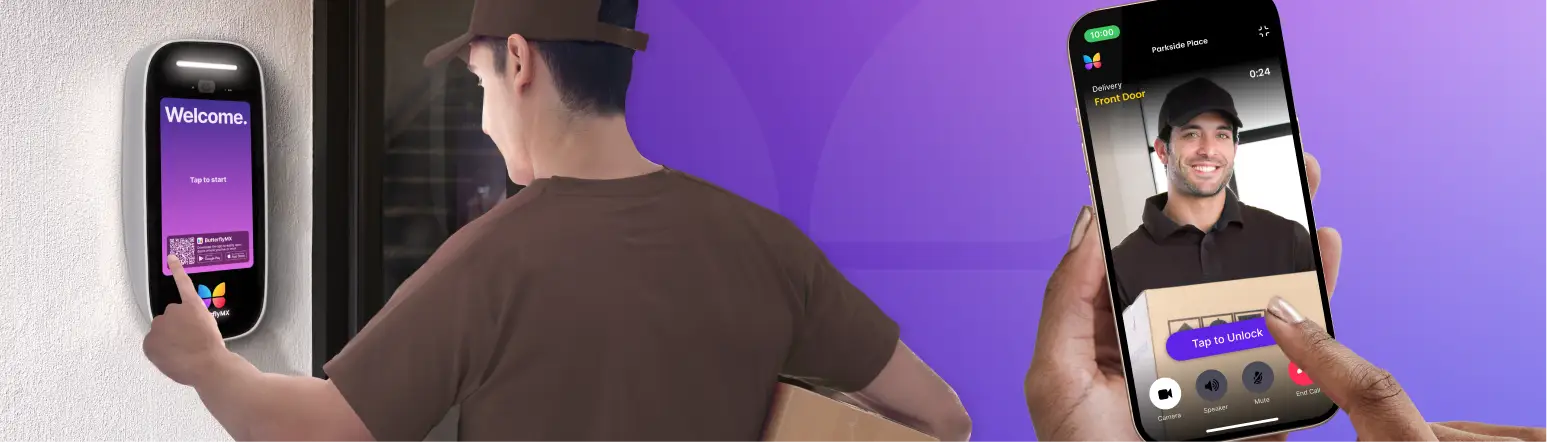
- Deliveries: Delivery drivers can request access through a defined process, helping reduce missed deliveries and lobby confusion.
- Vendors: Property teams can provide access based on rules, schedules, or temporary permissions rather than handing out unmanaged credentials.
For example, a resident who is working from home can speak with a food delivery driver at the entrance and unlock the door without leaving a meeting. At the same time, the property avoids leaving a door propped open or relying on a code that may be shared beyond its intended use.
How video intercoms support more controlled access
Video intercoms do not remove every access risk, but they can give communities more control over entry decisions. Instead of granting access based only on a buzz from downstairs, residents can visually confirm whether the person at the entrance matches the expected visitor.
Property managers also benefit from a clearer access record. Depending on the system, teams may be able to review access activity, adjust permissions, and identify patterns such as repeated after-hours entry requests or heavy delivery traffic at certain doors.
This visibility helps teams make better operational decisions. For instance, if many delivery drivers are entering through the wrong door, staff can update signage, adjust workflows, or change which entrance is used for deliveries. The goal is not to make access complicated. It is to give the property more information and more control over shared entry points.
Operational benefits for property teams
Video intercoms can reduce small access tasks that add up across a busy day. Leasing staff may no longer need to answer every visitor call. Maintenance teams can coordinate vendor access more clearly. Managers can update resident or staff permissions from a centralized workflow instead of tracking access manually.
This matters most at properties with multiple buildings, gates, parking areas, amenity spaces, or frequent deliveries. If every entrance is handled differently, staff may spend too much time troubleshooting calls, resetting codes, or explaining access instructions. A connected intercom workflow helps standardize how people request and receive access.
There is also a resident satisfaction benefit. Residents often judge a property by everyday experiences, such as getting home easily, welcoming guests, or receiving packages without confusion. A video intercom improves apartment living by making those everyday moments easier to manage.
What to consider before choosing a video intercom
The right video intercom depends on your property layout, resident population, staffing model, and access goals. A garden-style community with vehicle gates may need a different setup than a high-rise with a staffed lobby and package room. A student housing property may prioritize move-in turnover and mobile access, while a mixed-use building may need to separate resident, retail, and vendor access.
- Entrance types: Identify the doors, gates, parking areas, elevators, and amenity entrances that need controlled access. For elevators, review the configuration with qualified access control and elevator professionals.
- Resident experience: Consider whether residents prefer smartphone access, directory calling, PINs, key cards, fobs, or a combination of credentials.
- Connectivity: Confirm network requirements, cellular options, and installation needs before choosing hardware.
- Administration: Look at how staff will add residents, remove former occupants, assign vendor permissions, and review access activity.
- Delivery volume: Properties with frequent food, grocery, and package deliveries should define a clear delivery access workflow before installation.
A practical buying question is this: who will manage access after installation? A system that looks simple at one entrance can become difficult if staff must manage multiple directories, codes, or disconnected access points.
Discover how ButterflyMX works:
How ButterflyMX supports apartment access workflows
ButterflyMX helps apartment communities simplify property access with video intercoms and connected access control solutions. Residents can see and speak with visitors before granting entry, helping them manage guests, deliveries, and service providers without routing every request through property staff.
Property teams can manage access from a centralized, cloud-based system. This helps staff add or remove residents, grant or revoke permissions, support vendor access, and adjust access workflows as property needs change. Visitor Passes and delivery PINs can also help communities provide approved guests and delivery providers with more convenient, controlled access based on property rules.
ButterflyMX is especially useful for properties that want to connect resident convenience with stronger operational control. Instead of managing intercom calls, visitor entry, delivery access, and staff permissions as separate tasks, teams can create a more consistent access experience across shared doors, gates, garages, elevators, and amenity spaces.
If you are evaluating how video intercoms improve apartment living at your community, focus on the day-to-day access moments your residents and staff manage most often. The right system should make those moments easier, more visible, and more manageable.
Frequently asked questions
What is a video intercom for apartments?
A video intercom is an entry system that lets visitors call residents or staff from an access point. The resident or staff member can see and speak with the visitor before unlocking the door or gate.
Do video intercoms help with package and food deliveries?
Yes, they can support a clearer delivery workflow. Delivery drivers can request access at an approved entrance, and residents or authorized staff can decide whether to grant entry based on property rules.
Are video intercoms only for apartment front doors?
No. Depending on the property, video intercoms may be used at lobbies, gates, parking entrances, amenity areas, package rooms, or secondary building entrances. The right placement depends on your access plan.
Can residents use their phones with a video intercom?
Many video intercom systems support smartphone-based calling and unlocking. This lets residents manage visitor access even when they are in their unit, at work, or away from the property.
What should property managers look for in a video intercom?
Look for a system that fits your entrances, supports your resident and visitor workflows, is manageable for staff, and provides useful visibility into access activity without creating extra administrative work.
Get your free quote!
Fill in the form below, and we'll email you right back.
Want a free quote?
Fill in the form below, and we'll email you right back.
You’ll be redirected shortly...