





Key takeaways:
- New apartment developments typically compare WiFi, Bluetooth, and offline unit locks based on management workflow, resident experience, and integration needs.
- The right unit lock choice depends on how it fits with your broader access plan for entrances, amenities, visitors, and garage access.
- Developers should evaluate unit locks early so hardware decisions, credential strategy, and access control planning stay aligned.
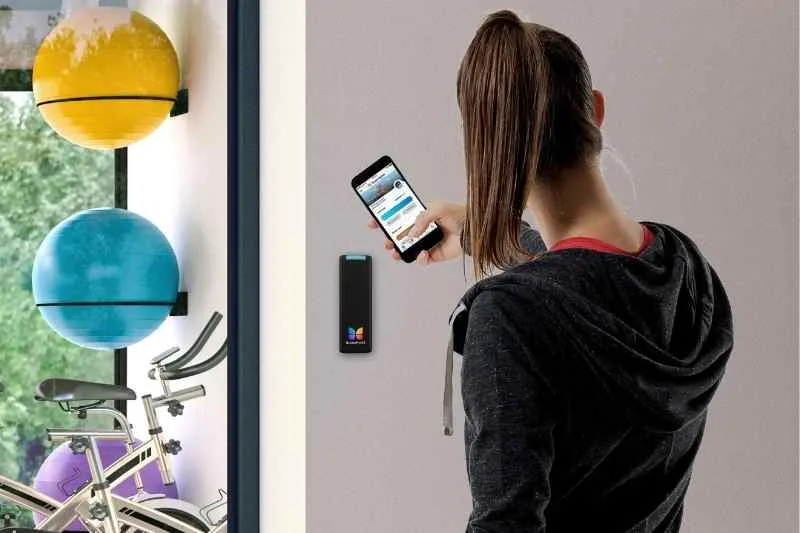
If you are planning a new apartment development, choosing unit locks can feel like a small hardware decision that suddenly affects everything else. Once you start comparing resident entry, move-ins, amenity access, visitor workflows, and app management, the lock decision becomes part of your entire access strategy.
The main keyless unit entry options for new apartment developments are WiFi smart locks, Bluetooth smart locks, and offline or no-tour locks. The right fit depends on how you want staff to manage access, how residents will unlock doors, what kind of connectivity you want to support, and whether unit locks should work alongside intercoms, shared spaces, fobs, and vehicle access.
For most teams, the goal is not just adding smart locks. It is choosing a setup that supports daily property operations without creating a disconnected experience for residents or extra work for staff.
This guide covers:
- What are the best keyless unit entry options for new apartment developments?
- WiFi, Bluetooth, and offline unit locks compared
- How to choose smart lock integrations for multifamily buildings
- When to select keyless unit locks during new construction planning
- How ButterflyMX supports integrated apartment access
- FAQ
What are the best keyless unit entry options for new apartment developments?
The best keyless unit entry option depends on the kind of property experience you want to deliver and the management workflow your team can realistically support. In most new apartment projects, developers compare three broad categories: WiFi smart locks, Bluetooth smart locks, and offline or no-tour locks.
The main options developers should compare
WiFi smart locks are connected locks that can support more remote and app-based workflows. They are often considered when a property wants more connected management, but they also require planning around network expectations, battery maintenance, and system coordination.
Bluetooth smart locks are commonly evaluated when teams want keyless entry with less dependence on building-wide WiFi at every unit door. They can support convenient resident entry, but the exact management experience varies by system and should be reviewed carefully during planning.
Offline or no-tour locks are usually selected when teams want a simpler lock setup or want to reduce ongoing connectivity requirements. These options may still support digital workflows, but they often involve a different approach to updates, credential changes, and staff operations.
Some developments use one lock approach across every unit. Others consider a mix based on building layout, staffing model, or operational priorities. The key is not choosing the most advanced-sounding lock. It is choosing the one that fits your property operations.
Why unit lock decisions affect the whole access plan
Unit entry is only one part of the resident journey. A resident may use one credential to open the main entrance, another for the package room, a third for the fitness center, and a separate method for their apartment door. That kind of fragmented setup can create confusion for residents and more administrative work for staff.
For example, imagine a new mid-rise community that wants residents to enter the lobby with a mobile app, grant guest access through the intercom, use fobs for amenity spaces, and unlock their apartment unit without a physical key. If the unit lock decision is made in isolation, the property may end up with disconnected systems that require separate onboarding, separate management tools, and separate troubleshooting processes.
That is why keyless unit entry options for new apartment developments should be reviewed as part of the broader access plan, not as a late finish selection.
WiFi, Bluetooth, and offline unit locks compared
Developers usually compare unit lock types across the same practical questions: How will residents unlock the door? How will staff manage access? What maintenance should the team expect? And how easily can the lock strategy work with the rest of the building’s access control system?
- Connectivity: WiFi locks rely on network connectivity, Bluetooth locks typically rely on short-range communication, and offline locks reduce dependence on live connections.
- Management workflow: Connected locks may support more centralized visibility, while Bluetooth fallback or offline options may involve a different process for changes and updates.
- Resident experience: Some residents prefer app-based entry, while others may still expect backup credentials or coordinated access to shared spaces.
- Maintenance: Every smart lock requires operational planning, especially around batteries, turnover, and support.
- Integration: The biggest difference is often not the door hardware itself, but how the lock works with your wider access platform.
Pros and cons of WiFi connected smart locks for apartment units
WiFi connected smart locks for apartment units are often appealing because they can support a more connected management experience. For a lease-up team or property manager, that can mean better visibility into unit access activity, easier coordination during resident onboarding, and a more app-based experience across the property.
A practical example is a new development preparing for staggered move-ins. If the access setup supports connected workflows, staff may be able to coordinate resident access updates without relying on in-person key handoff for every unit change. That can help leasing and operations teams move faster during busy turnover periods.
But WiFi locks also come with planning considerations. Developers should think about how the connectivity approach affects battery expectations, support responsibilities, and coordination with the broader building technology plan. A connected lock may offer more convenience in one area while adding complexity in another if the property is not prepared to support it.
WiFi is often attractive when your priority is centralized management and a more connected resident experience, but it should be evaluated alongside staffing, support model, and integration goals.
Pros and cons of Bluetooth and offline unit locks for apartments
Bluetooth unit locks for apartments can be a practical middle ground for teams that want keyless resident entry without making each unit door part of a fully WiFi-dependent setup. Depending on the system, they may support a simple resident experience while reducing some network planning demands.
That said, the tradeoff is usually in the management workflow. Developers should ask how credentials are issued, how changes are made, and what happens during common apartment events such as a move-out, a maintenance visit, or a lock reassignment between residents.
Offline or no-tour locks can also make sense in multifamily, especially when a team wants a simpler operating model or lower dependence on live connectivity. These locks may be easier to fit into some projects, but they can require more deliberate planning around how staff handle updates, audits, and exceptions.
Consider a property management team with limited onsite staff. If unit locks are harder to update or monitor within the daily workflow, routine tasks such as granting temporary vendor access or preparing a unit for a new resident may take more manual coordination. In that case, a simpler lock on paper may create more work in practice.
The key tradeoff is not just WiFi versus offline. It is whether the lock type supports the daily operating model your team wants to run.
How to choose smart lock integrations for multifamily buildings
Many new developments run into trouble when unit locks are selected first and access control is considered later. That approach can leave property teams trying to connect systems that were never planned to work together well.
It is better to evaluate smart lock integrations for multifamily buildings at the same time you evaluate your broader access strategy. That includes the main entrance, amenity spaces, intercom workflows, staff access, delivery access, fobs, and vehicle or garage entry where applicable.
What compatibility really means
Compatibility is not just whether two products can technically connect. For a multifamily property, compatibility should mean the workflow makes sense for real operations.
Ask questions like:
- Can residents use a coordinated access experience for their unit and shared spaces?
- Can staff manage permissions without jumping between too many systems?
- How are new residents onboarded during move-in?
- How are access changes handled during move-out or transfers?
- Can visitor and delivery access work alongside resident unit access?
- Will managers have the visibility they need to review activity and adjust permissions?
For example, a resident may expect one simple process for entering the garage, opening the front door, receiving guests at the intercom, and unlocking their apartment unit. Even if those workflows involve different hardware, the property should think carefully about whether the overall experience feels coordinated or fragmented.
Questions to ask before selecting a lock brand or type
Before choosing a unit lock system, developers and operators should ask a short list of practical questions:
- How will this lock fit into the property’s full access plan? Unit entry should be evaluated alongside lobby access, amenity access, and parking or garage workflows.
- What will resident onboarding look like? A good setup should make move-ins easier, not create extra app downloads and confusing instructions.
- How will staff handle everyday changes? Think about maintenance visits, staff turnover, unit turns, and temporary access for vendors.
- What kind of management visibility will the team have? Managers often want a clearer view of access activity and fewer manual workarounds.
- Can the lock strategy support a coordinated credential experience? The exact answer depends on supported integrations, but this should be part of the conversation early.
- What do the access control provider and qualified installer recommend for this specific project? They can help confirm whether the intended workflow matches the building plan.
This is also where developers should be careful about assuming all smart lock brands compatible with access control systems work the same way. Two products may both be described as integrated, but the management workflow can still look very different in practice.
When to select keyless unit locks during new construction planning
Developers should evaluate unit locks early enough that the decision can be coordinated with access control planning, procurement, and door hardware choices. You do not need to finalize every operational detail on day one, but you also do not want to wait until lock selection has become a late-stage purchasing item.
Why early planning matters
Keyless unit entry planning for new construction multifamily projects affects more than the apartment door. It can influence how residents receive credentials, how staff manage access, how visitors are handled at the entrance, and whether your app experience feels unified or pieced together.
Picture a development team that chooses unit locks late, after decisions have already been made around intercoms, mobile credentials, and amenity access. The result may be a property where residents use one system to enter the building, another to access the gym, and a third to enter their unit. Staff then have to train residents across multiple systems and manage permissions in separate places.
Early planning helps reduce that risk. It gives the project team time to compare workflows, review compatibility, and align lock selection with the broader resident access experience.
It also gives owners and operators a better chance to think through practical questions before the building opens. For example, who will handle support requests? How should after-hours vendor access work? What happens if a resident loses a fob but still has mobile access? Those are operating questions, not just hardware questions.
Who should be involved in the decision
The strongest unit lock decisions usually involve more than one stakeholder. A developer may care about procurement and long-term asset value. A property management team may focus on move-ins, support burden, and resident experience. An architect or general contractor may need to coordinate the decision with other project scopes. An access control provider and qualified keyless entry installer can help review technical fit and workflow feasibility.
Common stakeholders include:
- Developer or owner
- Asset manager
- Property management or operations team
- Architect
- General contractor
- Door hardware consultant, when applicable
- Access control provider
- Qualified installer
If your project has unusual access requirements, the team should also confirm details with the appropriate qualified professionals rather than relying on assumptions made during product selection.
Discover how ButterflyMX works:
How ButterflyMX supports integrated apartment access
Choosing apartment smart locks is only one part of creating a modern access experience. The bigger question is how residents, staff, guests, and vendors move throughout the property after those locks are installed.
That is where an integrated access strategy matters.
ButterflyMX helps multifamily properties create a more connected access experience across the entire community. Through one centralized platform, properties can manage access for building entrances, gates, garages, amenities, elevators, and other shared spaces while integrating with select smart lock solutions for unit entry.
The result is a simpler experience for residents and a more manageable system for property teams.
Connecting unit access with the rest of the property
For residents, integrated access means fewer disconnected systems to navigate. A resident can use their smartphone to enter the garage, unlock the main entrance, access amenities, and receive visitor calls through the same ButterflyMX app they already use for property access.
For property teams, integration helps reduce the operational challenges that come with managing separate access systems. Instead of switching between multiple platforms to update permissions, review activity, or troubleshoot access issues, teams have a clearer view of how people enter and move throughout the property.
This is especially valuable when:
- A new resident moves in and needs access activated quickly.
- A vendor requires temporary access to complete work.
- A leasing team is preparing units and managing property tours.
- A manager needs to update permissions or review entry activity.
ButterflyMX does not manufacture or replace unit smart locks. Instead, it helps properties create a more complete access strategy by connecting building entry, shared spaces, vehicle access, and integrations into a single platform.
How to evaluate whether ButterflyMX is right for your development
When planning access for a new apartment community, it is important to consider more than individual entry points. Unit locks, building entrances, parking areas, amenities, and visitor access should all work together as part of one cohesive experience.
Bringing ButterflyMX into the planning process early can help teams evaluate:
- How residents will access different areas of the property.
- How unit entry should connect with common-area access.
- Whether mobile access, fobs, intercoms, and vehicle entry should work together.
- How onsite teams will manage access after move-in.
- Which integrations best support the property’s long-term goals.
By planning access as a complete system instead of a collection of separate solutions, developers and operators can create a smoother experience for residents while making day-to-day management easier for their teams.
FAQs
What are the main keyless unit entry options for new apartment developments?
The main options are WiFi smart locks, Bluetooth smart locks, and offline or no-tour locks. Developers usually compare them based on connectivity, resident experience, staff workflow, maintenance expectations, and how well they fit into the broader property access plan.
What are the pros and cons of WiFi vs offline smart locks for apartment units?
WiFi locks may support a more connected management experience, but they require more planning around connectivity and ongoing support. Offline locks can reduce dependence on live connections, but they may involve more manual or separate management workflows depending on the system.
Can unit smart locks and amenity access be managed from one app?
In some cases, unit locks and amenity access can be coordinated through one platform or a more unified access experience, but it depends on the supported integrations and property setup. Developers should confirm the actual workflow rather than assume all systems will work together the same way.
How far in advance should developers select unit locks during construction?
Developers should evaluate unit locks early enough in the construction process to align the decision with access control planning, door hardware coordination, procurement, and installer input. The goal is to avoid treating unit locks as a last-minute hardware choice after bigger access decisions have already been made.
Should developers choose a lock brand first or the access platform first?
It is usually better to evaluate them together. A lock that looks appealing on its own may not support the resident experience or management workflow you want once building access, amenities, intercoms, and parking are part of the picture.
Get your free quote!
Fill in the form below, and we'll email you right back.
Want a free quote?
Fill in the form below, and we'll email you right back.
You’ll be redirected shortly...