





Key takeaways:
- POTS lines are being phased out at different speeds by carrier and region, so property teams should identify every analog-dependent system before a price increase, repair issue, or retirement notice forces a rushed decision.
- Cellular gateways, VoIP, ATA devices, fiber, and hybrid retrofits can keep some legacy equipment connected, but they don’t necessarily improve resident calling, visitor access, directories, or delivery entry.
- Cloud-based video intercoms can replace many POTS-dependent telephone entry systems, while fire alarm monitoring and elevator emergency phones should be reviewed separately with qualified vendors and local authorities.
A POTS retirement notice can turn one old phone line into a much bigger building question. Is that line only serving an office phone, or is it tied to an elevator emergency phone, a fire alarm communicator, a gate call box, or the lobby telephone entry system residents use every day?
POTS lines are going away because carriers are retiring aging copper networks and moving customers toward digital, fiber, VoIP, LTE, and 5G-based services. There isn’t one national shutoff date for every property, but carrier notices, rising line costs, limited repair support, and regional copper retirement plans are already creating real planning deadlines.
For property managers, the important move is to separate systems that need compliant telecom continuity from systems that may be better replaced altogether. A fire alarm communicator and a legacy telephone entry panel might both use analog phone lines, but they shouldn’t be evaluated the same way. One may require code-aware review with a vendor or local authority. The other may be an opportunity to replace an outdated call-box model with cloud-based access control.
That distinction shapes the whole decision. Before you choose a POTS replacement, you need to know what each line does, what risk it carries, and whether keeping the old device alive is actually the smartest long-term plan.
This guide covers:
- What are POTS lines, and why are they going away?
- POTS phase-out timeline: what to watch in 2026 and beyond
- How the POTS phase-out affects building systems
- POTS replacement options for buildings
- How to compare POTS replacement options
- Why video intercoms are a modern alternative for building entry
- How to prepare your property for the POTS phase-out
- FAQs
More than 100K, 5-star ratings!
Video Intercoms
Open doors, gates & garages from anywhere.

QR Code Intercom
Smartphone-based visitor access.
Access Control
Fob, key cards, PINs, and mobile apps.
Security Cameras
Visibility throughout your property.
Vehicle Access
Hands-free access for gates & garages.
Package Room
Receive, store, and manage deliveries.
Smart Locks
Connect to all major brands and models.
Elevator Controls
Unlock key-fobbed elevators for anyone.
Front Desk Station
See all your doors and cameras in one place.
What are POTS lines, and why are they going away?
POTS stands for Plain Old Telephone Service, the traditional analog phone service delivered over copper telephone lines. For decades, these lines carried voice calls and became the default connection for many building devices because installers understood them, carriers supported them widely, and the service was relatively simple to monitor.
Definition: POTS lines are copper-based analog phone lines used for voice calling and certain connected devices. In buildings, they may support telephone entry systems, elevator emergency phones, alarm panels, fax machines, gate call boxes, and other legacy equipment designed before internet-based communication became common.
The pressure on POTS comes from the network underneath it. Copper infrastructure is expensive for carriers to maintain compared with newer digital networks, so providers have been shifting customers toward VoIP, fiber, cellular, and cloud-based communication options. You may see this transition described as the copper sunset, copper retirement, POTS replacement, or copper line discontinuation.
That doesn’t mean every analog line will stop working on the same day. It does mean POTS should be treated as aging infrastructure. A line that works today may become more expensive, harder to repair, or unavailable when a carrier changes service in your area. For a property, the risk depends less on the phone line itself and more on what the line controls.
Discover how ButterflyMX works:
POTS phase-out timeline: What to watch in 2026 and beyond
The POTS phase-out timeline varies by carrier, location, service type, and local regulatory requirements. Some research and carrier communications point to deadlines or major service changes as early as 2026, but property teams shouldn’t plan around a single date unless it’s been confirmed for their address.
FCC policy has given carriers more flexibility to retire legacy copper services, but the FCC isn’t turning off every POTS line on one nationwide schedule. In practice, carriers such as AT&T, Verizon, Lumen, and CenturyLink may handle copper retirement through market-specific notices, service changes, pricing updates, or migration recommendations. Verify current details directly with your carrier or through applicable regulatory filings for your area.
The practical warning signs often arrive before final discontinuation. A carrier may raise monthly charges, limit repair commitments, discourage new analog lines, or send a notice about replacement services. Any of those events should trigger an internal review, especially if a failed line could affect access, inspections, monitoring, or emergency communication.
Ask your carrier for written details on each line: what it supports, whether it’s subject to retirement, what replacement services are available, and whether any deadline applies to your property. That documentation helps you decide which systems need immediate continuity and which belong in a broader modernization plan.
How the POTS phase-out affects building systems
Many buildings have more analog lines than anyone has recently counted. A multifamily property may have one line for a lobby telephone entry system, another for elevator emergency communication, another tied to fire alarm monitoring, and additional lines for security panels, fax machines, pool phones, or gate call boxes. Commercial buildings, senior living communities, student housing, HOAs, and gated communities can have the same dependencies spread across entrances, mechanical rooms, and service areas.
The most important distinction is between access-control systems and regulated life-safety communications. A legacy telephone entry system uses a phone line so a visitor can call a resident from the entrance. Replacing that panel with a modern video intercom is an access-control decision. Fire alarm monitoring and elevator emergency phones, by contrast, may be subject to NFPA 72, ASME A17.1, inspection requirements, and local Authority Having Jurisdiction interpretation.
That difference matters because a technically convenient replacement may not be acceptable for every device. A cellular gateway or VoIP adapter may work for some analog equipment and be inappropriate for other systems, depending on manufacturer guidance, monitoring rules, local code, signal quality, and backup power. A video intercom can modernize building entry, but it shouldn’t be treated as a universal replacement for fire alarm communicators or elevator emergency phones.
Start with an inventory before selecting products. For each analog line, document the line number, carrier, monthly cost, connected equipment, physical location, vendor, repair history, and whether the system is life-safety, security, access control, operational, or convenience-related. Once the lines are mapped, the replacement conversation becomes much clearer.
POTS replacement options for buildings
A POTS replacement can mean several different things. Sometimes you’re preserving an analog device through a new connection. Sometimes you’re replacing voice service with a digital alternative. And sometimes you’re removing the old device because the process it supports, such as telephone entry, no longer makes sense for the property.
Cellular gateways and POTS in a Box devices
Cellular POTS replacement devices use LTE or 5G service to emulate an analog phone line for certain equipment. They can be useful when a property needs to keep existing hardware online after copper service becomes unavailable. Their suitability depends on signal strength, power backup, monitoring requirements, device compatibility, and whether the application is accepted for that use case.
VoIP and ATA solutions
VoIP replacement uses internet-based phone service. An Analog Telephone Adapter, or ATA, can allow some analog devices to connect through IP-based service. This can work well for certain voice applications, but specialty systems such as alarms, elevators, and older entry panels may require careful testing and approval. Broadband reliability and backup power become part of the decision.
Fiber and cloud phone systems
Fiber-based service and cloud phone systems can modernize office voice needs and improve connectivity for management spaces. They don’t automatically solve legacy telephone entry, resident directories, mobile credentials, or delivery access. If the problem is a lobby call box that depends on resident phone numbers and manual directory updates, a phone-system upgrade may preserve calling while leaving the entry experience mostly unchanged.
Modern access-control systems
For building entry, a modern video intercom or cloud-based access control system may be the more useful long-term move. Instead of adapting an old telephone entry system to a new connection, the property replaces the analog entry model with smartphone visitor calling, mobile access, cloud directory management, and remote permission control.
How to compare POTS replacement options
The right option depends on what the line actually does. A fire alarm communicator, an elevator emergency phone, a general voice line, and a telephone entry system may all use POTS, but they don’t have the same technical, operational, or compliance requirements.
- Legacy POTS service: Best for existing analog systems where service is still available and affordable. It offers native support for older devices, but it carries the risk of carrier retirement, rising costs, and limited modernization value.
- Cellular gateway or POTS in a Box: Best for keeping some analog equipment online when copper is retired. It can preserve a familiar device, but it depends on cellular signal quality, backup power, monitoring rules, and equipment compatibility.
- VoIP or ATA solution: Best for voice applications or analog devices that can work through IP conversion. It may be practical for some uses, but power, broadband reliability, device testing, and code acceptance need attention.
- Fiber or cloud phone system: Best for broader voice modernization and reliable IP connectivity. It can improve office communication, but it isn’t a full building entry system by itself.
- Cloud-based video intercom: Best for replacing legacy telephone entry and modernizing building access. It adds video verification, smartphone visitor calling, mobile access, and cloud directories, but it isn’t a replacement for specialized fire alarm communicators or elevator emergency phones.
A useful way to frame the decision is continuity versus modernization. Continuity keeps a required device operating. Modernization asks whether that device is still the right way to manage access, visitors, deliveries, and residents. Many properties will need both approaches because regulated systems and entry systems solve different problems.
Why video intercoms are a modern alternative for building entry
Legacy telephone entry systems were designed around the limits of analog phone lines. A visitor finds a resident in the directory, the panel places a phone call, and the resident grants access through a keypad command. The model can still work, but it often lacks video, depends on accurate phone numbers, and leaves staff managing directories through older hardware or vendor support.
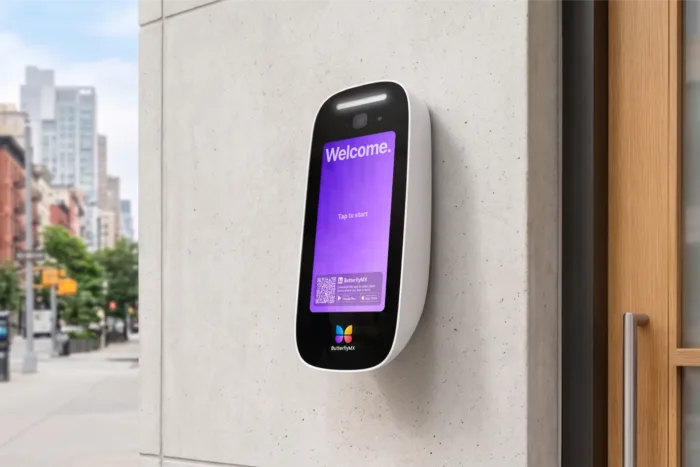
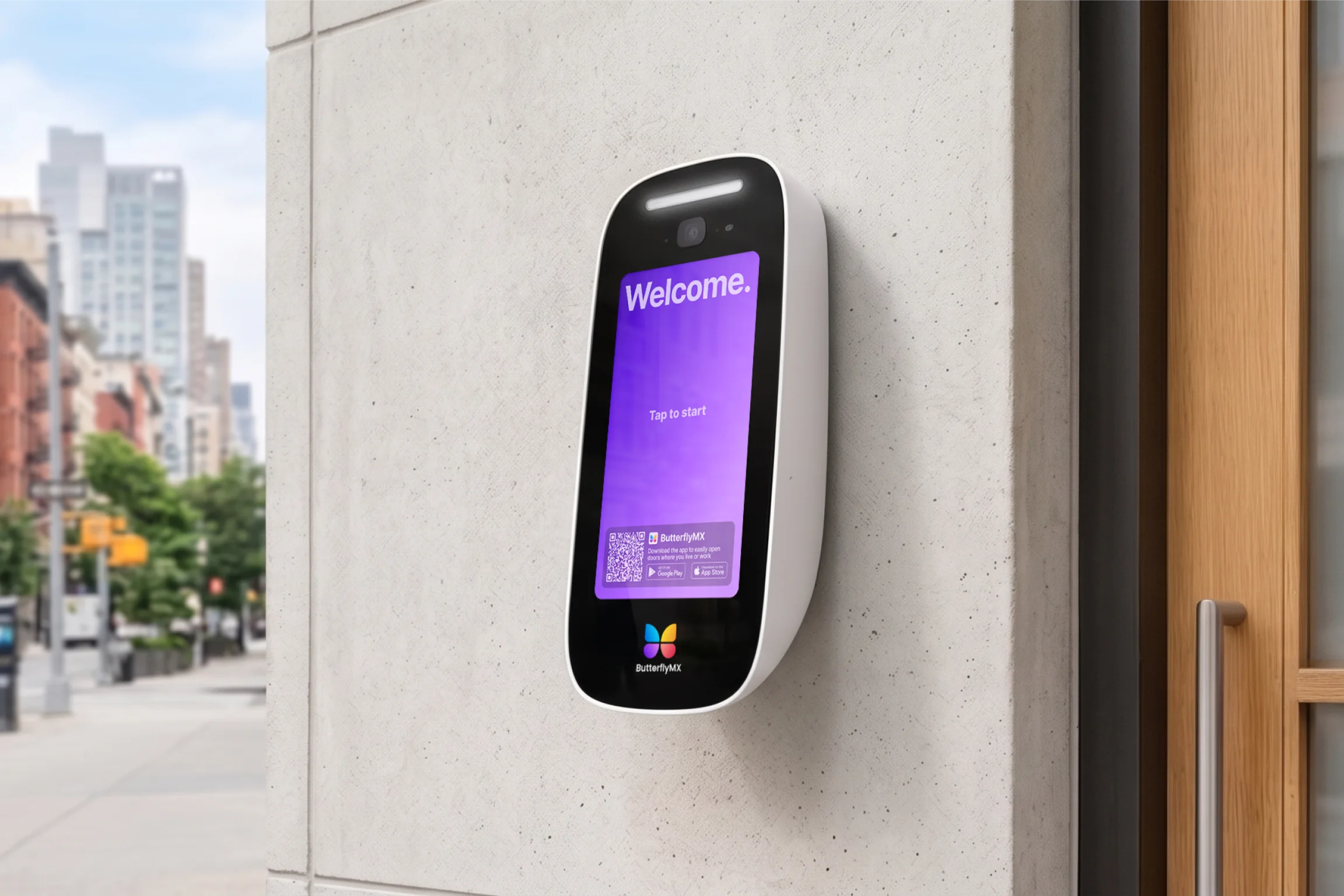
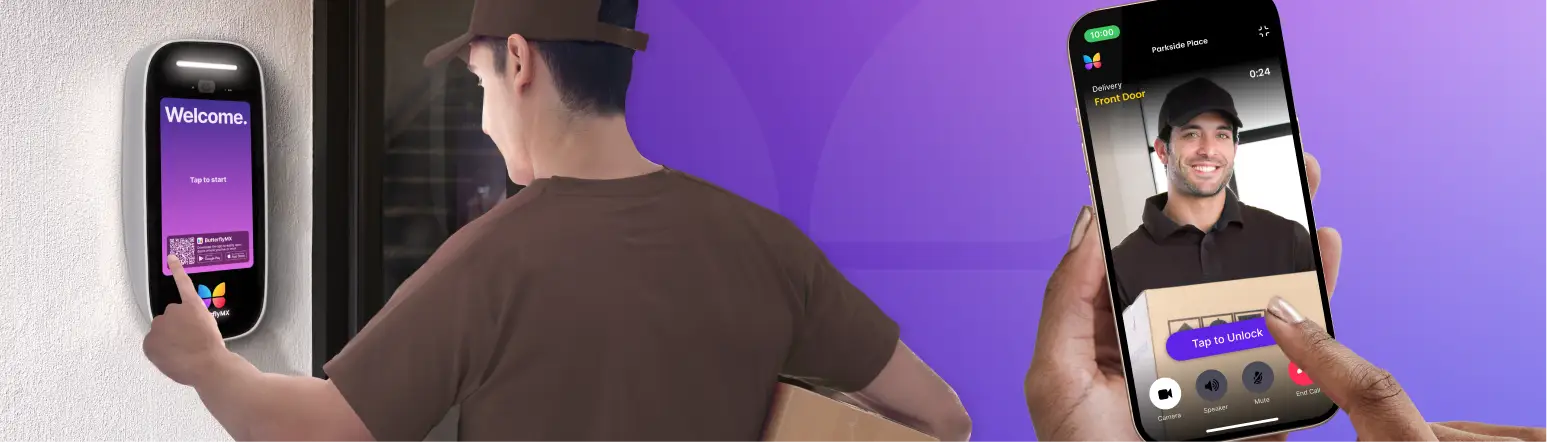
ButterflyMX video intercoms don’t rely on traditional POTS telephone lines for building entry. Residents can receive visitor calls on their smartphones, see who is at the entrance, and grant access remotely when appropriate. For a property replacing a POTS-dependent call box, that changes the project from a phone-line patch into an access-control improvement.
The operational difference shows up in daily property management. Staff can manage directories remotely, adjust permissions, and support access needs without going to the entrance panel. Features such as mobile access, Visitor Passes, Delivery PINs, and property management software integrations can give residents, approved guests, vendors, and delivery drivers more practical ways to enter than a basic analog call.
The fit is specific: building entry. If your POTS inventory includes a lobby intercom, gate call box, or telephone entry panel, a video intercom system may remove that POTS dependency while improving visitor access. Fire alarms, elevator emergency phones, and other regulated systems should remain on a separate review track with qualified vendors and local authorities.
How to prepare your property for the POTS phase-out
A rushed POTS replacement can lead to avoidable costs, missed dependencies, or systems that pass a quick test but fail the real requirements of the building. A planned approach gives your team time to match each line with the right replacement path.
- Inventory every analog line. Identify the carrier, line number, monthly cost, location, connected equipment, and responsible vendor.
- Confirm your carrier timeline. Ask for written information about copper retirement, service availability, repair support, and recommended migration options for your address.
- Classify each system. Separate life-safety, elevator, fire alarm, security, access-control, voice, and convenience uses so each one is evaluated correctly.
- Review compliance-sensitive systems. Work with the elevator contractor, fire alarm vendor, monitoring provider, inspector, or AHJ before changing regulated communication paths.
- Compare continuity and modernization options. Use cellular, VoIP, ATA, or hybrid retrofits where legacy equipment must remain in service. Consider video intercoms where the issue is outdated building entry.
- Budget and schedule the work. Include equipment, installation, connectivity, monitoring, software, maintenance, testing, and resident communication in the plan.
Property type can influence the order of work. Multifamily and student housing communities may prioritize resident directories, visitor calling, and package access. Commercial buildings may focus on staff, tenant, vendor, and lobby access. Senior living communities should pay close attention to emergency communication and resident support. HOAs and gated communities may need to evaluate gate call boxes, cellular coverage at remote entrances, and visitor access for residents who aren’t always on site.
The goal is to avoid spending money twice: first on a temporary patch for a system you plan to replace, then again on the modernization project. Separate the urgent telecom issues from the long-term access-control opportunities, and you’ll have a much cleaner plan.
FAQs
When are POTS lines going away?
POTS lines are being phased out now, but the exact timing depends on carrier, region, service type, and local requirements. Some properties may face deadlines or major service changes as early as 2026, so verify your address-specific timeline with your carrier.
What is replacing POTS lines?
Common POTS replacements include cellular gateways, VoIP service, Analog Telephone Adapters, fiber-backed phone systems, cloud phone systems, and modern video intercoms for building entry. The best option depends on what the line supports.
Are POTS lines required for elevators?
Not always, but elevator emergency communication may be subject to ASME A17.1, local code, inspection rules, and AHJ interpretation. Work with your elevator vendor and local authority before replacing an elevator phone line.
Can video intercoms replace POTS for building entry?
Yes, many legacy telephone entry systems can be replaced with modern video intercoms that don’t rely on traditional POTS lines. Evaluate this separately from fire alarm monitoring, elevator emergency phones, and other regulated systems.
The POTS phase-out is a telecom change, but for managed properties it quickly becomes an access, safety, and planning issue. The properties that handle it well will know which copper lines support regulated systems, which ones support everyday entry, and which old devices are worth replacing instead of preserving.
If a line supports a fire or elevator system, bring the right specialists into the decision early. If the line supports a legacy telephone entry system, consider whether adapting the old call box is worth it when a cloud-based video intercom can modernize visitor access, mobile access, delivery entry, and directory management.
Ready to replace legacy telephone entry without relying on traditional POTS lines? Schedule a ButterflyMX demo to see how modern property access can support residents, visitors, staff, and deliveries.
Get your free quote!
Fill in the form below, and we'll email you right back.
Want a free quote?
Fill in the form below, and we'll email you right back.
You’ll be redirected shortly...