





Key takeaways:
- Many HOAs can replace routine virtual gate attendant tasks by combining license plate recognition, a video intercom, visitor passes, and delivery PINs.
- The real comparison is not just monthly cost. It is resident entry, guest access, delivery workflows, security visibility, and admin effort.
- Before making a change, map every gate workflow to confirm where automation works well and where live support may still be needed.
If your HOA is paying for a 24/7 virtual gate attendant to monitor a gate guard house, you are probably asking a practical question, not a technical one: can we stop paying recurring monitoring fees without creating longer lines at the gate, more resident complaints, or more work for staff?
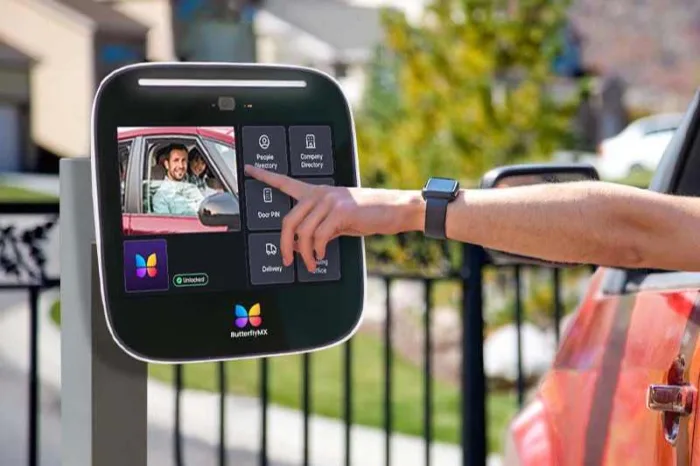
In many gated communities, the answer is yes. You can often replace a 24/7 virtual gate attendant with license plate reader access if resident vehicles, visitor entry, deliveries, and after-hours access are handled through a complete gate workflow that includes LPR, a video intercom, visitor passes, delivery PINs, and remote gate opening.
The key is to compare what your current service actually does each day against what an automated gate system can handle just as well, and where your community may still want human backup for exceptions.
This guide covers:
- Can you replace a 24/7 virtual gate attendant with a license plate reader?
- Automated gate system vs virtual attendant: what to compare
- How license plate reader access works for a gated community
- How visitors, vendors, and deliveries get access without a virtual attendant
- How ButterflyMX helps HOAs automate gated access
- FAQs
Can you replace a 24/7 virtual gate attendant with a license plate reader?
Many single-family HOA communities can replace a 24/7 virtual gate attendant for routine access events, but usually not with a license plate reader alone.
That distinction matters. A license plate reader is strongest for known vehicles, such as residents, board members, or approved staff vehicles that use the gate regularly. A virtual attendant typically covers a wider mix of situations, including visitor calls, delivery requests, remote gate opening, and unusual access questions. So if your board wants to replace the attendant, the better comparison is not attendant versus LPR. It is attendant versus an automated HOA gate access workflow.
What a virtual gate attendant typically handles
A remote or virtual gate attendant usually acts as the gate’s live decision-maker. They may replace overnight gate guards and answer incoming gate calls, verify a visitor against a resident directory or access list, open the gate remotely, document certain access events, and help with after-hours arrivals.
In some communities, that service is used all day. In others, it mainly fills gaps created by older gate systems that rely too heavily on a person to approve routine entry.
If your current service is spending most of its time approving known residents, answering guest calls, and letting in delivery drivers one by one, that is often a sign the HOA should evaluate automation.
What an automated gate system can handle instead
An automated gate system can cover many of those same daily workflows in a different way.
- Resident vehicle entry: Approved license plates can be recognized at the gate so residents do not need to stop and call for access.
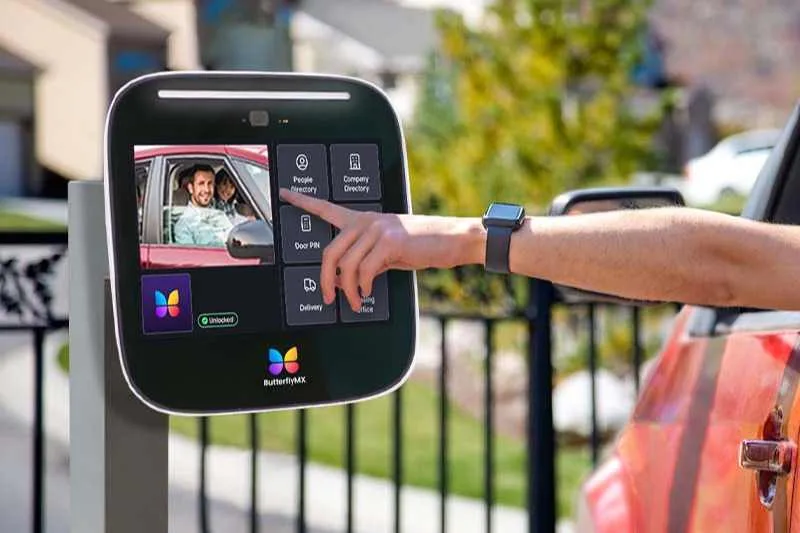
- Visitor entry: Guests can use a video intercom to call the resident they are visiting, who can then see, speak with, and let them in remotely.
- Temporary guest access: Residents or authorized staff can issue Visitor Passes based on community rules.
- Delivery and service access: Delivery PINs can give temporary access to drivers or service providers without requiring a live attendant to answer every call.
- Remote access control: Authorized users can open the gate from a mobile app when needed.
For many HOAs, that combination handles most recurring gate events while reducing dependence on a staffed monitoring workflow. The communities that get the best results are the ones that first map out who needs access, how often they arrive, and which situations truly require human judgment.
Automated gate system vs virtual attendant: what to compare
Board members often start with the monthly invoice. That is understandable, but it is not enough for an apples-to-apples decision.
You need to compare the whole workflow: who enters every day, how guests are approved, how deliveries are handled, what staff must manage, and what the community expects during exceptions.
Comparison points that matter
- Recurring costs: Virtual attendants often come with ongoing monitoring or service fees. Automated systems may shift more of the spend toward equipment, software, and support.
- Resident entry: Ask whether residents still need remotes, gate codes, or live approval, or whether routine entry can be automated.
- Visitor access: Compare live verification by an attendant with resident-driven guest approval through a video intercom and Visitor Passes.
- Delivery access: Look at whether delivery drivers wait for a live answer or receive a controlled temporary method of entry such as a delivery PIN.
- Remote gate opening: Consider who can open the gate, under what rules, and how quickly.
- Visibility: Review what access activity your team can see and how easily permissions can be updated.
- Administrative workload: Compare how much staff time goes into updating resident records, handling exceptions, and answering access complaints.
- Resident experience: Think about line buildup, missed calls, guest confusion, and how often residents must intervene.
Cost structure and recurring monitoring fees
Virtual attendant services usually make budgeting predictable, but they can also lock the HOA into an ongoing operational expense. Over time, boards may question whether the service level still matches the cost, especially if most entry events are repetitive and could be automated.
An automated gate access approach changes the cost profile. Instead of paying mainly for live monitoring, the HOA may invest in hardware, software, implementation, and ongoing support. That does not automatically make automation cheaper in every case, but it gives boards a different cost structure to evaluate.
When you compare proposals, include more than the headline monthly fee. Review contract length, support scope, installation, equipment, system management tools, training, and the staff time needed to maintain resident and visitor access.
Convenience, coverage, and response expectations
A virtual attendant provides a person for unusual moments. A confused guest calls from the gate. A vendor arrives after hours without being expected. A resident changes vehicles and has not updated the system yet. In those moments, live support can be useful.
Automation changes that experience. Instead of asking a remote person to handle every event, the system is designed so common events do not need intervention in the first place.
That can make entry smoother for residents and reduce bottlenecks, but your HOA should still ask what happens during exceptions. If a community has frequent special cases, strict visitor screening rules, or a high volume of one-off access decisions, the board may want a hybrid process rather than a full replacement.
How license plate reader access works for a gated community
For HOA decision-makers, license plate recognition is best understood as a resident vehicle entry tool, not a complete gate strategy by itself.
In a typical setup, approved vehicles are associated with resident accounts. When those vehicles arrive at the gate, the system recognizes the plate and supports gate entry based on the community’s rules. That can reduce reliance on remotes, shared codes, or manual approvals for drivers who should already have access.
Resident vehicle access with LPR
This is where LPR usually delivers the most obvious operational value.
Picture a resident arriving home during the evening rush. Instead of stopping at the gate, searching for a remote, or waiting for an attendant to approve entry, the resident’s approved plate is recognized and the gate workflow moves faster. For a community with steady daily traffic, those small time savings can add up to fewer delays and fewer routine complaints.
LPR can also make access management easier when compared with physical credentials that get lost, shared, or forgotten. If a resident changes vehicles, the property team can update the approved plate information instead of reissuing remotes or tracking old gate codes.
License plate access control for single-family HOA communities
Single-family gated HOAs often care less about flashy technology and more about whether daily entry feels controlled without becoming inconvenient.
That is why license plate reader access can be a strong fit in this property type. The community usually has a stable group of known resident vehicles, repeat household patterns, and a clear need to reduce avoidable gate calls. Automating resident vehicle access can lower the number of routine events that staff or a remote attendant must touch.
It also helps boards separate two different access problems. The first is known resident entry, which LPR can often streamline well. The second is everyone else, including guests, vendors, and deliveries, which requires additional tools and policies.
How visitors, vendors, and deliveries get access without a virtual attendant
This is the section many boards skip at first, and it is usually the most important one.
A license plate reader may handle resident vehicles, but that does not answer what happens when a grandparent arrives for dinner, a dog walker shows up midafternoon, or a food delivery driver needs temporary access. If your replacement plan does not cover those moments clearly, residents will feel the gap quickly.
Visitor passes and remote video calling
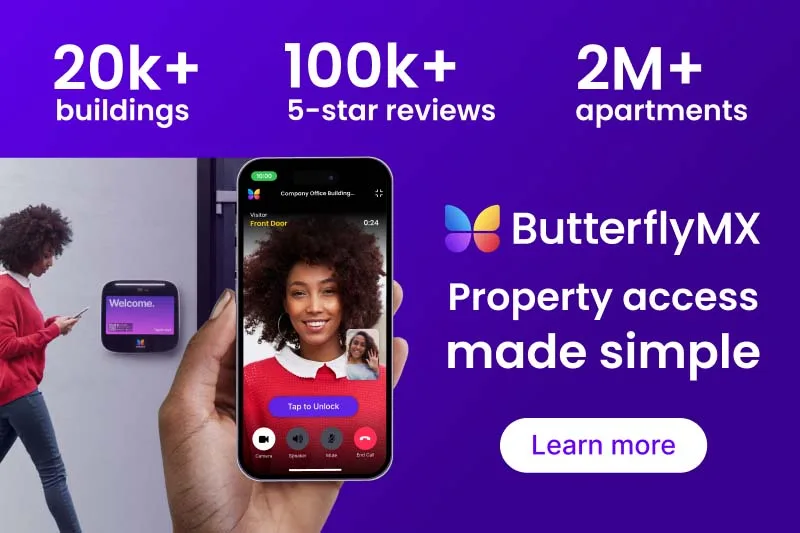
A video intercom gives visitors a clear way to request entry at the gate. Instead of routing every call through a virtual attendant, the guest can contact the resident directly. The resident can then see and speak with the visitor and open the gate remotely if appropriate.
That changes the workflow in a useful way. The person deciding on access is often the person who actually knows whether the guest is expected.
Visitor Passes add another layer for planned visits. A resident may send a temporary access credential to a family member, recurring caregiver, or houseguest ahead of time, which can reduce gate calls and speed up arrival. For communities that want more control, staff can define how those passes fit into property rules and visitor expectations.
Delivery PINs for gated gate access
Deliveries are one of the most common reasons HOAs look for a remote gate attendant alternative. Waiting for a live answer at the gate can frustrate drivers, residents, and staff.
Delivery PINs can support a more controlled temporary access workflow. Instead of calling an attendant for every arrival, a driver or service provider can use a PIN that works within the property’s access rules. That can help with package deliveries, food drop-offs, or scheduled service visits.
The benefit is not just speed. It is consistency. Your team can build a repeatable process for temporary gate access rather than relying on one-off live approvals throughout the day.
Before replacing a virtual attendant, make sure the board reviews these workflow questions:
- How do guests request entry?
- Who can approve access, residents, staff, or both?
- How are recurring visitors handled?
- How do delivery drivers enter during busy hours or after hours?
- What happens when someone arrives without the right information?
If the HOA cannot answer those questions clearly, it is not ready to remove live support yet.
Discover how ButterflyMX works:
How ButterflyMX helps HOAs automate gated access
ButterflyMX gives gated communities a connected way to manage access for residents, visitors, vendors, and delivery drivers. Instead of relying on a live attendant for every routine entry, HOAs can combine vehicle access control, a video intercom, Visitor Passes, Delivery Passes, and mobile access to create more efficient gate workflows. Available vehicle credentials can include license plate recognition, vehicle tags, PINs, and the ButterflyMX mobile app, depending on the community’s setup.
By managing these access methods through one platform, boards and property teams can reduce manual steps, maintain greater visibility into access activity, and give residents more control over the guests they invite into the community. However, the right setup will depend on the property’s gate configuration, access policies, traffic patterns, and exception-handling needs.
A simpler access experience for residents and visitors
ButterflyMX helps reduce gate friction by giving each user an access method suited to their needs. Approved residents can enter using the credentials configured for the property, while visitors can video call a resident from the intercom or use a Visitor Pass sent in advance. Visitor Passes can be configured with specific schedules and expiration times, helping communities manage planned and recurring guest access.
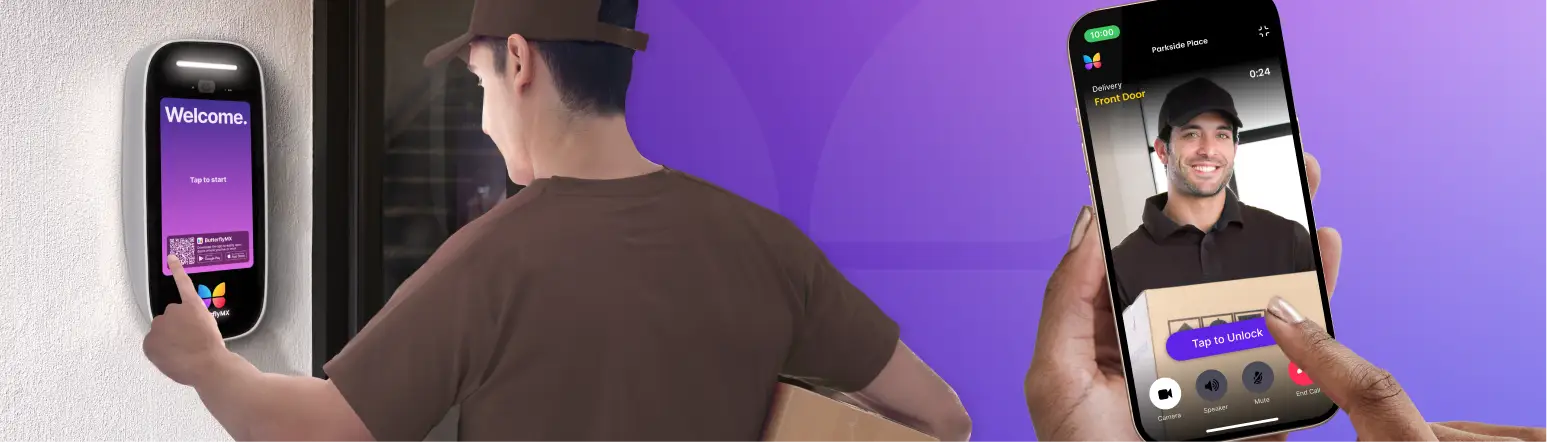
For deliveries, residents can create a Delivery Pass and share its one-time PIN with the driver. The driver enters the PIN at the ButterflyMX video intercom, allowing the delivery to proceed without requiring a resident or attendant to answer the call in real time.
Residents can see and speak with visitors through the ButterflyMX mobile app and open the gate remotely when appropriate. Property teams can manage access permissions and review visitor and delivery activity through ButterflyMX’s management platform. This creates a more consistent process for routine access while reducing dependence on shared codes, physical remotes, and one-off approvals.
For many gated communities, this connected workflow can automate a significant share of routine gate activity. However, automation does not remove the need to plan for exceptions. HOAs should still define what happens when a visitor cannot reach a resident, a vehicle is not recognized, or a vendor arrives outside approved hours. Communities with frequent judgment-based access decisions may benefit from keeping live support as a backup.
Next steps for evaluating a replacement
If your board is considering replacing a virtual gate attendant, begin with your current access workflows rather than individual product features.
- List every type of access event your virtual attendant handles during a typical week.
- Separate routine resident entry from visitor, delivery, vendor, and after-hours access.
- Identify which events can follow an automated workflow and which still require human judgment.
- Compare the recurring cost of live monitoring with the total cost of implementing and managing an automated system.
- Define how residents, staff, visitors, and vendors will handle both routine entry and exceptions.
FAQs
How can an HOA replace a 24/7 virtual gate attendant to cut costs?
An HOA can often reduce recurring gate monitoring costs by automating routine entry. That usually means using license plate recognition for resident vehicles, a video intercom for guest calls, Visitor Passes for temporary visitors, and Delivery PINs for drivers or service providers. The board should compare total workflow coverage, not just the monthly service fee.
Can license plate readers and video intercoms replace remote gate attendants?
In many communities, they can replace a large share of routine attendant tasks. LPR can streamline known vehicle access, and a video intercom can let residents verify and admit guests. Some communities may still want live support for unusual situations or stricter visitor screening.
What cost factors should an HOA compare beyond the monitoring fee?
Compare contract terms, equipment, installation, software, support, staff administration time, resident experience, and how many daily access events still require manual handling. A lower monthly fee does not help much if staff ends up managing more exceptions.
How do Visitor Passes and Delivery PINs work with automated gate access?
Visitor Passes give approved guests temporary access based on property rules, while Delivery PINs provide a controlled way for delivery drivers or service providers to enter without waiting for a live attendant to answer every call. Together, they help cover short-term access needs that LPR alone does not solve.
When does a gated community still need live or remote gate support?
Some communities may still need human support if they have frequent exceptions, high-touch entry policies, unusual security requirements, or many situations where a person must make a judgment call. That is why boards should review actual gate activity before deciding on a full replacement.
Get your free quote!
Fill in the form below, and we'll email you right back.
Want a free quote?
Fill in the form below, and we'll email you right back.
You’ll be redirected shortly...