




Key takeaways
- A scalable access control system allows property owners to grow portfolios without replacing core security infrastructure.
- Centralized building access control reduces administrative workload while improving oversight across multiple properties.
- Modular access control products protect capital investments by enabling phased upgrades instead of full system replacements.
- Scalable security systems align access control technologies with long-term asset strategy, tenant expectations, and operational efficiency.
For property owners and managers of multifamily communities, office buildings, mixed-use developments, and gated commercial sites, access control is no longer just a security line item. As your portfolios expand and tenant expectations shift, many legacy building access control setups start to show their limits. Standalone key fob systems, disconnected intercoms, and on-premises servers may work for a single building. But they often struggle to keep pace with new doors, additional buildings, or evolving credential needs.
That is where a scalable access control system comes in. Instead of replacing infrastructure every few years, you can implement a scalable access control model that grows with your properties, supports multiple building types, and aligns with long-term investment strategies.
In this post, you’ll discover how scalable security systems work, where they deliver value, and why they have become a priority for modern real estate portfolios.
Navigating this post:
- What is a scalable access control system?
- How does a scalable access control system work?
- 4 use cases for scalable access control
- ButterflyMX: Access control for every building
- Scalable access control system FAQs
What is a scalable access control system?
A scalable access control system is a building access control solution designed to expand without requiring a complete overhaul of hardware, software, or credentials.
Unlike traditional systems that are constrained by physical servers or limited capacity controllers, scalable access control products are often cloud-based or hybrid. They are built around modular hardware and flexible software that adapts to portfolio growth.
For owners and operators, this translates to fewer disruptive upgrades, more predictable capital planning, and a clear path to expansion.
In practical terms, scalability means you can:
- Add doors without replacing the system
- Support evolving credential types
- Add buildings to a centralized platform
- Scale users and roles
How does a scalable access control system work?
Scalable electronic access control systems combine connected hardware, centralized software, and a flexible permissions framework to secure your building and maintain growth potential. This approach allows property owners and managers to add doors, users, and even entire buildings without replacing their existing system.
Components of a scalable access control and security system include:
- Cloud or centralized management
- Modular hardware components
- Flexible credential management
- Integration with other systems
Cloud or centralized management
In a scalable access control model, administrators manage doors, users, and credentials through a centralized platform rather than programming each door locally. Property teams log into a secure dashboard to add or remove users, assign access levels by role, unit, or tenant, set schedules and time-based permissions, and review access events and audit logs. Because the management layer is centralized, adding a new building or door does not require a separate standalone system. It simply extends the existing platform, preserving consistency across the portfolio.
Modular hardware components
Scalable security systems rely on modular access control products that can be deployed as needed. These often include door controllers, card or mobile credential readers, intercoms and entry panels, and elevator control integrations. When a new door is added, compatible hardware is installed and connected to the same platform, allowing the device to inherit existing policies and reporting standards. This modular approach reduces the risk of stranded investments and enables owners to phase upgrades by property, floor, or door instead of committing to large capital projects all at once.
Flexible credential management
A core element of scalability is how credentials are issued and managed across users and properties. Modern access control technologies support key cards and fobs, PIN codes, mobile credentials via smartphone, and temporary visitor passes. Through a scalable access directory, administrators can group users by building, suite, unit, or role and assign permissions accordingly. When a tenant moves out, or an employee leaves, access can be revoked across all assigned doors from a single interface, reducing administrative burden and strengthening security without adding operational complexity.
Integration with other systems
Scalable building access control does not operate in isolation. Many platforms integrate with video surveillance, property management systems, visitor management tools, and elevator control systems. These integrations allow access events to trigger related actions, such as recording video footage or updating tenant records in real time. As portfolios grow, integrated access control services ensure that new properties align with established workflows, reporting standards, and security protocols.
Discover how ButterflyMX works:
4 use cases for scalable access control
Not all properties scale in the same way, and neither do their security requirements. That is why scalability should be evaluated through the lens of property type. Below are common scenarios where a scalable access control system delivers measurable value across multifamily and commercial environments.
Here are four use cases for scalable access control:
- Multifamily portfolios. A scalable access control system allows property managers to grant building, unit, and amenity access at lease signing, adjust permissions for shared spaces such as gyms and coworking areas, and remove access instantly at move-out. It also enables teams to standardize policies across multiple communities, ensuring consistency in how access is issued and revoked. As you acquire additional properties, each building can be added to the same centralized platform, creating operational alignment and simplifying staff training across the portfolio.
- Commercial office buildings. With scalable access control services, building managers can assign access by tenant suite and common area, support mobile credentials for employees and contractors, and create temporary access for visitors without issuing physical keys. When tenants expand into additional floors or suites, the system can scale without requiring new infrastructure. Furthermore, centralized reporting across multiple office buildings provides visibility into usage trends, access events, and potential security risks.
- Mixed-use developments. Mixed-use properties combine residential, retail, and office components, each with distinct access needs and schedules. A scalable access control model can segment permissions by residential floors, retail back-of-house areas, office suites, and shared parking garages, ensuring that each user only accesses authorized spaces. This structure allows property teams to manage diverse tenant types within a single system.
- Growing portfolios and acquisitions. Scalable security systems make it possible to bring newly acquired buildings onto a single platform, replace legacy hardware in phases, and maintain consistent security standards across assets. Rather than managing multiple disconnected electronic access control systems, owners gain a unified view of risk, compliance, and performance. This centralized oversight supports stronger governance and more strategic decision-making as the portfolio expands.
ButterflyMX: Access control for every building
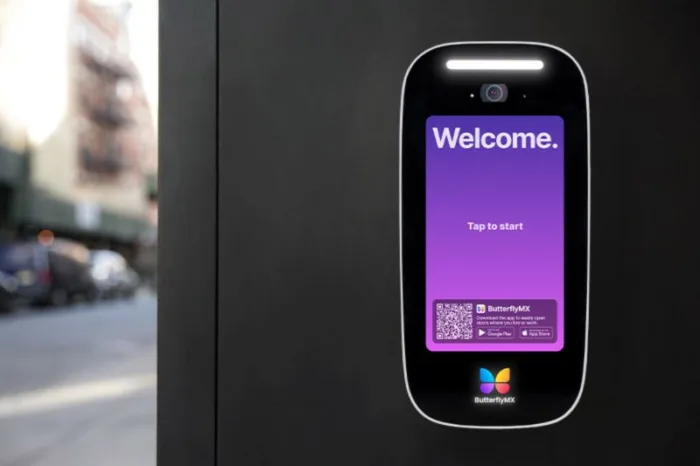
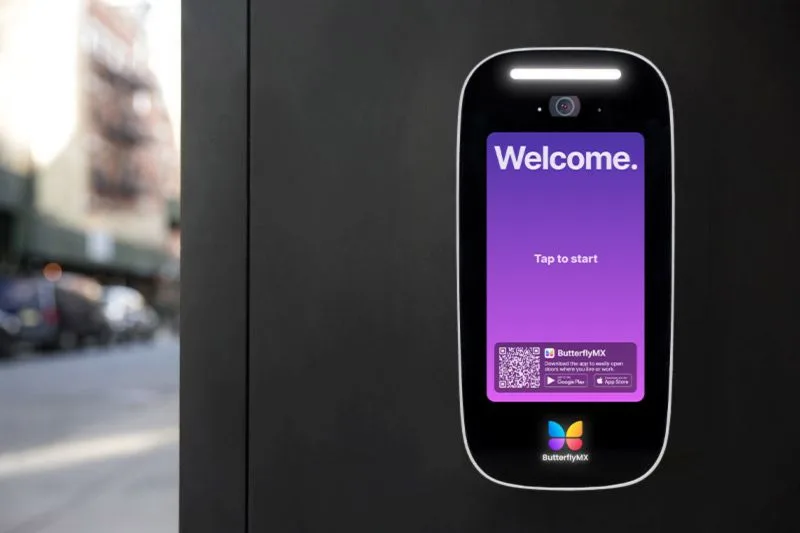
ButterflyMX delivers a scalable access control system designed to support multifamily, commercial, gated communities, and mixed-use properties. Its approach to building access control centers on flexibility, centralized management, and cloud-based infrastructure.
For owners and managers, this translates into a scalable access control model that aligns with growth plans. Instead of treating security as a static system, it becomes an adaptable service that supports leasing, tenant experience, and long-term asset strategy.
Key capabilities include:
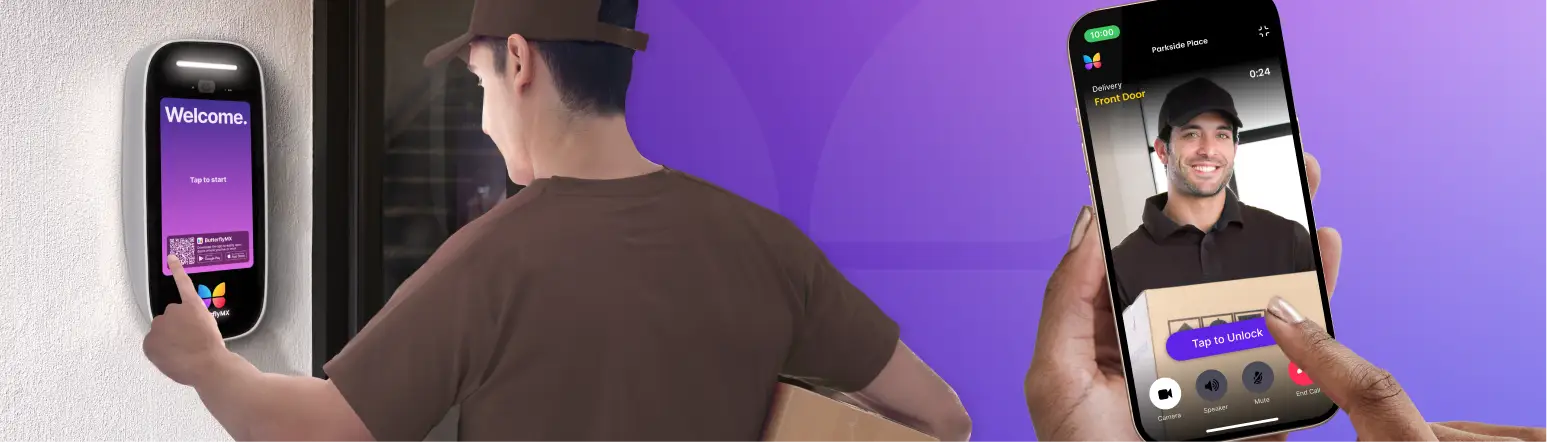
- Mobile first credentials. Residents, tenants, and staff can unlock doors and gates using their smartphones. This reduces reliance on physical fobs and simplifies credential distribution.
- Centralized portfolio management. Property teams can manage multiple buildings from one dashboard, creating a consistent, scalable access directory across assets.
- Modular access control products. Door readers, intercoms, and controllers can be added as properties expand, supporting a phased rollout strategy.
- Integration-ready platform. ButterflyMX integrates with property management software and other access control technologies to streamline operations.
Why switch to scalable access control like ButterflyMX?
Scalable access control system FAQs
- Can a scalable access control system work for both residential and commercial spaces?
- How does a scalable access directory improve security?
- Is cloud-based access control necessary for scalability?
Can a scalable access control system work for both residential and commercial spaces?
Yes, a scalable access control model can segment permissions by building type, tenant, or role. This makes it suitable for multifamily communities, office buildings, retail centers, and mixed-use developments.
How does a scalable access directory improve security?
A scalable access directory centralizes user records and permissions. When access needs to be revoked or updated, administrators can make changes across all assigned doors from one platform, reducing the risk of orphaned credentials.
Is cloud-based access control necessary for scalability?
Cloud-based electronic access control systems are not mandatory for scalability, but they often make scalability easier. They allow remote management, simplified updates, and centralized oversight without requiring on-site servers at every building.
Get your free quote!
Fill in the form below, and we'll email you right back.
Want a free quote?
Fill in the form below, and we'll email you right back.
You’ll be redirected shortly...