





Key takeaways:
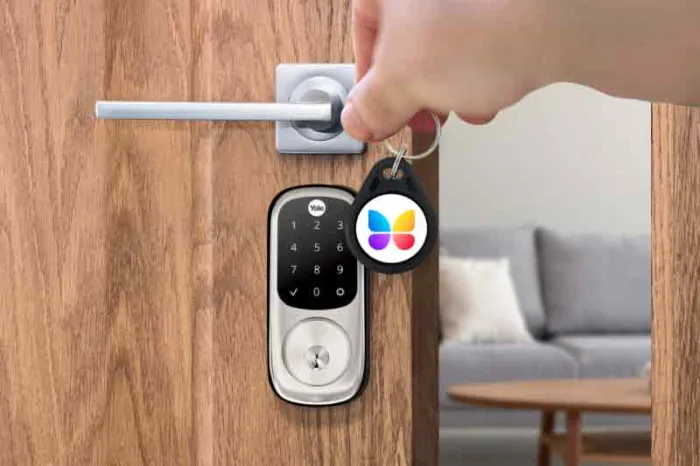
- Open breezeway communities often benefit from unit-level smart locks because residents typically enter from exterior corridors, not a controlled lobby.
- The best access strategy supports the way people actually move through the property, including residents, leasing teams, maintenance staff, vendors, and approved visitors.
- You should evaluate shared access points separately, including gates, amenity doors, leasing offices, package rooms, and maintenance areas, before deciding whether unit-only access is enough.
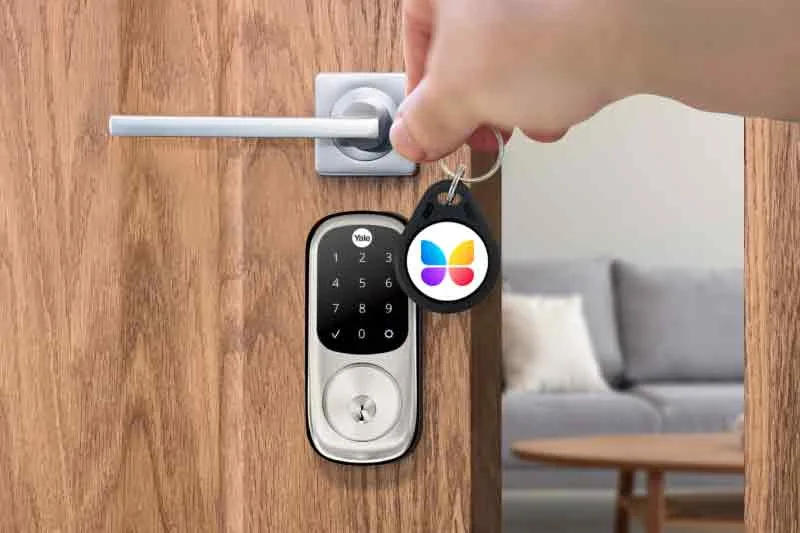
If your apartment community has exterior walkways, open corridors, or breezeways, a traditional building entry system may not fit the way residents actually come and go. In many of these communities, residents park, walk up exterior stairs, and go directly to their apartment door. That makes the unit door the access point that matters most.
For open breezeway apartment buildings, smart locks are often deployed at the unit level because residents and visitors do not pass through a controlled main entrance. The right solution should support mobile app access, keypad entry, and temporary access so property teams can modernize access without adding unnecessary complexity.
The goal is to match access control to the property layout. That means supporting daily operations like move-ins, tours, maintenance, vendor access, guest access, and shared space management without overbuilding. This guide explains when unit-level smart locks make sense, what features to prioritize, and how ButterflyMX helps open breezeway communities create a smarter, more flexible access experience.
This guide covers:
- Do open breezeway apartment buildings need a building entry system?
- What smart locks work best for open breezeway apartment buildings?
- How to choose between unit-only smart locks and a building entry intercom
- Smart lock features to prioritize for open corridor apartments
- How ButterflyMX supports smart locks for open breezeway apartment buildings
- Frequently asked questions
Do open breezeway apartment buildings need a building entry system?
Many open breezeway apartment buildings do not need a traditional building entry system because there is no enclosed lobby, vestibule, or controlled front entrance for residents to use. If residents access their homes directly from exterior corridors, stairs, or walkways, a building intercom at a main entrance may not solve the property’s primary access challenge.
That does not mean the property has no access control needs. It means the first question should be practical: where does access actually begin? At an enclosed building entrance, a vehicle gate, an amenity door, a package room, or each apartment unit?
To achieve this, ButterflyMX helps property teams think about access this way: start with the real resident, staff, and visitor journey. Then, you can choose the access solution that fits each point of entry.
When unit-level smart locks are usually enough
Unit-level smart locks are often a strong fit for open breezeway buildings when each resident’s primary entry point is the apartment door. For example, a resident may park near their building, walk up an exterior stairwell, and enter from an open-air corridor. There is no central door to unlock before they reach their home, so a lobby intercom would not improve that specific experience.
In this setup, smart locks at apartment doors can reduce reliance on physical keys, give residents more convenient ways to enter, and help staff manage unit access without manually tracking every spare key. Leasing teams can also plan access for tours and move-ins around the unit door instead of a building entrance that residents and visitors do not use.
Start by mapping the path from the parking area or sidewalk to the unit. If the only controlled point on that path is the apartment door, unit-level smart locks are likely the right access layer to evaluate first.
When a building entry system might still be useful
Some open breezeway communities still have controlled access points that need their own plan. A property may have a vehicle gate, clubhouse, pool entrance, fitness room, management office, package area, or maintenance room. These spaces are separate from the apartment unit, and they may require different access controls based on how residents, staff, vendors, and visitors use them.
The point is not that building entry systems are unnecessary. It is that each system should match the access point it serves. A building entry intercom can be useful when guests need to request access at a controlled entrance. But if there is no controlled building entrance, start with the unit door and evaluate shared areas one by one.
This is where a flexible access platform matters. Open breezeway communities may not need the same setup as an enclosed mid-rise, but they still need a reliable way to manage access across the property.
What smart locks work best for open breezeway apartment buildings?
The best smart lock for an open corridor apartment is not simply the one with the longest list of consumer features. Multifamily operators need smart locks and access tools that support resident entry, leasing turnover, maintenance access, visitor access, and staff oversight across many units.
For open breezeway communities, the buying criteria should focus on how people actually access the property. A resident may want to unlock their door with a phone while carrying groceries. A maintenance technician may need approved access during a work order. A leasing agent may need to show a unit before a prospect moves in. A guest may need temporary access without the resident leaving work to hand off a key. For many properties, a WiFi smart lock can help support these workflows by enabling connected, unit-level access without relying only on physical keys.
The best solution is one that improves the access experience for residents while making operations easier for the property team.
Mobile app access for resident convenience
Smart locks with mobile app access make everyday entry easier for residents who already use their phones to manage apartment services. Instead of relying only on physical keys, residents can use app-based access at the unit door.
For residents, the benefit is simple: they can walk up from the breezeway and unlock their apartment without searching for a metal key. For property teams, mobile credentials can reduce some of the manual work tied to issuing, collecting, and replacing keys, especially during move-ins and move-outs.
When evaluating mobile access, ask how resident credentials are created, updated, and removed. Lease-up teams, in particular, need a process that works before the community is fully occupied. Staff should be able to support new residents without relying on a stack of keys in the leasing office.
Keypads for flexible everyday entry
Keypads are valuable because phones are not always the right credential. A resident may return from the pool without a phone. A phone battery may die. A leasing agent may prefer a simple code workflow during a scheduled tour. Reliable access should not depend on a single credential type.
For open breezeway buildings, keypad access is especially useful because there is no front desk or lobby staff between the visitor and the unit door. The access experience happens at the apartment. A keypad gives residents, staff, and approved visitors another practical way to enter while helping the property avoid uncontrolled key handoffs.
As you compare smart lock solutions for properties without building entry intercoms, look for a strategy that supports both mobile and keypad access. The goal is not to add complexity. It is to give residents and property teams usable options for common access scenarios.
How to choose between unit-only smart locks and a building entry intercom
The decision between unit-level smart locks and a building entry intercom should come from the property’s access map, not a generic multifamily checklist. An enclosed mid-rise with a staffed lobby has different access needs than a garden-style breezeway community where every apartment opens to an exterior walkway.
Start by listing each controlled point on the property. Then identify who uses it: residents, prospects, guests, package carriers, vendors, maintenance staff, and leasing teams. This exercise separates unit access from community access and makes the right solution easier to identify.
For example, ButterflyMX can support a range of access needs, from smart locks at apartment doors to intercoms, access control, vehicle access, and package room solutions. So, the right answer is not always one product. Instead, it’s usually the right combination of access solutions for the way the property operates.
Choose unit-only smart locks when access starts at the apartment door
Unit-level smart locks make sense when the apartment door is the first meaningful point of control. In an open corridor community, a visitor may walk directly from the parking area to the resident’s door. A resident may arrive home late and go straight from the sidewalk to the unit. A maintenance technician may be dispatched to a specific apartment without needing to enter an enclosed building.
In those workflows, the smart lock should solve the access challenge at the unit: who can enter, when they can enter, and how access is granted or removed. That is different from a building entry intercom, which is designed for a shared controlled entrance where visitors request access before reaching interior areas.
If your team is choosing smart locks for apartments without controlled building entry, focus your budget and planning on apartment doors first. Then document which shared areas, if any, need additional access control.
Consider other access control if visitors or staff use shared controlled areas
Unit-level smart locks may not be the full answer if your open breezeway property also controls other spaces. For example, a gated entrance may require vehicle or visitor access. A package room may need a separate process for delivery drivers. An amenity door may need access for residents but not guests. A leasing office may need staff-only entry after hours.
These scenarios do not automatically mean you need a building entry intercom. They mean each shared access point should be evaluated on its own. The right approach might be smart locks at apartment doors plus access control at a gate, amenity area, package room, or office. Or it might be unit-level smart locks only if the property has no controlled shared entrances.
A practical next step is to create a simple access matrix. Include each door or gate, the user groups that need access, the credential they should use, and who manages permissions. This gives owners, operators, and leasing teams a clearer basis for choosing the right system.
Discover how ButterflyMX works:
Smart lock features to prioritize for open corridor apartments
Open corridor layouts put more responsibility on the unit door. Because there may be no controlled building entrance, smart lock features need to support more than resident entry. They should also help property teams manage staff access, temporary access, and permission changes throughout the resident lifecycle.
Rather than evaluating apartment smart locks like consumer gadgets, focus on operational workflows. Ask: How does a new resident get access? How is access removed after move-out? How does a vendor enter for approved work? How can a resident let in a trusted visitor without sharing a permanent code?
The right features should help property teams save time, reduce manual key management, and deliver a smoother resident experience.
Resident, staff, and visitor access management
Residents need everyday access that feels natural. Staff need access that can be managed by role or task. Vendors and guests need access that does not become permanent permission. If every access scenario is handled the same way, property teams can end up with too many shared codes, too many physical keys, and not enough control over who should have access.
Look for a solution that supports different access needs. A resident may use mobile app access most of the time and a keypad when their phone is not available. A maintenance team may need access during a scheduled work order. An approved visitor may need a temporary credential that stops working after the visit.
Visitor Passes can be especially useful for open breezeway properties because visitors may go directly to the resident’s unit. Instead of requiring a resident to hand off a key or share a long-term code, temporary access can create a more controlled guest workflow.
Scalability for lease-up and future operations
Smart lock options for lease-up properties should support the community before, during, and after move-in. During lease-up, units can move quickly from vacant to toured to leased. Leasing agents may need to show apartments, maintenance teams may still be completing work, and new residents need access as soon as they take possession.
A scalable unit-level smart lock strategy helps the team avoid rebuilding the access process as occupancy changes. Evaluate how permissions are assigned, how access is removed after a prospect tour or staff task, and how the system will be managed once the community is stabilized.
Also consider how your access plan may evolve. A property that starts with unit-level smart locks may later add controlled access for an amenity, package area, gate, or office. Choosing a platform that can support a broader access strategy can make future planning easier, even if the first deployment focuses on apartment doors.
How ButterflyMX supports smart locks for open breezeway apartment buildings
ButterflyMX supports smart locks for open breezeway apartment buildings through smart lock integrations that help property teams manage unit-level access from a more connected access control ecosystem. For communities without a controlled main entrance, this can be a right-sized approach: residents can use smart access at the apartment door while property teams maintain flexibility across shared spaces.
The value is in the workflow. Residents need to access their homes from exterior corridors. Leasing teams need a manageable process for tours and move-ins. Property staff need to grant and remove access without relying only on physical keys. Visitors may also need a temporary way to enter when approved by the resident or property process.
ButterflyMX helps communities simplify those workflows with smart access solutions designed for multifamily properties, including smart lock integrations for unit doors and access control solutions for shared spaces.
Smart lock integrations for unit-level access
ButterflyMX integrates with smart locks to support unit-level access at apartment doors. This gives residents a more convenient way to enter their homes while helping property teams reduce reliance on physical keys and manual key tracking.
This is especially helpful for open breezeway communities because the unit door is often the main point of control. If residents walk directly from the breezeway to their apartment, access technology should meet them at that door rather than at a lobby entrance that does not exist.
For property teams, the benefit is a more manageable access experience across many units. For residents, it is a simpler way to get home.
Keypads and access control for shared spaces
While unit doors are often the priority in open breezeway communities, shared spaces may still need access control. ButterflyMX keypads and access control solutions can be installed at doors many people use, such as amenity entrances, package rooms, maintenance areas, leasing offices, or other shared access points.
This allows property teams to secure community spaces without treating every access point the same way. A resident may need access to a fitness center. A vendor may need approved access to a maintenance area. A delivery driver may need access to a package room. Each of those workflows may call for a different access setup than an individual apartment door.
By combining smart lock integrations for unit-level access with ButterflyMX access control for shared spaces, open breezeway properties can build an access plan that fits the entire community.
Visitor Passes for flexible temporary access
ButterflyMX Visitor Passes help residents and property teams support approved temporary access at applicable access points. A resident expecting a trusted guest, family member, or service provider may need a way to provide access without distributing a permanent credential. A property team may also want a more accountable process than spare keys or repeated shared codes.
For open corridor apartments, temporary access matters because visitors may not check in at a front desk or call from a building intercom. They may be headed directly to a specific unit or to a shared community space. Visitor Passes help make those workflows more controlled while still matching how open breezeway properties are used.
If your community does not have a controlled main entrance, ButterflyMX smart lock integrations, access control solutions, keypads for shared doors, and Visitor Passes can help you build an access plan that fits the property layout without overcomplicating operations.
Frequently asked questions
What are smart locks for open breezeway apartment buildings?
Smart locks for open breezeway apartment buildings are unit-level locks installed on apartment doors in communities where residents enter from exterior corridors, walkways, or stairs instead of passing through a controlled lobby. They commonly support mobile access, keypad entry, and managed temporary access.
Do open breezeway properties need a building entry system?
Not always. If there is no controlled main entrance, a building entry system may not solve the property’s primary access need. However, shared areas such as gates, amenity doors, offices, package rooms, and maintenance spaces should be evaluated separately. Check open breezeway accessibility and safety standards in your area.
When is a unit-only smart lock strategy enough?
Unit-level smart locks are usually enough when the apartment door is the property’s main controlled access point and residents, staff, and approved visitors do not need to pass through a shared controlled entrance to reach the unit.
What should lease-up properties consider before choosing smart locks?
Lease-up teams should consider how access will be issued for tours, move-ins, staff work, and early residents. The system should make it practical to add, update, and remove permissions as units move from vacant to occupied.
How can visitors get access without a building entry intercom?
Open breezeway properties can use temporary access methods such as Visitor Passes when approved by the resident or property process. This helps reduce reliance on spare keys, permanent codes, or informal key handoffs.
Can ButterflyMX support more than apartment door access?
Yes. ButterflyMX offers access solutions that can support different points across a multifamily property, including apartment unit doors, building entrances, amenity spaces, package areas, and vehicle gates. That makes it easier to create an access plan that matches the property’s layout and operational needs.
Get your free quote!
Fill in the form below, and we'll email you right back.
Want a free quote?
Fill in the form below, and we'll email you right back.
You’ll be redirected shortly...