





Key takeaways
- Time-based access control enhances security by automatically restricting access to specific days and hours, eliminating the risk of lingering, unauthorized entry.
- Effective implementation requires defining clear fallback protocols and scheduling regular, documented policy audits.
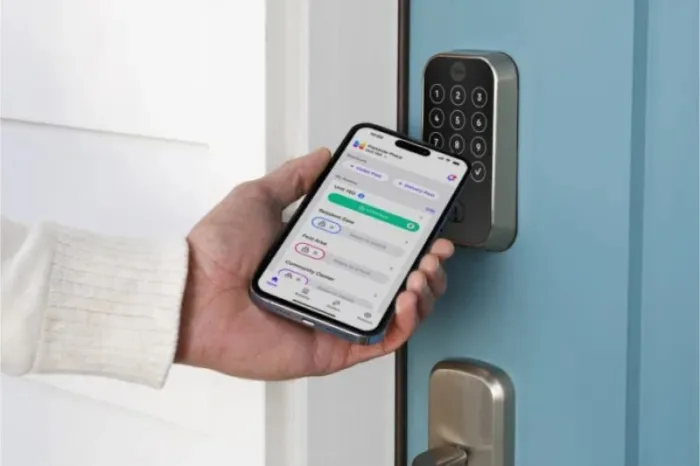
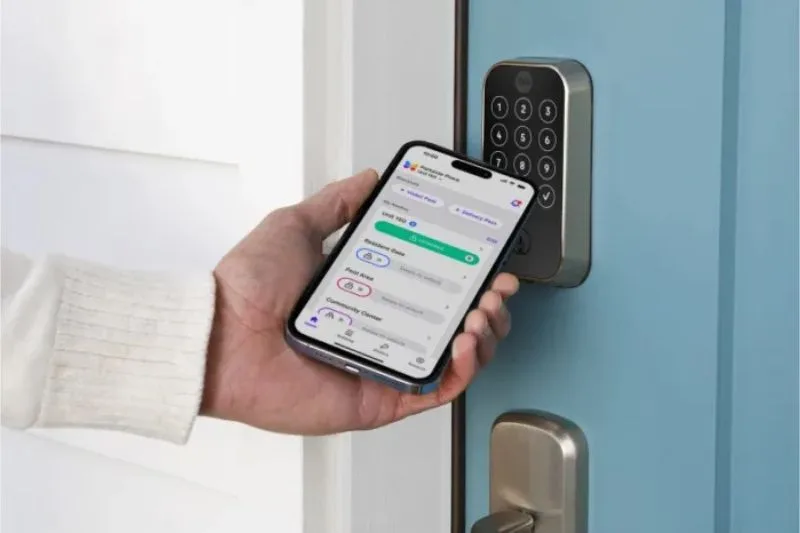
- Modern cloud-based systems allow managers to grant and revoke time-bound access remotely using virtual keys and detailed audit trails.
- Beyond physical access, TBAC is invaluable for securing privileged software accounts and meeting strict regulatory compliance requirements.
Are you tired of juggling physical keys, worrying about unauthorized after-hours access, or dealing with vendor visits that throw off your schedule? There’s a simpler, more secure way to manage your facility.
This post explores a powerful strategy that moves beyond simple key-card entry. We’ll show you how implementing time-based limits to your access control system can transform your facility management, ensuring amenities are locked down after dark, simplifying vendor logistics, and eliminating the vulnerabilities of physical keys.
In this post:
- What is time-based access control?
- Why time-based access control matters
- Use cases for time-based access control
- How to implement time-based access control effectively
- Best practices for time-based access control
- Time-based access control FAQs
More than 100K, 5-star reviews!
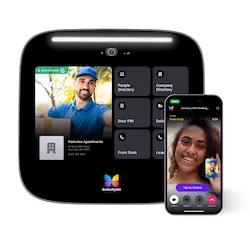
Video Intercoms
Open doors, gates & garages from anywhere.

QR Code Intercom
Smartphone-based visitor access.
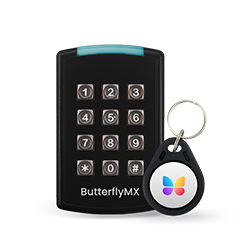
Access Control
Fob, key cards, PINs, and mobile apps.
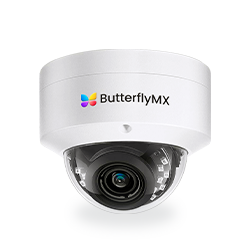
Security Cameras
Visibility throughout your property.

Vehicle Access
Hands-free access for gates & garages.
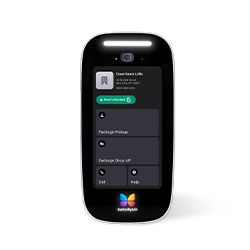
Package Room
Receive, store, and manage deliveries.
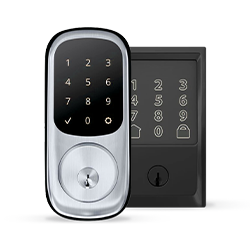
Smart Locks
Connect to all major brands and models.
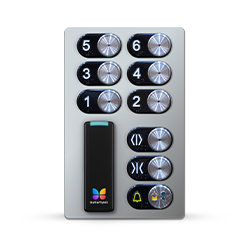
Elevator Controls
Unlock key-fobbed elevators for anyone.
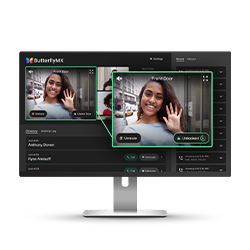
Front Desk Station
See all your doors and cameras in one place.
What is time-based access control?
Time-based access control (TBAC) refers to controlling access to resources not only by who a user is or what role they have, but also by when that access is allowed. In other words, rather than granting unrestricted access indefinitely, an organization defines time constraints during which permissions apply. These constraints might include specific hours, days, or project durations.
This temporal dimension adds a layer of security by reducing the window of opportunity for unauthorized access or misuse. Rather than allowing standing privileges that remain active at all times, you grant access only during appropriate windows such as business hours, project work periods, maintenance windows, or predefined dates.
Why time-based access control matters
Time-based access control provides several important benefits for modern organizations and security frameworks:
- Time-based access reduces the attack surface. When permissions expire automatically or are valid only during defined intervals, dormant or unnecessary access permissions are less likely to be exploited. This helps mitigate the risk of stolen or compromised credentials being used off-hours.
- It supports the principle of least privilege. Rather than giving broad, always-on access, you can grant minimal privileges just when needed. For example, you might grant elevated permissions to a developer only for the time they need to debug a production issue, and then revoke them immediately afterward.
- Time-based policies help with regulatory requirements. Many industries and standards require strict control over who accesses sensitive systems, when, and for how long. By automatically logging and time-bounding access, organizations make their audit trails clearer and more defensible.
- Time-based controls improve operational efficiency. Automated permission granting and revocation reduce manual overhead for IT and security teams. It removes the risk that someone forgets to revoke access after a project ends or a maintenance window closes.
Discover how ButterflyMX works:
Use cases and scenarios
Beyond simply securing a front door, time-based access control is a flexible and powerful security tool. For instance, there are real-world applications where defining access by specific day and hour solves complex security and operational challenges.
Here are some practical scenarios where time-based access control shines:
- Contractor or vendor access. TBAC assures that external parties have access only when actively required, such as during maintenance events. Access is automatically revoked the moment the window closes, minimizing the risk of lingering external access and protecting your critical assets.
- Privileged or administrative access. Implementing Just-in-Time (JIT) access maximizes security by granting elevated permissions only when needed. This enforces a strict zero-standing-privileges model, dramatically reducing the window of opportunity for misuse or compromise of powerful accounts.
- Remote management. Time-based access control lets you grant property access or change permissions from any smartphone or computer, and easily issue or revoke access to features like virtual keys and delivery PINs.
- Audit trails. The system reviews and monitors all entry events with a time- and date-stamped access log, which is essential for verifying that access was granted and revoked exactly within the defined time window.
How to implement time-based access control effectively
Time-based access control is the key to true operational security, but a successful rollout requires more than flipping a switch. Implementing this type of access requires careful planning and coordination.
Here are four recommended approaches for organizations that want to adopt time-based access control:
- Define access needs and policies
- Select or configure tools that support time restrictions
- Implement just-in-time and temporary access
- Combine time-based control with other access control models
1. Define access needs and policies
Start by analyzing your organization’s workflows, roles, and resources. Identify which resources are sensitive and when access to them is truly necessary. Moreover, a formal access policy should specify rules to ensure consistency and clarity when configuring access controls and when reviewing audits.
Ask questions such as:
- Which systems need to be restricted by time?
- Which user roles should have time-based access (e.g., contractors, support staff, developers, vendors)?
- When should access be permitted (work hours, project windows, maintenance windows)?
- How long should temporary access remain valid?
2. Select or configure tools that support time restrictions
Time-based access control works best when integrated with Identity and Access Management (IAM) or Identity Governance and Administration (IGA) solutions that support temporal constraints.
Many modern privileged access management tools provide built-in features for scheduled access, just-in-time access, session expiration, automated revocation, and logging. Administrators can define access windows by role, by resource, or by user group. Some solutions also allow approval workflows where access requests must be approved before being granted.
3. Implement just-in-time and temporary access
Instead of granting broad, always-on admin or privileged access, adopt a just-in-time model by which users request elevated permissions only when needed. Once the task is done, the system automatically revokes the permissions.
This approach greatly limits the window of risk. In emergency scenarios such as incident response, you can still grant temporary elevated access, but ensure it is fully logged and time-restricted.
4. Combine time-based control with other access control models
Time-based control works best when layered with other models such as role-based access control (RBAC) or attribute-based access control (ABAC). Time-based policies should not replace identity or role-based decisions but rather complement them. This layered approach helps maintain flexibility and granularity. For example, a role grants access to a resource, but the time-based policy limits it to working hours.
Best practices for time-based access control
From defining emergency workflows to integrating audit trails, follow these guidelines to ensure your time-bound security policies are robust, reliable, and compliant:
- Establish clear overrides and emergency protocols. While scheduled access is the goal, work sometimes runs late, or immediate access is needed. Your policies must define controlled, documented workflows for extending scheduled access or granting instant entry via remote mobile management. This eliminates ad hoc exceptions and ensures security is maintained, even during urgent situations.
- Leverage comprehensive cloud-based audit trails. Every entry and exit, whether granted or revoked, must be logged. Utilize your platform’s built-in time- and date-stamped access logs to easily detect entry events, support compliance requirements, and gain actionable insights into usage patterns across your entire property.
- Layer time restrictions. Time restrictions are a strong layer of control, but they are most effective when combined with other security measures. Enhance your strategy by requiring users to use their personal mobile credentials, key fobs, or unique PIN codes to access a resource during their approved time window.
Time-based access control FAQs
- What is the main difference between time-based access control and regular access control?
- How does TBAC help with regulatory compliance and audits?
What is the main difference between time-based access control and regular access control?
Regular access control typically grants a user permanent access to a location until the credential is manually revoked. Time-based access control, however, adds an automatic time constraint, granting access only during predefined schedules.
How does TBAC help with regulatory compliance and audits?
TBAC is invaluable for compliance because it inherently ties every access event to a specific time, day, and user. The system’s audit logs provide a clear, time-stamped history of who accessed what and when, simplifying the reporting and verification required for compliance frameworks.
Get your free quote!
Fill in the form below, and we'll email you right back.
Want a free quote?
Fill in the form below, and we'll email you right back.
You’ll be redirected shortly...