





Key takeaways
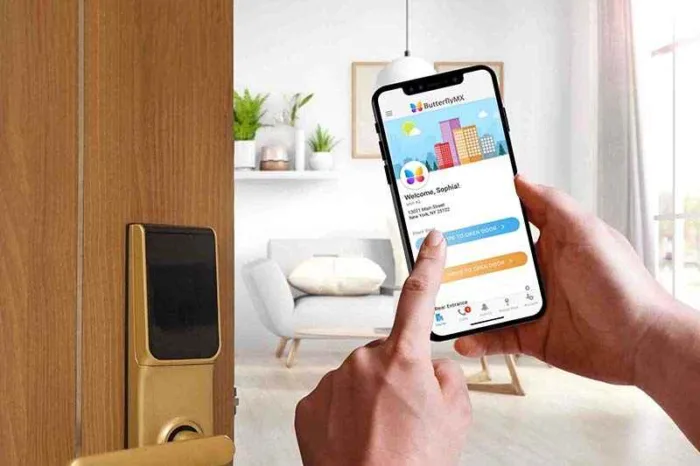
- Fragmented access systems create tenant app fatigue and unnecessary friction throughout a building.
- A unified access control platform replaces multiple apps with one consistent access experience.
- Centralized credential management reduces administrative overhead for property teams.
- Unified access improves resident satisfaction by making entry predictable and easy.
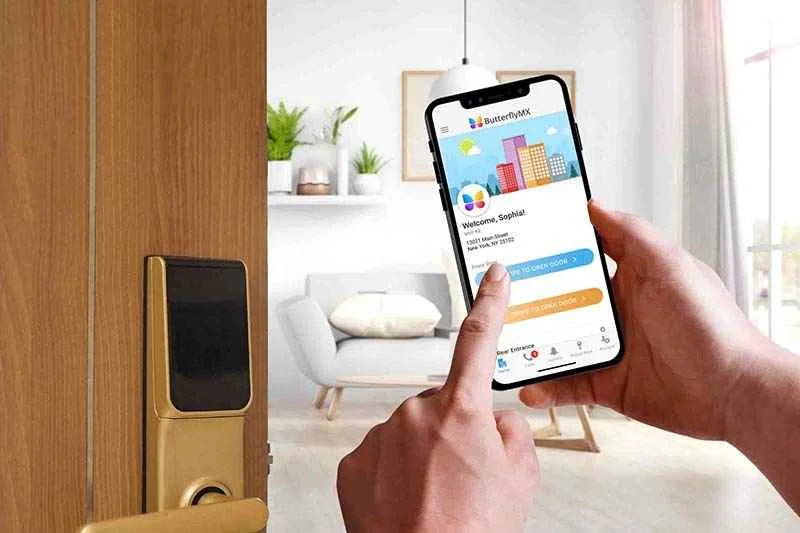
Smart building technology is meant to simplify daily life for residents, yet in many buildings, the opposite happens. Tenants deal with app overload instead of ease.
A tenant pulls into the garage and opens one app. They enter the lobby with a second app. They check their mail using a third app. Later, that tenant tries to book the gym and realizes that it requires yet another login. The digital keychain becomes heavier than the physical one it replaced.
In this post, you’ll learn why tenant app fatigue happens and how to fix it by consolidating your building operations using a unified access control system platform.
Navigate this post:
- What is unified access control?
- What is the price of fragmented systems?
- How a unified access control system works
- 7 benefits of a unified access control platform
- ButterflyMX: Unified access and property management
- Unified access control platform FAQs
More than 100K, 5-star reviews!
Video Intercoms
Open doors, gates & garages from anywhere.
QR Code Intercom
Smartphone-based visitor access.
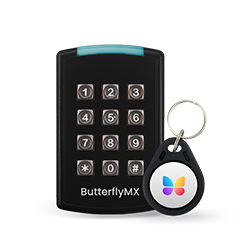
Access Control
Fob, key cards, PINs, and mobile apps.
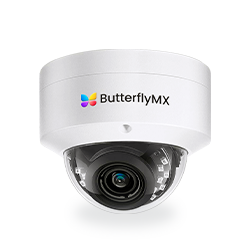
Security Cameras
Visibility throughout your property.
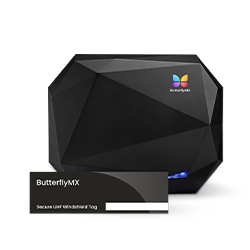
Vehicle Access
Hands-free access for gates & garages.
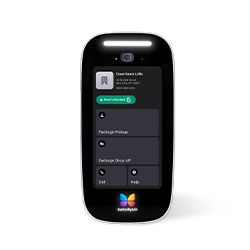
Package Room
Receive, store, and manage deliveries.
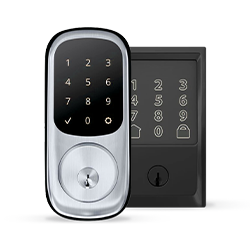
Smart Locks
Connect to all major brands and models.
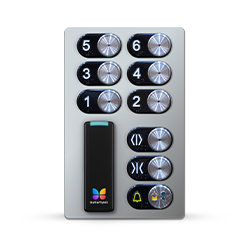
Elevator Controls
Unlock key-fobbed elevators for anyone.
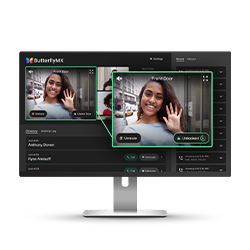
Front Desk Station
See all your doors and cameras in one place.
What is unified access control?
Unified access control is an approach to building access that brings all entry points into one connected system. Instead of managing gates, doors, elevators, and amenities through separate platforms, everything operates within a single access ecosystem.
Residents use one digital credential to move through the property, creating a consistent and predictable experience at every entry point. For property teams, unified access means centralized credential management, fewer systems to maintain, and less administrative overhead. The result is simpler operations and a smoother day-to-day experience for residents.
What is the price of fragmented systems?
Fragmented systems may seem harmless at first, but the real costs quickly add up, in money and in day-to-day operations.
Here are some of the ways a fragmented access control system can affect your property:
- Higher operational costs and wasted spend
- Lost productivity and staff effort
- Revenue drag and missed opportunities
- Degraded user experience
- Hidden costs
- Tenant app fatigue
Higher operational costs and wasted spend
When tools do not work together, organizations often pay for multiple subscriptions and overlapping features instead of one unified solution. In some sectors, this kind of fragmentation has been shown to cost companies millions of dollars annually simply because they pay more for licenses, maintenance, and redundant software than they would with one integrated platform.
Lost productivity and staff effort
Disconnected systems slow workflows. Teams spend time manually reconciling data, switching between apps, and repeating tasks that integrated software would handle automatically. Studies show that organizations with fragmented systems can spend up to 30 percent more time on administrative work compared to those with unified tools, which translates directly into labor costs.
Revenue drag and missed opportunities
Fragmentation acts like a tax on growth. Research indicates that complexity in software systems can drain around 7 percent of annual revenue because of inefficiency, delays, and missed business opportunities.
Degraded user experience
For tenants and employees alike, fragmented tools create frustration. Low adoption rates, notification overload, and multiple logins all contribute to digital friction that leads users to ignore or bypass systems, which in turn forces staff to handle basic tasks manually.
Hidden costs
On top of visible expenses, fragmented systems often bring hidden costs such as training for multiple platforms, higher support tickets, burnout, and turnover. These may not show up on a budget report, but they affect morale and slow down every process.
Tenant app fatigue
Tenant app fatigue comes from fragmented access systems. Meaning, each system solves a single problem but does not work with the others. Parking, gates, amenities, and package rooms often operate on separate platforms, which creates friction throughout the building. What should feel like touchless entry becomes a frustrating experience that increases stress for residents and administrative overhead for property teams.
How a unified access control system works
A unified access control system consolidates building access into one connected platform. Instead of relying on separate apps and systems, it links entry points across the property into a centralized ecosystem.
This means tenants use one digital credential to move through the building seamlessly and conveniently. That same access credential works for perimeter access, multi-family gate systems, secondary entrances, elevator control, common area locks, and unit doors. The experience stays consistent, so tenants know what to expect at every entry point.
What’s more, the system also stays flexible over time. Open APIs allow new doors, gates, or access points to connect without introducing another app. So, as the property evolves, access remains simple rather than more complex.
For property teams, everything is managed in one place using a single dashboard, eliminating the need for multiple systems and making access credential management faster. With fewer tools to monitor, teams spend less time troubleshooting and more time supporting tenants.
By centralizing access, a unified system reduces friction and improves the tenant experience without adding more technology for residents to manage.
7 benefits of a unified access control platform
A unified access control platform helps properties reduce complexity while improving the tenant experience. By connecting access points into one system, you can simplify operations, reduce tenant app fatigue, and create a more seamless way for everyone to move through the building.
Here are seven benefits of a unified access control system for your property:
- Less frustration for tenants. A unified access control platform removes the need to juggle multiple apps and logins. Tenants move through the building with fewer interruptions, which makes daily routines feel easier and less stressful.
- A smoother day-to-day living experience. When every entry point works the same way, tenants experience a consistent flow from arrival to departure. Access feels natural instead of forced, supporting a more seamless and comfortable living environment.
- Higher resident satisfaction and retention. Systems that are simple to use are more likely to be adopted. By reducing friction and confusion, unified access helps residents feel more positive about the property, which supports long-term retention.
- More time back for on-site teams. Managing access in one place reduces repetitive tasks and troubleshooting. Staff spend less time handling credential issues and more time focusing on tenants and property operations.
- Lower operational costs over time. Replacing multiple disconnected systems with one platform reduces software overlap, hardware silos, and support needs. This leads to a leaner tech stack and more predictable costs.
- Flexibility as the property evolves. A unified platform makes it easier to add doors, gates, and new amenities without increasing complexity. Properties stay adaptable without creating more work for residents or staff.
- Better security without sacrificing convenience. Centralized access control improves visibility and control across the building. At the same time, residents enjoy touchless entry and quick access that does not slow them down.
Discover how ButterflyMX works:
ButterflyMX: Unified access and property management
ButterflyMX centralizes building access into one cohesive system instead of several disconnected tools. Gates, doors, elevators, and common areas connect through a single platform, allowing properties to manage access consistently across every entry point. This replaces fragmented systems with a unified approach that is faster to use and easier to maintain.
Here’s how your property operations are enhanced with ButterflyMX:
- One digital credential for residents and staff
- A single dashboard for property operations
- Integrated video intercom and mobile access
- Consistent access across all entry points
- Simplified visitor and delivery management
- Flexible infrastructure that scales with the property
- Reduced tech stack bloat and operational complexity
One digital credential for residents and staff
Tenants use one digital credential to move through the building. Staff also manage access from the same system, which keeps credentials organized and reduces confusion. As a bonus, access feels predictable and intuitive instead of inconsistent.
A single dashboard for property operations
ButterflyMX centralizes access management into one dashboard, meaning property teams can issue, revoke, and update credentials from one place rather than switching between platforms. This reduces administrative overhead, speeds up daily tasks, and lowers the risk of errors caused by managing access across multiple systems.
Integrated video intercom and mobile access
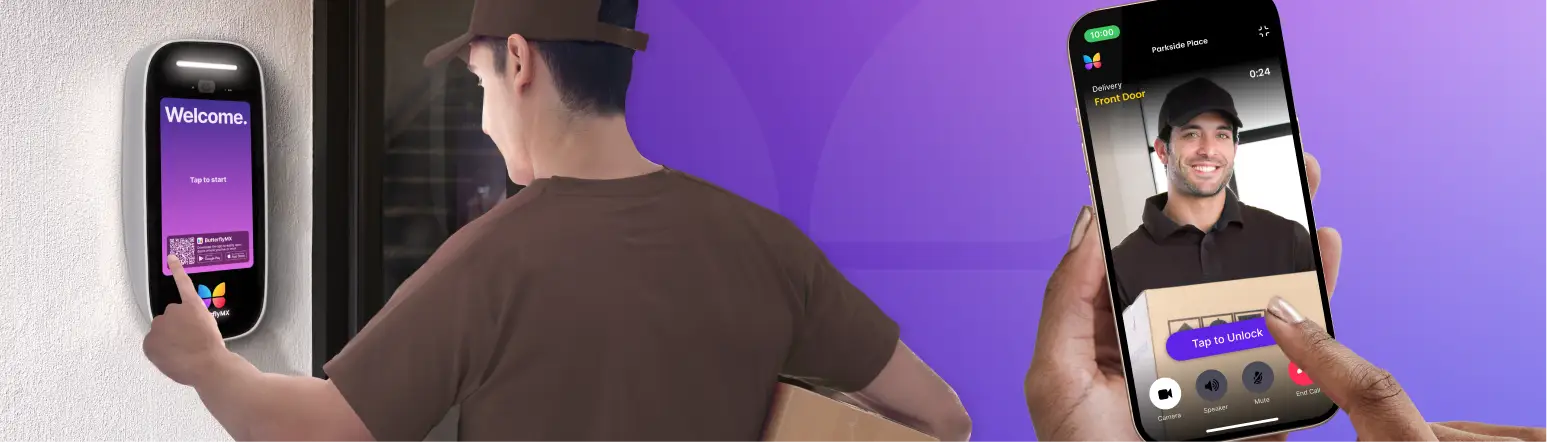
ButterflyMX Video Intercoms connect directly to tenants’ smartphones, linking the front door to the same system that controls the rest of the property. They can see and speak with visitors in real time and grant access remotely. This creates a seamless experience at the front entrance without adding another app or workflow.
Consistent access across all entry points
ButterflyMX supports a wide range of entry points, including gates, elevators, and unit doors. Because everything operates within one system, access works the same way throughout the building. This consistency reduces digital friction and improves tenant adoption.
Simplified visitor and delivery management
Visitor access lives in the same platform as tenant access, improving visitor management and encouraging fast and controlled access. Tenants and staff grant access to guests and delivery drivers without requiring them to download an app.
Flexible infrastructure that scales with the property
ButterflyMX uses an open, connected approach that allows properties to add new access points over time without increasing complexity. New doors or amenities can be easily integrated into the existing system, preventing app overload and protecting the tenant experience as the property grows.
Reduced tech stack bloat and operational complexity
By unifying access control and related operations, ButterflyMX helps properties reduce hardware silos and overlapping software. Fewer hardware systems mean fewer support issues, clearer visibility, and a more efficient approach to property operations overall.
Unified access control platform FAQs
- What happens to existing access hardware when switching to a unified platform?
- How does unified access control affect front desk and on-site staff workflows?
What happens to existing access hardware when switching to a unified platform?
In many cases, existing gates, doors, and locks can remain in place and connect to the unified system. This allows properties to centralize access without replacing every device at once, reducing disruption and upfront costs.
How does unified access control affect front desk and on-site staff workflows?
Instead of managing access across several tools, staff handle credentials, visitors, and permissions from one dashboard. This reduces manual work, speeds up guest access, and lowers the number of access-related support requests, resulting in greater efficiency overall.
Get your free quote!
Fill in the form below, and we'll email you right back.
Want a free quote?
Fill in the form below, and we'll email you right back.
You’ll be redirected shortly...