





Key takeaways:
- Many buildings can upgrade a wired intercom without full rewiring by reusing stable low-voltage wiring and replacing key parts such as the entry panel, controller, or resident endpoints.
- A WiFi intercom upgrade is usually not fully wireless. It often means adding internet, cloud, video, or mobile access features while some existing wiring remains in use.
- The right retrofit path depends on wiring condition, door hardware, internet reliability, resident needs, budget, and whether the property needs mobile-only access, in-unit stations, or both.
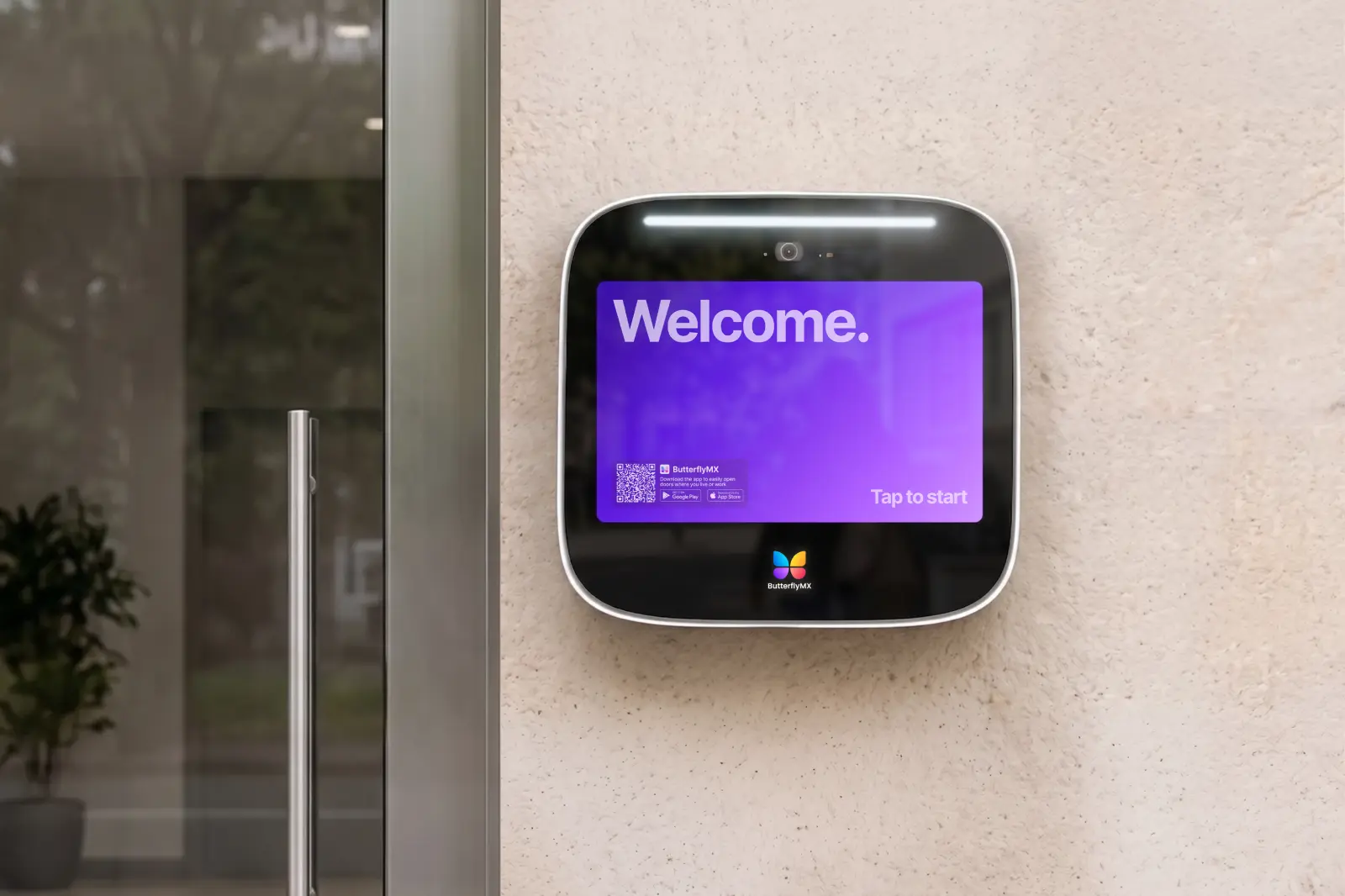
An old wired intercom can make every access problem feel bigger: missed visitor calls, poor audio, outdated directories, and residents who expect to answer the door from their phones. The good news is that many buildings can upgrade a wired intercom to WiFi without rewiring the entire building.
That does not mean every device becomes wire-free. In most retrofit projects, the building keeps usable low-voltage wiring or pathways while newer equipment adds internet connectivity, cloud management, video calling, mobile access, or remote door release. The project may replace the entry panel, add a controller or adapter, update in-unit stations, or shift some resident functions to smartphones.
The hard part is choosing the right approach. A 2-wire retrofit, a hybrid system, and an IP or PoE-based design can all reduce construction work in the right setting, but each one depends on different infrastructure. Before you budget around a no-rewiring apartment intercom system upgrade, you need to know what the phrase actually means, what your existing wiring can support, and when rewiring is still the better long-term choice.
This guide will answer:
- What upgrading a wired intercom without rewiring actually means
- How the main retrofit approaches work
- How to tell if your building is a good candidate
- What features you can add without full rewiring
- What the upgrade process looks like
- When rewiring is still the better option
- How to compare options and choose the right system
- How intercom modernization fits into broader property access
- FAQs
Watch how ButterflyMX works:
What upgrading a wired intercom without rewiring actually means
A no-rewiring intercom upgrade keeps usable building wiring in place and updates the parts of the system that limit what it can do. Instead of opening walls throughout the property, the project focuses on the entry panel or door station, controllers, adapters, in-unit stations, network equipment, and door-release hardware where needed.
This is where the word WiFi can be misleading. Property teams often use WiFi to mean smart, cloud-connected, or phone-based. But a modernized intercom may still rely on low-voltage conductors between the entrance and apartments. It may also need wired power, a router or switch, an electric strike or maglock connection, and controlled cabling at the door.
So, the better question is not, Can the whole intercom become wireless? It is, Can the building reuse enough existing infrastructure to add the features we need without a full wiring replacement? In older apartment buildings, condos, HOAs, and mixed-use properties, that difference matters. Reusing viable wiring can reduce wall work and resident disruption, but it does not remove the need for a careful site review.
Think of the project as intercom modernization rather than a simple swap. The building may keep the pathways that are still useful while replacing the electronics that handle calls, credentials, video, directory updates, and door release. If the old wiring is stable, that approach can preserve much of the building fabric while moving the access experience forward.
How the main retrofit approaches work
Most no-rewiring intercom upgrades follow one of three paths: a 2-wire retrofit, a hybrid wired-to-wireless system, or an IP or PoE-based design that reuses existing pathways where practical. The right path depends on what is already in the walls, how much network work the property can support, and whether residents will use phones, in-unit hardware, or both.
2-wire retrofit
A 2-wire intercom upgrade reuses an existing pair of conductors that already runs through the building. Instead of removing those conductors, the installer adds modern equipment that can carry the system’s power, audio, video, or control signals over that wiring, depending on the design.
In plain terms, the old wire stays, but the equipment on either end changes. A new entry panel can replace the lobby hardware. A controller or converter can help translate signals between older wiring and newer devices. Some projects replace in-unit stations or monitors, while others move part of the resident experience to mobile devices.
The appeal is clear for pre-war buildings, mid-century multifamily properties, and other sites where opening walls would be expensive or disruptive. The tradeoff is just as clear: the old wiring still sets the limits. If conductors are damaged, spliced in confusing ways, or poorly documented, a 2-wire retrofit may need more troubleshooting than expected.
Hybrid wired-to-wireless systems
A hybrid intercom system keeps some wired infrastructure while shifting other functions to networked hardware or smartphones. For example, a property might keep certain door-release wiring or resident stations but add a cloud-connected entry panel that can call residents on their phones.
This approach works well when a building wants to modernize in stages or support different resident needs. A mobile-first setup may be convenient for many residents, but some properties still need in-unit hardware, alternate credentials, or staff-controlled access methods. Senior living communities, for instance, may need a more flexible resident model than a building full of smartphone-comfortable renters.
The tradeoff is support complexity. Hybrid systems can solve real problems, but they can also leave staff managing several access methods at once. That may be fine for one building and frustrating across a portfolio if every property ends up with a different mix of panels, adapters, apps, and in-unit devices.
IP and PoE-based reuse approaches
An IP-based intercom uses a network connection to support calling, management, and access functions. A PoE intercom receives power and data over one Ethernet cable, using the IEEE 802.3 standards family. In retrofit settings, this does not always require rewiring every unit. It may involve reusing available network pathways, adding selective cabling in common areas, or extending network equipment only where it is realistic.
This path can be a strong fit for properties that want video, centralized administration, and a cleaner base for future expansion. If the building already has useful network infrastructure, or if limited targeted cabling is acceptable, an IP or PoE-based design may avoid some of the constraints of older intercom wiring.
The tradeoff is that the network becomes more important. Internet service, routers, switches, power, and backup planning all affect how the system performs. A networked intercom is not just a door panel decision; it is also a building-connectivity decision.
Compare the main no-rewiring upgrade paths
No single retrofit type is best for every building. The table below shows how the main approaches differ when you compare infrastructure reuse, resident experience, and long-term flexibility.
The cost picture follows the same pattern. Retrofit approaches often reduce construction scope compared with full rewiring, but they are not automatically the cheapest choice over time. If old wiring causes repeat service calls or limits the features the property needs, a deeper infrastructure refresh may be more practical than forcing a lower-disruption path.
The table also points to a common misunderstanding: wireless does not mean wire-free. Even mobile-first systems usually depend on wired power, door hardware, network equipment, or a controlled connection at the entrance. That is why hardware compatibility and outage planning matter even when the project is marketed as a WiFi intercom upgrade.
How to tell if your building is a good candidate
A building is a strong retrofit candidate when its wiring is usable, its door hardware can work with the new design, and its internet setup can support the features the property wants. A product brochure cannot answer those questions on its own. A site survey can.
Before you compare systems, review these factors:
- Existing wiring condition: The wiring should be intact, stable, and testable. Reusing old conductors only helps if they work reliably.
- Wiring topology: Straightforward wire runs are easier to adapt. Undocumented splices, unusual layouts, or years of patch repairs can make reuse harder.
- Door hardware: The installer should review the electric strike, maglock, or other locking hardware to confirm how the new intercom will release the door.
- Network readiness: Cloud-connected and mobile features need dependable internet, suitable router and switch capacity, power planning, and a clear outage plan.
- Resident needs: Some buildings can move toward mobile-only access. Others need in-unit stations, alternate credentials, or a hybrid model.
- Property size and entrance count: A single-entry walk-up is different from a high-rise with multiple lobbies, side doors, service entrances, and elevator access needs.
Property type changes the questions you should ask. Pre-war and high-rise buildings often have a strong reason to avoid full rewiring, but their older infrastructure deserves careful testing. Garden-style communities may have several spread-out entrances, which changes networking and installation planning. Mixed-use buildings often need separate rules for residents, commercial tenants, deliveries, and after-hours visitors.
Resident demographics matter, too. A mobile-first smart intercom retrofit can be convenient, but it is not automatically the right fit for every community. If residents or staff need simpler call handling, fixed in-unit devices, or alternate entry methods, the system design should account for that from the start.
If your goal includes smartphone entry, video calling, and remote administration, ButterflyMX becomes relevant during this evaluation because it is built around mobile access and cloud-managed entry. Still, the starting point should be infrastructure reality. The best feature set on paper will not help if the building cannot support the chosen retrofit path.
What features you can add without full rewiring
A no-rewiring intercom upgrade can do more than replace an old panel with a newer-looking one. Depending on the retrofit path, the building may gain video calling, mobile access, remote door release, cloud directory updates, and more structured visitor or delivery access.
Video and better visitor identification
A video intercom upgrade can help residents see who is requesting access instead of relying only on audio. That matters in buildings where old speakers are hard to hear, visitors are difficult to verify, or residents want more context before unlocking the door.
Adding video to an old audio-only system is often possible, but it is not guaranteed. Feasibility depends on the retrofit approach, the condition of the existing infrastructure, and which hardware will be replaced at the entrance and inside the building.
Mobile access and remote door release
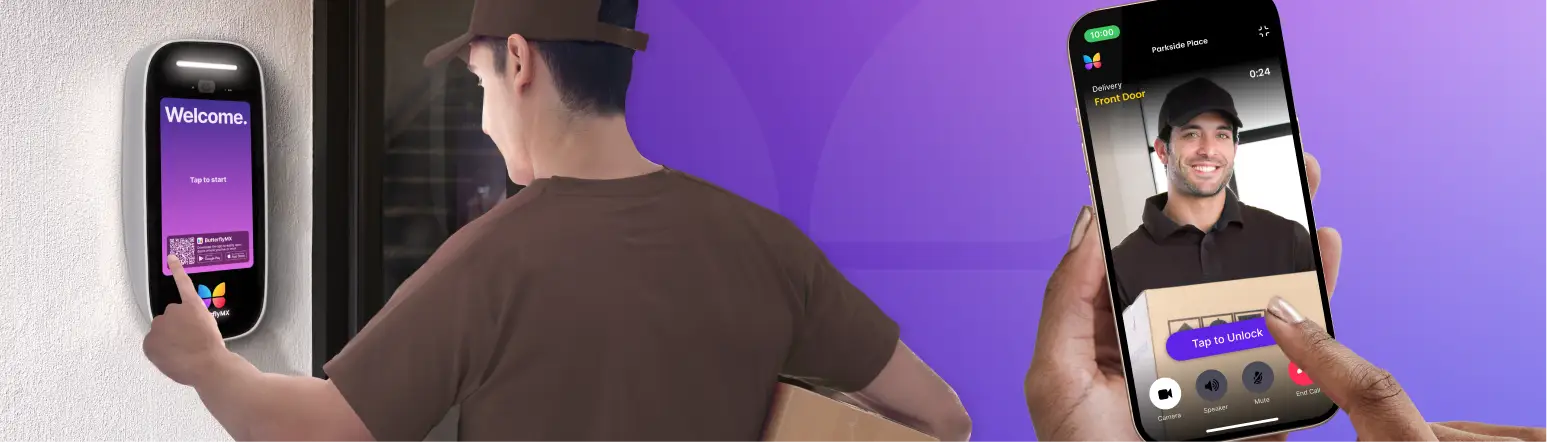
Modernized systems often let residents receive intercom calls on smartphones and unlock the door remotely. That can be useful when a resident is not near an in-unit station, when a guest arrives unexpectedly, or when staff need to manage access without walking to the front panel.
Mobile credentials can also simplify access for approved staff, maintenance teams, leasing teams, and vendors. Instead of relying only on physical keys or on-site changes, administrators can adjust permissions remotely when the system supports that function.
ButterflyMX fits naturally in this part of the discussion because its video intercom and mobile access features center on smartphone-based entry and remote management. For properties moving beyond a basic call box, that kind of setup can connect resident access with daily property administration.
Cloud-based directory management and administration
Older intercoms often make directory changes slow. Staff may need to update the panel manually, call a technician, or work around outdated labels and unit listings. A cloud-connected intercom can let authorized staff update resident information and access permissions from a central dashboard.
This matters most in buildings with frequent turnover, multiple entrances, or staff who oversee more than one property. The value is not just convenience. A current directory helps residents, visitors, delivery drivers, and staff use the system as intended.
Visitor and delivery tools
Modern systems may also support more structured visitor and delivery access. Depending on the configuration, that can include mobile approvals, temporary credentials, or delivery PINs for defined use cases.
These features are especially useful in mixed-use buildings, larger multifamily properties, and communities where package volume or recurring vendor access creates daily pressure at the entrance. The goal is not to make every door open more easily. It is to give the right people a clear, controlled way to request or receive access.
What the upgrade process looks like
A retrofit project usually moves from assessment to system selection, installation, testing, and resident onboarding. The order matters because each step answers a different question: Can the building support the upgrade? Which access model fits residents? What needs to be installed? What happens when something goes wrong?
- Survey the site and test the infrastructure. The installer checks existing wiring, maps entrances and unit connections, reviews door hardware, and identifies network requirements.
- Choose the resident access model. The property decides whether residents will use mobile access, in-unit stations, or a hybrid approach. That choice affects equipment, training, and support.
- Confirm network and internet readiness. Cloud-connected intercoms depend on more than WiFi coverage. Routers, switches, power, and failover planning all need attention.
- Install in a practical sequence. Larger buildings often benefit from entrance-by-entrance or area-by-area phasing so the team can limit disruption and catch issues early.
- Test normal use and outage behavior. Before handoff, the team should confirm call routing, door release, backup options, and staff procedures if internet service is interrupted.
- Onboard residents and train staff. A good installation can still create frustration if residents do not know how to receive calls or staff do not know how to update directories and permissions.
Timeline expectations should stay flexible. Unit count, entrance count, in-unit hardware replacement, network work, and legacy wiring issues can all change the project schedule. A good vendor should explain what affects timing rather than promise the same installation pace for every property.
Post-install support should be planned before the system goes live. Property teams should know who owns resident questions, directory updates, permission changes, hardware service, and network troubleshooting. For multi-property operators, standardizing the resident experience and admin tools can make support much easier than managing a patchwork of one-off retrofit decisions.
When rewiring is still the better option
Some buildings should not force a retrofit. Rewiring may be the better choice when the old infrastructure is too unreliable, too poorly documented, or too limiting for the features and backup expectations the property needs.
Rewiring may be necessary when:
- The existing cabling is damaged, unstable, or linked to repeated service problems.
- The wiring layout is unusual enough that adapters would create ongoing support issues.
- The property is already planning major construction that makes a full infrastructure refresh more practical.
- The desired video, mobile, or access-control design cannot run reliably over the legacy pathways.
- The building has strict uptime or backup expectations that are hard to meet with a constrained retrofit.
- The old entrance hardware or in-unit equipment cannot be reused in a practical way.
This is where honest vendor guidance matters. A no-rewiring intercom upgrade can be appealing because it sounds simpler. But if the retrofit leaves the property with recurring maintenance problems or limits the system too much, the lower-disruption path may not be the better long-term decision.
Code, fire, emergency, and accessibility requirements can also affect project scope. Those requirements vary by jurisdiction and system design, so property teams should review them with qualified installers and other appropriate professionals rather than assuming one retrofit approach applies everywhere.
How to compare options and choose the right system
The best system is the one your building can support and your residents and staff can actually use. Feature lists matter, but the better comparison is practical: what infrastructure can be reused, what experience residents need, how the system behaves during outages, and who will support it after installation.
Match the system to the resident model
If most residents are comfortable using smartphones, a mobile-first design can reduce dependence on in-unit hardware and make remote access easier. If residents prefer fixed devices or need alternate methods, a hybrid approach may be safer.
This choice affects more than convenience. It shapes onboarding, support calls, backup procedures, and whether the system feels accessible to the people who use it every day.
Look closely at infrastructure limits
A 2-wire retrofit may reduce wall work, but it also ties the project to older conductors. An IP or PoE-based design may require more network planning up front, yet it can provide a cleaner base for expansion later. In other words, faster installation today can come with more constraints tomorrow.
Budget decisions should account for that tradeoff. A retrofit may reduce construction disruption, but the property should also consider future maintenance, resident support, and whether the chosen path can support later access-control or elevator-control needs.
Plan for integrations early
If the intercom is one part of a larger access plan, make that clear before choosing hardware. Some buildings need the front entrance to connect with access control systems, elevator controls, secondary doors, service entrances, package rooms, or visitor management tools. Others only need reliable calling and door release at one entrance.
ButterflyMX is especially relevant for buyers who want the intercom to connect with mobile credentials, remote administration, and related access points across the property. That does not make it the answer for every building, but it is an important distinction for properties trying to avoid disconnected access systems.
Ask vendors practical questions
- What existing wiring can realistically be reused in this building?
- Which parts of the current system need to be replaced?
- What happens if the internet goes down, and which functions continue locally?
- Can the system support mobile-only access, in-unit devices, or both?
- Will the current electric strike or maglock work with the new design?
- Who handles resident onboarding, staff training, and support after installation?
- How easily can the system scale to more entrances or other properties?
These questions reveal more than a broad promise of smart access. They show whether a vendor has a building-specific retrofit plan or only a generic product pitch.
How intercom modernization fits into broader property access
An intercom upgrade is more useful when it is planned as part of the property’s full access picture. The front door is important, but it is rarely the only place where residents, staff, visitors, vendors, and delivery drivers need controlled entry.
That broader picture may include side doors, amenity spaces, package rooms, service entrances, garages, and elevator permissions that limit where a visitor can go after entering the lobby. Access control systems connect readers, controllers, credentials, and locking hardware so administrators can manage those permissions more consistently.
This matters most in high-rises, mixed-use buildings, garden-style communities with multiple entry points, and portfolios where staff need a consistent way to manage access across properties. A building may not want one credential for the lobby, another method for amenity doors, and a separate process for deliveries if those choices can be planned together.
ButterflyMX belongs in the evaluation set when a property wants a video intercom tied to mobile access, remote administration, visitor entry, elevator controls, and related access points across the building. In that context, the intercom decision is not just about replacing a front-door panel. It is about how the property manages entry from the curb to the unit, amenity, or package room.
The same rule still applies: start with the building’s infrastructure, then choose the system that fits how the property actually manages residents, visitors, deliveries, staff, and vendors every day.
Frequently asked questions
Can you really upgrade a wired intercom without rewiring?
Yes, many buildings can upgrade a wired intercom without full rewiring. A retrofit can reuse viable existing wiring while replacing panels, controllers, or endpoints, but feasibility depends on the condition and layout of the legacy infrastructure.
What happens if the internet goes down?
It depends on the system design. Cloud-connected features may be limited during an outage, so you should ask vendors how calls, door release, local access, and backup options behave when internet service is interrupted.
Do tenants need smartphones for a smart intercom?
No, not always. Some systems are mobile-first, while others support in-unit stations or alternate entry methods, so the right setup depends on resident needs and property type.
Can I add video to an old audio-only system?
Often, yes, but it is not automatic. Whether video can be added depends on the retrofit path, available infrastructure, entry hardware, and how much of the existing system the property is willing to replace.
You can often upgrade a wired intercom to WiFi without rewiring the building, but the best answer depends on what your existing infrastructure can support. A 2-wire retrofit, hybrid system, or network-based design can all be smart options when the wiring, door hardware, internet setup, and resident access model line up.
The strongest retrofit projects start with a site assessment, not a feature checklist. Once you know what can be reused and what should be replaced, you can choose a system that supports video, mobile access, remote administration, and broader property access needs without creating avoidable problems later.
If your building is ready to modernize legacy intercom infrastructure with less disruption, talk with ButterflyMX about video intercoms, mobile access, and connected property access solutions that fit your upgrade goals.
Get your free quote!
Fill in the form below, and we'll email you right back.
Want a free quote?
Fill in the form below, and we'll email you right back.
You’ll be redirected shortly...