





Key takeaways:
- A coastal apartment intercom needs both ingress protection and corrosion-resistant construction because an IP rating does not measure salt-air damage.
- IP65 or higher can be a practical starting point for many outdoor coastal entries, but exposure level, spray risk, storms, and cleaning methods all affect the right rating.
- Durability is only part of the decision. Multifamily properties also need video calling, mobile access, visitor management, directory control, and remote administration.
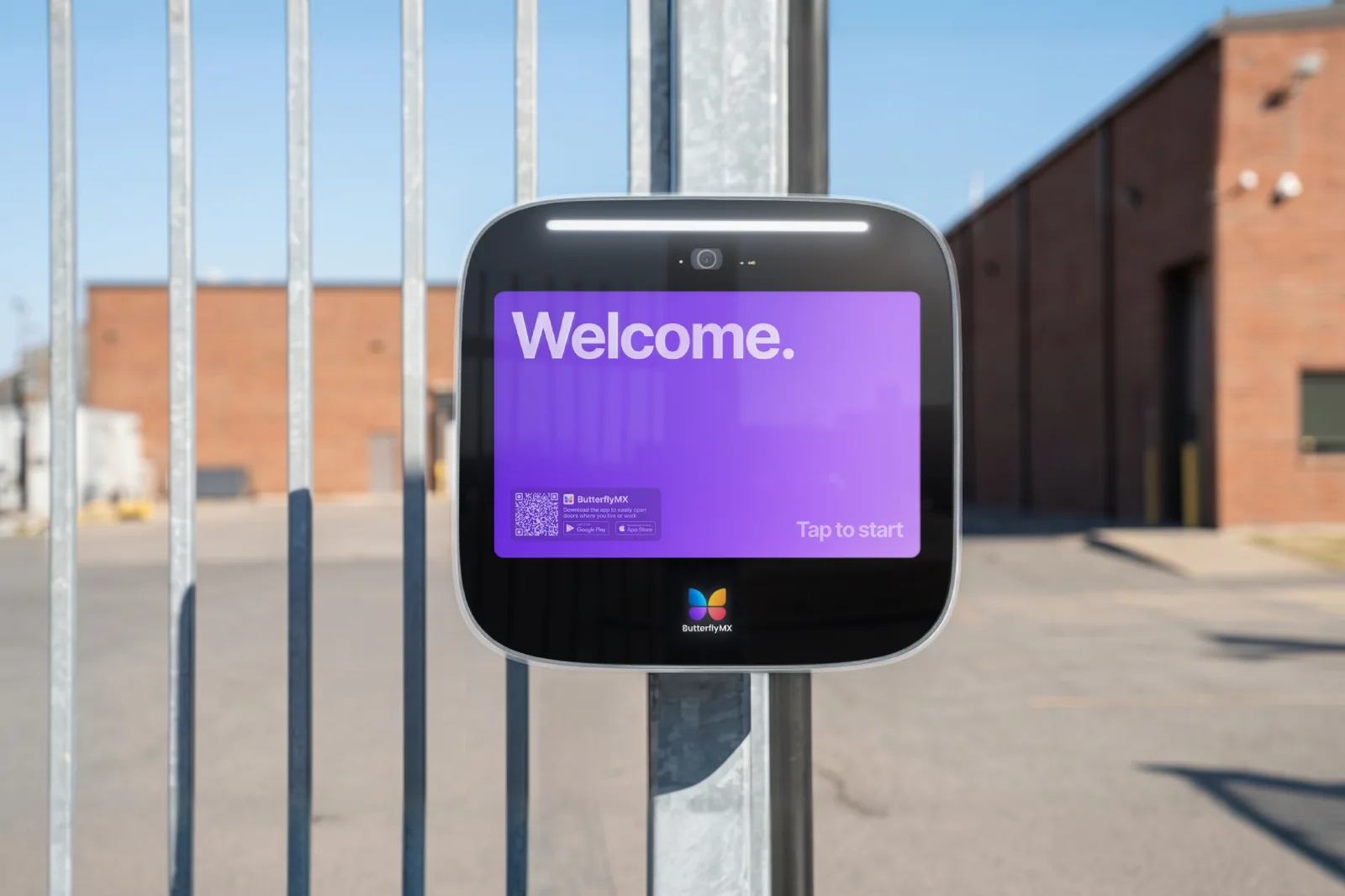
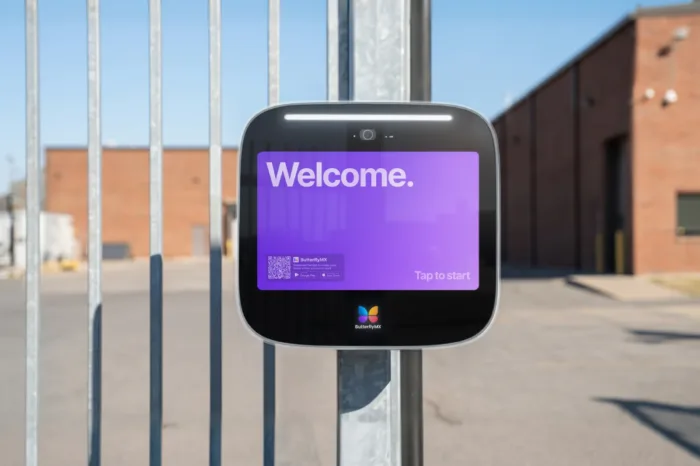
A waterproof intercom system for coastal apartment buildings has to solve two problems at once. It must stand up to rain, wind-driven moisture, and dust, but it also has to handle the salt air that can wear down exterior hardware, connectors, fasteners, and finishes over time.
That’s why the best choice is not simply the outdoor intercom system with the highest IP rating. Property managers should look at ingress protection, corrosion-resistant construction, installation details, and the access features residents and staff use every day. A sheltered lobby entry, a beachfront gate, and an exterior door exposed to storms may all need different levels of protection.
This guide explains how to compare those factors clearly, so you can choose a coastal apartment intercom that fits the building, the environment, and the way people actually enter the property.
This guide will answer:
- Why coastal apartment buildings need specialized intercom systems
- How IP ratings work for outdoor intercoms
- Why corrosion resistance matters near the coast
- Essential features for apartment building intercoms
- How to choose the right system for your coastal property
- Installation considerations for coastal environments
- Maintaining intercom systems in coastal environments
- FAQs
Watch how ButterflyMX works:
Why coastal apartment buildings need specialized intercom systems
Coastal apartment buildings are harder on intercom equipment than typical outdoor locations. Rain is the obvious concern, but it’s not the only one. Salt carried through the air can settle on an outdoor entry panel, mounting bracket, screws, cable entries, and connectors. Humidity and wind-driven moisture can add even more stress.
That matters because an intercom is not just a piece of hardware on the wall. Residents use it to enter the building. Visitors, delivery drivers, vendors, and staff depend on it to request or grant access. When a coastal apartment intercom becomes unreliable, the issue can quickly move from cosmetic wear to daily access problems.
Exposure also changes from one entrance to another. A panel inside a recessed vestibule may face only limited weather. A gate pedestal, pool entrance, garage entry, or exterior wall mount may face wind, spray, storms, and more salt buildup. So, before comparing products, start by asking where the system will be installed and how exposed that location really is.
How IP ratings work for outdoor intercoms
IP ratings describe how well an enclosure protects against dust and water entering the device. They are an important starting point for any outdoor intercom system, but they do not tell the full story for a coastal property.
The IP code is defined under IEC 60529. In a rating such as IP65 or IP67, the first digit refers to protection against solid particles, such as dust. The second digit refers to protection against water. For property teams, the practical use is simple: IP ratings help compare how sealed an enclosure is against common outdoor exposure.
For many outdoor coastal entries, IP65 or higher can be a reasonable starting point. Still, the right rating depends on the actual entrance. A sheltered front door may not need the same protection as a fully exposed gate or an entry panel near frequent spray or washdown. Higher numbers can help in the right setting, but they are not a substitute for corrosion-resistant materials or careful installation.
This table compares common ingress ratings used when evaluating a waterproof intercom system. It covers dust and water protection only, not corrosion resistance or overall product quality.
The difference between IP65 and IP67 is not a simple better-or-worse choice. IP65 generally addresses water jets, while IP67 addresses temporary immersion. If an intercom will be exposed to spray, storms, or cleaning practices that create unusual water pressure, the product’s tested rating and manufacturer guidance both matter. Pressure washing, for example, may exceed what outdoor equipment was tested to handle.
IP ratings should also be separated from IK ratings. IP ratings deal with ingress protection. IK ratings, defined under IEC 62262, deal with impact resistance. At a busy multifamily entrance, both questions can matter: Will the panel resist weather, and can it handle heavy public use or occasional impact? NEMA enclosure ratings may also appear in specifications, but they should be read carefully rather than treated as a direct replacement for understanding the IP code.
Why corrosion resistance matters near the coast
Water resistance and corrosion resistance are related, but they are not the same. Water resistance is about keeping moisture and dust out of the enclosure. Corrosion resistance is about how the visible panel, metal parts, fasteners, finishes, cable entries, and connectors hold up when salt and moisture are present over time.
This is the coastal factor many buyers miss. A panel can keep water out and still show wear at screws, brackets, hinges, or connection points. In assemblies that use different metals, galvanic corrosion can also become a concern when those metals interact in a wet, salty environment.
Materials and hardware details to review include:
- Stainless steel components or fasteners where appropriate
- Anodized aluminum enclosures or trim
- Protected connectors and sealed cable-entry points
- Corrosion-resistant hardware finishes
- Mounting brackets and fittings made for outdoor exposure
These materials are often associated with better coastal durability, but they are not a blanket guarantee. A coastal property team should review manufacturer documentation for the enclosure, finish, mounting hardware, connectors, and accessories. An outdoor-rated panel is not automatically a salt-air resistant intercom.
Rain shields and protective accessories can still be useful, but they need to be understood correctly. A hood may reduce direct rainfall or spray on the face of the panel, but it does not change the device’s certified enclosure rating. It also does not remove the need to manage salt buildup, condensation, or exposed connection points.
Essential features for apartment building intercoms
Once durability is covered, the next question is whether the intercom actually works for a multifamily building. A coastal apartment intercom still has to support residents, guests, deliveries, staff access, move-ins, move-outs, and multiple entry points.
For apartment buildings, the most useful features usually include:
- Video calling so residents or staff can visually verify visitors
- Smartphone-based access or app-based entry for residents
- Remote door or gate release
- Resident directory and user management
- Credential administration for staff, residents, and vendors
- Integration potential with access control systems
- Support for more than one entrance, door, or gate when needed
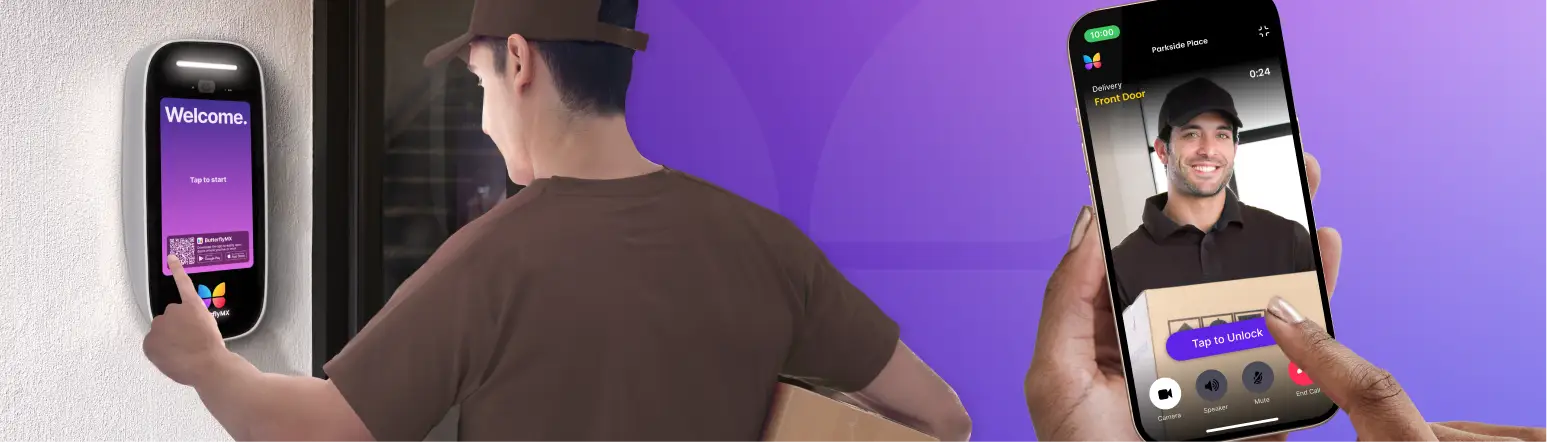
Those features affect daily access. Video helps residents see who is requesting entry before they unlock the door. Mobile access gives residents a way to use their phones instead of relying only on a physical credential. Remote administration helps staff update residents, directory information, and access permissions without going to the entry panel.
The type of intercom also affects the decision. Video intercom systems are often a strong fit for apartment buildings because they support visual verification. Audio-only intercoms may still work for some properties, but they give residents less information before granting access. IP-based networked intercoms and cloud-managed systems can support remote administration, while older telephone entry systems may be more limited depending on the property’s infrastructure and access goals.
There are tradeoffs here. A standalone intercom may be simpler, but it may not connect as cleanly with the rest of the property’s access control. An integrated platform can make it easier to manage multiple doors, gates, directories, and credentials, but it may require more planning during installation. Cloud-based administration can help teams manage access remotely, while on-premise systems may depend more on local equipment and onsite changes.
Wired and wireless deployment choices deserve the same practical review. Wired systems, including PoE-based installations where appropriate, can support more predictable power and connectivity planning, but they may require more work in a retrofit. Wireless options may reduce cabling needs in some situations, but signal strength and reliability at exposed entrances still need to be checked.
This is where ButterflyMX fits naturally into the evaluation. For properties that want an apartment video intercom with smartphone-based entry, visitor access, and remote management for staff, ButterflyMX is a relevant option to compare after the property has confirmed the durability, installation, and exposure requirements for its coastal environment.
How to choose the right system for your coastal property
The best way to choose a waterproof intercom system for coastal apartment buildings is to match the system to the actual exposure level, the building’s access needs, and the existing infrastructure. A headline rating is useful, but it should not be the only deciding factor.
Start with exposure assessment
Classify each entrance as sheltered, moderately exposed, or highly exposed to rain, hear, and sunlight. A recessed lobby entry under cover is different from a perimeter gate, pool gate, or exterior entrance that faces wind-driven rain and salt spray. Distance from the ocean matters, but so do local storms, prevailing winds, nearby washdown areas, and whether the panel may sit near standing moisture.
Match ratings and materials to the location
After you understand the exposure, compare ingress protection and construction quality together. A higher IP rating may be appropriate for more exposed entrances, but coastal durability still depends on corrosion-resistant materials, protected connectors, stainless steel or other suitable fasteners, and hardware designed for outdoor use. Door release hardware, conduit fittings, cable glands, and mounting accessories should be part of the same review.
Evaluate multifamily scale and traffic
A small building with one main door has different needs than a large coastal property with several gates, garages, amenity entrances, and high delivery volume. Resident count, visitor traffic, staff availability, and turnover all affect which features matter most. If the property has frequent move-ins and move-outs, directory and credential management become more important. If staff manage several entrances, remote administration becomes more useful.
Review infrastructure before you buy
Check available power, network connectivity, conduit routes, existing wiring, door hardware, and any access control system already in place. Retrofit projects may be shaped by what the building already has. New developments may have more freedom to place panels, plan PoE or other connectivity, and protect wiring from the start.
Compare total cost of ownership
The lowest upfront cost may not lead to the lowest long-term burden in a coastal environment. Exposed connectors, difficult service access, unsuitable fasteners, or weak mounting choices can create more inspection, cleaning, and replacement work. Compare the full picture: IP and IK ratings, material construction, installation complexity, maintenance needs, staff management time, and how well the system supports daily access.
Ask vendors coastal-specific questions
Before choosing a system, ask direct questions about the outdoor entry panel, enclosure materials, connectors, fasteners, rain shields, conduit fittings, surge protection, and maintenance guidance. Also ask how the system supports resident directories, mobile access, remote door release, and integration with existing access control. The answers should help you compare both durability and day-to-day usability.
If your priorities include remote management, smartphone entry, and apartment-focused visitor access, ButterflyMX is worth evaluating alongside other systems that meet your exposure and construction requirements. The strongest buying decision treats coastal durability and access management as one connected problem.
Installation considerations for coastal environments
A well-rated intercom can still underperform if it is placed poorly or installed with weak protection around wiring and hardware. Coastal conditions make small installation details more important because water, salt, metal, and electrical connections often meet at the entry point.
Mounting location should be the first decision. If the panel can be placed in a protected spot without making it hard to use, that may reduce direct exposure to rain and spray. A sheltered placement does not remove the need for the right rating or corrosion-resistant construction, but it can reduce stress on the device.
Cable and wiring protection are just as important as the face of the panel. Exposed entry points should use appropriate conduit, cable glands, and fittings to help protect terminations. Penetrations should be planned carefully because the rear side of the installation can be more vulnerable than the visible front panel.
Grounding and surge protection should also be part of the installation conversation, especially for exposed entrances in storm-prone coastal areas. Surge protection devices, proper grounding, and coordination with the broader electrical and access setup can help reduce avoidable risk to outdoor equipment.
Finally, coordinate the intercom with the connected lock, door release hardware, gate equipment, and access control components. If the intercom is installed at a gate, remember that the intercom and access control technology manage entry requests and credentials; they do not replace the mechanical gate operator. Good installation planning keeps those roles clear and helps the full entry system work together.
Maintaining intercom systems in coastal environments
Coastal intercoms need recurring attention because salt buildup continues after installation. Even a sealed outdoor panel can wear faster if deposits collect on the enclosure, hardware, lens, screen, connectors, or mounting points.
A practical maintenance routine usually includes these steps:
- Inspect the panel surface, mounting points, and visible hardware for salt deposits, finish breakdown, rust, discoloration, or early corrosion.
- Clean away buildup using the manufacturer’s recommended method instead of assuming any cleaner, rinse, or tool is safe.
- Check seals, gaskets, and cable-entry points for cracking, gaps, or wear that could allow moisture intrusion.
- Review fasteners, brackets, and visible connectors for loosening, corrosion, or damage.
- Increase checks after storms, heavy spray, or unusual exposure.
Maintenance frequency depends on the property’s distance from the ocean, the entrance location, local weather, and how much direct spray the panel receives. A fully exposed beachfront gate may need closer observation than a recessed entry farther inland. If the manufacturer allows a fresh-water rinse in certain situations, follow that guidance exactly rather than improvising.
Property teams should also know when to escalate a problem. Repeated corrosion at screws or brackets, visible connector damage, failing finishes, moisture behind lenses or screens, and recurring performance issues can all suggest that the installation or equipment is not holding up to the environment as intended.
Frequently asked questions
What IP rating is best for a beachfront apartment intercom?
IP65 or higher can be a reasonable starting point for many beachfront apartment entries, but the best rating depends on the panel’s exposure to spray, storms, and washdown. A fully exposed gate may need a different level of protection than a sheltered vestibule, and the rating should always be paired with corrosion-resistant construction.
How does salt air damage intercom systems?
Salt air can corrode metal parts, connectors, fasteners, brackets, and finishes even when the enclosure keeps out rain. Over time, that corrosion can affect appearance, reliability, and service life, which is why coastal buyers should review materials separately from IP ratings.
Can I pressure wash my outdoor intercom panel?
You should not assume pressure washing is safe for an outdoor intercom panel. Pressure washing may exceed the device’s tested protection level, so follow the manufacturer’s cleaning guidance for the specific panel and accessories installed at your property.
Do waterproof intercoms work with smartphone apps?
Yes, some outdoor-rated intercoms work with smartphone apps if that feature is built into the system. Weather resistance and app-based access are separate criteria, so coastal apartment buildings should confirm both durability and resident access features. ButterflyMX is one relevant option for properties that want smartphone-based visitor access and remote entry management.
Choosing a waterproof intercom system for coastal apartment buildings is really a matching exercise. The right system should fit the entrance’s exposure, resist water ingress, use construction details suited to salt-air conditions, and support the way residents, visitors, and staff use the property every day.
Once those durability requirements are clear, ButterflyMX is worth considering for coastal multifamily teams that want video intercom capabilities, smartphone entry, visitor access, and remote management. If you’re planning an upgrade, talk with ButterflyMX about modernizing entry access for your coastal property.
Get your free quote!
Fill in the form below, and we'll email you right back.
Want a free quote?
Fill in the form below, and we'll email you right back.
You’ll be redirected shortly...