





Key takeaways:
- Outdated video intercom hardware can create daily access issues because it often depends on aging wiring, limited replacement parts, and on-site administration.
- Older systems can slow down visitor, delivery, vendor, and staff workflows because access permissions are difficult to update and property teams have limited visibility.
- Apartment buildings should evaluate potential upgrades based on reliability, resident experience, remote management, installation requirements, scalability, and long-term support.
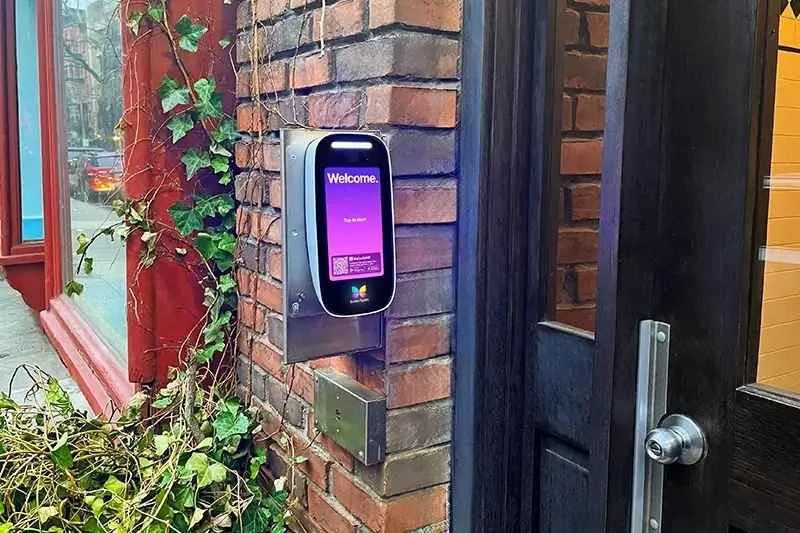
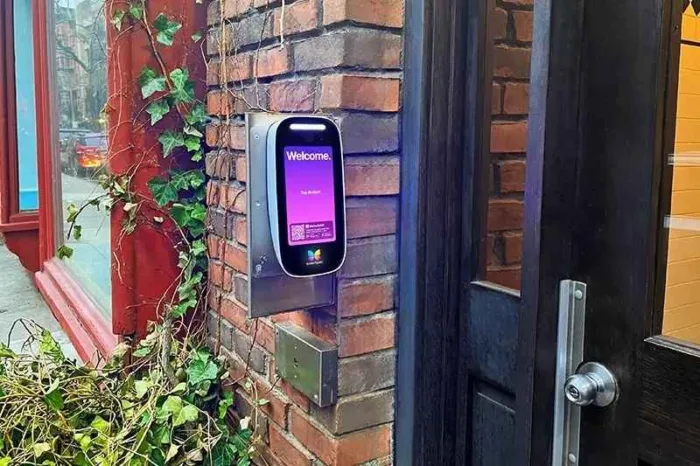
If residents regularly miss visitor calls, delivery drivers cannot reach the right person, or staff must walk to the lobby to troubleshoot the intercom, the issue may extend beyond a single device. Many apartment buildings struggle with outdated video intercom hardware because older systems were designed for simpler access needs, fewer deliveries, and fewer entry points.
As intercom hardware ages, it often becomes harder to maintain, scale, and manage. Worn components, legacy wiring, limited software capabilities, and discontinued replacement parts can turn everyday access into a recurring operational problem.
For property managers, owners, developers, and facilities teams, the question is not simply whether the existing video intercom system still works. It is whether the system supports how residents, visitors, vendors, delivery drivers, and staff actually move through the property.
This guide covers:
- Why older intercom hardware causes access problems
- Daily workflows affected by aging intercoms
- Maintenance and repair challenges
- What to look for in an intercom upgrade
- How ButterflyMX supports modern access workflows
- FAQs

Why older intercom hardware causes access problems
Traditional apartment video intercom systems often rely on property-specific wiring, in-unit stations, lobby panels, analog phone lines, or legacy network equipment. These systems may have worked well when buildings handled fewer deliveries, fewer short-term visitors, and less demand for remote access management.
Over time, the hardware begins to wear down. Intercom cameras lose clarity, buttons stick, speakers crackle, and resident directories become harder to maintain. A visitor may select a resident’s name at the entrance and receive no response because the in-unit device is broken, the phone number is outdated, or the system cannot route the call reliably.
These problems rarely stay contained at the entrance. A missed call can lead to a front-desk interruption, a delayed delivery, a resident complaint, or a security concern when someone props open a door to avoid using the system.
Daily workflows affected by aging intercoms
Outdated intercom hardware affects more than resident ease-of-use and convenience. It can disrupt how the entire property manages movement through shared entrances, gates, parking areas, amenities, package rooms, and service doors.
- Resident access: Residents may have to answer calls from a fixed in-unit station instead of from wherever they are. If they are not home, a guest may be stranded at the entrance.
- Visitor access: Guests may call the leasing office or front desk when the directory is outdated or the intercom fails to connect.
- Delivery access: Package carriers may make repeated calls, leave items in unsecured areas, or require staff assistance for routine deliveries.
- Vendor access: Maintenance contractors, cleaners, and service providers may need special arrangements after hours if permissions cannot be managed easily.
- Staff workflows: Property teams may have to update names, phone numbers, and access permissions directly on-site or through a limited admin process.
These small delays can create a meaningful operational burden over time. A leasing team may be conducting apartment tours while also fielding calls from delivery drivers who cannot get through the lobby intercom. A facilities manager may need to coordinate after-hours access for a plumber but lack a reliable way to grant temporary entry.
Maintenance and repair challenges
Apartment buildings often struggle with outdated video intercom hardware because repairs become less predictable as systems age. Replacement parts may be discontinued, qualified service technicians may be harder to find, and each repair may address only one part of a larger infrastructure problem.
Older systems can also be time-consuming and expensive to troubleshoot. The issue may be located in the lobby panel, an in-unit station, wiring between floors, the power supply, or a legacy phone connection. A resident complaint that the intercom does not ring may require testing several components before a technician can identify the cause.
For owners and managers, this creates an important budget decision. Continuing to repair an existing system may appear less expensive than replacing it. However, repeated service calls, staff time, resident dissatisfaction, and manual workarounds can increase the system’s total cost over time.
Before deciding whether to repair or replace an intercom, consider the following questions: Are replacement parts still available? Can the system be managed remotely? Does it support mobile access workflows? Can it handle the property’s current visitor and delivery volume? Will the system be easier or more difficult to support two years from now?
What to look for in an intercom upgrade
An intercom upgrade should address the access challenges your property experiences today while supporting future needs. A small walk-up building may require a different solution than a high-rise with several entrances, a gated community, or a mixed-use property serving residents, retailers, staff, and delivery drivers.
Start by mapping the access workflow. Identify who needs access, where they enter, who authorizes entry, and what happens outside normal business hours. This process can help determine whether a system supports resident guests, package deliveries, maintenance vendors, leasing tours, amenity access, and staff permissions.
- Resident experience: Can residents see and speak with visitors before granting access, even when they are away from their unit?
- Administrative control: Can staff update users, permissions, and directories from one place instead of visiting each device or relying on manual records?
- Installation requirements: Does the upgrade require new wiring, in-unit hardware, network changes, or coordination with existing doors, gates, or elevators?
- Access visibility: Can managers review access activity to understand how entrances are being used?
- Scalability: Can the system support additional entrances, amenities, or property changes over time?
Property teams should also involve their installer, access control provider, IT team, and relevant contractors early in the process. Door hardware, gate equipment, network connectivity, power, and local requirements can all affect how an intercom upgrade is designed and installed.
Discover how ButterflyMX works:
How ButterflyMX supports modern access workflows
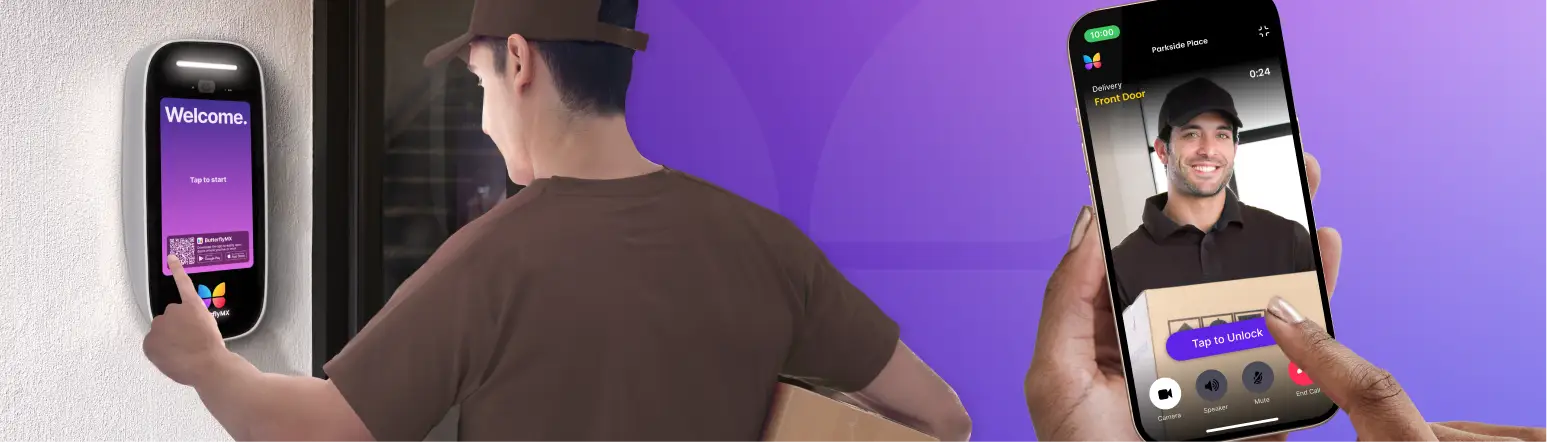
ButterflyMX helps properties simplify access across front doors, gates, and shared spaces with solutions designed around real property workflows. Residents can use a smartphone to see and speak with visitors before granting access, reducing dependence on outdated in-unit hardware and manual coordination.
For property staff, centralized access management can reduce the time spent updating resident directories, coordinating recurring vendors, and responding to routine entry issues. As occupancy or staffing changes, property teams can update permissions from a central platform rather than relying on paper records or disconnected systems.
Visitor Passes allow property teams to provide approved guests, vendors, or service providers with controlled access based on predefined rules. This can support recurring dog walkers, family members, cleaners, or scheduled contractors without requiring staff to intervene each time they arrive.
By reducing repetitive access tasks, a modern system can help property teams spend less time troubleshooting entry issues and more time supporting residents and managing the property.
ButterflyMX does not replace every component of a building’s access infrastructure. Doors, locks, gate operators, elevator controls, and other systems may still require compatible hardware and qualified professionals. However, as part of a broader access control strategy, ButterflyMX can help make resident entry, visitor access, delivery workflows, and staff administration easier to manage.
Frequently asked questions
Why do older apartment video intercom systems stop working reliably?
Older systems often depend on aging wiring, worn lobby panels, outdated resident stations, or legacy phone connections. As components fail and replacement parts or technical support become limited, isolated issues can turn into recurring access problems.
Is it better to repair or replace an outdated intercom?
The right decision depends on the system’s age, replacement-part availability, repair history, and the property’s current access needs. When repairs are frequent and staff still rely on manual workarounds, replacement may provide better long-term value.
Can a modern intercom help with deliveries?
Yes, when the system is configured around the property’s delivery workflow. A modern access system can help delivery drivers reach the appropriate resident or use approved access methods, reducing routine interruptions for front-desk and management staff.
Do residents need in-unit hardware with every video intercom?
Not always. Some modern systems allow residents to receive visitor video calls and unlock doors from their smartphones. This can reduce dependence on in-unit stations, although installation requirements vary by property.
What should property teams review before upgrading?
Property teams should review entrances, doors, gates, resident needs, delivery volume, vendor access, network requirements, existing hardware, administrative workflows, and plans for future growth. A qualified installer can help confirm system compatibility and installation requirements.
Get your free quote!
Fill in the form below, and we'll email you right back.
Want a free quote?
Fill in the form below, and we'll email you right back.
You’ll be redirected shortly...