





Key takeaways
- High-turnover properties face constant changes, making access credential management a major operational and security challenge.
- Short leases, workforce mobility, seasonal patterns, and market shifts all contribute to frequent tenant turnover.
- Centralizing all credentials within your access control system ensures consistency and reduces errors during busy move-ins and move-outs.
- Digital credentials minimize reliance on physical keys or fobs, allowing remote issuance and instant revocation.
- Role-based and time-based access features streamline management for residents, staff, vendors, and temporary guests.
- Automating routine credential updates and reviewing access logs keeps access secure while reducing administrative workload.
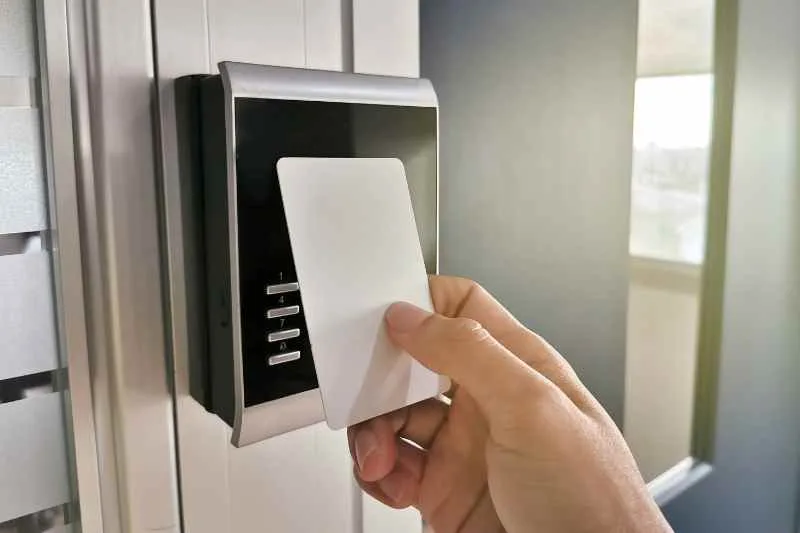
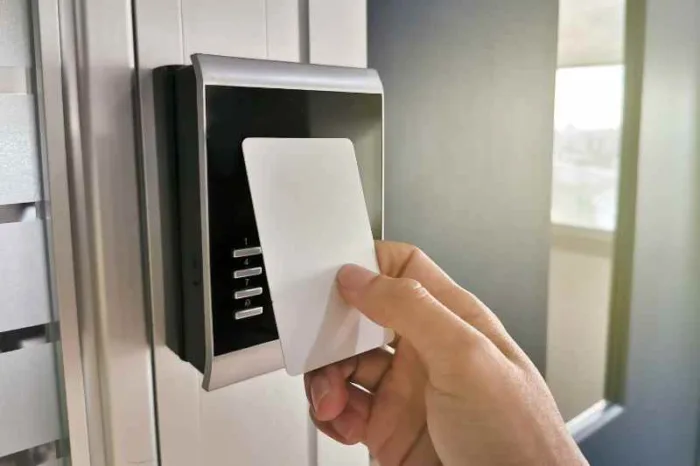
High tenant turnover is a reality for many properties. Between move-ins, move-outs, vendor visits, and temporary access needs, managing who can enter your building becomes a constant operational task.
When turnover is low, access control may feel manageable. But when residents are regularly cycling in and out, access credential management can quickly become one of the biggest drains on staff time and a major source of security risk.
This guide walks through how to manage access credentials effectively when you operate a high-turnover property, what typically goes wrong, and which practices help property managers stay in control without adding more manual work.
Navigate this post:
- Why high-turnover properties struggle with access credential management
- 4 tenant turnover contributors
- How to simplify credential management using your existing access control system
- How ButterflyMX simplifies access credential management for high-turnover properties
- Access credential management FAQs
More than 100K, 5-star reviews!

Video Intercoms
Open doors, gates & garages from anywhere.

QR Code Intercom
Smartphone-based visitor access.
Access Control
Fob, key cards, PINs, and mobile apps.
Security Cameras
Visibility throughout your property.

Vehicle Access
Hands-free access for gates & garages.
Package Room
Receive, store, and manage deliveries.
Smart Locks
Connect to all major brands and models.
Elevator Controls
Unlock key-fobbed elevators for anyone.
Front Desk Station
See all your doors and cameras in one place.
Why high-turnover properties struggle with access credential management
Every time someone enters or leaves a property, access has to change. In high-turnover environments, that change happens constantly.
The most common issues property managers face include:
- Issuing credentials fast enough during frequent move-ins
- Remembering to revoke access immediately during move-outs
- Replacing lost keys, cards, or fobs
- Managing temporary access for vendors and service providers
- Keeping access levels consistent across residents, staff, and guests
When access credential management relies on physical hardware or manual processes, these issues compound quickly.
4 tenant turnover contributors
High-turnover properties are typically affected by a mix of market conditions, operational realities, and evolving tenant expectations. Understanding these contributors helps property managers anticipate frequent access changes and design access credential management processes that can handle constant movement without breaking down.
Here are four reasons you might experience turnover at your property:
- Shorter lease terms and flexible agreements
- Workforce mobility and remote work
- Seasonal occupancy patterns
- Cost-driven moves and market shifts
1. Shorter lease terms and flexible agreements
Month-to-month leases, short-term rentals, and flexible commercial agreements increase occupancy flexibility but also increase the frequency with which access credentials must be issued and revoked. Short lease cycles leave little margin for error, making manual access processes harder to sustain.
2. Workforce mobility and remote work
Job changes, hybrid work arrangements, and temporary assignments cause residents and commercial tenants to relocate more frequently. This is especially common in urban areas, college towns, and contract-driven markets. Increased mobility leads to more frequent credential changes and a higher risk of outdated access if systems are not tightly managed.
3. Seasonal occupancy patterns
Apartments, vacation rentals, and tourism-driven properties often experience predictable spikes in move-ins and move-outs during certain times of year. These concentrated turnover periods can overwhelm manual access processes and expose weaknesses in credential issuance and revocation workflows.
4. Cost-driven moves and market shifts
Rent increases, economic changes, and business downsizing contribute to higher tenant turnover. While market factors are largely outside a property manager’s control, they directly increase the frequency of access credential updates. Strong access credential management helps properties absorb these changes without adding operational strain.
Discover how ButterflyMX works:
How to simplify credential management using your existing access control system
High turnover exposes gaps in how access credentials are issued, monitored, and revoked, especially when features are underused or workflows are still manual. By adjusting how you use your access control system, you can simplify access credential management without adding new tools or increasing staff workload.
Here are some easy ways to simplify credential management:
- Centralize credential management within your access control platform
- Reduce reliance on physical credentials
- Align credential start and end dates with lease terms
- Use role-based permissions already built into your system
- Use time-based access features for vendors and guests
- Rely on access logs to stay ahead of access issues
- Automate routine credential updates within your system
Centralize credential management within your access control platform
Many access control systems can manage all credentials from a single interface, but that functionality is not always fully utilized. When credentials are programed and managed across multiple panels, locations, or workflows, access changes are more likely to go unnoticed.
Using your access control system as the central source of truth for all credentials helps ensure consistency during busy turnover periods. Issuing, updating, and revoking access from one dashboard reduces errors and makes it easier to confirm that no credentials remain active after a move-out.
Reduce reliance on physical credentials
If your access control system supports digital credentials, using them more widely can significantly reduce administrative friction. Physical keys, fobs, and cards require handoffs, tracking, and replacement, which becomes difficult when turnover is high.
Digital credentials issued through your access control system can often be activated remotely and revoked instantly. Shifting more access to digital options lets you keep pace with frequent changes in access without relying on in-person coordination.
Align credential start and end dates with lease terms
Many access control systems allow credentials to be scheduled in advance, but those features are often overlooked. Instead of manually granting and removing access, credentials can be set to activate and expire based on lease or contract dates.
Using your access control system this way ensures tenants receive access on move-in day and lose access immediately after move-out. This reduces security gaps caused by delayed revocation and removes pressure on staff to remember access changes during busy periods.
Use role-based permissions already built into your system
Most access control systems support role-based or group-based permissions. Taking advantage of this structure simplifies access credential management when turnover is high.
By assigning residents, staff, vendors, and guests to predefined roles, access updates become faster and more consistent. When someone moves in or out, you only need to add or remove them from the appropriate group rather than adjusting individual door permissions each time.
Use time-based access features for vendors and guests
If your access control system supports time-based permissions, using them for vendors and service providers can eliminate lingering access risks. Vendors often require access outside normal hours or only on specific days, which makes permanent credentials unnecessary.
Time-based access automatically expires credentials after a set window, reducing the need for follow-up and manual cleanup. This is especially helpful in properties with frequent vendor turnover.
Rely on access logs to stay ahead of access issues
Access control systems generate detailed logs that show who accessed specific entry points and when. In high-turnover properties, these logs are a valuable tool for resolving access-related questions.
Regularly reviewing access logs helps confirm that credentials are being used as intended, verifies vendor activity, and provides clarity when issues arise. Making log review part of your routine strengthens overall access credential management.
Automate routine credential updates within your system
Manual credential updates are difficult to maintain when turnover is constant. Many access control systems offer automation options that can handle routine access changes without ongoing staff involvement.
Automating move-in access, move-out revocation, and scheduled expirations reduces repetitive tasks and lowers the risk of human error. By using the automation features already available in your access control system, you can maintain secure access while freeing up time for other operational priorities.
How ButterflyMX simplifies access credential management for high-turnover properties
High-turnover environments demand an access control system that can keep up without adding complexity. ButterflyMX is designed specifically for properties where access changes are frequent, time-sensitive, and operationally critical.
Instead of managing credentials across disconnected tools, ButterflyMX centralizes access for residents, staff, vendors, and guests in one system. Property managers can issue, update, and revoke access remotely, reducing the risk of outdated credentials and eliminating the need to coordinate in-person handoffs during move-ins and move-outs. Additionally, with ButterflyMX, you can important tenants manually if you don’t want to automate the process.
ButterflyMX’s digital credentials remove reliance on physical keys and fobs, which are often lost, shared, or returned late in high-turnover properties. Access can be granted instantly and revoked just as quickly, helping teams stay secure even during peak leasing seasons.
Role-based and time-based access features make it easier to scale credential management as turnover increases. Residents receive access aligned with lease terms, vendors receive temporary access that expires automatically, and staff permissions stay consistent across properties. This structure reduces manual work while maintaining clear access boundaries.
Because ButterflyMX is built for multifamily and commercial properties, it supports the operational reality of frequent access changes. By automating routine credential updates and providing clear visibility through access logs, ButterflyMX helps property teams maintain control, reduce staff workload, and deliver a smoother move-in and move-out experience.
Access credential management FAQs
- Why is access credential management harder in high-turnover properties?
- How does tenant turnover impact access credential management?
- What features help with access credential management in high-turnover properties?
Why is access credential management harder in high-turnover properties?
High turnover increases how often access credentials need to be created, updated, or revoked. When access control depends on manual processes or physical credentials, frequent changes are easier to overlook, leading to outdated access, lost keys or fobs, and higher security risk.
How does tenant turnover impact access credential management?
Each move-in and move-out requires access to be granted or removed, often on tight timelines. In high-turnover properties, these repeated changes put pressure on staff and increase the likelihood of delays, errors, or inconsistent access levels if credential management is not centralized.
What features help with access credential management in high-turnover properties?
Features like centralized credential management, role-based permissions, time-based access, access logs, and automated credential expiration help property managers keep access accurate as people cycle in and out. Using these tools reduces manual work while improving security consistency.

Get your free quote!
Fill in the form below, and we'll email you right back.
Want a free quote?
Fill in the form below, and we'll email you right back.
You’ll be redirected shortly...