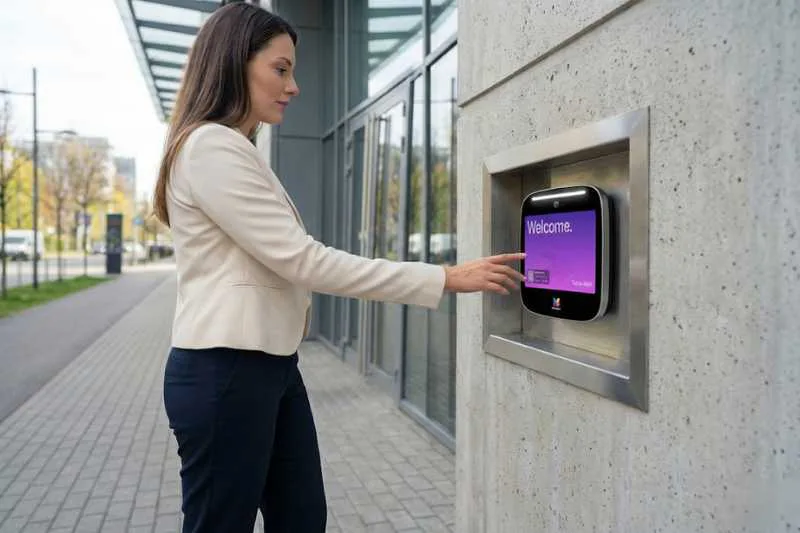
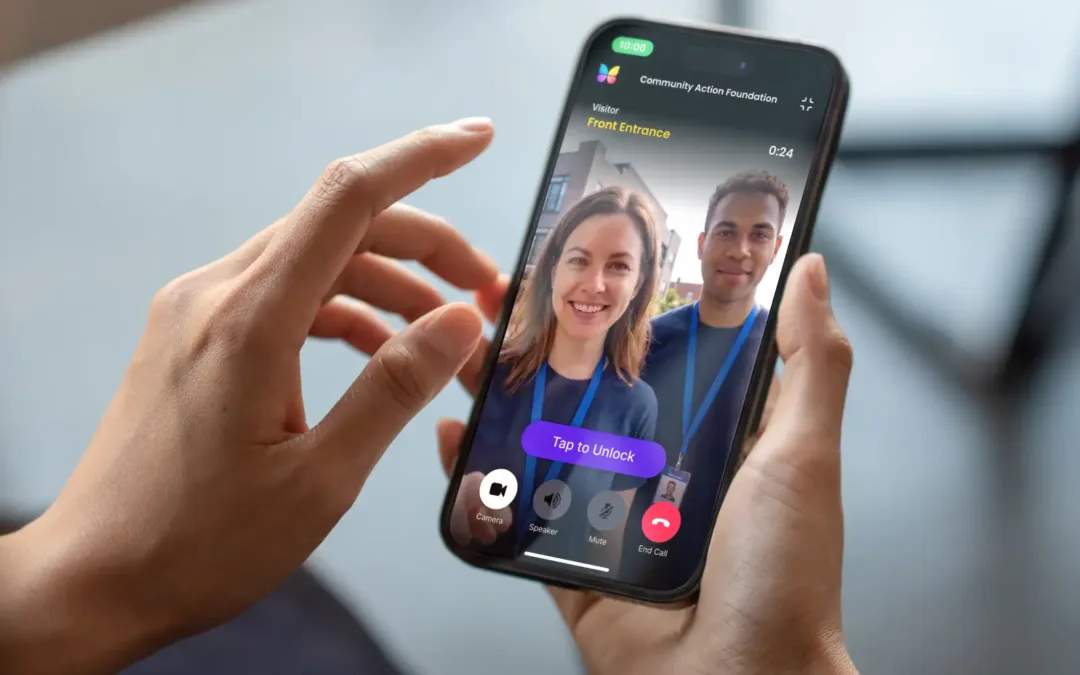
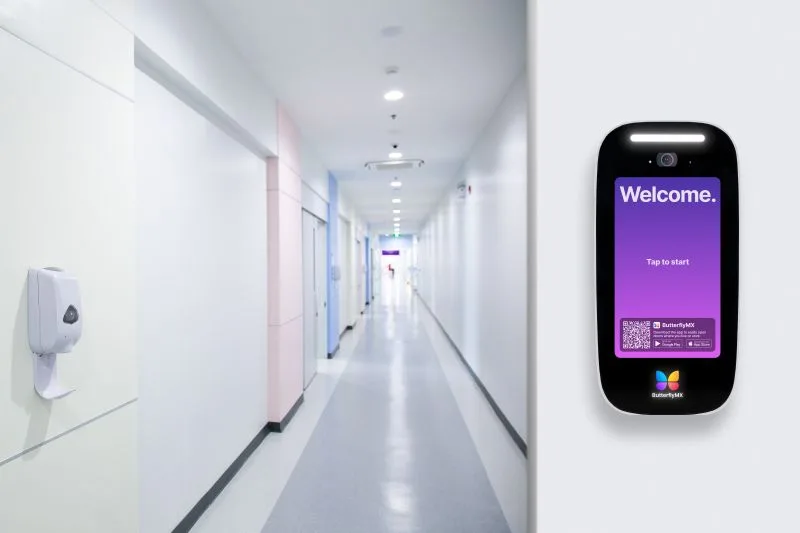
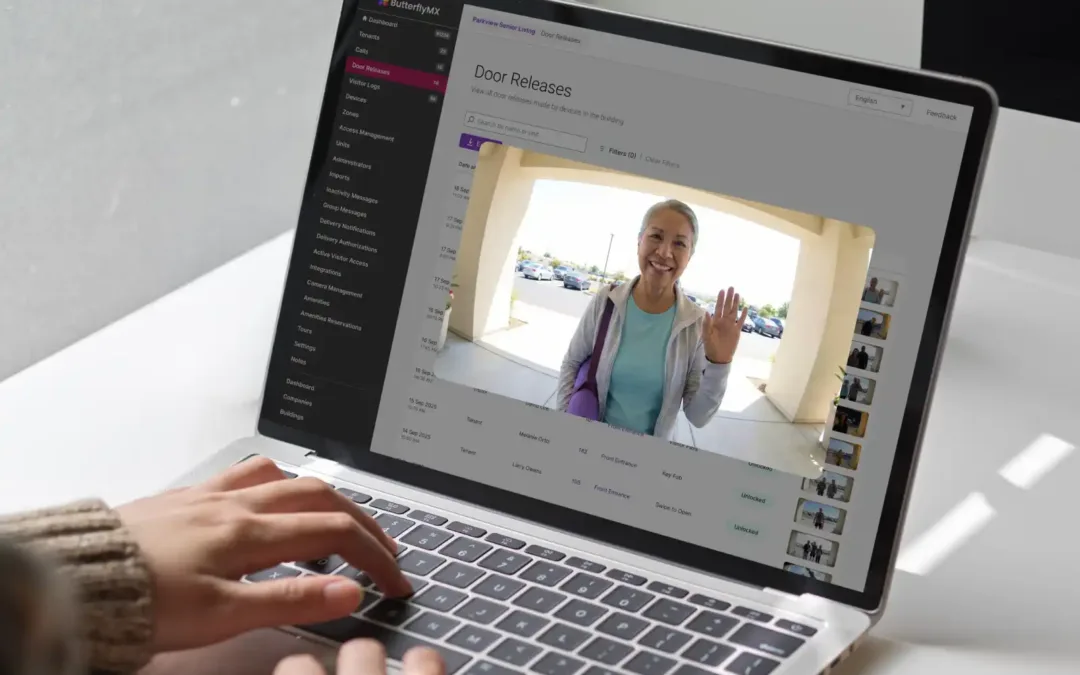
Key takeaways: Appointment-only access control keeps therapy-office entry managed by pairing a locked or controlled door with live verification, time-limited credentials, or both. Door access and ePHI access are different HIPAA concepts, so no lock, intercom, keypad,... Read More
Key takeaways Security concerns for your veterinary clinic include medication storage, patient records, equipment theft, and overnight pet care. Additional security hardware for animal hospitals includes motion sensor lights, alarms, guards, and security cameras.... Read More
Key takeaways The most common types of access control in healthcare are role-based, attribute-based, and physical. Access control in healthcare protects your patients, staff, assets, and data and may save you from liability issues. Healthcare access control is... Read More
Key takeaways Memory care facility access control allows you to ensure convenient access for staff and visitors while keeping your patients safe. Electronic access control for memory care facilities offers sanitary, hands-free access, allows for patient tracking with... Read More
Key takeaways Access control in healthcare manages access to people, sensitive areas, assets, and data in healthcare facilities. Nursing home access control is necessary for preventing senior elopement, preserving privacy, and reducing theft of prescription drugs. A... Read More
Key takeaways The most important security requirements for pharmacies are access control, security cameras, and alarm systems. Pharmacies’ most common safety issues are exposure to chemicals, cybersecurity threats, and workplace accidents. Securing... Read More