





Key takeaways:
- Cold weather can disrupt apartment intercoms by stressing electrical components, shifting metal hardware, weakening batteries, and letting moisture or ice interfere with exposed equipment.
- When the buzzer or call function works but the door will not unlock, the electric strike or door release hardware is often the first place to investigate.
- Recurring winter failures may point to aging wiring, poor weather protection, or outdated entry hardware, making repair-versus-upgrade planning more important than a one-time fix.
If an apartment intercom system works on a mild afternoon but fails after a cold night, the weather may be exposing a weakness in the entry system. Cold temperatures can stress power delivery, make metal parts contract, reduce battery performance, and turn moisture into ice around exterior hardware. That is how cold weather affects apartment intercoms: it does not usually break every part at once, but it can push a borderline component past the point where it works reliably.
The most important first step is to separate the intercom from the door release. If residents can hear the visitor, the buzzer sounds, or the call connects, the communication side may still be working. The problem may be the electric strike, strike plate, latch, transformer, wiring connection, or another part that actually releases the door.
That distinction matters for property managers, maintenance teams, and residents because winter access problems affect more than convenience. They can slow down deliveries, frustrate visitors, disrupt staff, and create uncertainty at entrances that need to work every day. This guide explains the common cold-weather failure points, what different symptoms usually mean, what you can safely check, and when repeated winter problems may justify a larger upgrade.
This guide will answer:
- Why cold weather causes apartment intercom problems
- Common cold-weather intercom problems and what they usually mean
- How electric strikes and door releases fail in winter
- Traditional buzzers vs. modern video intercoms in cold weather
- How to prevent intercom problems before winter
- Safe troubleshooting steps for winter intercom issues
- When to call for professional repair or consider replacement
- FAQs
Watch how ButterflyMX works:
Why cold weather causes apartment intercom problems
Apartment intercoms tend to struggle in cold weather for four main reasons: electrical stress, metal contraction, moisture intrusion, and battery decline. Those issues can affect traditional audio buzzers, hardwired intercoms, wireless components, IP intercoms, and video intercoms. The part that fails, however, depends on the system design, installation quality, age, and exposure.
- Electrical components may become less stable when temperatures drop, especially if the system already has an aging transformer, brittle wiring, corrosion, or loose connections.
- Metal parts contract in the cold, which can change the fit between the latch, strike plate, electric strike, and door frame.
- Moisture can enter exterior panels, cable paths, and lock hardware, then condense or freeze during temperature swings.
- Batteries in wireless devices or backup-dependent components usually perform worse in low temperatures.
Outdoor components usually show problems first because they face wind, snow, rain, ice, and repeated freeze-thaw cycles. An indoor base station or apartment sub-station may appear normal while the exterior intercom panel, electric strike, gate call box, or door hardware is struggling outside.
Cold weather also tends to reveal problems that were already developing. A weak transformer, corroded wire connection, aging cable, or slightly misaligned strike may work in mild weather and then become unreliable when temperatures fall. That is why older buildings are often more vulnerable: not because every old system fails in winter, but because aging infrastructure can leave less room for cold-related stress.
Moisture is just as important as temperature. Water that gets into an exposed panel or door release assembly may not cause an immediate failure. But if it freezes, thaws, and freezes again, it can make small alignment problems worse, increase corrosion, or block moving parts. Some symptoms may disappear when the weather warms up, but that does not always mean the underlying issue has been fixed.
Common cold-weather intercom problems and what they usually mean
The fastest way to make sense of apartment intercom winter problems is to notice what still works. Can the visitor call a resident? Does the buzzer sound? Does audio or video connect? Does the door actually unlatch? Also note whether the issue affects one entrance, one apartment, or the whole property.
Buzzer sounds but the door does not open
This usually points away from the intercom panel and toward the electric strike or door release mechanism. If the resident can hear the visitor or the buzzer sounds normally, the communication path may be working while the door hardware is sticking, frozen, misaligned, or not receiving enough power to release cleanly.
No buzzer, no call, or no response
A total loss of function can point to a broader power, wiring, transformer, panel, or connection issue. Moisture inside an exterior intercom panel can also affect the call function, especially when the failure appears after storms, freezing rain, or sharp temperature changes.
Intermittent operation
An intercom that works during the day but fails at night is giving you a useful clue. That pattern often suggests a cold-sensitive connection, condensation, battery weakness, or hardware that tightens as metal contracts. Intermittent problems are easy to dismiss when they clear up, but they are worth tracking because they often return during the next cold snap.
The door needs extra force
If residents have to push, pull, or try more than once after the release is triggered, the latch and strike area may be slightly out of alignment. Cold weather can change the fit of the door and frame, and ice, grime, or corrosion can add just enough resistance to keep the door from opening smoothly.
Only one entrance is affected
When one entry door fails but another works, the failed entrance deserves close attention. A wind-exposed high-rise door, a side entrance that collects moisture, or a gated community call box may face harsher winter conditions than a protected lobby entrance. In that case, the issue may be local to the panel, wiring, strike plate, latch, or door release hardware at that opening.
These clues help separate a communication problem from a release problem. That distinction shapes the repair path. A working call function with a locked door points to different components than a system that has gone completely dark.
How electric strikes and door releases fail in winter
An electric strike is the piece of door hardware that releases the latch when the intercom sends an unlock command. In a typical apartment entry setup, the intercom handles communication and access signaling. The electric strike changes state so the door can open. If the strike sticks, freezes, loses alignment, or does not receive enough power, the door may stay locked even though the intercom seems to be working.
That is why a buzzer can sound without granting entry. The signal may reach the door, but the release hardware may not have enough mechanical freedom to move. Cold weather can tighten tolerances, stiffen moving parts, and make existing wear more obvious. Moisture can freeze around the latch or strike area, and repeated freeze-thaw cycles can gradually worsen binding or corrosion.
The strike plate, latch, frame, and door position all affect how well the release works. If the door has shifted slightly, the pressure on the latch may change enough that the strike struggles in very cold weather. In practical terms, that can look like buzzing without unlatching, a door that opens only when someone pushes or pulls at the same time, or a failure that appears only after storms or overnight freezing.
Electric strikes are also different from magnetic locks. An electric strike releases a mechanical latch, so alignment and moving parts are central to its winter behavior. A magnetic lock works differently, though it still depends on proper power and installation. Because both are used for controlled entry, it is easy to group them together, but the troubleshooting path is not always the same.
Release hardware combines electrical and mechanical behavior, so winter diagnosis often requires a qualified technician. A professional can check power delivery, alignment, corrosion, visible wear, and whether the intercom signal is actually reaching the door hardware. That is safer and more useful than forcing the door or opening electrical components without the right expertise.
Traditional buzzers vs. modern video intercoms in cold weather
Cold weather does not affect every intercom category the same way. Traditional buzzer systems, hardwired video intercoms, IP intercoms, wireless components, cellphone-based intercoms, and cloud-managed systems all have different weak points. Newer technology can offer more management flexibility and clearer product specifications, but it is not automatically immune to winter. Exterior hardware still needs the right protection, installation still matters, and the operating temperature must fit the environment.
The table below compares common system categories from a winter-readiness point of view.
Older buzzer systems often depend on legacy telephone-entry equipment, older transformers, inconsistent wiring, and exposed door strikes. Hardwired systems avoid some battery-related problems, but they still depend on the exterior panel, cabling, transformer, strike, and installation conditions. A wired system is not automatically more winter-ready if the door hardware is worn or exposed to constant moisture.
IP and video intercoms may make it easier to compare published information such as operating temperature specifications and weather-resistance ratings. That matters because buyers should not rely on vague claims like outdoor-rated or weatherproof without checking what the manufacturer actually specifies. A panel at a wind-exposed high-rise entrance or a gate pedestal facing blowing snow may need more protection than a sheltered lobby panel.
What IP ratings and operating temperature specs mean
An IP rating describes how well an enclosure resists dust and water intrusion. In plain language, it helps buyers compare whether an exterior intercom panel is built for tougher exposure conditions. Still, an IP rating is only one part of the decision. Build quality, cable entry protection, mounting details, warranty support, and the connected door release hardware all affect real-world performance.
Operating temperature specifications show the conditions a manufacturer expects the hardware to handle. Because temperature ranges vary by product, property teams should review the exact specifications for each intercom panel, access device, and peripheral they are considering. Do not assume that all outdoor intercoms can handle the same climate.
Where ButterflyMX fits
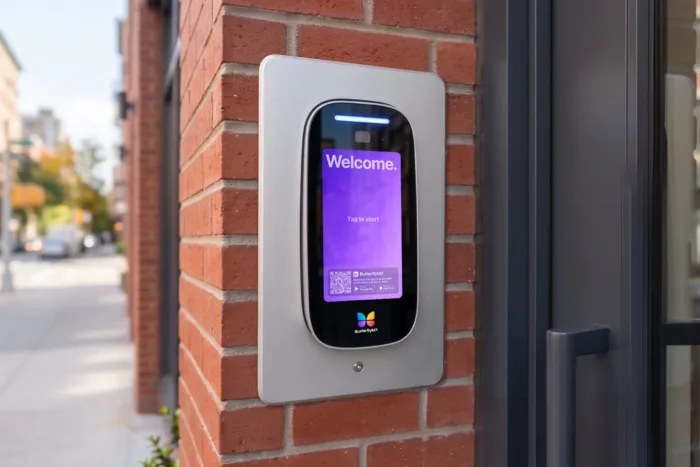
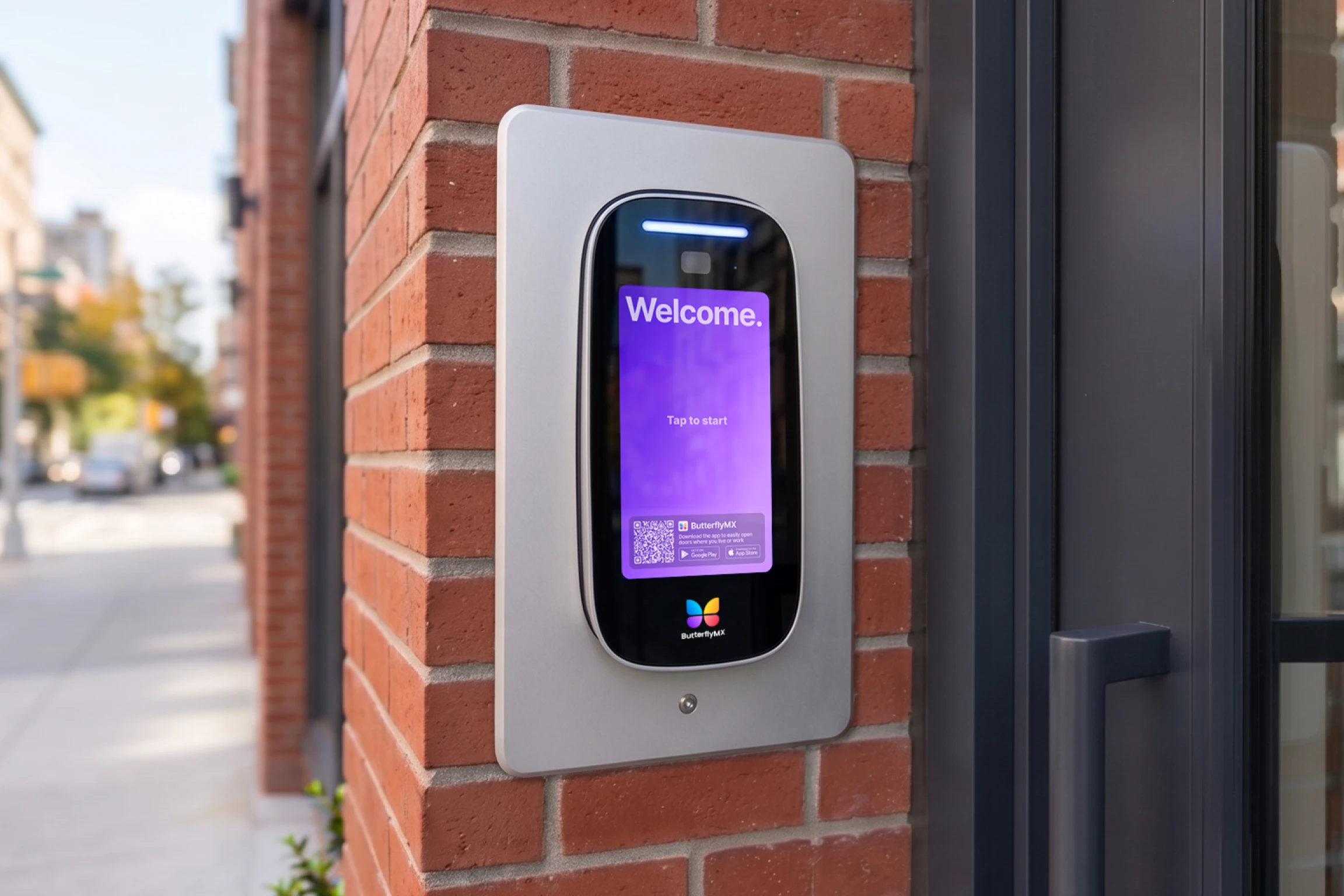
For properties with recurring problems from legacy telephone-entry equipment, ButterflyMX can be part of the replacement conversation. Its relevance is not that every winter access issue disappears with a new system. Exterior hardware, installation quality, and door release components still matter. The value is that ButterflyMX offers a modern video intercom approach with smartphone-based visitor access, remote management, cloud-based directory management, and no reliance on traditional POTS lines.
Those capabilities can be useful when a property team is already reassessing old entry hardware. Staff may be able to manage directory changes remotely, support app-based access for residents, and reduce dependence on older call paths that no longer fit the building’s needs. Winter reliability should still be evaluated through practical criteria: exposure, hardware specifications, installation, connected locks, and the condition of the existing access system.
How to prevent intercom problems before winter
The best time to address winter intercom maintenance is before sustained freezing weather arrives. Seasonal maintenance cannot prevent every failure, but it can reduce common problems at exterior panels, electric strikes, cable entry points, batteries, and exposed door hardware.
- Inspect every entrance, not just the main front door.
- Check exterior panels, seals, mounting points, and visible cable entries for wear or water exposure.
- Review strike alignment and look for doors that need extra pressure to latch or release.
- Address visible corrosion, grime, moisture, or debris around the latch and strike plate.
- Replace weak batteries in wireless or backup-dependent components before the coldest weather.
- Test the system during temperature swings, when intermittent faults are easier to spot.
- Document prior winter trouble spots so technicians can inspect recurring failure points first.
Timing matters because small fall problems can become winter disruptions. A slightly sticky strike, loose connection, or worn panel seal may not seem urgent until the first deep freeze. That is especially true in high-traffic multifamily buildings, student housing, senior living communities, and gated communities where one failed entrance can affect many residents, visitors, staff members, and deliveries.
Weatherproofing should be practical, not cosmetic. An exterior panel can look fine while moisture enters through worn seals, poor mounting, or exposed cable paths. The same is true for door hardware. A strike that releases in mild weather may already be close to misalignment, and winter conditions can make that weakness harder to ignore.
Property teams should also plan how they will communicate during an access disruption. That can include deciding who handles after-hours calls, how service issues are logged, which entrances are checked first, and how residents receive temporary instructions. Remote management tools in modern systems can help with some administrative tasks, but planning still matters no matter which system a property uses.
Safe troubleshooting steps for winter intercom issues
If an intercom is not working in cold weather, start with observation. The goal is to gather useful information before service, not to perform electrical or lock-hardware repair.
- Test the issue from more than one apartment, station, or user if possible. This helps show whether the problem is isolated or system-wide.
- Compare entrances. If one door works and another does not, the failed door may have a local hardware or exposure problem.
- Separate communication from release. Note whether the visitor call connects, whether audio or video works, whether the unlock command is sent, and whether the door opens.
- Look for visible ice, moisture, blockage, corrosion, or misalignment around the exterior panel, strike plate, latch, and door frame.
- Record the pattern. Note whether failures happen overnight, after storms, during freeze-thaw cycles, or only at certain entrances.
Do not force the door, open electrical components, bypass hardware, or attempt wiring or lock repairs without the right qualifications. Those steps can create safety issues, damage components, and make the original problem harder to diagnose.
If the property uses app-based entry, mobile access, or another modern credential method, note whether those functions behave differently from the directory or call function. That comparison can help narrow the issue to the communication path, the release hardware, or a broader system condition. Mobile access may give certain users a temporary path in some situations, but it does not replace the need to repair a failed entrance.
When to call for professional repair or consider replacement
Call for professional repair when winter intercom problems affect access reliability, repeat during multiple cold-weather events, or leave you unsure whether the issue is electrical, mechanical, or both. Even if the symptom disappears after temperatures rise, repeated seasonal failure is still a warning sign when an entrance controls resident access, visitors, deliveries, staff, or emergency access.
A one-time repair may be enough when the problem is limited to a clear component: a worn electric strike, a moisture-damaged panel seal, a weak transformer, a loose wiring connection, or an obvious alignment issue at one door. The decision changes when the same property needs several service calls each winter, problems spread across multiple entrances, parts become difficult to support, or visible wear suggests the system is aging as a whole.
Cold weather can permanently damage an intercom system in some cases, especially when repeated moisture exposure, corrosion, or neglected hardware is involved. Many winter symptoms are temporary, though. The better question is whether the system can be trusted through the next winter, not only whether it works again during a warm spell.
When replacement deserves a closer look
Replacement is worth considering when a property has older entry hardware, recurring strike or wiring issues, limited parts availability, or a legacy system that no longer fits how the building manages access. This can be especially relevant for older multifamily properties, buildings with several exposed entrances, gated communities with outdoor call boxes, and sites where reliable entry is important for residents, staff, visitors, and emergency responders.
If you are comparing new systems, look beyond the intercom panel. Review operating temperature specifications, weather-resistance ratings, build quality, maintenance needs, warranty support for exposed hardware, compatibility with the existing access control system, and whether the property needs remote management. Also consider whether the current winter problem is isolated to one component or part of a larger pattern involving aging wiring, repeated service calls, and poor fit for current operations.
For some properties, ButterflyMX belongs in that conversation because it offers a modern video intercom with smartphone-based visitor access, remote management, and cloud-based directory management instead of relying on traditional POTS lines. Those capabilities may help teams manage access more flexibly as they replace legacy equipment. They should still be weighed alongside winter-specific criteria such as exterior durability, hardware exposure, proper installation, and the condition of connected door release components.
The repair-versus-replacement decision is not only about convenience. It affects daily resident entry, visitor access, staff response time, maintenance planning, and how much recurring winter risk the property is willing to carry.
Frequently asked questions
Why does my door buzzer stop working only during winter?
A door buzzer that stops working only in winter is often reacting to cold-sensitive wiring, metal contraction, moisture intrusion, ice buildup, or weak batteries. Track whether the problem affects the buzzer, the door release, or both, and note whether it appears overnight, after storms, or during the coldest parts of the day.
Why does the buzzer sound but the door will not open?
If the buzzer sounds but the door stays locked, the electric strike or door release hardware is often the likely problem. Cold weather can make that hardware stick, freeze, or shift slightly out of alignment, so the intercom may communicate normally while the door still fails to release.
Can cold weather permanently damage an intercom system?
Yes, cold weather can contribute to lasting damage in some cases, especially when moisture, corrosion, aging parts, or neglected hardware are involved. Many cold-weather symptoms are temporary, but repeated failures or visible wear should be treated as signs that the system needs professional attention.
Are video intercoms more reliable in cold weather than traditional buzzers?
Video intercoms can be more reliable in cold weather when the hardware has suitable operating specifications, weather-resistance ratings, and proper installation. Still, reliability depends on the full entry setup, including exterior panels, wiring, power, and connected door release hardware.
Cold weather affects apartment intercoms by stressing the parts that make entry possible: transformers, wiring, exterior panels, electric strikes, strike plates, batteries, and door hardware. The most useful diagnostic question is whether the problem is in the communication path or in the door release. Once you know that, it is easier to decide whether the issue calls for maintenance, professional repair, or a closer look at the entire access system.
If your building sees the same failures every winter, another short-term repair may not be enough. Compare the condition of your current hardware with the weather resistance, operating specifications, maintenance needs, and management features your property actually needs. For properties ready to move on from aging telephone-entry equipment, talk with ButterflyMX about modernizing legacy apartment entry systems with a video intercom built for easier property management and more flexible visitor access.
Get your free quote!
Fill in the form below, and we'll email you right back.
Want a free quote?
Fill in the form below, and we'll email you right back.
You’ll be redirected shortly...