





Key takeaways:
- Ottawa apartment building security requirements usually involve both the City of Ottawa Property Standards By-law and Ontario fire safety rules.
- Required security measures tend to focus on safe, maintained building basics: locks, doors, windows, alarms, exits, lighting, and repair practices.
- Video intercoms, access control, mobile credentials, cameras, and package controls can strengthen daily operations, but they should not be treated as substitutes for life-safety compliance.
When an Ottawa apartment building has aging locks, a failing buzzer, package theft, or an upcoming inspection, it is easy to jump straight to equipment. But the better first question is simpler: What does the building actually have to provide, and what is just a smart upgrade?
The short answer is that Ottawa apartment building security requirements usually come from more than one source. Property managers need to consider the City of Ottawa Property Standards By-law, Ontario fire safety rules, and the building’s own age, layout, and use. In practice, that means reviewing secure doors and windows, smoke and carbon monoxide alarms where required, safe exit routes, common-area conditions, and ongoing maintenance.
That does not mean every property must install cameras, a video intercom, mobile access, or a full access control system. Those tools can be useful, especially for visitor access, credential control, and delivery management. But they belong in the upgrade conversation after the legal baseline for physical security is understood.
This guide separates compliance duties from best practices so you can review an Ottawa apartment building more clearly, plan repairs in the right order, and decide where modern access technology fits without confusing it with fire and life-safety requirements.
This guide will answer:
- Understanding the rules that govern apartment security in Ottawa
- What security features are legally required in Ottawa apartment buildings
- Door, entry, and window security requirements
- Fire safety, alarms, and means of egress
- Lighting, common areas, and operational security
- Landlord responsibilities, enforcement, and documentation
- Choosing modern security systems that support compliance
- Ottawa apartment security compliance checklist
- FAQs
Watch how ButterflyMX works:
Understanding the rules that govern apartment security in Ottawa
Apartment security in Ottawa is not controlled by one single rulebook. For most apartment buildings, the main framework includes the City of Ottawa Property Standards By-law No. 2013-416, the Ontario Fire Code, and, in some construction or renovation situations, the Ontario Building Code. Landlord duties under Ontario housing law can also matter when security problems overlap with maintenance, habitability, or tenant safety.
Each source has a different role. Property standards focus on the condition and maintenance of the building. That can include items such as doors, locking devices, windows, common areas, and other physical features that must be kept in proper repair. The Ontario Fire Code focuses on life safety, including alarms, exits, fire separations, emergency lighting, and other systems that help people leave or stay protected during an emergency.
The Ontario Building Code may become relevant when a building is newly built, renovated, changed in use, or assessed against construction requirements. Existing buildings, older buildings, and heritage properties may also raise questions that are not answered well by generic online advice. That is why building-specific interpretation should come from qualified local professionals or the proper authority.
This distinction matters because legal minimums and best practices often get mixed together. A property may need working locks, maintained alarms, and clear means of egress as compliance items. A video intercom, mobile credential system, package room, or security camera may be a useful management tool. Both categories can improve the building, but they do not have the same legal status.
Building type also affects the practical security plan. A high-rise may have more complex elevator, stairwell, lobby, and parking access patterns than a low-rise walk-up. Student housing often has frequent resident turnover, so key and credential control becomes more important. Senior living communities may need simpler entry methods and careful attention to accessibility. Mixed-use buildings may have service doors, commercial tenants, and delivery traffic that change how access should be managed.
What security features are legally required in Ottawa apartment buildings
Ottawa apartment building security requirements generally center on safe, secure, and maintained building function. They do not usually amount to a required stack of modern security products.
- Secure entry features, including required door hardware and maintained locking devices
- Windows and other openings that are kept in good repair and secured where applicable
- Smoke alarms and carbon monoxide alarms where Ontario rules require them
- Safe means of egress, including exit routes that are not blocked or undermined by security hardware
- Common-area conditions, such as lighting and maintained shared spaces
- Inspection, repair, and documentation practices that show required features are being managed
The practical takeaway is that compliance starts with building basics. If a suite door does not latch, a side entrance is routinely left unsecured, or an alarm responsibility is unclear, those issues deserve attention before optional technology upgrades. Cameras, access control, package lockers, and visitor management tools may solve real problems, but they should be selected to support the building’s security plan rather than define the legal baseline.
Property managers should be especially careful with broad claims about intercoms, lighting levels, camera coverage, or self-locking doors. A feature can be a good idea without being required in every Ottawa apartment building. Before treating any specific hardware detail as mandatory, compare it with the applicable bylaw, fire safety rule, building context, and professional guidance for that property.
Door, entry, and window security requirements
Doors and windows carry a lot of the security burden in an apartment building. They have to limit unauthorized entry, but they also have to work for residents, staff, visitors, emergency responders, maintenance, and safe exit.
Unit entry doors and locking devices
Apartment entry doors generally need locking devices and related hardware that are properly installed, usable, and maintained. Exact hardware requirements should follow the applicable City of Ottawa bylaw language and the building’s own context. From a property management perspective, the first review is often straightforward: Does the door close, latch, lock, and open as intended?
A lock is only one part of the door assembly. A deadbolt will not help much if the frame is damaged, the strike plate is loose, the hinges are failing, or the closer no longer pulls the door shut. Door viewers or peepholes, glazing near the latch side, and the condition of the surrounding frame can also affect how secure the entry feels and functions.
Older buildings often need careful retrofit planning because the problem is rarely just one piece of hardware. Replacing a lock may be simple. Changing closers, electric strikes, readers, or door frames can affect egress, accessibility, fire separation, and daily use. Those choices should be reviewed before work begins, not after residents start reporting problems.
Common entrances, garages, and visitor entry
Main entrances, side doors, service doors, and garage access points are usually where apartment security becomes operational. These openings handle residents, guests, couriers, contractors, staff, and emergency access. If the main entrance is frequently propped open or a garage door closes unreliably, even well-maintained suite doors can be undermined.
This is where intercoms, buzzer systems, key fobs, mobile credentials, and access control systems can be useful. They are not automatically the legal baseline for every building, but they can help manage who gets in, how visitor access is granted, and how quickly credentials can be changed when residents move out or staff roles change.
Legacy telephone-entry systems create a common decision point. If the system is unreliable, residents may start bypassing the process, staff may issue extra keys, or visitors may wait until someone lets them in. A modern video intercom or access control system can address that access-management problem, but it still has to work alongside required door hardware and life-safety rules.
Self-closing and self-locking concepts
Self-closing and self-locking are related ideas, but they are not the same thing. A self-closing mechanism pulls a door shut after someone uses it. A self-locking setup returns the door to a secured state without relying on a person to lock it manually.
Whether either feature is required depends on the specific door, the building layout, and the rule that applies. A door can close without locking. A door can lock in a way that creates a problem if it blocks egress or makes access difficult for residents who need an accessible path. That is why electric locking hardware, readers, strikes, and closers should be evaluated as a system instead of as separate parts.
Window security and maintenance
Window security deserves more attention than it often gets. Windows should be maintained, able to operate as intended, and secure against obvious unauthorized entry where applicable. Ground-floor units, basement windows, common-area windows, and windows near exterior stairs or roofs may deserve closer review because they can create easier access points.
Window locks are part of the review, but they are not the whole review. Managers should also look for damaged frames, failed latches, broken glazing, missing or damaged screens, and window operation that creates a safety concern. In heritage properties or older buildings, replacement choices may be limited, so the plan may need to balance preservation, ventilation, resident use, accessibility, and security risk.
Fire safety, alarms, and means of egress
Fire safety is a central part of apartment security compliance, but it should not be folded into ordinary access upgrades. A building can add better visitor entry technology and still have serious compliance risk if alarms, exits, fire separations, or emergency routes are neglected.
Smoke alarms and carbon monoxide alarms
Ontario requirements for smoke alarms and carbon monoxide alarms are a core part of the compliance picture for apartment buildings. Smoke alarms are required in key residential locations, and carbon monoxide alarms are required in certain conditions, such as where fuel-burning appliances or attached garages create the relevant risk. Exact placement, triggering conditions, testing, and maintenance duties should be confirmed from authoritative Ontario guidance for the specific building.
Even with that qualification, the management duty is clear: required alarms need to be present, working, maintained, and treated as non-optional life-safety equipment. They are not interchangeable with cameras, intercoms, mobile credentials, or access control. They also should not be deferred like an optional lobby upgrade.
Means of egress and exit safety
Means of egress is the path people use to leave a building safely during an emergency. In an apartment building, that path can include the suite door, corridor, stairwell, exit door, lobby, exterior route, and other connected areas that lead occupants to safety.
Security decisions should never block, confuse, or weaken that path. A keypad, reader, electric strike, smart lock, vestibule, package room, or storage change may improve access control in daily use, but it still has to coexist with exit requirements. If a door is hard to open in an emergency, is regularly obstructed, or has been changed without considering egress, the security upgrade may create a new problem.
Fire separation, emergency lighting, and communication systems
Apartment buildings may also involve fire separation, emergency lighting, exit signage, and voice communication systems, depending on their size, age, and configuration. Fire separation means building elements that help slow the spread of fire and smoke between areas. Voice communication systems are used in some larger or more complex buildings to share emergency instructions.
These systems sit in a different category from property access technology. An access control system can manage who is allowed through a door. A video intercom can help residents identify visitors. Neither replaces fire alarm functions, fire separations, emergency lighting, exit signage, or other regulated life-safety systems.
Landlord and tenant roles in fire safety
Landlords are generally responsible for providing and maintaining required safety equipment. Tenants also have responsibilities, including not tampering with alarms or damaging required building features. The cleanest approach is to make responsibilities visible through inspection routines, maintenance records, resident notices, and prompt follow-up when a safety concern is reported.
Lighting, common areas, and operational security
Many security problems begin outside the suite door. Lobbies, corridors, stairwells, side entrances, parking areas, mail zones, and package areas all shape how safe and controlled the building feels in daily use.
Common-area lighting is part of that picture. Good lighting supports visibility, resident comfort, and incident review, but managers should not assume that every recommended lighting level is a universal Ottawa legal requirement. The better approach is to keep shared spaces usable and safe, then confirm any building-specific bylaw or code standard before treating a numeric benchmark as mandatory.
Parking and exterior access points deserve the same attention. A secure front entrance can be weakened by an unlocked service corridor, a poorly controlled garage, or a side door residents use to avoid the main entry process. Mixed-use buildings may add even more access points because commercial tenants, service providers, and deliveries may use different routes than residents.
Package and delivery traffic is another modern pressure point. Couriers, food delivery workers, visitors, and contractors often need short-term access, but not necessarily access to resident-only areas. Package lockers, package rooms, visitor access tools, and clear delivery procedures can help manage that traffic. In most cases, these are best-practice or operational choices, not replacements for required locks, alarms, or exits.
Key control and credential management deserve a written process. Physical keys are familiar, but they can be copied, misplaced, or passed along after a resident moves. Fobs, codes, and mobile credentials can be easier to deactivate, but only if the property team keeps accurate records and uses consistent permissions. High-turnover buildings, student housing, buildings with amenity spaces, and properties with parking areas often feel this issue first.
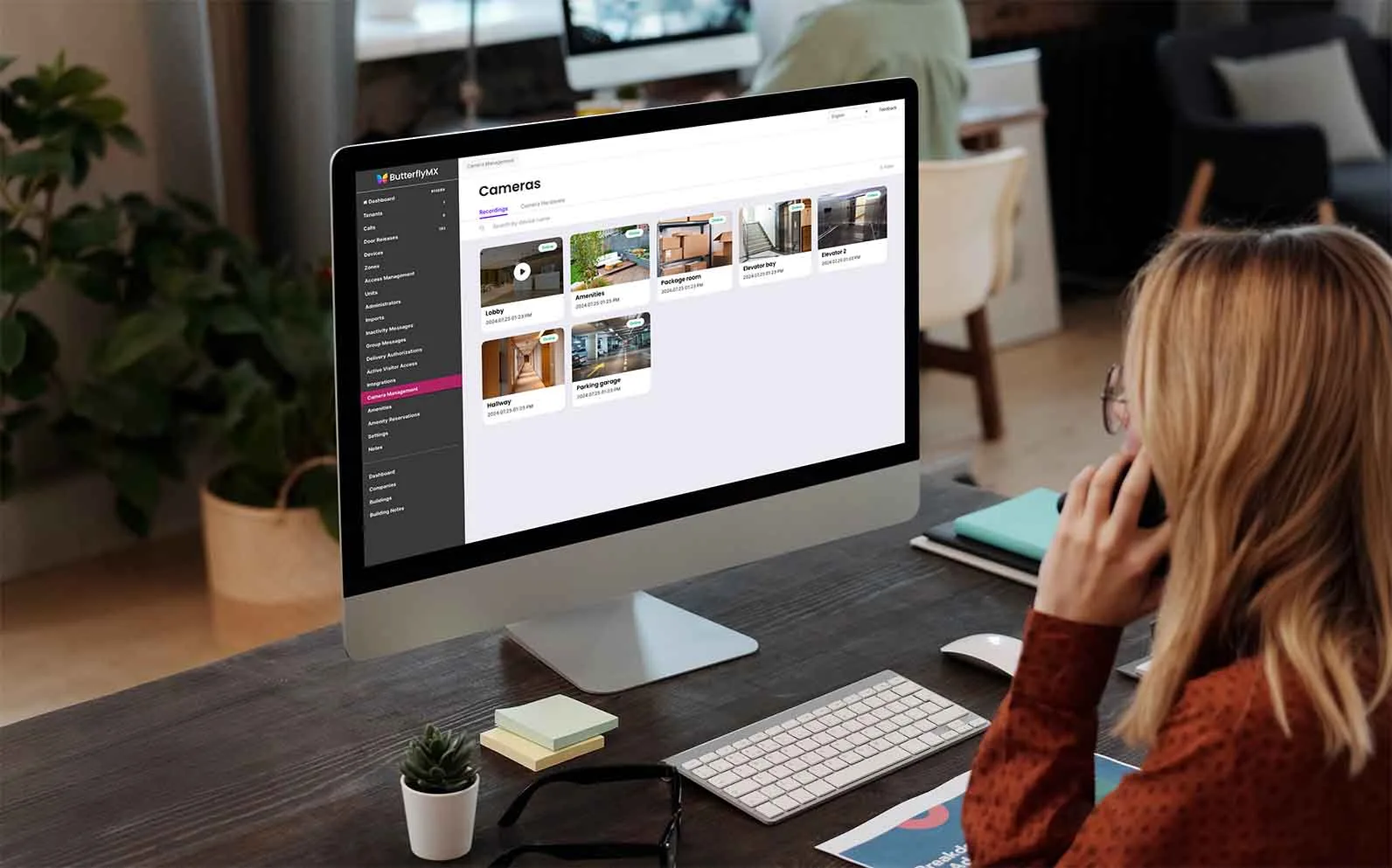
Security cameras may help in entrances, parking areas, lobbies, mailrooms, and package zones, especially where theft or recurring incidents are a concern. Still, cameras are usually better understood as monitoring and investigation tools than as universal legal requirements. They can add visibility, but they do not replace controlled doors, good lighting, resident communication, or a clear access policy.
Landlord responsibilities, enforcement, and documentation
Landlord security responsibilities in Ottawa are not limited to installing equipment once. The larger duty is to keep required building features in a condition that supports safe occupancy. That means repairing damaged hardware, responding to access problems, maintaining required alarms and exits, and addressing recurring issues in common areas.
Many compliance problems start as ordinary maintenance problems. A lock that no longer latches, a propped-open door, a recurring alarm issue, or a broken entrance system may look small at first. If it remains unresolved, it can show that the building does not have a reliable process for keeping required features working.
What to document
Good documentation gives property managers a record of what was checked, what was reported, and what was repaired. A useful system can track inspections, maintenance requests, completed work, vendor visits, alarm-related service, resident notices, key issuance, fob deactivation, and changes to visitor access procedures.
This recordkeeping is especially useful during inspections, ownership changes, or management transitions. A new team can quickly see which doors have recurring problems, how credentials are handled, whether package areas create complaints, and which repairs are still open. It also helps separate urgent compliance work from optional upgrades.
Inspection preparation and enforcement context
Before an inspection or major security review, managers should be ready to show that required features exist and are maintained. A practical review may include suite entry hardware, common doors, vulnerable windows, smoke and carbon monoxide alarm responsibilities, exit routes, emergency contact posting where relevant, common-area lighting, and recurring access complaints.
Enforcement can arise from resident complaints, bylaw inspections, fire prevention activity, incident response, or maintenance observations. Exact penalty amounts and procedures should come from the governing law or official guidance for the issue. The practical lesson is simpler: small unresolved problems create risk when they show weak maintenance control over time.
Choosing modern security systems that support compliance
After the legal baseline is clear, modern building security systems can help solve the day-to-day access problems that rules alone do not fully address. The best fit depends on the building’s entrances, resident turnover, package volume, staffing model, budget, and tolerance for resident training.
Video intercom systems, access control systems, mobile credentials, visitor management tools, smart lock integrations, surveillance cameras, package lockers, and package rooms all serve different purposes. Their value is usually operational: they help property teams manage entry, change access permissions, handle visitors, and reduce reliance on unmanaged physical keys. They do not replace locks, alarms, emergency lighting, exit signage, or other life-safety obligations.
The tradeoff is not simply old hardware versus new technology. Traditional keys are easy to understand, but copied or unreturned keys are hard to control. Electronic credentials can be removed more quickly, but they require clean records and clear permission rules. Standalone systems may be easier to add, while integrated systems can give a property team more consistent control across entrances, parking, amenities, and package areas.
Building size changes the decision. A small low-rise may only need a better main-entry system and more reliable suite-door hardware. A high-rise with parking, deliveries, amenity spaces, and frequent resident turnover may need broader access control. Student housing may prioritize fast credential changes. Senior living may place more weight on simple resident use and accessible entry. A mixed-use building may need to separate resident access from commercial and service access.
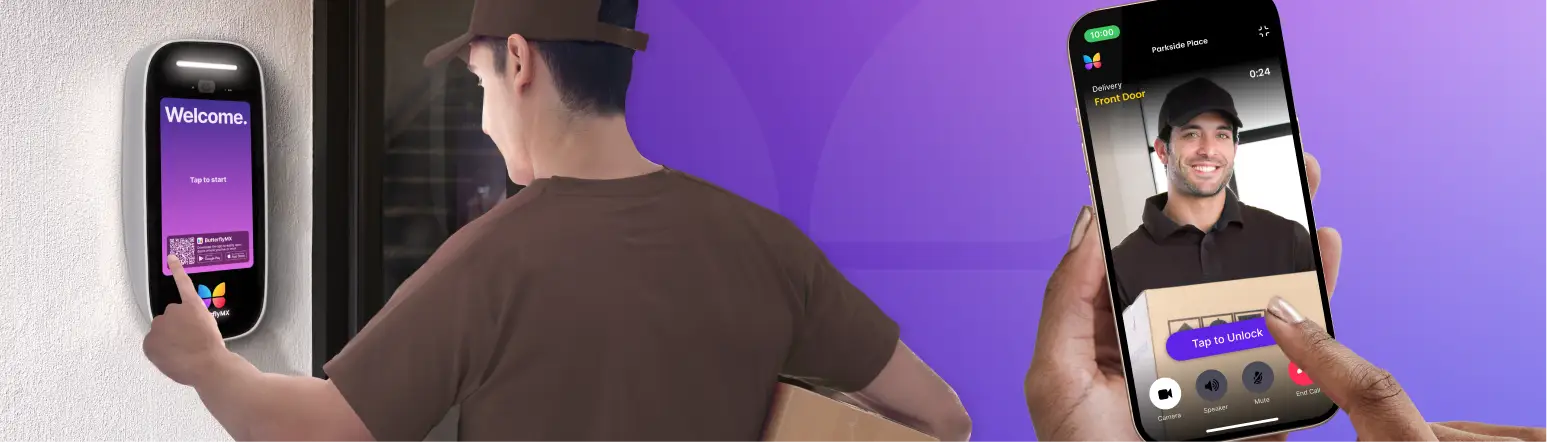
ButterflyMX fits naturally in this modernization stage. If an Ottawa apartment building is replacing a legacy telephone-entry system, trying to reduce unmanaged physical keys, or looking for a clearer way to manage visitors and deliveries, a ButterflyMX video intercom or access control setup can help property teams manage entry remotely and give residents a practical way to grant approved access. That value is operational. It should support, not replace, the compliance work around locks, alarms, exits, and maintained building conditions.
How to evaluate fit before you upgrade
Before choosing a system, start with the building itself. Count the entrances that need control, identify who uses each one, and note where access breaks down today. Then review existing doors and hardware, resident demographics, staffing capacity, package volume, budget, and any retrofit limits tied to older construction, heritage conditions, accessibility, or fire-safety requirements.
It also helps to separate repairs from modernization. If a door will not latch, a window lock is broken, an alarm responsibility is unclear, or an exit route is compromised, address that first. Once the baseline is stable, compare video intercoms, access control, mobile access, visitor tools, cameras, and package systems based on the problem each one solves.
Ottawa apartment security compliance checklist
A repeatable checklist helps property managers avoid mixing urgent compliance work with optional upgrades. Use it before an inspection, during a management transition, or when planning a security retrofit.
- Confirm which rules apply to the building, including Ottawa property standards and Ontario fire safety requirements tied to the property’s age, type, and layout.
- Inspect suite doors, main entrances, side doors, service doors, and garage access points for damaged hardware, unreliable latching, or unmanaged access.
- Review windows in suites and common areas for proper operation, damaged frames, failed latches, and security or safety concerns.
- Confirm that smoke alarms and carbon monoxide alarms are installed, maintained, and documented where required.
- Walk exit routes, corridors, stairwells, and shared areas to identify anything that could interfere with egress or emergency use.
- Check common-area lighting at entrances, parking areas, stairwells, lobbies, mail zones, and package areas.
- Review how keys, fobs, codes, and mobile credentials are issued, updated, recovered, and deactivated.
- Document inspections, maintenance work, resident complaints, vendor service, access changes, and recurring security issues.
- Separate legal gaps from operational gaps, such as weak visitor screening, package theft, or too many unmanaged credentials.
- Plan upgrades in phases so required repairs and life-safety items are handled before optional modernization projects.
The checklist also makes vendor conversations more productive. Instead of asking for a general security upgrade, you can explain whether the building needs code-related repairs, better visitor access, improved credential control, package management, or a phased plan that addresses several of those needs over time.
Frequently asked questions
Are security cameras required in Ottawa apartment buildings?
Not always. Security cameras are commonly used for visibility, incident review, parking areas, lobbies, and package zones, but they should not be treated as a universal legal requirement unless a specific rule or building condition requires them.
What type of locks are required on apartment doors in Ottawa?
Apartment doors generally need compliant locking devices that are installed and maintained properly. The exact hardware requirement should be checked against the applicable Ottawa bylaw language and the building’s context, rather than relying on generic or non-Ontario standards.
How often must smoke alarms be tested in Ontario?
Smoke alarms must be maintained and tested according to applicable Ontario requirements. Property managers should confirm the correct testing interval for their specific building from authoritative Ontario guidance and keep records that show alarm responsibilities are being managed.
Do apartment buildings in Ottawa need intercom systems?
Not necessarily. An intercom is not automatically required for every Ottawa apartment building, but it can be useful when a property needs better visitor communication, controlled entry, or a replacement for an aging buzzer system.
The clearest way to approach Ottawa apartment building security requirements is to start with the building’s legal baseline, then decide which upgrades solve real operating problems. Locks, maintained doors and windows, alarms, exits, lighting, and repair records come first. Video intercoms, mobile credentials, access control, cameras, and package tools come next when they support a better access plan.
If your building is dealing with an aging entry system, frequent credential changes, or growing visitor and delivery traffic, ButterflyMX can help modernize apartment entry and visitor access while keeping compliance work focused where it belongs: on the required safety and security features of the building.
Get your free quote!
Fill in the form below, and we'll email you right back.
Want a free quote?
Fill in the form below, and we'll email you right back.
You’ll be redirected shortly...