





Key takeaways:
- Scheduled access codes limit entry to approved times, places, and user groups, which makes them useful for pools, gyms, clubhouses, courts, and other shared amenities.
- The most useful setups pair time-based rules with individual credentials, audit trails, remote administration, and a clear plan for guests, vendors, and staff.
- Good implementation starts with amenity policies, then moves into hardware compatibility, schedule design, backup planning, resident communication, and ongoing review.
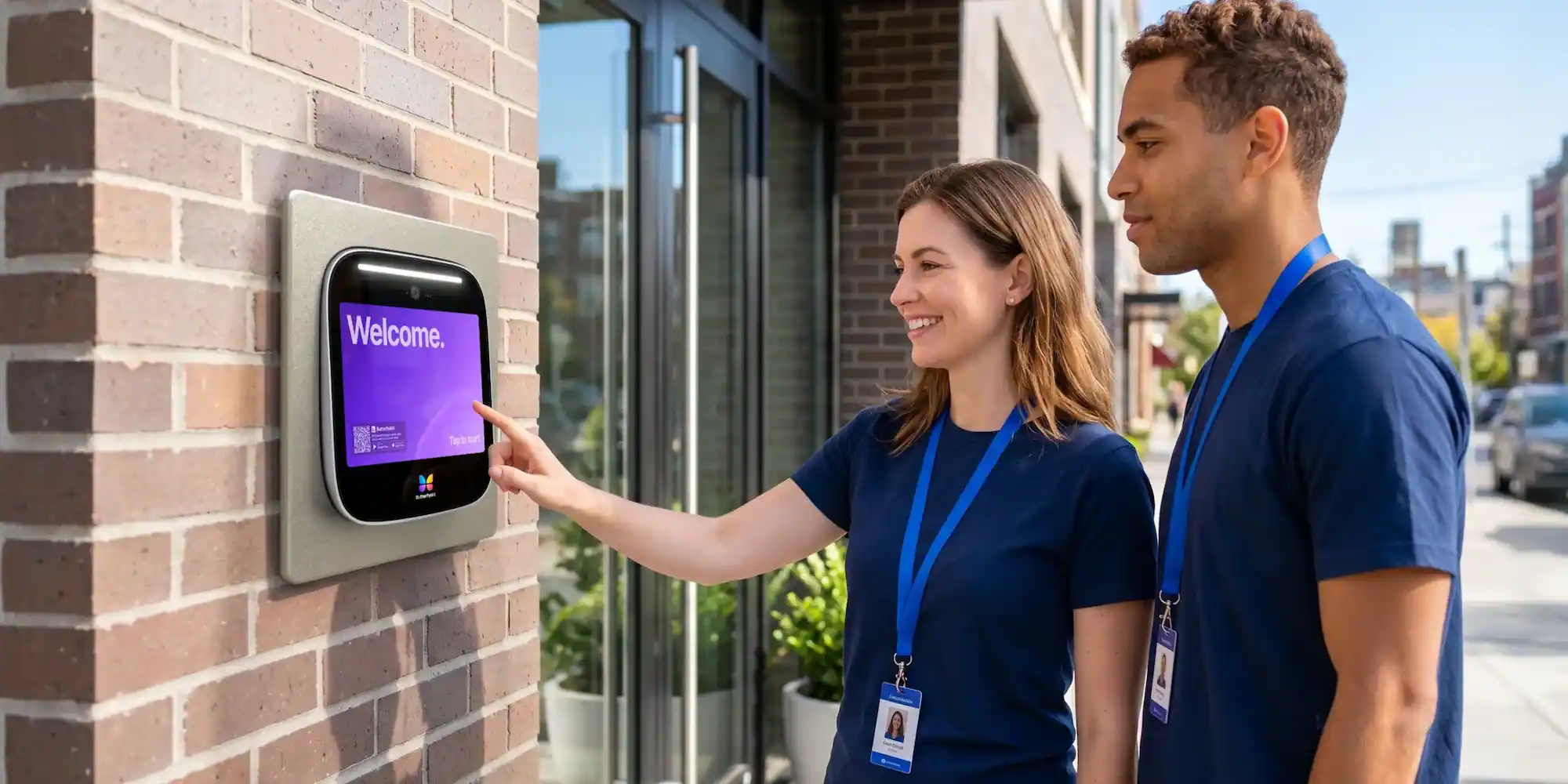
A community center rarely has one access rule that works for every door, every person, and every hour. The pool may close at 9 p.m., the fitness center may open before the office does, a clubhouse may need one-time event access, and a vendor may need entry only during a service window.
Scheduled access codes for community centers solve that problem and secure the built environment unique to community centers by tying credentials to approved access windows. A credential can be a PIN, fob, card, mobile pass, or visitor code, but it only works when the access rules say it should. Outside that window, the system should deny entry unless another approved rule applies.
That makes scheduled access different from a shared code that works all the time. It also makes system choice more important. Some properties only need a basic keypad schedule for one amenity door. Others need individual resident credentials, guest expiration rules, audit trails, remote updates, visitor verification, and property management software integration. The right approach depends on how your amenities are used and how much control your team needs day to day.
This guide will answer:
- What scheduled access codes are
- How time-based access control works
- Which amenities benefit most from scheduled access
- Types of access control systems that support scheduled access
- Benefits and tradeoffs of scheduled access codes
- How to implement scheduled access for a community center
- How to manage guest, visitor, and vendor access
- What to evaluate before choosing a scheduled access solution
- FAQs
Watch how ButterflyMX works:
What scheduled access codes are
Scheduled access codes are access credentials that work only during approved times for specific amenities, doors, or user groups. The credential might be a PIN code, key fob, access card, mobile credential, or temporary visitor code. What makes it scheduled is the rule attached to it: where it works, when it works, and who is allowed to use it.
For a community center, that difference is practical. A shared pool gate code that works 24 hours a day is easy to distribute, but it does not reflect posted pool hours, guest policies, seasonal schedules, or vendor limits. A scheduled credential can follow those rules. It can work for the pool during open hours, for the gym during approved operating windows, or for a maintenance vendor on Tuesday morning only.
Scheduled access is related to role-based access, but the two answer different questions. Role-based access defines who belongs in a permission group, such as residents, staff, board members, cleaners, guests, or vendors. Schedule-based access defines when that group can enter. A resident may have fitness center access every day from 5 a.m. to 10 p.m., while a pool contractor may have access to the same property only during a defined service window.
This matters because community amenities do not all operate the same way. Pools and spas may follow seasonal or weather-related hours. Clubhouses may shift between resident use, private events, and maintenance. Tennis courts or reservable rooms may need access windows tied to reservations. Scheduled access codes let those rules live inside the access control system instead of relying only on staff reminders, paper sign-out lists, or one code that never changes.
How time-based access control works
Time-based access control pairs a credential with rules that define where and when it can be used. When someone presents that credential at a keypad, reader, gate, or amenity entrance, the system checks the assigned permissions before it unlocks the door or denies entry.
- Administrators create access windows by day, time, location, and user type. For example, the fitness center might be open daily from 5 a.m. to 10 p.m., while the clubhouse may have standard resident hours plus weekend event exceptions.
- The system assigns schedules to credentials. A resident might use a mobile credential or fob for daily amenity access, while a guest receives a temporary PIN that works for one afternoon.
- The reader or keypad captures the credential and sends the request to the controller or management software. That access logic decides whether the credential matches the approved schedule.
- If the rules match, the door unlocks. If the credential is used at the wrong time, at the wrong door, or by an expired user profile, access is denied.
- Many systems record the access attempt in an entry log. Those audit trails can show which credential was used, where it was used, when it was used, and whether entry was granted or denied.
The main parts of the system are the reader or keypad, controller, management software, credential, and entry log. The reader or keypad is the device the user interacts with. The controller receives the access request and communicates with the lock or gate hardware. The management software is where staff create schedules, assign permissions, update credentials, and review logs.
Credential expiration is what makes temporary access easier to manage. Instead of asking staff to remember to remove a vendor code after a project or change a guest code after an event, the system can stop that credential from working at a set date and time. Capabilities vary by system, so expiration rules should be confirmed before purchase or rollout.
Cloud-managed systems can make schedule changes easier because administrators may be able to update permissions remotely. That is useful when a pool moves to summer hours, a clubhouse event is added, or a vendor needs a short access window. Remote management is not the same as unlimited reliability, though. Properties should ask how rules are enforced during internet interruptions, power loss, or other offline conditions.
Time-based access vs. role-based access
Time-based access and role-based access work best together. Roles keep permissions organized by user type, while schedules keep those permissions from being too broad. Without roles, every resident, vendor, and staff member may need to be managed one by one. Without schedules, a role may allow entry at times when the amenity is supposed to be closed.
What happens outside approved access times
Outside an approved access window, the system should deny entry unless another valid rule applies. If pool access ends at 9 p.m., the pool credential should stop working at 9 p.m. If a vendor is approved for weekday mornings only, that credential should not work later that evening. The exact behavior during outages depends on the system design, so teams should document backup procedures before scheduled access goes live.
Which amenities benefit most from scheduled access
Amenities with set hours, reservation rules, seasonal changes, or mixed user groups tend to benefit most from scheduled access. These spaces are shared by the community, but they are not open to everyone at all times.
- Pools and spas: Pool areas often have posted hours, seasonal calendars, guest limits, and maintenance closures. Scheduled codes can follow those rules instead of leaving one code active all year.
- Fitness centers: Gyms may open early or stay open late, even when the management office is closed. Time-based credentials help approved users enter during policy hours without requiring staff to unlock the space manually.
- Clubhouses: A clubhouse may need resident access during normal hours, restricted access during private events, and temporary permissions for cleaners, caterers, vendors, or event hosts.
- Tennis courts and reservable spaces: When a property uses reservations, access can be limited to the booked time so a user can enter for the approved slot without receiving broader access.
- Package rooms and service areas: Some communities limit these spaces to staff, delivery support, or service vendors during defined windows rather than allowing unrestricted entry.
The common thread is control. Scheduled access lets the property apply different rules to different spaces without treating every amenity door like the main entrance. That is especially helpful for communities with amenities that change by season, event, staffing level, or user type.
It also makes exceptions easier to handle. A pool can move from summer hours to off-season hours without replacing every credential. A clubhouse can support a one-day event without changing permanent resident access. A maintenance vendor can get a narrow access window without holding a credential that stays active after the work is done.
Types of access control systems that support scheduled access
Several access control systems can support scheduled access, but they do not all solve the same problem. The main differences are credential type, scheduling flexibility, visitor handling, administrative effort, and compatibility with the property’s current hardware.
Keypad systems are often the simplest starting point. They can work well for a basic amenity door, especially when residents are already used to PIN-based entry. Their limits become more obvious when a property wants user-level accountability, fast revocation, or separate guest and vendor rules. A shared code is easy to distribute, but it is also easy for that code to keep circulating after it should have stopped being used.
Card and fob systems usually give administrators more individual control because each resident or staff member can receive a unique credential. That helps with access logs and revocation, but it also creates a physical credential process. Lost cards and fobs need to be replaced, and guest access may still require another method unless the system supports temporary credentials.
Mobile credential systems can be useful when a property wants to reduce physical handoffs and update permissions remotely. Administrators may be able to add, change, or remove access without collecting a card or fob. Mobile access can also fit communities with changing amenity schedules, seasonal rules, or several access points to manage.
Video intercom plus access control becomes more relevant when the property needs to verify visitors, not just unlock a door. A clubhouse with event guests or a shared space that receives vendors may need a way to see or confirm who is requesting entry. ButterflyMX fits naturally in this category for communities that want cloud-based control, mobile entry, and visitor management as part of amenity access decisions.
Cloud management is a layer, not a credential type by itself. A cloud-managed system may work with PINs, cards, fobs, mobile credentials, or a mix of methods. What changes is how administrators create schedules, update permissions, and review access activity. For a community with several amenities, frequent exceptions, or off-site staff, the management layer can matter as much as the device at the door.
If you plan to reuse existing keypads or readers, treat compatibility as a question to test, not an assumption. Some existing hardware may support scheduling with the right controller and software. Other hardware may limit remote updates, audit trails, credential types, or expiration rules. Reusing equipment can reduce replacement work, but it may also preserve the exact limits the property is trying to fix.
Benefits and tradeoffs of scheduled access codes
Scheduled access codes can give community teams better control over amenity access, but the value depends on how the system is configured and managed. A schedule alone does not make a property secure or easy to run. The credential strategy, audit trail, backup plan, and resident communication all matter.
Benefits that matter in community settings
- Better control over amenity hours: Access rules can match posted operating hours without asking staff to lock and unlock every space manually.
- Clearer accountability: Individual credentials and entry logs make it easier to review who attempted entry and when. That is more useful than one always-on shared code.
- Temporary guest and vendor access: Short-term credentials can be limited by time, location, or purpose, then expire when they are no longer needed.
- Faster updates: With remote management, staff may be able to change schedules or revoke permissions without traveling to the property.
- Cleaner exception handling: Seasonal pool hours, private events, maintenance closures, and reservation-based access are easier to manage when schedules are built into the system.
Those benefits come from different design choices. A keypad can enforce open and closed hours but may offer limited visitor visibility. A mobile credential system can simplify changes but may be more than a small, low-traffic amenity needs. A cloud-managed setup can make updates easier, but the property still needs to understand what happens if connectivity is interrupted.
Tradeoffs to weigh before you choose
The first tradeoff is simplicity versus accountability. A shared code is simple to hand out, but once many people know it, it is harder to control. Individual credentials take more setup, but they can be assigned, expired, or revoked by user. They also make audit trails more meaningful because an entry event can be tied to a specific credential rather than a code that everyone shares.
The second tradeoff is upfront hardware work versus ongoing software value. Some communities prefer basic hardware with fewer recurring costs. Others value cloud-based administration because schedules change often, staff work off-site, or the property has several amenities. Pricing varies by vendor, hardware, number of access points, installation conditions, and software model, so cost comparisons should be tied to a property’s actual needs.
The third tradeoff is cloud flexibility versus connectivity dependence. Remote updates and centralized access management can be valuable, especially for multi-amenity communities. But administrators should ask how the system behaves during internet or power interruptions. Some systems support local fallback behavior for certain functions, while others rely more heavily on live connectivity.
Finally, reusing hardware may save work at the start but limit what the system can do later. Older readers or keypads may not support mobile credentials, detailed logs, automatic expiration, or easy exception handling. If scheduled access is meant to fix gaps in an older process, make sure the retained hardware is not the reason those gaps remain.
ButterflyMX is most relevant for communities that want remote administration, mobile access, and visitor handling alongside amenity access control. That does not mean every property needs the same setup. It means communities with several amenities, changing schedules, and frequent guest activity should consider whether their access system is easy enough to update and monitor over time.
How to implement scheduled access for a community center
Successful implementation starts with the rules of the community center, not with the hardware catalog. Before choosing devices or credentials, document how the amenities actually operate and who needs access under which conditions.
- List every controlled amenity and its real operating rules. Include standard hours, seasonal changes, reservation-based access, maintenance windows, and weekday versus weekend differences.
- Define user groups before creating credentials. Separate residents, staff, board members, vendors, cleaners, event hosts, and guests so permissions match real responsibilities.
- Choose the credential approach for each use case. A property may use fobs or mobile credentials for residents, temporary PINs for guests, and time-limited credentials for vendors.
- Confirm infrastructure and compatibility. Review doors, locks, readers, keypads, controllers, internet connectivity, and whether existing hardware can support the scheduling features you need.
- Build schedules by amenity and user type. Grouping rules this way is usually easier to maintain than creating one-off schedules for every person.
- Test normal use and edge cases. Check opening time, closing time, special events, expired credentials, denied-entry behavior, and staff override procedures.
- Plan backup behavior. Document what staff should do during power loss, internet interruption, hardware faults, or other access problems.
- Train staff and communicate with residents. Explain which credential to use, when rules change, how guest access works, and who to contact for help.
- Review and adjust after launch. Access logs, resident questions, and recurring exceptions can show whether schedules are too broad, too narrow, or hard to administer.
Schedule design is where many projects become either manageable or messy. It is usually better to create clear permission groups, such as resident gym access, clubhouse event access, vendor service access, and staff access, than to build a different rule for every person. Clean groups make seasonal updates and policy changes easier later.
Resident communication deserves the same attention as configuration. If the property replaces a shared code with individual credentials, changes pool hours, or starts using temporary guest access, residents need notice before the change takes effect. That notice should explain what is changing, when it starts, which amenities are affected, and how residents can get support.
Property management software integration or resident database synchronization may also matter, especially in larger communities. If resident records change often, administrators should ask whether the access system can help keep user information and permissions current. The goal is not to add another list for staff to maintain unless it actually improves access control.
ButterflyMX can be a strong fit during implementation when a community wants cloud administration, mobile entry, and visitor verification tied to shared amenity access. For properties with several amenities or off-site administrators, those capabilities can make day-to-day changes easier, though the final setup still depends on hardware compatibility, connectivity, and local operating needs.
How to manage guest, visitor, and vendor access
Guests, visitors, vendors, and staff should not all receive the same access. Community amenities often need short-term entry for people who have a legitimate reason to be there but should not receive resident-level permissions.
Guest access
Guest credentials work best when they are temporary and narrow. A resident hosting friends at the pool or clubhouse usually does not need a code that remains active for months. A short-term guest PIN, mobile pass, or approved visitor entry method can limit access to the right amenity and the right time.
Communities should also decide whether guests inherit resident privileges or receive a smaller set of permissions. In many cases, a guest should be approved for one space during one window, not for every shared area on the property.
Vendor and staff access
Vendors, cleaners, and maintenance providers usually need access tied to service windows. A janitorial crew may need clubhouse access before residents arrive, while a pool contractor may need daytime access during the service season. Expiring credentials help avoid leaving those permissions active after the work is complete.
Staff access often needs more flexibility, but it still benefits from clear rules. A manager, maintenance technician, seasonal employee, and outside vendor may all need different access by amenity, shift, or task. Keeping those groups separate makes audit trails easier to review when a question comes up later.
Where visitor verification adds value
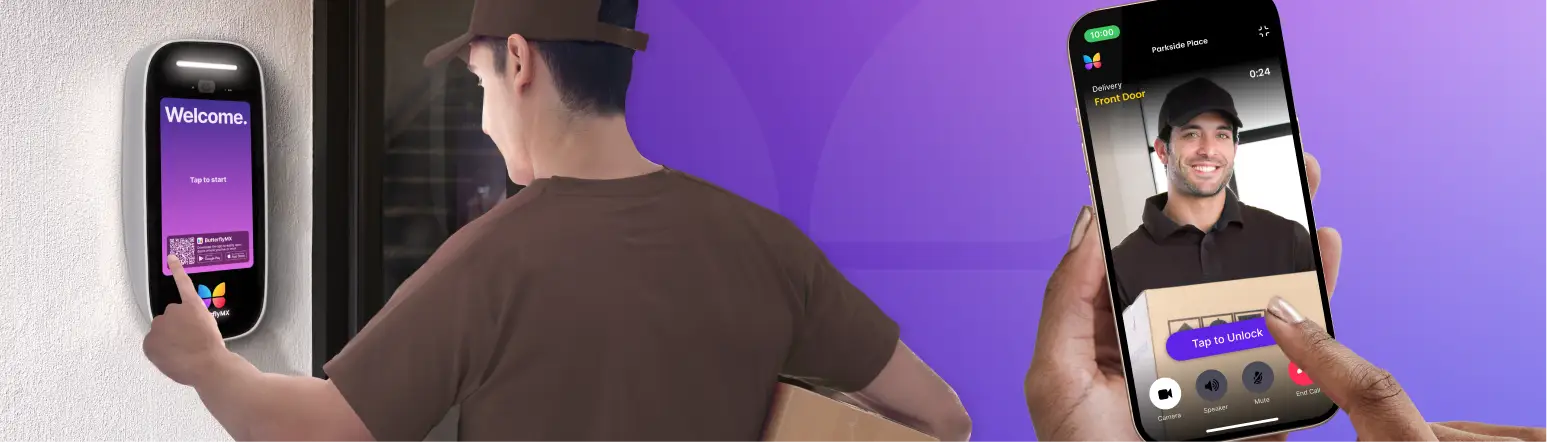
Some amenity access requests need more context than a code can provide. A clubhouse event, service visit, or shared space with frequent non-resident traffic may benefit from visitor verification before entry is granted. Video intercom systems can help communities identify visitors and manage approved entry more deliberately.
ButterflyMX is relevant in these scenarios because it combines visitor management, mobile entry, and cloud-based administration in a way that can complement scheduled amenity access. The point is not to add technology for its own sake. It is to choose a process that matches the risk, traffic, and staffing needs of each shared space.
No matter which credential method you use, exception handling should be documented. Staff should know how to issue a one-time code, revoke it early if needed, and review the access log if a guest or vendor access question comes up later.
What to evaluate before choosing a scheduled access solution
The best scheduled access setup depends on your access points, user groups, schedule complexity, reporting needs, and tolerance for manual administration. A small clubhouse with predictable hours may not need the same system as a multi-amenity community with a pool, gym, courts, package area, vendors, and event guests.
Questions to ask during evaluation
- Which amenities need controlled access, and do they all need the same credential type?
- How many user groups need different schedules?
- How often do amenity hours change by season, event, reservation, or maintenance need?
- Do guests, vendors, and staff need temporary credentials that expire automatically?
- How important are audit trails, denied-entry logs, and reporting?
- Can existing hardware support scheduling, credential control, logging, and remote management?
- What happens during power loss or internet interruption?
- Will resident database synchronization or property management software integration reduce manual updates?
- How many access points are involved today, and could the project expand later?
Use those questions to separate nice-to-have features from requirements. If your only need is to limit a single amenity door to posted hours, a simpler system may be enough. If your team needs to manage residents, guests, vendors, seasonal changes, and multiple doors from off-site, remote administration and stronger credential controls become more important.
Audit trails deserve special attention. An entry log is most useful when credentials are tied to individual users or clearly defined temporary permissions. If everyone shares one code, the log may show when a code was used, but it may not tell you much about who used it. That is why credential strategy and reporting should be evaluated together.
Practical limits also need to be part of the decision. Fire code, emergency egress requirements, ADA accessibility considerations, and local building codes can affect how access equipment is selected and configured. Review those requirements with qualified professionals instead of treating them as software settings.
Cost should be evaluated in context. Pricing can vary by hardware, credential type, number of doors, installation conditions, software model, and property size. Rather than looking for one universal number, compare what each option changes for your team: credential issuance, schedule updates, guest access, reporting, hardware reuse, and backup procedures.
For communities prioritizing remote management, mobile access, and visitor handling, ButterflyMX belongs on the shortlist. It is especially relevant when scheduled access for amenities is part of a larger property access strategy rather than a one-door keypad project.
Frequently asked questions
What are scheduled access codes for community centers?
Scheduled access codes are credentials that only work during approved times for specific amenities or user groups. They help communities control spaces like pools, fitness centers, and clubhouses without relying on one always-active shared code.
Can access codes expire automatically?
Yes, many scheduled access systems can expire credentials automatically based on time, date, or permission rules. The exact options depend on the system and how administrators configure resident, guest, vendor, or staff access.
Can I use existing keypads with scheduling software?
Sometimes, but compatibility depends on the keypad, controller, and management software. Before reusing existing hardware, confirm that it supports the scheduling, credential control, logging, and remote management features your property needs.
What happens if the system loses power or internet?
It depends on the system design. Some setups support local fallback behavior or limited offline operation for certain functions, while others rely more heavily on connectivity, so outage behavior should be reviewed before purchase and included in staff backup planning.
Scheduled access codes for community centers are most useful when access rules need to match real amenity use. They let a property control hours, separate resident access from guest and vendor access, and review activity without depending on one permanent code for everyone.
As you compare systems, focus on the details that shape daily administration: credential type, schedule flexibility, audit trails, hardware compatibility, outage behavior, and how easily staff can manage changes. If your community needs cloud-based control, mobile entry, visitor management, and amenity access tools that work together, explore how ButterflyMX can help you plan scheduled access for your shared spaces.
Get your free quote!
Fill in the form below, and we'll email you right back.
Want a free quote?
Fill in the form below, and we'll email you right back.
You’ll be redirected shortly...