





Key takeaways:
- Older gate systems often create risk through shared codes, unmanaged remotes, weak visitor workflows, and limited access history.
- A useful gate security review should look at credentials, visitor entry, vendor access, hardware condition, connectivity, and staff workflows.
- Modern access control can help property teams manage permissions, review activity, and give residents and staff a clearer way to handle gate access.
If your property still relies on old gate codes, clickers, paper vendor lists, or a gate phone that only works some of the time, you may already have access gaps that are hard to see day to day. Residents get in, deliveries usually make it through, and the gate opens often enough that the gate intercom system may seem fine until something goes wrong.
Learning how to spot security gaps in old vehicle gate systems starts with reviewing how people actually enter your property. Look at who has credentials, how visitors are approved, whether staff can change permissions quickly, and whether there is a reliable record of gate activity.
Some issues involve the mechanical gate operator or safety equipment, while others involve access control, visitor management, and credential policies. ButterflyMX does not replace the gate operator that physically opens and closes the gate, but it can support a more controlled gate access workflow when installed with compatible equipment by qualified professionals.
This guide covers:
- What counts as a security gap in a vehicle gate system?
- Review credentials and permissions first
- Check visitor, delivery, and vendor workflows
- Look at hardware, connectivity, and maintenance
- Use access history to find operational blind spots
- How ButterflyMX supports gate access control
- FAQs

What counts as a security gap in a vehicle gate system?
A security gap is any part of your gate access process that allows entry without enough control, visibility, or accountability. At a gated community, that might be a four-digit code shared with friends, contractors, and former residents. At a commercial property, it might be a vendor remote that was never collected after a contract ended.
Older vehicle gate systems often mix several components: the gate operator, safety devices, telephone entry, keypads, remotes, card readers, cameras, and management procedures. A gate can be mechanically functional while the access workflow around it is outdated.
Start by separating mechanical questions from access questions. If the gate arm, slide gate, loops, sensors, or safety devices are unreliable, a qualified gate professional should review them. If the problem is who can open the gate, how permissions are managed, or whether staff can review entry activity, you are looking at an access control issue.
Review credentials and permissions first
The easiest place to find gaps is your credential list. Many older systems depend on remotes, fobs, cards, PINs, or gate codes that stay active long after someone should no longer have access. This creates a quiet risk because staff may not know which credentials are still circulating.
Review how credentials are issued, updated, and revoked. For example, if a resident moves out, does the team deactivate that resident’s access immediately, or does the old remote still work until someone remembers to remove it? If a vendor changes crews, can your staff update access without calling an installer or searching through separate records?
Watch for these common credential gaps:
- Shared gate codes: Codes are easy to pass along and difficult to contain once shared.
- Untracked remotes: Staff may not know which clickers belong to current residents, tenants, employees, or vendors.
- Inactive users still in the system: Former residents, former staff, and old vendors may retain access if permissions are not routinely reviewed.
- Limited permission levels: A system that gives every user the same access may not fit properties with staff areas, amenities, or multiple entrances.
The operational takeaway is simple: if your team cannot quickly answer who has gate access right now, your system needs a deeper review.
Check visitor, delivery, and vendor workflows
Many gate issues happen during routine guest and service access. A resident expects a friend, a food delivery driver arrives after dark, or a landscaping crew needs entry before the office opens. If the system does not support those workflows clearly, people create workarounds.
Common workarounds include residents sharing permanent codes, staff buzzing in drivers without confirming who they are, or vendors waiting for another car to enter. These habits may develop because people are trying to keep the property running, but they reduce control at the entrance.
Review how each visitor type gets in:
- Resident guests: Can residents identify and approve visitors without giving out a permanent code?
- Deliveries: Is there a consistent process for approved delivery access, or do drivers rely on calling the office?
- Service vendors: Can access be limited by schedule, role, or property rules?
- Leasing tours or appointments: Can prospects reach the right team without creating extra work for on-site staff?
A better workflow should reduce guesswork. Staff should not have to decide at the gate whether a driver or vendor is allowed in without enough context, and residents should not need to share long-term credentials for short-term access.
Look at hardware, connectivity, and maintenance
Old vehicle gate systems can also fail through unreliable hardware or disconnected components. A keypad with worn buttons may reveal commonly used numbers. A directory that has not been updated may still list former residents. A telephone entry system may route calls to wrong numbers, unanswered office lines, or staff phones after hours.
Connectivity matters as well. If updates must be made on-site at the gate, permission changes may be delayed. If the system has no remote management option, staff may need to physically visit the entrance to change codes or troubleshoot access problems. For properties with multiple gates, this can turn simple updates into a time-consuming task.
Consider the tradeoff between repairing and upgrading. Replacing a damaged reader or keypad may solve a narrow issue. But if the larger problem is that your team cannot manage users, visitor access, or access history efficiently, repairing one device may not address the root cause.
Any work involving gate operators, electrical components, safety equipment, or code requirements should be handled by qualified professionals. Your access control provider, gate contractor, installer, and local officials may all need to be involved depending on the project.
Use access history to find operational blind spots
Access history helps property teams understand what is happening at the gate instead of relying on resident complaints or staff memory. Without useful records, it can be difficult to investigate repeated tailgating, after-hours vendor entry, or claims that a credential was used at a specific time.
Look at whether your current system can show who opened the gate, when entry occurred, and which credential or workflow was used. If the system only opens the gate without logging meaningful activity, managers have limited visibility when questions arise.
For example, an HOA board may want to know whether a contractor entered outside approved hours. A multifamily property manager may need to review whether a former resident’s fob was used after move-out. A commercial facilities team may need to see whether gate usage spikes during certain shifts or delivery windows.
The goal is not to monitor every movement unnecessarily. The goal is to give property teams enough information to enforce access policies, adjust permissions, and identify patterns that create avoidable risk.
Discover how ButterflyMX works:
How ButterflyMX supports gate access control
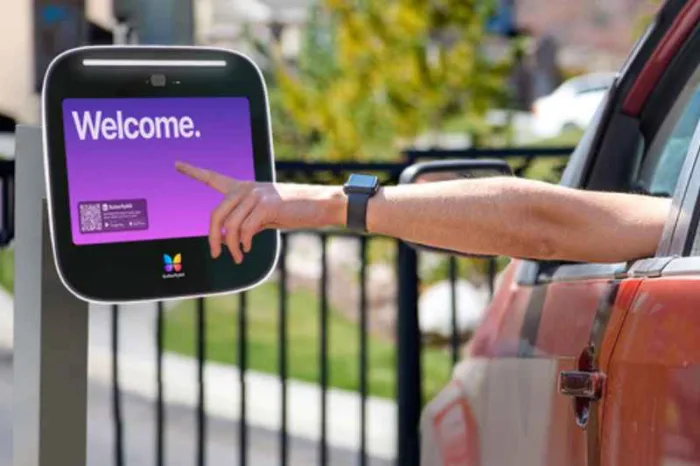
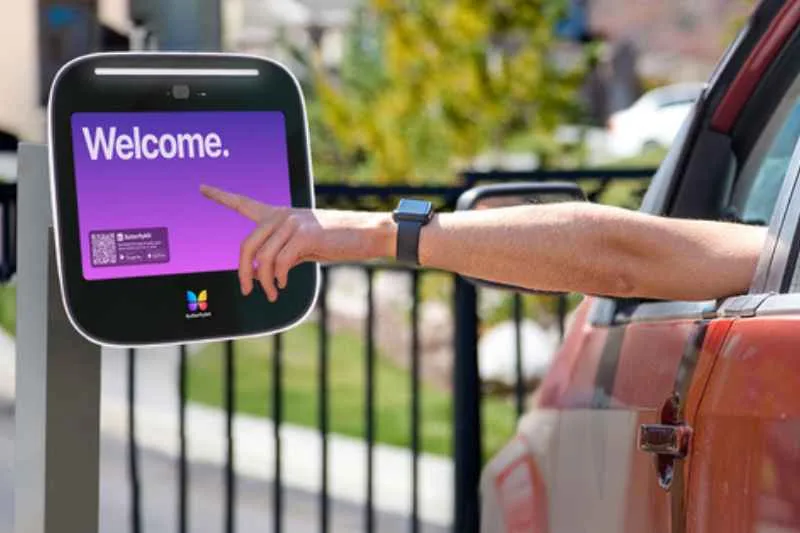
ButterflyMX helps properties create a more controlled gate access experience for residents, staff, visitors, vendors, and delivery drivers. For vehicle gates, ButterflyMX can work as part of an access control system connected to compatible gate hardware. It does not replace the mechanical gate operator or required safety systems.
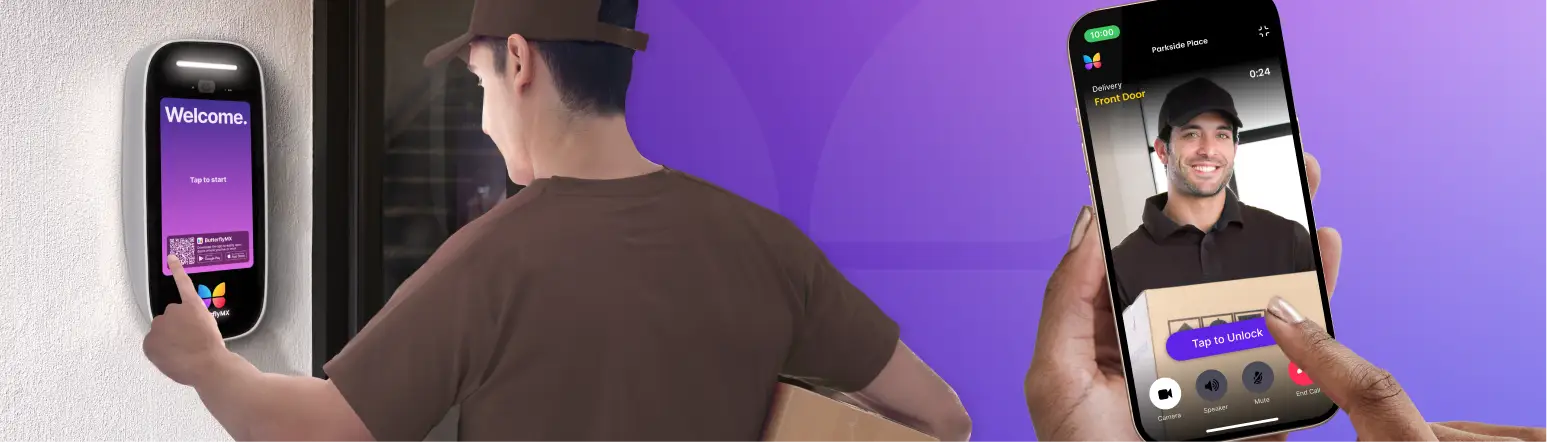
Residents can make more informed access decisions by seeing and speaking with visitors through a video intercom or access control solution before granting entry. This is especially valuable for gated communities, student housing, country clubs, commercial properties, and mixed-use sites where the gate is often the first point of contact.
Property teams can save time and reduce access risk by managing permissions from a centralized system instead of relying on spreadsheets, shared codes, or manual credential tracking. With temporary Visitor Passes, approved guests can receive access based on property rules, helping reduce the need to share permanent gate codes for short-term visits.
ButterflyMX is worth considering if your current gate access process depends on outdated directories, hard-to-update credentials, limited visibility, or staff-heavy visitor handling. The right setup depends on your gate equipment, property layout, user groups, and installation requirements, so it should be reviewed with your access control provider and qualified installer.
Frequently asked questions
What are the most common security gaps in old vehicle gate systems?
Common gaps include shared gate codes, active credentials for former users, lost credentials, outdated call directories, unreliable visitor verification, and limited access history. These issues often come from old workflows rather than the gate operator itself.
How often should a property review gate access permissions?
Many properties benefit from reviewing permissions during move-outs, staff changes, vendor contract changes, and scheduled audits. Communities with frequent turnover or many vendors may need more frequent reviews.
Should we repair an old gate system or upgrade it?
Repair may be enough if the issue is isolated to one device. An upgrade may make more sense if your team struggles to manage users, revoke access, verify visitors, or review activity across one or more entrances.
Can ButterflyMX open a vehicle gate?
ButterflyMX can support vehicle gate access when configured with compatible access control and gate equipment. It does not replace the mechanical gate operator that physically opens and closes the gate, and installation should be handled by qualified professionals.
How can we reduce code sharing at a gated property?
Use individual credentials, temporary Visitor Passes, and clear visitor approval workflows instead of relying on one shared gate code. This gives staff more control over who has access and makes permissions easier to update.
Get your free quote!
Fill in the form below, and we'll email you right back.
Want a free quote?
Fill in the form below, and we'll email you right back.
You’ll be redirected shortly...