
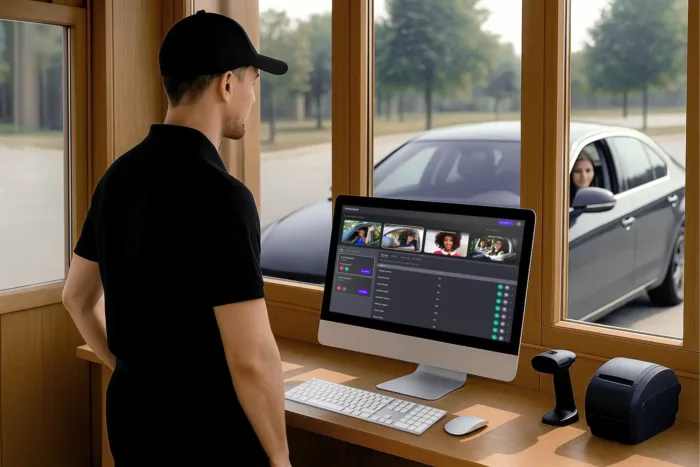





Key takeaways:
- Scheduled access control lets churches automate when selected doors unlock, relock, or accept credentials for office hours, services, ministry programs, and approved events.
- A strong church setup uses zones, role-based credentials, remote management, audit trails, and emergency override planning so public areas and restricted spaces can follow different rules.
- The right system depends on door count, schedule complexity, staff capacity, volunteer access needs, and whether your church needs simple recurring schedules or deeper event-based automation.
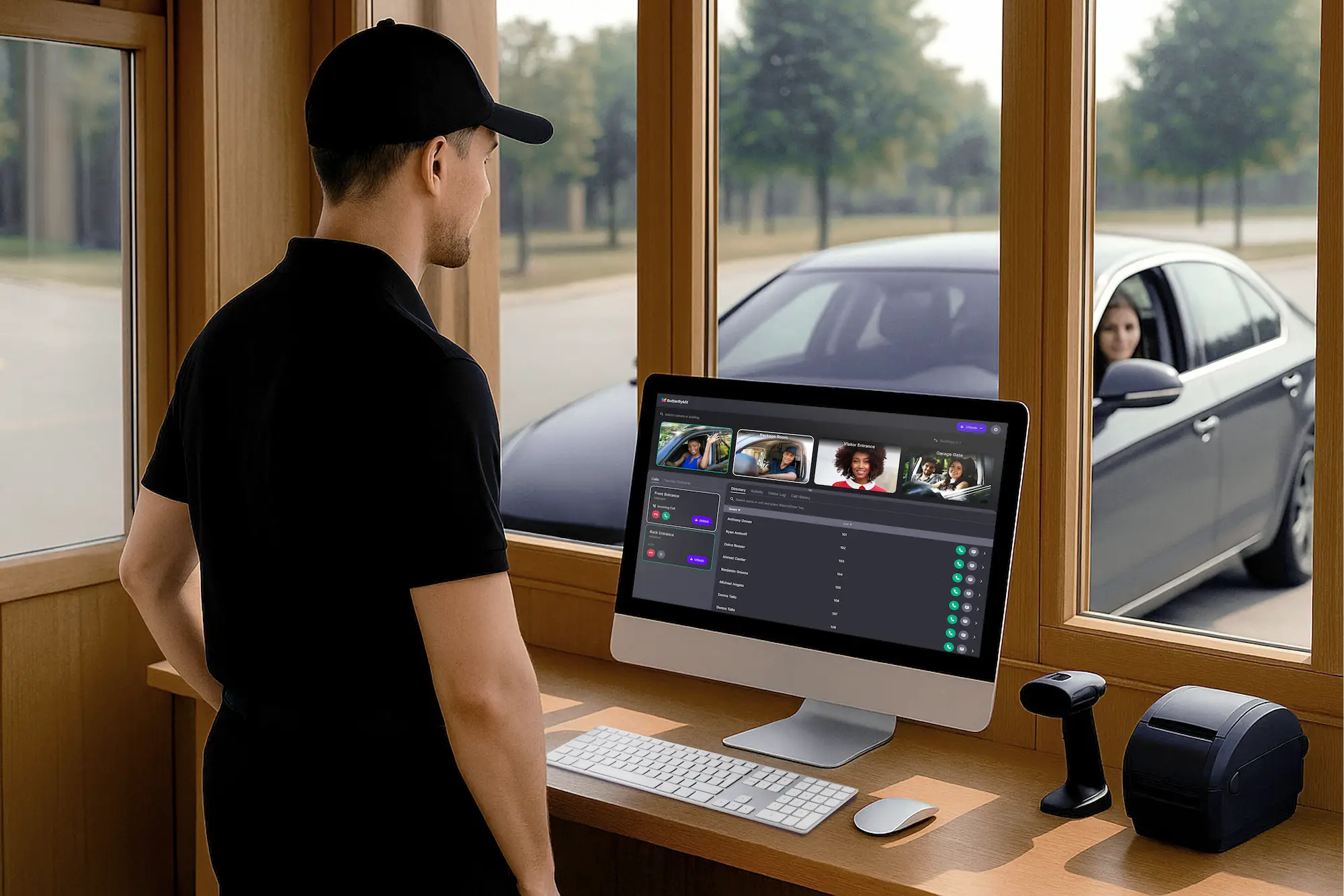
A church building rarely follows one simple access schedule. The front office may need to be open on weekdays, the sanctuary may need to open before services, the fellowship hall may host evening events, and the children’s ministry wing may need tighter rules than the rest of the property.
A church access control system with scheduled office hours helps manage that mix. It uses electronic locks, readers, credentials, and access software to automatically unlock or relock selected doors during approved time windows. At the same time, it can keep staff-only, childcare, storage, finance, and other sensitive areas limited to the right people.
That is a major shift from keys and manual routines. Instead of relying on one person to unlock the office every morning, relock the building at closing, and collect keys from volunteers after events, church staff can build schedules, assign permissions, and make exceptions when plans change. The best setup is not just keyless entry. It is a clear access plan that supports office hours, services, events, volunteers, visitors, and secure zones without making the building harder to manage.
This guide will answer:
- What a church access control system with scheduled office hours does
- How scheduled access control works
- Why scheduled access matters for churches
- Which access control systems support scheduling
- Compare church access control system types for scheduled access
- Features churches should prioritize before buying
- How to set up schedules for office hours, services, and events
- How to choose the right system for your church
- FAQs
Watch how ButterflyMX works:
What a church access control system with scheduled office hours does
A church access control system with scheduled office hours is an electronic entry system that applies time-based rules to doors, user groups, or areas of the building. Administrators use software to decide when a door should unlock for public entry, when it should relock, and when it should remain locked but still accept approved credentials.
For example, a church might set the main office entrance to unlock from 9 a.m. to 5 p.m. on weekdays. Outside those hours, that same door could stay locked and allow only staff credentials. Meanwhile, a children’s ministry hallway could follow a different schedule and remain limited to approved workers during ministry windows.
That distinction matters. Scheduled access is not the same as putting the entire building on a simple timer. It gives churches a way to treat different spaces differently. Public-facing areas can stay welcoming during office hours or services, while finance offices, classrooms, childcare spaces, storage rooms, and staff entrances stay under tighter control.
Compared with metal keys, scheduled access gives churches more control over who can enter, when they can enter, and which doors they can use. It also makes access easier to change. If a volunteer only needs entry for a Saturday event, the church can create a limited access window instead of handing out a permanent key.
How scheduled access control works
Scheduled access control works by connecting door hardware with rules set in access management software. The main parts usually include electronic door locks, access readers or keypads, control hardware, management software or an app, and credentials such as PINs, cards, fobs, or mobile passes.
The software is where the access plan takes shape. An administrator creates a schedule, assigns it to one door or a group of doors, and decides which credentials are accepted during each time window. The access controller then uses those rules to determine whether a connected door should unlock, stay locked, or allow entry for an approved person.
A typical setup follows this logic:
- Identify each controlled door and decide whether it should unlock automatically, stay credential-only, or use both approaches at different times.
- Group related doors into zones, such as the front office, education wing, childcare area, fellowship hall, or staff entrance.
- Create recurring schedules for weekday office hours, worship services, ministry programs, and regular volunteer activities.
- Add exceptions for holidays, funerals, weddings, school breaks, special events, or one-time evening use.
- Assign credential permissions to staff, ministry leaders, volunteers, vendors, or approved visitors based on their role and time window.
- Define who can use manual overrides when a door needs to be locked, unlocked, or adjusted outside the normal schedule.
- Review audit trails to confirm the schedule is working and to understand when credentials are being used.
Recurring schedules and event-based schedules solve different problems. A recurring schedule handles predictable patterns, such as the office opening every weekday morning. Event-based scheduling handles changes, such as a Saturday wedding, a Tuesday food pantry program, or a fellowship hall rental that should not open the rest of the campus.
Some churches can manage exceptions directly in the access control software. Others may want a system that connects with a calendar, room-booking tool, or church management system. Those integrations can be helpful for event-heavy churches, but they vary by vendor. Before buying, confirm the exact scheduling process your staff will use.
Credential management is just as important as the schedule itself. Shared door codes may be simple, but they are harder to track and harder to clean up when volunteers change roles. Individually assigned cards, fobs, or mobile credentials usually give administrators better control because one person’s access can be changed without affecting everyone else.
Why scheduled access matters for churches
Churches need to be open at the right times without leaving every space open to everyone. Scheduled access helps manage that balance by giving staff a more precise tool than keys, shared codes, or handwritten lockup routines.
The clearest benefit is consistency. If the front office should open every weekday morning, the system can follow that schedule without waiting for the first staff member to arrive. If doors should relock at closing, the system can handle the routine while staff still keep oversight and override authority.
Scheduled access also helps churches avoid giving too much standing access. A facilities employee may need early morning entry all week. A choir director may only need access on rehearsal nights. A childcare worker may need one wing during approved ministry windows but not the finance office or staff areas. Role-based permissions let the church separate those needs instead of bundling them into one master key.
For churches that host community programs, temporary access can be especially useful. An outside group, event leader, or vendor may need entry for a specific block of time. With scheduled access, the church can create a limited window or issue a time-limited credential rather than granting ongoing access long after the event is over.
Audit trails add another practical layer. Access records can show when a credential was used and whether entry happened during an approved time. They do not replace a broader church security plan, but they give administrators more visibility than a standard key system, where copied or shared keys can be difficult to trace.
The same approach supports children’s ministry security and multi-building access. A church may want the sanctuary and front entry open before a service while nursery classrooms, counseling offices, or school areas remain restricted. On a larger campus, a fellowship hall may need to open for a community event while offices and classrooms stay closed. Zone-based schedules make those differences easier to manage.
Which access control systems support scheduling
Several church door access systems can support scheduled access, but they are not all equally easy to manage. The biggest differences are how credentials are issued, how flexible the schedule rules are, how much work staff must do over time, and how well the system scales across doors or buildings.
Keypad systems
Keypad entry systems grant access through PIN codes. For a small church with one or two controlled doors, a keypad may be a simple starting point. Some keypad systems support recurring schedules and temporary codes, which can be enough for basic office-hours access.
The tradeoff is accountability. If several people share the same code, it can be hard to know who used it. Shared codes also tend to spread over time, which makes cleanup harder when a volunteer, vendor, or event group no longer needs access.
RFID card and fob systems
RFID access control systems use physical credentials, usually cards or key fobs. They can work well for churches with regular staff groups, recurring volunteers, and a need for more individual control than shared PINs provide.
The tradeoff is credential handling. Cards and fobs must be issued, replaced, collected, or deactivated as people change roles. That is manageable for many churches, but it should be part of the long-term plan, not an afterthought.
Mobile access systems
Mobile access systems use smartphone-based credentials. They can be useful for churches that want to reduce physical key handling and update permissions without collecting a card or fob. If a volunteer no longer needs access after an event, an administrator may be able to remove that mobile credential remotely, depending on the system.
The limitation is user fit. Mobile credentials work best when the people who need access are comfortable using smartphones for entry. Some churches may still want cards, fobs, or PINs for certain users.
Cloud-based access control platforms
Cloud-based access control describes how the system is managed, not one specific credential type. A cloud-managed platform may support mobile credentials, cards, fobs, PINs, or a mix, depending on the vendor and hardware.
For churches with multiple doors, multiple buildings, or limited IT support, cloud-based administration can make schedules, users, and credential changes easier to manage from one place. ButterflyMX fits into this category as a modern access control option for organizations that value remote management, mobile access, visitor entry and visitor credentials including Visitor Passes, and simplified administration. Whether it is the right fit depends on the church’s doors, hardware needs, layout, and preferred credential approach.
Integrated event-scheduling systems
Some churches need access rules tied more closely to events. If your property hosts room bookings, community programs, shared-space use, or frequent one-off activities, an integrated scheduling approach may reduce manual updates.
That extra automation also adds questions. Not every access control product integrates with church calendars or church management software, and not every integration supports the same workflow. Confirm whether the system can handle your actual events, exceptions, and approval process before treating integration as a must-have.
Compare church access control system types for scheduled access
The table below compares common access control approaches by the criteria most tied to scheduled office-hours use: credential type, scheduling flexibility, fit, limitations, and administrative work.
The practical question is not which credential looks most modern. It is how much scheduling depth your church needs. A small church with one main office entrance may do well with basic recurring schedules. A multi-building campus with weekday staff, childcare areas, after-hours ministries, and room bookings usually needs stronger zone controls, better exception handling, and easier centralized administration.
It also helps to separate cloud management from credential type. A cloud-based system can still use cards, fobs, PINs, mobile credentials, or a combination of them. A mobile-first system may be convenient for staff and ministry leaders, but some churches still need physical credentials for certain users. Capabilities vary by vendor within each category, especially for integrations, exceptions, and remote overrides.
Features churches should prioritize before buying
The best feature set is the one your staff can actually maintain. Churches often have office hours, worship services, ministry programs, volunteers, childcare access, visitors, and one-time events happening in the same week. The access control system should make those rules clearer, not add another complicated task.
- Flexible scheduling and exception handling. Look for recurring weekday schedules, ministry-specific time windows, holidays, and one-off overrides that staff can adjust without rebuilding the whole access plan.
- Zone-based permissions. Public entrances, staff offices, classrooms, fellowship halls, and childcare areas usually need different rules. Zone control lets one area open without opening everything.
- Simple administration for non-technical staff. If every schedule change requires a specialist, the system may become difficult to use after installation.
- Remote lock, unlock, and credential changes. Remote management matters when an event changes, a volunteer loses access, or a staff member needs help outside office hours.
- Audit logs and reporting. Access records help administrators review whether schedules are working and understand how credentials are being used.
- Emergency actions and overrides. Churches should understand what immediate lock, unlock, or emergency actions are available and how they apply to each controlled door.
- Credential options that fit your users. Shared PINs, individual cards, fobs, and mobile credentials affect convenience, accountability, and ongoing admin work in different ways.
- Integration options. If your church depends on calendars, room-booking tools, or management software, confirm whether the access system connects to them or whether staff must manage event access manually.
A demo can make almost any feature sound easy. The real test is what happens on a busy week: a volunteer changes roles, a funeral is added to the calendar, the office closes for a holiday, and a ministry leader needs access to one area after hours. If staff can handle those changes without workarounds, the system is more likely to stay useful.
This is where cloud-managed and mobile-friendly systems, including ButterflyMX in the right setting, can be worth evaluating. Centralized administration can make it easier to change schedules and credentials without being physically on site. Still, the church should confirm that the system supports the doors, credential types, scheduling depth, and management process it needs.
Emergency features deserve careful review. Lockdown, emergency override, outage, and door-release behavior depend on system design, door hardware, backup power, and local fire, building, and accessibility requirements. Churches should review those details with qualified vendors, installers, and local authorities where appropriate rather than assuming one answer applies to every opening.
How to set up schedules for office hours, services, and events
A useful church access plan starts with how people move through the building. Start with the doors and spaces that need different rules, then build schedules around real use: office hours, worship, childcare, staff work, volunteer access, and events.
- Map every controlled door and decide its role. List the doors people actually use, not just the doors that exist. Identify which doors should be public during office hours, which should stay credential-only, and which protect sensitive spaces such as finance offices, classrooms, nurseries, storage rooms, or staff entrances.
- Group doors into practical zones. Create zones such as front office, worship space, education wing, childcare area, fellowship hall, and staff-only entrances. Zones make it easier to apply consistent rules and adjust them later.
- Build the recurring office-hours schedule first. Set the baseline before adding special uses. For example, the main entrance may unlock from 9 a.m. to 5 p.m. Monday through Friday, while the office suite remains credential-controlled after hours and the sanctuary stays locked unless staff or approved ministry leaders use credentials.
- Add service schedules and recurring ministry windows. Sunday worship, Wednesday evening programs, choir rehearsal, food pantry distribution, and weekday childcare may each need different timing. Open only the doors needed for that activity when possible, rather than opening the whole campus by default.
- Layer in exceptions for events, holidays, and one-time changes. Weddings, funerals, conferences, holiday closures, school breaks, and community events can all disrupt the standard schedule. Staff should be able to create one-off exceptions without rebuilding the entire access plan.
- Assign permissions by role. Staff, ministry leaders, facilities teams, childcare workers, vendors, and volunteers usually need different access levels. Role-based permissions are easier to review than broad access granted for convenience.
- Use temporary credentials when access is short term. If someone only needs entry for one event or one ministry block, a temporary PIN, mobile pass, card, or fob can be more controlled than indefinite access.
- Test the schedule before rollout. Confirm that doors unlock and relock when intended, credentials work only where they should, and exceptions do not open unrelated zones. This matters even more for churches with multiple buildings or shared-use spaces.
- Train the people who manage changes. Office staff, facilities staff, and ministry leaders should know how to add an exception, revoke access, review records, and use an override when they are authorized to do so.
- Review schedules regularly. Church use changes over time. New programs, seasonal ministries, volunteer turnover, and space reassignments can all leave old permissions in place longer than intended.
For churches with several entrances or buildings, centralized schedule and credential management can reduce the need for someone to be on site for every access change. A system such as ButterflyMX may be worth evaluating when remote administration, mobile access, and visitor entry are priorities. As with any system, the fit depends on the church’s hardware, layout, schedule complexity, and staff capacity.
Churches with childcare programs, schools, or frequent community events should pay close attention to the line between open areas and restricted zones. A main entrance may be open before a service while nursery classrooms remain limited to approved workers. That layered approach is often more useful than a single building-wide unlock schedule.
How to choose the right system for your church
Choosing a church door access system starts with the unique church property architecture, not the product category. A single-building church with one front office and a predictable weekly schedule may need a simpler setup than a multi-campus ministry with classrooms, childcare areas, fellowship spaces, volunteer teams, and frequent events.
Door count and zoning are usually the first filters. If you only need to automate one or two entrances, basic recurring schedules may be enough. If you need different rules for public entries, staff entrances, classrooms, childcare wings, and secondary buildings, look for stronger zone control and easier centralized management.
Next, decide who will manage the system after installation. A powerful access control system can still become a burden if only one technical person knows how to change schedules or remove old credentials. Churches with limited technical staff should give extra weight to clear administration, simple permission changes, and vendor support.
Then decide whether event calendar integration is truly necessary. Churches with a steady weekly pattern may only need recurring schedules plus manual exceptions. Event-heavy ministries, shared-space campuses, or properties with frequent room bookings may benefit more from deeper scheduling connections, if the system supports the specific integration and approval process they need.
Cost should be evaluated as total cost, not just hardware price. Door count, lock compatibility, wiring or infrastructure upgrades, installation work, software administration, credential replacement, and integration needs all affect the real cost of ownership. Because pricing varies by building and system design, it is more useful to compare cost drivers than to rely on generic ranges.
ButterflyMX can be a relevant option for churches that want mobile access, remote administration, visitor entry, and a more centralized way to manage credentials. It should still be evaluated alongside the same criteria as any other access control system: doors, hardware needs, schedules, user groups, emergency procedures, support, and long-term administrative workload.
Before choosing a vendor, ask practical questions that reveal how the system handles real church use:
- How many schedule types can we create for different doors and zones?
- How are holidays, one-time events, and manual overrides handled?
- Can permissions be assigned by role and by time window?
- What credential options are supported for staff, volunteers, visitors, and vendors?
- What happens if connectivity is interrupted?
- How are emergency actions managed on specific doors?
- What integrations are available, and what limitations come with them?
- Will our existing door hardware and building conditions affect installation?
The answers should show whether the system can handle the real mix of public entry, ministry access, restricted areas, volunteers, and staff capacity your church needs to manage.
Frequently asked questions
How much does a church access control system cost?
Church access control costs vary based on door count, hardware, credential type, installation work, software features, and integrations. Compare total setup costs, ongoing credential management, and the staff time required to keep schedules current instead of relying only on a generic price range.
Can access control integrate with church management software?
Yes, some access control systems can integrate with scheduling or church management tools, but compatibility is not universal. Confirm whether your church needs simple recurring schedules, event-driven automation, or a specific software connection before buying.
Do churches need professional installation?
Often, yes, especially when electronic locks, readers, wiring, controllers, or code-sensitive doors are involved. Installation needs depend on the building, existing door hardware, and system design, so churches should review the site with a qualified vendor or installer.
What happens during a power outage or emergency?
Outage and emergency behavior depends on door hardware, backup power, system configuration, and life-safety requirements for each opening. Churches should confirm how every controlled door behaves, what override options exist, and how those settings align with local fire, building, and accessibility requirements.
A church access control system with scheduled office hours should make the building easier to open, secure, and manage according to the way the church actually operates. For a smaller church, that may mean a simple weekday office schedule and a few role-based credentials. For a larger or event-heavy church, it may mean zone-based permissions, temporary volunteer access, event exceptions, remote management, and tighter control across multiple buildings.
As you compare options, focus on scheduling flexibility, ease of administration, credential control, and how well the system handles real church situations such as childcare protection, after-hours ministry use, visitor access, and special events. If mobile access and remote administration are priorities, ButterflyMX is worth considering as part of your evaluation. Learn how ButterflyMX can simplify access, visitor entry, and remote management for your church.
Get your free quote!
Fill in the form below, and we'll email you right back.
Want a free quote?
Fill in the form below, and we'll email you right back.
You’ll be redirected shortly...