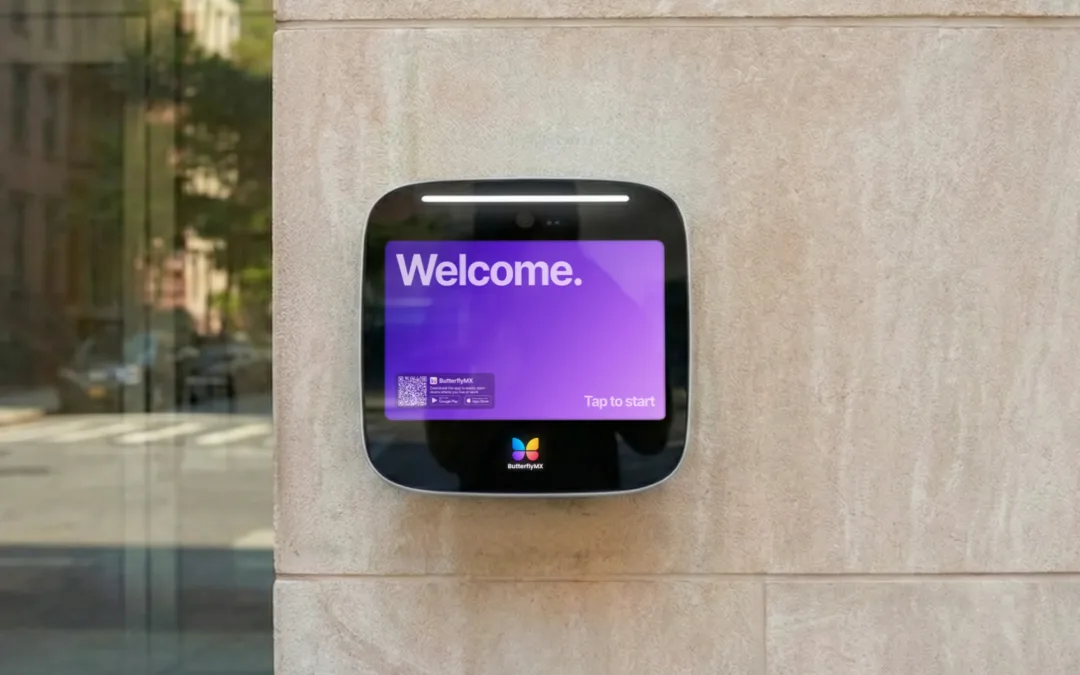
Key takeaways: An outdoor intercom system connects visitor calling, identity verification, and, when configured, a door or gate release command. Connectivity and power are separate decisions: WiFi, cellular, RF, or wired data still require a supported power source at... Read More
Key takeaways A door buzzer system with a camera is an entry system that allows visitors to communicate with tenants and request access while empowering tenants to see their visitors and grant them remote access. Door buzzer systems with a camera are most commonly... Read More
Key takeaways: SIP intercoms allow tenants to communicate with visitors remotely via smartphones, offering a modern, seamless access control solution. These systems reduce installation costs by eliminating the need for extensive wiring, making them a more... Read More
Key takeaways: IP stands for “Internet Protocol,” which is essential for routing data across the Internet by assigning unique IP addresses to devices. Data is sent through packets, each with routing information, to ensure it reaches its destination. Modern... Read More
Key takeaways: The NYC intercom law generally applies to Class A multiple dwellings with eight or more units built or converted after January 1, 1968. A compliant intercom must do more than buzz: it must support two-way communication at the main entrance and allow... Read More
Key takeaways: An IP intercom carries communication over an IP network, but it is not necessarily SIP-based, cloud-managed, or dependent on the internet for every function. System architecture determines how calls are routed, who manages the system, and what may... Read More