





Key takeaways:
- Repair is usually the better first move for one failed handset, fuse, or connection when parts are available and the rest of the system still works.
- Replacement becomes more practical when failures repeat, parts are obsolete, POTS line costs are a concern, or the building needs video, remote management, or better visitor access.
- For a basic 5- to 20-unit, single-entrance building, $2,200 to $5,000 is a directional 2026 planning range, but wiring, door hardware, labor, and local requirements control the final quote.
A broken intercom in a small rental building creates a different kind of problem than it does in a large staffed property. There may be one front door, no doorman, a tight budget, and tenants who still need reliable entry while work is being done. So the first question is not which new system to buy. It is whether the current problem is small enough to repair or broad enough to justify replacement.
To replace an outdated intercom system for a small rental building, start with a practical diagnosis. Repair an isolated handset, fuse, or wiring fault when the rest of the system is dependable and parts are still available. Consider replacement when failures keep coming back, components are no longer supported, the system depends on an aging POTS phone line, or the building now needs video verification, remote directory updates, and easier visitor access.
From there, the intercom retrofit project comes down to four things: the condition of the wiring, the door-release hardware, the number of controlled entrances, and how residents will answer visitors. This guide walks through those decisions before you request quotes, so you can compare proposals on scope instead of guessing from a headline price.
This guide will answer:
- Signs a small rental building intercom is outdated
- Repair or replace the current intercom
- Intercom options for a small rental building
- Can existing wiring support the replacement?
- Intercom replacement costs and quote variables
- Accessibility and local compliance considerations
- What to expect during installation and cutover
- How to prepare for accurate vendor quotes
- FAQs
Watch how ButterflyMX works:
Signs a small rental building intercom is outdated
An intercom is not outdated just because it is old. The better test is whether it is still reliable, supportable, and suited to the way the building is managed. A single noisy handset may be a repair. Repeated audio failures, missed visitor calls, or an entrance door that releases only some of the time point to a bigger problem.
For a small owner, the clearest warning signs are often practical ones:
- Tenants report the same call or speaker problems again after service visits.
- The door-release function works inconsistently or fails across several units.
- Replacement parts are hard to find, or the manufacturer no longer supports the system.
- The wiring is undocumented, damaged, or difficult for a technician to trace.
- Directory changes require a trip to the building instead of remote updates.
- Visitors cannot be visually verified when video would solve a real access problem.
- The system relies on a legacy POTS telephone line that is becoming expensive or uncertain to maintain.
POTS means Plain Old Telephone Service, the traditional copper phone service used by many older telephone-entry systems. A 2025 industry report discussed copper-line retirement and substantial POTS price increases in many markets, although carrier pricing and retirement schedules vary by location. That makes POTS dependence a reason to review your options, not proof that every phone-based system must be removed right away. For more background on that category, see this guide to replacing a phone-only apartment intercom.
Repair or replace the current intercom
Repair makes sense when the problem is contained and the rest of the access setup is still sound. Replacement makes more sense when the building is spending money to keep an unreliable or limited system alive. In many small buildings, the honest answer is a third one: get a site assessment before committing either way.
A site assessment is especially important when you do not know the condition of the cabling, power supply, network path, or door hardware. Door release is part of the same decision. An electric strike releases a latch electronically, while a maglock holds a door closed magnetically. Either one can change the installation scope, so it should be checked before you buy equipment or compare quotes.
Use the repair estimate, the likely replacement scope, and the cost of keeping any phone line or service contract in place as part of the same decision. Do not assume replacement will automatically lower costs. The stronger case for replacement is usually a mix of reliability, supportability, access features, and long-term fit for the building.
Intercom options for a small rental building
The best intercom type for a small rental building depends on what the property is trying to fix. A basic audio system may be enough for simple visitor calls. A building with no on-site staff may need remote directory management. A property with recurring package or visitor-access issues may value video more than in-unit hardware. The table below compares the main categories without treating one as the automatic winner.
Some video retrofit designs use IP-to-analog converters to work over suitable existing 2-wire cabling. That can help avoid a full rewire in the right building, but it is still a compatibility decision for the installer. A video intercom retrofit overview describes this converter-based approach.
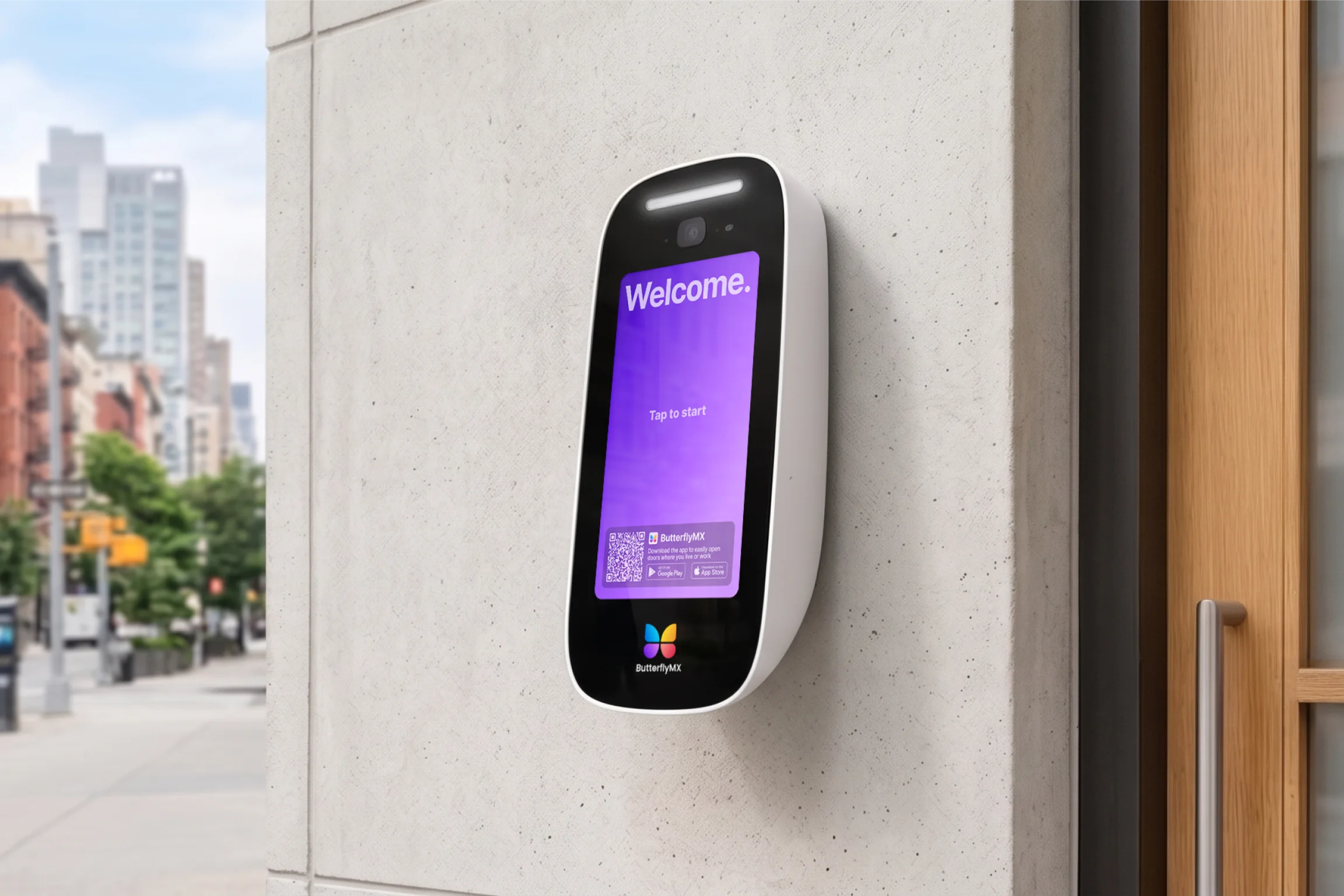
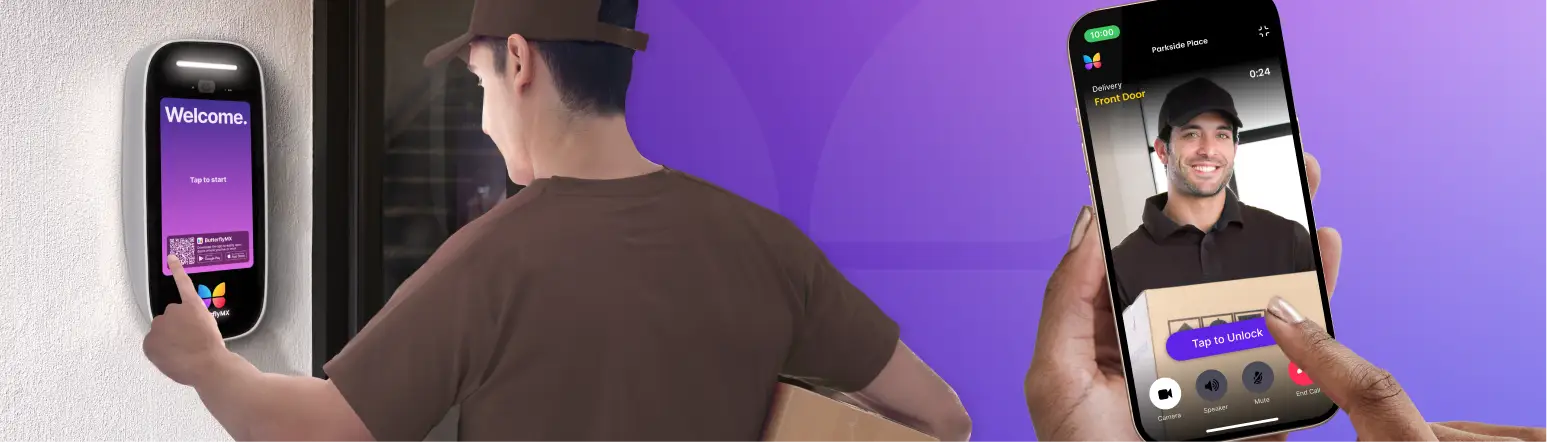
Cloud-based systems can be a strong fit when an owner or manager is not at the entrance every day. ButterflyMX video intercoms do not rely on traditional POTS lines. Residents can receive visitor calls and grant access through smartphones, while property teams can manage residents, visitors, credentials, and access remotely. That said, a smartphone-first plan should still include a workable option for residents who cannot or do not want to depend only on a phone. For broader category research, review video intercom systems for apartment buildings.
Can existing wiring support the replacement?
Yes, an intercom can sometimes be replaced without a full rewire. But that is only true when the existing cable type, cable condition, routing, documentation, and new-system requirements line up. Older intercom cable may be described as 2-wire, 4-wire, or 5-wire, but the label alone does not prove the cable is usable. The wire still has to be traced, tested, and matched to the replacement design.
Building age can help you understand risk, but it is not a diagnosis. Postwar buildings may have wiring that is easier to trace and reuse. Prewar properties can be less predictable because of poorly documented pathways, obsolete conductors, plaster walls, preservation concerns, or hazardous-material issues. A CooperatorNews discussion of intercom replacement explains why older-building projects can become more complex than the entry panel suggests.
Before an installer recommends reuse, ask them to inspect the parts of the system that affect both communication and door release:
- The entrance panel, tenant stations, and power supply.
- Available wiring records, cable routes, and cable continuity.
- The network path and power requirements for IP or cloud equipment.
- The electric strike or maglock and how the door stays secure after release.
- Any permit, access-control, or door-hardware assumptions built into the proposal.
This inspection often decides whether the project is a limited retrofit or a larger job with new cable routes, network work, and more labor. It also protects you from buying hardware that looks right online but does not match the building’s wiring or door-release setup.
Intercom replacement costs and quote variables
As a directional August 2026 planning estimate, an isolated repair such as a handset, loose wiring, or fuse issue may cost about $150 to $400. A basic replacement for a 5- to 20-unit, single-entrance building may fall around $2,200 to $5,000. These are planning benchmarks, not guaranteed market prices and not ButterflyMX pricing. Current local quotes should control the budget. The range is summarized in this 2026 intercom repair and replacement cost guide.
The most useful quote is the one that explains its assumptions. System type, entrance count, controlled-door count, tenant hardware, cable condition, door-release modifications, power, network work, permits, and local labor can all change the final cost. A single front door with usable wiring is a different project from a building that needs several controlled doors, new cabling, or legacy-building remediation.
Compare upfront equipment and installation separately from recurring charges such as cloud software, cellular service, or telephone service. If your current system is expensive because it relies on a POTS line, a modern non-POTS intercom may remove that legacy line expense. It does not mean every recurring operating cost disappears. Ask each vendor to show both the one-time project cost and the ongoing costs you should expect.
Accessibility and local compliance considerations
ADA rules should not be reduced to a blanket statement that every private apartment intercom is covered in the same way. Requirements depend on the property, the spaces involved, and applicable federal, state, and local rules. Where accessible-design standards apply, the U.S. Access Board standards address clear floor space and operable-part reach ranges, including relevant maximum 48-inch high and minimum 15-inch low reach limits under specified configurations. Review the ADA Accessibility Standards and get property-specific compliance guidance.
Even when you are not making a legal determination yourself, accessibility belongs in the planning conversation. Check panel mounting height, communication method, and resident alternatives for people with mobility, hearing, vision, or smartphone-access limitations. Also confirm building, electrical, and permit requirements with the local authority having jurisdiction. For a related access-control discussion, see ADA-compliant fob access for older apartment buildings.
What to expect during installation and cutover
Replacement should not leave the entrance unmanaged, but the cutover plan has to say how access will work during the change. Avoid relying on a universal timeline. Wiring condition, door hardware, permits, network work, and resident access needs can all affect the schedule.
- Survey the site, including cabling, connectivity, power, entry hardware, doors, and resident needs.
- Document the directory, unit mapping, current credentials, and residents who need non-smartphone access.
- Stage equipment and notify tenants about work windows, expected changes, and fallback entry procedures.
- Use a phased cutover where practical so the entrance has an understood access process during work.
- Before go-live, test visitor calls, directory entries, door release, credentials, backup behavior, and manager access.
The fallback procedure matters most in a small building with no front desk. Tenants should know how visitors will get in during work, who to contact with access problems, and what to do if normal entry is briefly unavailable. That notice does not need to be complicated, but it should be specific enough that residents are not guessing at the door.
How to prepare for accurate vendor quotes
Comparable quotes require comparable assumptions. Give each vendor the same facts about the building, then ask which parts of the proposal remain provisional until the site survey. This keeps you from comparing a low estimate that assumes perfect wiring with a more complete proposal that includes door hardware or network work.
- Provide the unit count, entrance count, controlled-door count, current system model, symptoms, and any wiring records.
- Ask whether the quote assumes wiring reuse, converters, new cabling, door-hardware changes, permits, or network work.
- Request separate numbers for upfront costs, recurring fees, support, connectivity, and future replacement items.
- Ask how residents without smartphones will receive visitors and enter the property.
- Confirm the cutover plan, training, warranty, support process, outage behavior, and final acceptance testing.
Scope matters more than the headline total. If one proposal excludes door hardware and another includes it, they are not really competing quotes yet. If you need a plain-language foundation before reviewing proposals, start with these apartment intercom system basics.
Frequently asked questions
Do I need a permit to replace an intercom in a small rental building?
Possibly. Permit requirements vary by municipality and by the electrical, low-voltage, network, and door-hardware scope of the project, so confirm the requirements with your installer and the local authority having jurisdiction.
What if some tenants do not have smartphones?
Plan a non-smartphone option before choosing a smartphone-first system. Depending on the system design, that may include compatible in-unit hardware, credentials, or another approved way to answer visitors and enter the property.
Can old intercom wiring be reused?
Sometimes, but only after inspection. Old wiring may be reused, safely abandoned, or replaced depending on its condition, routing, compatibility with the selected system, and local requirements.
Can the new intercom work during a power or internet outage?
Outage behavior depends on the specific system and site design. Ask vendors about backup power, connectivity redundancy, mechanical or credential fallback, and documented emergency procedures before approving the proposal.
Replacing a small-building intercom starts with the scope, not the catalog. If the problem is isolated and the system still has supportable parts, repair may be enough. If failures are spreading, wiring is questionable, POTS costs are rising, or remote visitor access has become important, replacement is worth a serious look.
Once you know the condition of the wiring, door hardware, entrances, and resident access needs, you can compare intercom options with a clearer eye. If video visitor calls, remote access management, and a non-POTS system fit your building, ButterflyMX is a modern option to evaluate as part of that process. Request a no-obligation quote for your small rental building when you are ready for a site-specific assessment.
Get your free quote!
Fill in the form below, and we'll email you right back.
Want a free quote?
Fill in the form below, and we'll email you right back.
You’ll be redirected shortly...