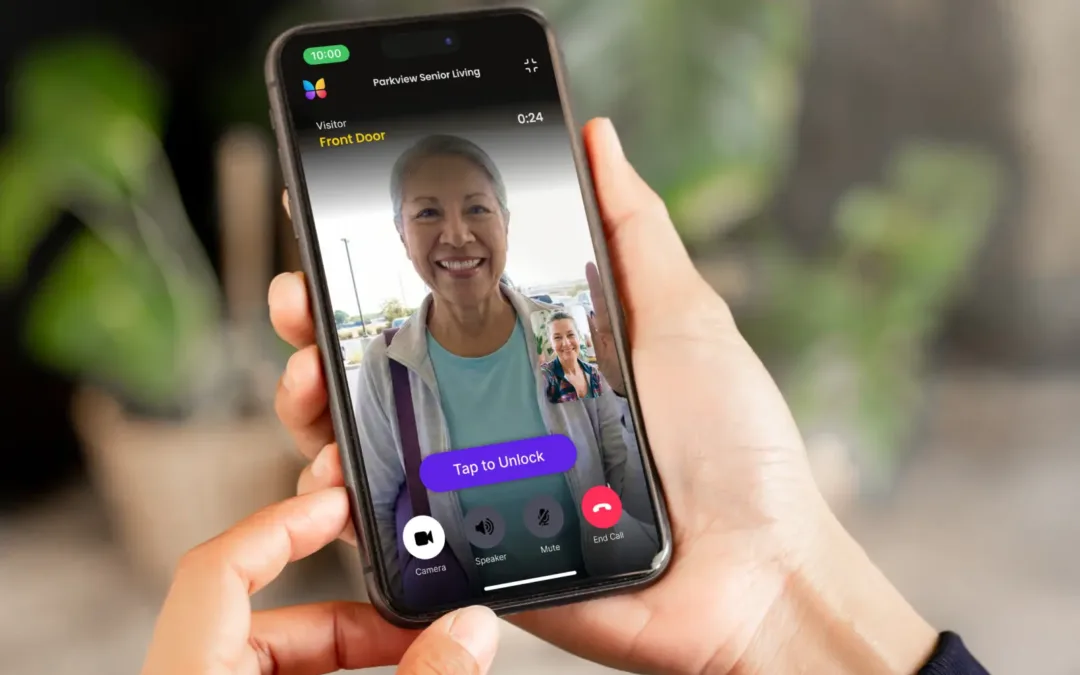
Key takeaways A cellular telephone entry system empowers residents to use their cell phones to communicate with visitors and grant property access to guests. Cell phone entry systems use cellular networks to establish contact between guests and visitors. Cellular... Read More
Key Takeaways A wireless telephone entry system is an electronic device that enables communication and building access between visitors and residents. Wireless phone entry systems connect calls from the door to the resident via a cellular network or WiFi. Although... Read More
Key takeaways: A camera-equipped call box may provide a separate CCTV feed, capture a still image, or deliver live video during a call. Verify what users see and where they see it. Many current systems use LTE or IP instead of a landline, but they still depend on... Read More
Key takeaways: A telephone entry system lets visitors call a resident, tenant, or staff member from a door or gate so that person can decide whether to unlock the entrance remotely. POTS, cellular, IP/VoIP, and video-enabled systems solve the same basic access... Read More
Key takeaways: Mircom’s current flagship, the TX3-T10, has a 10-inch, 1000-nit display, IP65 enclosure, PoE+, QR visitor access, two built-in door relays, and an up-to-three-year warranty. Mircom does not publish list pricing; third-party TX3-T10-S listings range from... Read More
Key takeaways: Linear ranges from the one-door AE-100 with 125 directory listings to EntryPro systems that support 10,000 users and up to 64 doors and 128 readers with an upgrade. Third-party hardware prices are about $775–$820 for the AE-100, $2,295–$2,465 for the... Read More