




You know how important it is to make property access simple and secure. Managing so many people coming and going can be challenging, especially when vehicles get involved. Investing in a parking access control system is the best way to create a convenient and safe experience at any property. In this post, we walk you through the details so you can choose the right option for yourself and your clients.
This parking access control system guide covers:
- What is a parking control system?
- How does a parking access control system work?
- What are the different types of parking system?
- Who needs a parking access control system?
- What is the best parking access control system?
- FAQs about parking access control systems
What is a parking control system?
A parking access control system (ACS) manages who can enter and exit your parking facility. Vehicle access control can apply to everything from bikes to cars and motorcycles. So, it’s important that whatever parking control solution you choose is versatile enough to handle the needs of your property.
Parking access systems balance security and convenience at your property by making it easy for authorized tenants to come and go. Many parking access systems also allow visitors to request property access from tenants or staff.
How does a parking access control system work?
A parking access control system works by combining gate hardware, credential authentication, and centralized management software to control vehicle entry and exit.
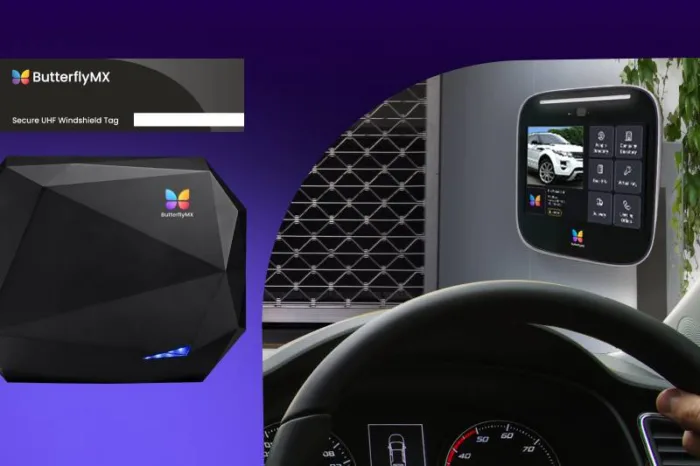
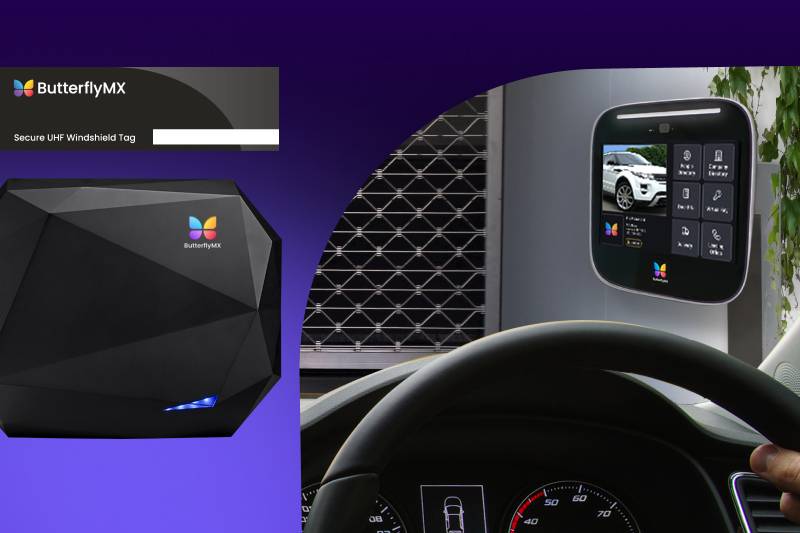
At the entrance, a gate or barrier arm physically blocks unauthorized vehicles. Drivers present a credential using a reader — such as RFID fobs, license plate recognition (LPR), keypads, or a mobile app. The reader sends the credential data to an access control panel, which verifies permissions.
If approved, the system triggers the gate to open. At the same time, the activity is recorded in cloud-based management software, creating an entry audit log that tracks who accessed the parking facility and when. Property staff can monitor, manage, and adjust permissions remotely in real time.
What are the different types of parking system?
There are many parking control systems on the market today. Before choosing the best solution for yourself or your clients, consider the pros and cons of each option.
Remember that many properties combine solutions to customize the system to their needs while maximizing convenience and security.
So, how do you control a parking lot?
Six common types of parking access control include:
- Manual security
- RFID smart parking systems
- Barrier gate systems
- Keypad access control systems
- License plate readers
- Video intercoms

1. Manual security
With manual access control, a staff member must always be physically present to check access credentials and decide who can enter the parking area. Not only are labor costs expensive with this system, but your staff could spend their time on other more valuable tasks than waiting outside for cars.
2. RFID smart parking systems
If you’ve ever opened a hotel room door or used a key fob at the gym, you’re familiar with RFID access control technology. You can use RFID keys for a car parking access control system by assigning cards or fobs to authorized people.
The biggest downside of RFID solutions is that guests and delivery drivers don’t have an assigned key, so they can’t use the parking area or request access to it.
3. Barrier gate systems
Almost every parking lot or garage has a barrier gate that blocks vehicles from entering without authorization. To use a barrier gate, however, you need to have some method of approving who can come in. As a result, barrier gate systems only work as parking access control when combined with another option on this list.
4. Keypad access control systems
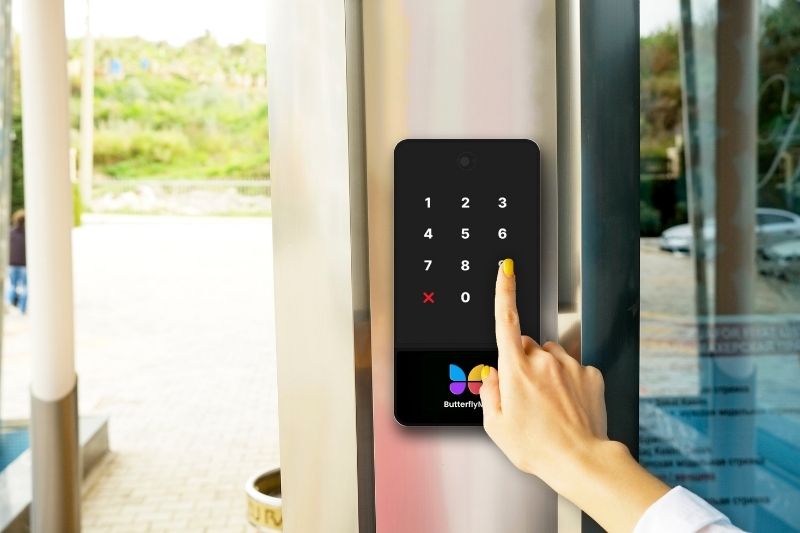
Installing a keypad access control system alongside your barrier gate system is a great way to manage parking lot access. Approved tenants are assigned a code to enter, so they can drive right through the gate.
The biggest downside of keypad access control is the same as that of RFID keys: Unexpected visitors cannot request access.
5. License plate readers
A license plate reader is installed at the entrance that automatically scans license plates, opening for authorized cars. For example, a gated HOA community would register the license plates of all residents’ cars so they could drive up to the reader and enter automatically.
Unfortunately, there are many problems with license plate readers. New cars belonging to visitors or even tenants in rental cars can’t enter. Also, when license plates are dirty or covered in snow, for example, the reader will struggle to recognize them.
6. Video intercoms
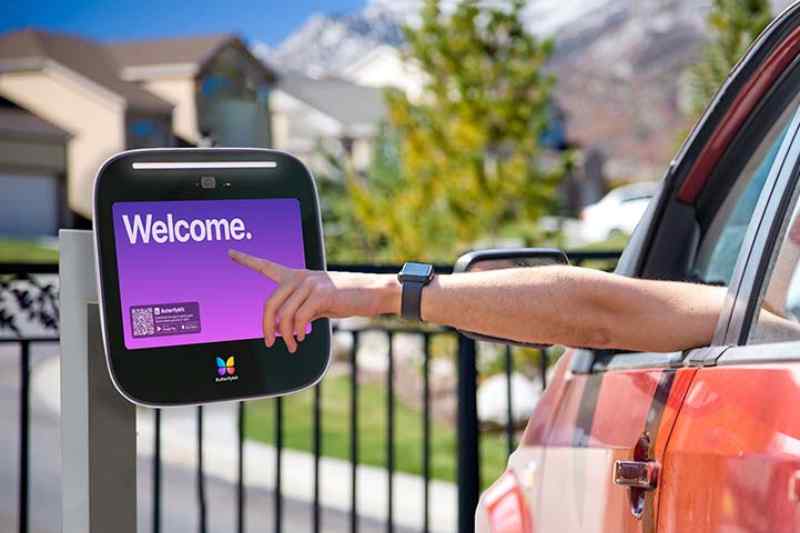
With a video intercom, guests and visitors can easily request access at the parking entrance. This is a more convenient experience for them and your staff and tenants. The video component allows them to visually confirm who they let in so it’s more secure than an old-fashioned intercom.
You can get the best of both worlds by installing a video intercom system with a mobile app so that visitors can easily request access while tenants can quickly unlock the gate from their smartphones.
Who needs a parking access control system?
Any property that manages vehicle traffic — including multifamily communities, gated neighborhoods, commercial office buildings, and mixed-use developments — can benefit from a parking access control system. These systems help prevent unauthorized entry, streamline visitor access, and create a safer, more convenient experience for residents, tenants, employees, and guests.
Parking access control system use cases:
- Multifamily properties. Apartment buildings and condo communities rely on parking access control systems to prevent unauthorized vehicles from entering resident garages and lots. With frequent turnover, guest traffic, and delivery activity, property managers need a solution that supports mobile credentials, visitor access, and remote management while maintaining strong security.
- Gated communities. HOAs and private residential neighborhoods use parking access control systems to protect shared amenities and restrict vehicle entry to residents and approved guests. Systems that support license plate recognition, visitor passes, and video verification help reduce tailgating while keeping entry convenient for homeowners.
- Commercial office buildings. Office properties must balance employee access with visitor and vendor management. A parking access control system allows businesses to assign credentials to tenants, integrate with building access control, and maintain detailed audit logs — all while reducing the need for staffed gatehouses.
- Mixed-use developments. Properties that combine residential, retail, and office space require flexible parking access control to manage multiple user groups and parking zones. Modern systems make it easy to segment access by time, credential type, or location, ensuring each group can access only the areas designated to them.
Experience what it’s like to use Visitor Passes with ButterflyMX:
What is the best parking access control system?
Managing a parking lot or structure doesn’t have to be complicated. The simplest solution is often also the best. Consider investing in an access control system that works not only for parking but also throughout your property.
When you consider factors like security, convenience, and cost, the best parking access control system is the transformational ButterflyMX smart video intercom, which empowers residents to open the gate or barrier with their smartphones.
Here’s why ButterflyMX is the best parking access control system:
- Sophisticated design. The elegant intercom interface is eye-catching and intuitive — even to first-time users. Further, the intercom is vandal-resistant and weatherproof.
- Flexible installation. You can install the 8” or 12” LED screen ButterflyMX intercom at any type of entrance. If there’s no wall at your parking structure’s entrance where you can install the intercom, simply attach it to a pedestal from Pedestal Pro.
- Robust security features. The 156-degree wide-angle camera takes a photo whenever the door or gate is opened. This creates an audit trail of all parking area entries that your staff can review to increase security. As such, tenants can rest assured that tailgating and other nuisances will be addressed immediately.
- Streamlined convenience. The ButterflyMX access control system creates a simple, automated access experience. Tenants and staff simply swipe or tap the ButterflyMX app on their smart devices to grant access to themselves and their guests without help from security guards. Even better, with cloud-based technology, staff can manage parking access from anywhere.
- Cost-effectiveness. Compared to a fully staffed gate security booth, ButterflyMX is undoubtedly the more cost-effective option. ButterflyMX frees your staff from tedious manual work, allowing them to spend more time on other tasks. Additionally, ButterflyMX is a wireless system that only needs three connections: power, internet, and the door or gate release. So, there’s no need to run expensive wiring throughout your property. Plus, because ButterflyMX is a smartphone-based system, you’ll also save time and money on issuing credentials like fobs or cards.
- Remote access. With the ButterflyMX video intercom and mobile app, you can easily grant guests access at the front gate without having to be on-premises.
- Live video feed. The front desk station software allows you to easily view the live video feed of your ButterflyMX intercom and speak directly with visitors remotely.
FAQs about parking access control systems
What is the difference between parking access control and parking management?
Parking access control restricts and monitors who can enter or exit a parking facility. Parking management, on the other hand, focuses on space allocation, payment processing, enforcement, and occupancy tracking. While access control secures the perimeter, parking management optimizes how spaces are used.
Can a parking access control system integrate with building access control?
Yes. Many modern parking access control systems integrate with a property’s existing access control platform. This allows property managers to manage vehicle and building entry credentials from a single dashboard, streamline permissions, and maintain unified audit logs across the entire property.
Are license plate recognition (LPR) systems reliable?
License plate recognition systems can be highly effective when properly installed and maintained. However, performance may be affected by factors such as poor lighting, weather conditions, obstructed or dirty plates, and temporary vehicles like rentals. Many properties combine LPR with another credential method to ensure consistent access.