




It’s an increasingly common sight for city dwellers: More and more streets are being blocked off for pedestrian use. It’s a phenomenon that’s happening around the world. City planners are doing this to increase the walkability of their cities. But why does city walkability matter, how does it contribute to sustainability, and how does it affect property developers, owners, and managers?
In this post, we explain why walkability became so important. Then we share tips on how you, as a multifamily professional, can adapt to a generation of residents who view walkability as an amenity in its own right.
This post covers:
- What is city walkability?
- Why younger generations seek high walkability
- How to accommodate residents’ walkability preferences
What is city walkability?
City walkability is an urban planning concept that emphasizes pedestrian convenience and close, walkable access to everyday necessities.
For thousands of years, city design was tailored for pedestrians. Before cars and mass transit changed the fabric of city life, shops and other services had to be located close to residential areas. However, the invention of the automobile in the late 19th century deprioritized the walkability of cities.
Cars allowed people to live farther away from city centers and their urban offices and workplaces. But this led to the construction of thousands of sprawling suburbs, forcing suburbanites to spend their money on car maintenance and gasoline. And as the suburbs spread outwards, parks and neighborhoods alike were demolished to make room for freeways, parking lots, and garages.
For decades after the car was invented, urban designers prioritized car mobility over walkability. But now, younger generations are changing pace and reverting to a car-free lifestyle.
City walkability today
Today, city walkability solutions range from complex to elegantly simple. Barcelona, for example, is closing off certain areas to cars entirely, creating pedestrian “superblocks” that feature trees and green living instead of city traffic.
Other cities are discovering new ways that walkability enhances their quality of life. New York City, for example, experimented with outdoor dining during the COVID-19 pandemic. After restaurants replaced hundreds of street parking areas with bustling open-air dining enclosures, the New York City Council saw the benefits of a more walkable city and passed legislation to make outdoor dining permanent.
Why do younger generations seek high walkability?
The value of apartments in walkable areas is skyrocketing because of high demand from younger generations like millennials and Gen Z. Residents are willing to pay up to 75% more per square foot for real estate in a walkable city. But what makes walkable cities so lucrative?
High-density, walkable cities appeal to younger generations because they’re more environmentally friendly, more convenient, and foster a greater sense of community.
More environmentally friendly
Millennials and Gen Z are very conscious about their environmental impact and conserving energy. 67% of Gen Z and 71% of millennials believe that addressing climate change should be a global priority. And one of the biggest drivers of carbon emissions is automobile use.
By lessening their dependence on car sharing, or even cutting out car use entirely, younger generations decrease their carbon footprint while enjoying all of the benefits of living in a thriving urban area.
More convenient
Younger generations aren’t just talking about how they want to decrease their dependence on cars — generational trends prove it. For example, the number of teenagers with driver’s licenses has almost halved since 1984.
As Gen Z enters the workforce and begins renting, they’re moving to neighborhoods with alternative modes of transportation that don’t require driving. When you don’t want to depend on a car to get around, walkability becomes extremely important.
Another bonus: All that walking you do when you live in a walkable area is proven to make you healthier.
Greater sense of community
Walkable communities promote social interaction and a sense of neighborhood pride. Residents of walkable communities can find diverse collections of businesses, shops, and public green spaces right nearby. In contrast, suburban residents live in low-density areas that necessitate car usage for everyday tasks. It’s also harder to get to know your neighbors when you’re separated by greater distances.
Walkable communities are also more likely to host cultural events, murals, outdoor performances, and community get-togethers. Younger generations place a high premium on these experiences.
How to accommodate residents’ walkability preferences
Now that you know that a walkable city is a massive priority for future generations of residents, you’re prepared to adapt your own multifamily property to these new standards.
But what are some specific things you can do to accommodate residents who prefer bike lanes and sidewalks to freeways?
Here are some ways you can accommodate residents living in a walkable city:
- Add bike racks
- Repurpose your parking lot
- Prepare for deliveries by investing in access control
- Convert your property for mixed-use
1. Add bike racks
Bikes are a popular way to get around in a dense urban city without a car. Portland, for example, has reduced car use by investing in bike-sharing and bike paths.
If your residents have replaced their cars with bikes, they’ll appreciate a dedicated bicycle storage area on your property. Designate a section in your parking garage for bicycle storage, or install a bike rack in your courtyard. You could also hand out bike locks to your residents so they can secure their bicycles on your property without a large investment.
2. Repurpose your parking lot
If your property has a parking lot or garage, you might notice activity dwindling as more renters ditch cars. Consider getting ahead of the curve and repurposing part or all of your building’s dedicated parking structure.
For example, convert the lot or garage into an amenity like a community space, a dog park, or an outdoor garden.
3. Prepare for deliveries by investing in access control
While millennials and Gen Z might prefer car-free, walkable lifestyles, they’ll also need a few adjustments to make it work. If carless millennials want something that’s out of stock or not available in their immediate area, they’re probably going to order it online. Two out of every three millennials already use online shopping regularly, and that number is only going to increase as more of them move to walkable areas.
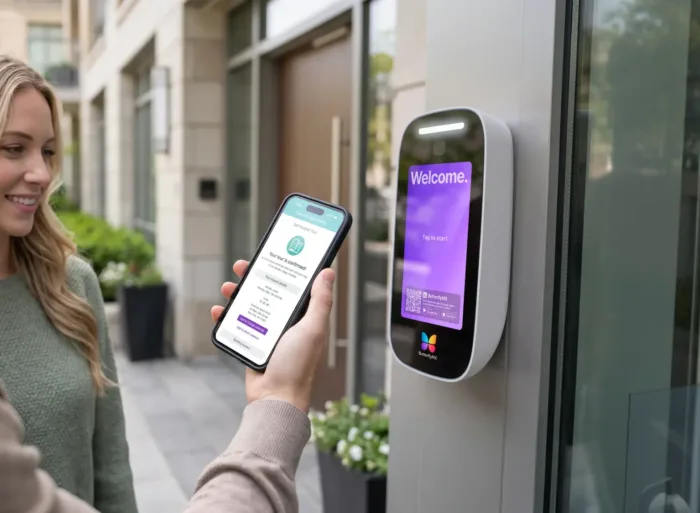
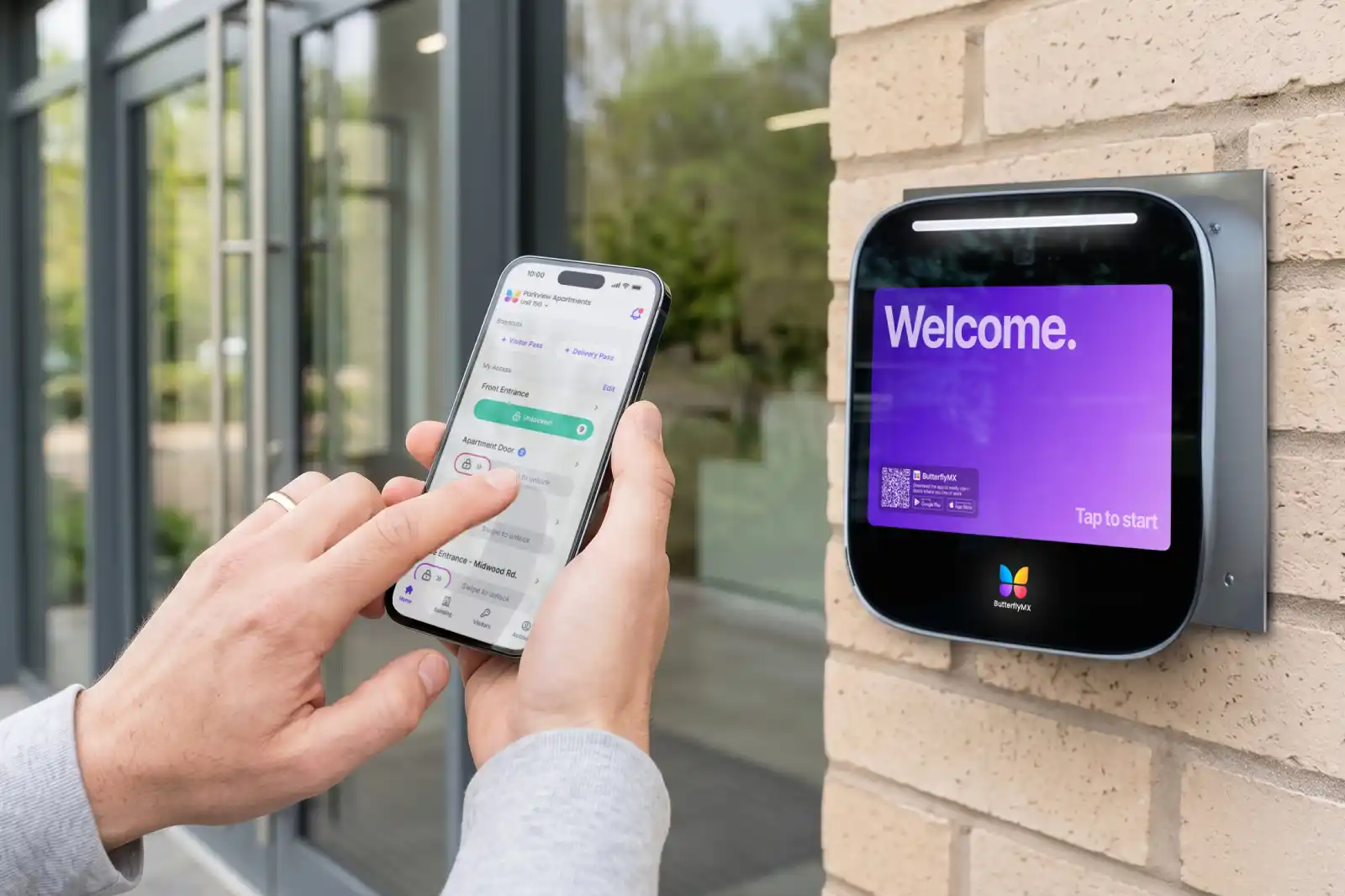
Prepare for this by investing in an access control system that simplifies delivery management. You can also add a package room that couriers can quickly and easily access with a one-time PIN.
Watch how ButterflyMX’s package room works:
4. Convert your property for mixed-use
A thriving, walkable neighborhood is composed of a diverse mix of residential, commercial, and retail tenants. Your carless residents want to live near shops and offices for an easier commute.
By converting your property into a mixed-use building, you can host both residential and commercial or retail tenants in your building. That way, you’ll boost livability for your residents by ensuring businesses and shops are easily accessible. You’ll also help generate more foot traffic, keep your local streets livelier and safer, and drive community engagement. All of these factors will make your property a must-have in the eyes of younger generations.
Takeaways
City walkability is a popular urban planning movement that’s changing the way we live and travel in urban areas for the better. And younger generations, such as millennials and Generation Z, are strong proponents of walkable cities.
By adapting your property to the walkable city, you’ll cater to the preferences of two important tenant generations while contributing to your community’s atmosphere. The smart city of the future will be greener, more spacious, and easier to live in. And, with the right investments, you can start preparing for it today.