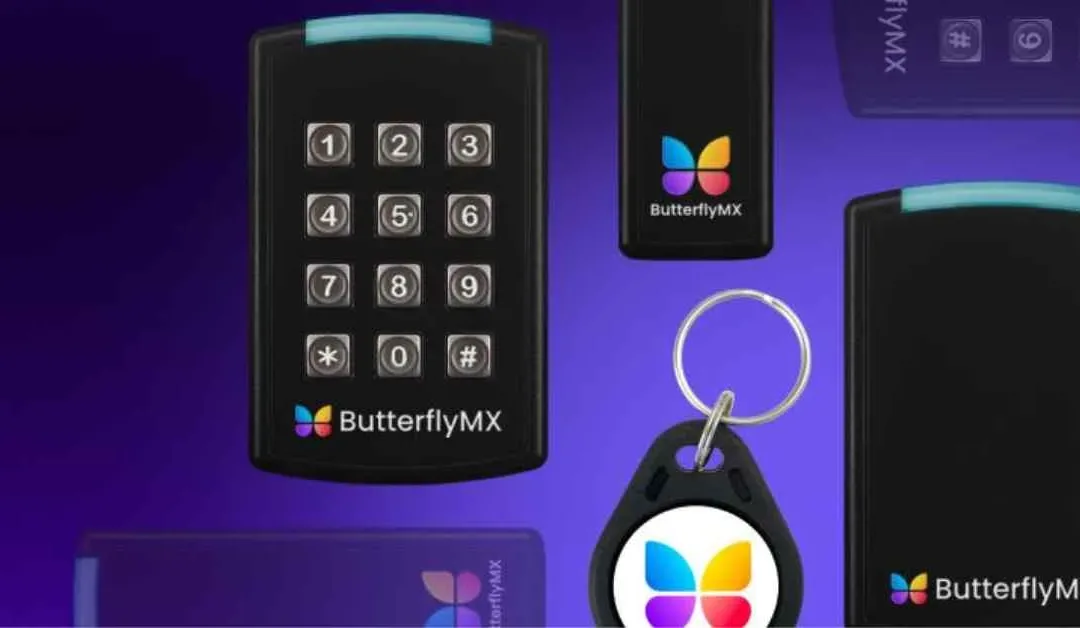
Key takeaways: Key card and fob systems work by taking advantage of credentials, readers, controllers, and a door release. The most common types of key card systems include Wiegand, swipe, RFID, and proxy card systems. Some alternatives to key card or fob systems... Read More
You’ve likely encountered Kisi while searching for the best cloud-based access control system. As one of many access control providers, Kisi is a system to consider. But is it right for your building? This post discusses how Kisi works and reviews its... Read More
Key takeaways: Wireless access control can describe a lock-to-hub radio link, a Wi-Fi lock, a mobile credential, or cellular backhaul. Identify the wireless link before comparing systems. Wireless hardware can reduce dedicated cabling on some retrofits, but signal... Read More
Key takeaways: A commercial access control system manages credentials, permissions, controlled openings, and event records—not just readers and electronic locks. Architecture, credential type, reader communication, and fail-safe or fail-secure lock behavior are... Read More
Key takeaways: Mobile access control connects a phone credential, compatible reader, controller or cloud service, and entry hardware such as a door, gate, or elevator. App access, wallet keys, visitor passes, and physical fallbacks solve different property workflows,... Read More
Key takeaways Before selecting a system, identify specific challenges, such as frequent key misplacements or the need for vendor access, to ensure the solution aligns with your property’s needs. Understand the differences between wired and wireless systems, and... Read More